Kaposi Sarcoma Treatment: How It Works, Results and What to Expect

Kaposi sarcoma is linked to human herpesvirus 8 and is more likely to develop when immune function is reduced. For people with HIV, effective antiretroviral therapy is a central part of Kaposi sarcoma treatment.
Key Takeaways
- Kaposi sarcoma is linked to human herpesvirus 8 and is more likely to develop when immune function is reduced.
- For people with HIV, effective antiretroviral therapy is a central part of Kaposi sarcoma treatment.
- Small or limited lesions may be treated locally, while extensive, symptomatic or internal disease may need systemic treatment.
- The outlook varies widely; many people have long periods of disease control with appropriate treatment and follow-up.
- New or changing purple, red or brown skin lesions, swelling, breathing symptoms or gastrointestinal bleeding need timely medical assessment.
Kaposi sarcoma treatment is individualized to the type, location and extent of disease, as well as the person’s immune health. Treatment may include antiretroviral therapy, local treatment for individual lesions, systemic medicines for widespread disease and supportive care for symptoms.
Overview: How Kaposi Sarcoma Treatment Works
Kaposi sarcoma treatment aims to control cancerous lesions, relieve symptoms, protect organ function and address the immune condition that allows the disease to develop. The most appropriate plan depends on whether lesions are limited to the skin or affect lymph nodes, the mouth, lungs, digestive tract or other organs. It also depends on the subtype of Kaposi sarcoma and the person’s overall health.
Kaposi sarcoma is associated with human herpesvirus 8 (HHV-8), also called Kaposi sarcoma-associated herpesvirus. Many people with HHV-8 never develop cancer. Risk rises when immune defenses are weakened, such as in untreated or advanced HIV infection, after organ transplantation or with some other causes of immunosuppression.
Care is usually coordinated by oncology, dermatology, infectious disease, pathology, radiation oncology and other specialists when needed. A treatment plan may focus on a few visible lesions, control more widespread disease with medicines, or combine approaches over time.
Choosing Treatment: Candidacy and Assessment
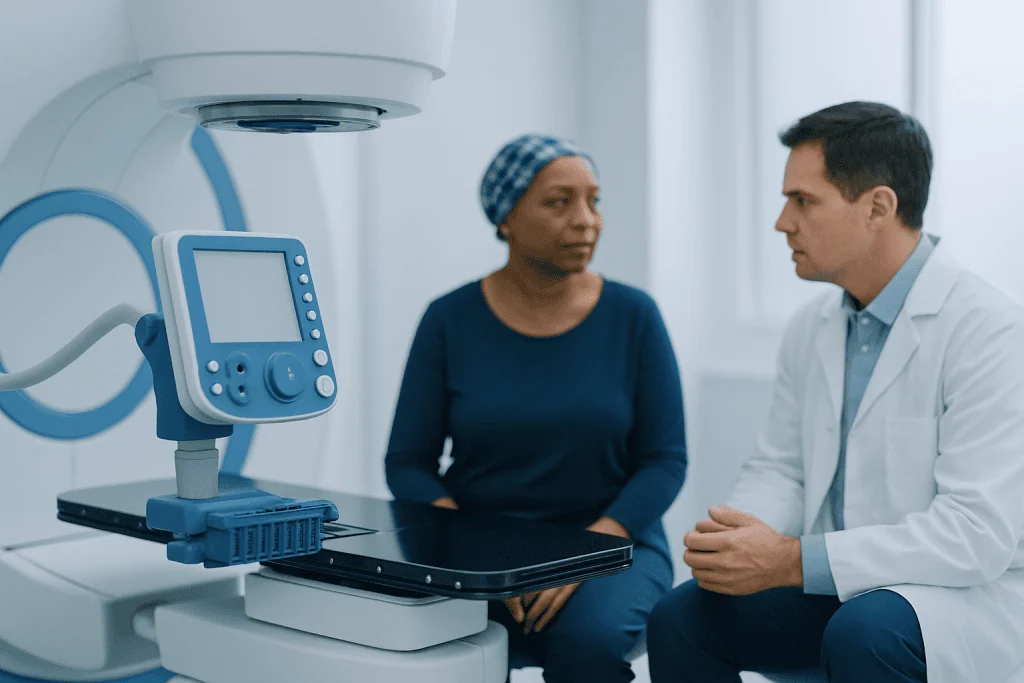
Before treatment begins, clinicians confirm the diagnosis, usually by taking a small biopsy from a skin or mouth lesion. The tissue is examined under a microscope and may be tested for markers associated with HHV-8. This helps distinguish Kaposi sarcoma from other conditions that can cause colored skin lesions or swelling.
The assessment also considers the number and location of lesions, whether they are painful, bleeding or cosmetically troubling, and whether swelling is present. Imaging, endoscopy, bronchoscopy or other tests may be considered when symptoms suggest involvement of the lungs or digestive tract. Blood tests may assess general health, HIV status where relevant and immune function.
People with a small number of stable skin lesions may be candidates for local therapy or careful observation. Systemic treatment is more often considered for rapidly progressive disease, extensive skin involvement, troublesome lymphedema, lesions affecting the mouth, or disease involving internal organs. The potential benefit of treatment is balanced against side effects, other medicines and personal priorities.
- Limited disease may be managed with local procedures, radiation or monitoring.
- HIV-associated disease generally requires prompt, effective antiretroviral therapy.
- Widespread, symptomatic or visceral disease may require chemotherapy or other systemic treatment.
Treatment Options and the Step-by-Step Care Pathway
For HIV-associated Kaposi sarcoma, antiretroviral therapy is an essential treatment because it suppresses HIV and supports immune recovery. Some people with early or limited disease improve substantially after starting or optimizing antiretroviral treatment. Doctors monitor closely because inflammation can occasionally worsen visible lesions temporarily as the immune system recovers, a reaction known as immune reconstitution inflammatory syndrome.
Local treatment is used when there are a small number of accessible lesions. Options can include surgical removal, cryotherapy, laser treatment, injection of medicines into lesions, topical treatment in selected cases, or radiation therapy. These approaches can reduce an individual lesion or a small area of disease, but they do not eliminate HHV-8 from the body and new lesions can occur elsewhere.
Systemic treatment circulates through the body and is used when disease is extensive or involves internal organs. Liposomal chemotherapy medicines are commonly used; other chemotherapy approaches, targeted treatments or immune-modulating medicines may be considered in selected situations. Treatment is typically delivered in cycles, with regular examinations and tests to assess response and side effects. Medical oncology care helps coordinate systemic cancer treatment with management of related health conditions.
The care pathway commonly includes diagnosis and staging, a multidisciplinary discussion, treatment planning, treatment delivery and repeat assessment. If one approach is not effective or causes unacceptable side effects, the team may modify the plan. Supportive measures, including pain control, wound care, management of swelling and nutritional support, are important parts of care.
Benefits, Risks and Recovery Timeline
Potential benefits of treatment include flatter or lighter lesions, less pain or bleeding, reduced swelling, improved comfort and control of disease in internal organs. A complete visible response is possible for some lesions, while other people have partial improvement or stable disease. Treatment response does not always mean the virus has been eliminated, so continued follow-up remains important.
Recovery depends on the treatment used. After a local procedure, soreness, crusting, swelling or temporary changes in skin color may occur for days to weeks. Radiation can cause temporary skin irritation and fatigue. Systemic therapy may require repeated visits over several months, and energy levels can vary during treatment and recovery.
Side effects differ between treatments. Local procedures may leave scarring or pigment change. Radiation can irritate the treated area. Chemotherapy can cause fatigue, nausea, reduced blood cell counts, infection risk, mouth sores, hair changes, numbness or tingling, and effects on the heart with certain medicines. Clinicians monitor for side effects and can often provide treatment or adjust therapy to improve safety and comfort.
People should tell their care team about fever, worsening shortness of breath, new bleeding, severe diarrhea, rapidly increasing swelling or signs of infection. These symptoms do not always indicate a serious problem, but they should be assessed promptly during cancer treatment.
Can Kaposi Sarcoma Be Cured Completely?
Whether Kaposi sarcoma can be cured completely depends on its subtype, extent and the underlying immune situation. A single or limited lesion may sometimes be removed or treated so that it is no longer detectable. However, because HHV-8 can remain in the body, there can be a risk of new lesions or recurrence later.
For HIV-associated Kaposi sarcoma, durable HIV control with antiretroviral therapy can lead to major improvement and long-term disease control. In transplant-associated disease, carefully adjusting immunosuppressive medicines may help in selected people, but this must be managed by transplant specialists to protect the transplanted organ. The medical team can explain whether the goal is cure of local disease, long-term control or symptom relief.
Follow-up appointments are useful even after lesions have improved. They allow clinicians to check for recurrence, monitor immune health and address treatment effects early.
How Quickly Does Kaposi Sarcoma Spread?
Kaposi sarcoma can progress at very different speeds. Some cases remain limited to a few skin lesions for years, while others develop new lesions or affect lymph nodes and internal organs over weeks to months. The pace is influenced by the subtype of Kaposi sarcoma, the degree of immune suppression and whether the underlying cause of immune weakness is being effectively treated.
HIV-associated disease may progress more quickly when HIV is untreated or immune function is severely reduced. Classic Kaposi sarcoma, which more often affects older adults, is frequently slower growing and may remain mainly on the lower legs or feet. Transplant-associated and endemic forms can also vary in behavior.
A prompt assessment is the safest way to understand an individual situation. Clinicians look not only at the number of skin lesions but also at symptoms such as leg swelling, mouth lesions, persistent cough, breathlessness, abdominal pain, unexplained anemia or gastrointestinal bleeding.
Can You Live a Long Life With Kaposi Sarcoma?
Many people can live for many years with Kaposi sarcoma, particularly when the disease is limited and the underlying immune problem is well managed. Outcomes have improved significantly for many people with HIV because modern antiretroviral therapy can restore immune function and reduce the risk of disease progression.
Prognosis is individual. Important factors include the subtype, extent of cancer, involvement of organs such as the lungs or digestive tract, immune status, other medical conditions and response to treatment. A person’s oncology and infectious disease teams can provide the most meaningful outlook based on current findings.
Ongoing care helps support long-term health. This may include taking prescribed medicines consistently, attending follow-up visits, avoiding tobacco, maintaining nutrition and seeking help early for new symptoms. Emotional support and practical services can also be valuable during treatment.
What Are the Three Stages of Kaposi Sarcoma?
Kaposi sarcoma does not have one universal three-stage system like some other cancers. In clinical practice, doctors may describe disease as limited to the skin, more extensive skin or lymph-node disease, or visceral disease involving internal organs. These descriptions help guide treatment, but they are not a formal staging system used in every setting.
For AIDS-related Kaposi sarcoma, clinicians often use the AIDS Clinical Trials Group system. It considers tumor extent, immune status and systemic illness rather than assigning only three numbered stages. Tumor extent is broadly grouped as good risk or poor risk, based on features such as edema, ulceration, oral involvement and disease outside the skin or lymph nodes.
Clear communication matters more than a stage label alone. The treating team can explain where the disease is located, whether it is causing symptoms and what that means for the treatment plan.
When to Seek Medical Care
Medical assessment is advised for new purple, reddish-brown or dark patches, plaques or nodules on the skin, especially if they grow, multiply, bleed, become painful or are accompanied by swelling. Lesions in the mouth should also be evaluated. These changes can have many causes, so a diagnosis should not be assumed from appearance alone.
Urgent medical attention is important for new or worsening shortness of breath, coughing blood, chest pain, black or bloody stools, fainting, significant weakness, fever during systemic treatment or rapidly worsening leg swelling. These symptoms need assessment because they may reflect internal disease, infection or another medical condition.
Acibadem International’s multidisciplinary specialists and JCI-accredited hospitals support diagnosis and treatment planning for international patients with Kaposi sarcoma. Regular follow-up with a qualified medical team remains important throughout treatment and after lesions improve.
Frequently asked questions
What is the main treatment for Kaposi sarcoma in people with HIV?
Effective antiretroviral therapy is a central part of treatment because it controls HIV and helps the immune system recover. Depending on the extent and symptoms of Kaposi sarcoma, local treatment or systemic cancer therapy may be added.
Is chemotherapy always needed for Kaposi sarcoma?
No. A small number of skin lesions may be managed with antiretroviral therapy, local procedures, radiation or observation, depending on the situation. Chemotherapy is more commonly used for widespread, progressive, symptomatic or internal-organ disease.
Does Kaposi sarcoma treatment remove HHV-8 from the body?
Current treatment controls the cancer and its symptoms but does not reliably remove HHV-8 from the body. This is why follow-up is important even when lesions improve or disappear.
How long does Kaposi sarcoma treatment take?
The timeline varies with the treatment approach and response. Local procedures may involve one or several visits, while systemic treatment is commonly given in cycles over months with regular reassessment.
Can Kaposi sarcoma lesions come back after treatment?
Yes, lesions can recur or new lesions can develop, particularly if immune suppression continues or returns. Long-term HIV control, careful management of immunosuppressive medicines when applicable and follow-up can reduce risk and help detect changes early.
Are Kaposi sarcoma skin lesions contagious?
Kaposi sarcoma lesions themselves are not spread by casual skin contact. HHV-8 can be transmitted in certain body fluids, but having the virus does not mean a person will develop Kaposi sarcoma; immune suppression is an important factor.
References
- National Cancer Institute
- American Cancer Society
- Centers for Disease Control and Prevention
- World Health Organization
- European Society for Medical Oncology
This article is for general information only and is not a substitute for professional medical advice. Please consult a qualified doctor about your individual situation.
Oncology care in Turkey — second opinion and treatment plan
JCI-accredited · board-certified surgeons · reply within 24h
Add us as a Preferred Source to see more of our trusted health content across Google Search, AI Overviews and Discover.