Massage Therapy and Cancer Patients: How It Works, Results and What to Expect
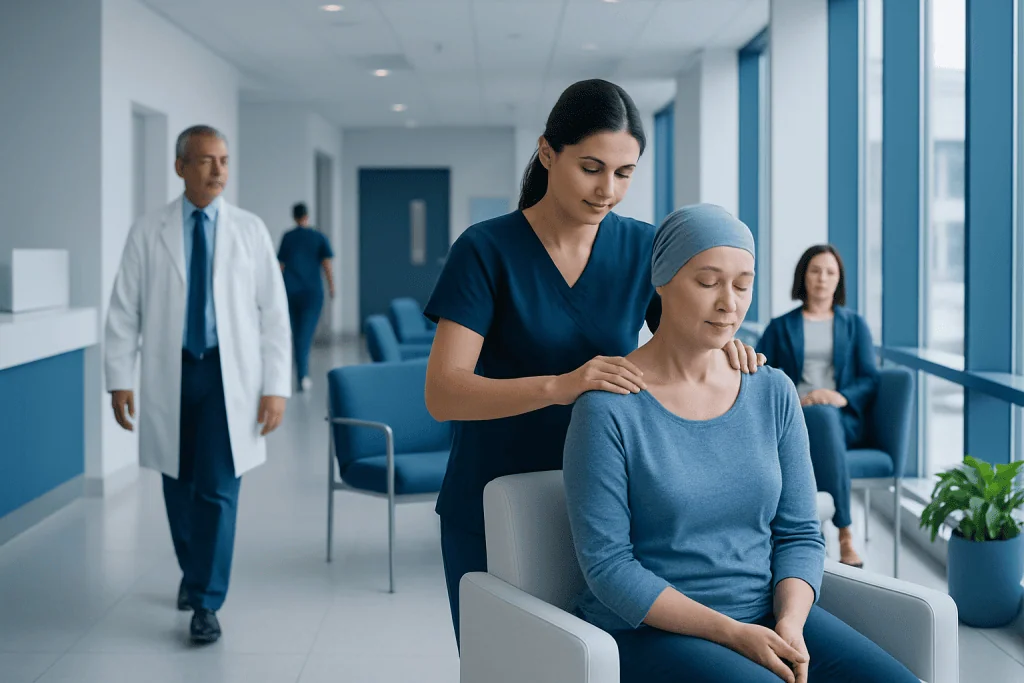
Cancer massage should complement, not replace, oncology treatment and follow-up care. A therapist needs current information about the cancer diagnosis, treatments, surgery and symptoms before beginning.
Key Takeaways
- Cancer massage should complement, not replace, oncology treatment and follow-up care.
- A therapist needs current information about the cancer diagnosis, treatments, surgery and symptoms before beginning.
- Pressure, positioning and body areas treated may need to change during chemotherapy, radiation therapy, immunotherapy or recovery from surgery.
- Massage should be postponed or adapted for fever, infection, low blood counts, blood-clot concerns, unstable bone disease or painful skin changes.
- People should contact their oncology team promptly for new or worsening symptoms rather than relying on massage for assessment or treatment.
Massage therapy can be a supportive part of cancer care when it is individualized, gentle when needed, and coordinated with the person’s oncology team. It does not treat cancer itself, but it may help some people feel more comfortable by easing stress, muscle tension, pain, sleep difficulties and treatment-related fatigue.
Overview: massage therapy as supportive cancer care
Massage therapy and cancer patients can be safely brought together when care is tailored to the individual and coordinated with the oncology team. A trained massage therapist uses touch, gentle pressure and comfortable positioning to promote relaxation and relieve physical tension. The goal is supportive care: helping a person cope with symptoms and the emotional demands of cancer, not shrinking or curing a tumour.
Research suggests that appropriately delivered massage may provide short-term relief of anxiety, stress, pain, fatigue, nausea or sleep disturbance for some people. Experiences vary, and benefits may be temporary. Massage is usually most helpful when it is part of a broader symptom-management plan that may also include medicines, rehabilitation, nutrition support, psychological care and palliative care when appropriate.
“Oncology massage” is a term often used for massage adapted for people with a current or previous cancer diagnosis. It is not one fixed technique. Instead, the therapist adjusts the session to medical circumstances, energy level, treatment effects and personal preferences. The person should always remain in control and can ask for less pressure, a different position or a pause at any time.
How massage works and potential results
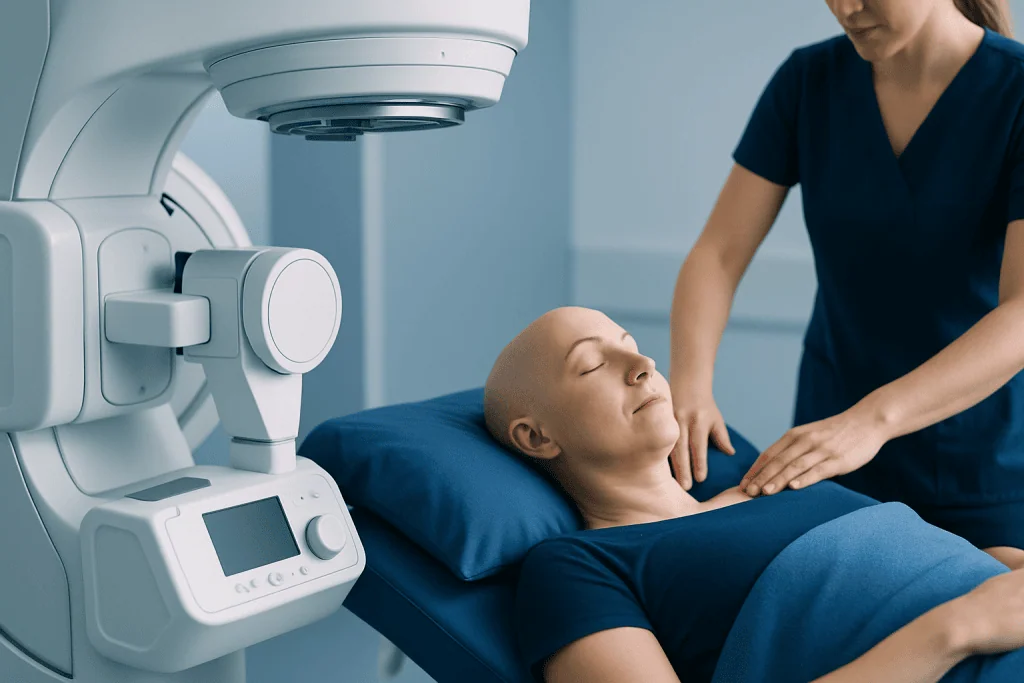
Massage works primarily through calming, supportive touch and the relaxation response. Slow, comfortable techniques may reduce muscle guarding, encourage slower breathing and create a sense of safety and rest. For a person living with cancer, this can be valuable when appointments, symptoms and uncertainty have made it difficult to relax.
Results are usually measured by comfort and quality of life rather than by cancer outcomes. Some people report feeling less tense, sleeping better or having temporary relief from aching muscles and stress. Others may not notice a meaningful change, particularly if pain, fatigue or nausea are severe. It is reasonable to set a simple goal before a session, such as improving comfort, reducing worry or finding a position that is easier on sore muscles.
Massage does not spread cancer through the body. However, cancer and its treatments can affect bones, skin, blood counts, circulation, nerves and immune function. These changes are the reason professional assessment and technique adjustments matter. Persistent or new pain, swelling, weakness, breathlessness or fever needs medical evaluation rather than massage alone.
Is it okay for cancer patients to get a massage?
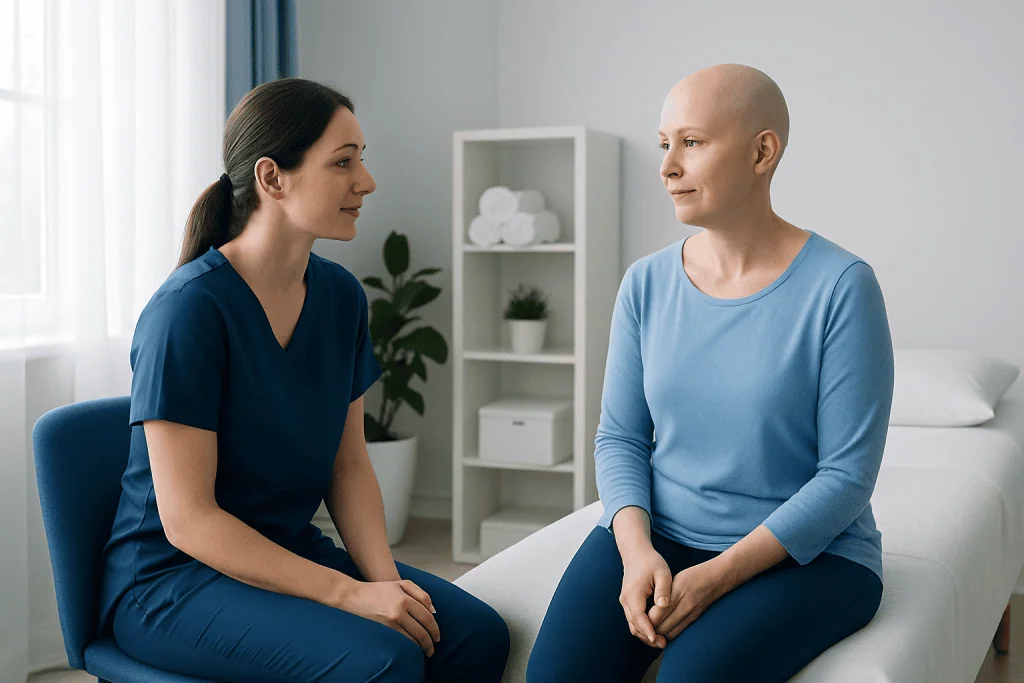
Yes, many cancer patients can receive massage, provided it is medically appropriate and adapted to their situation. The safest approach is to discuss it with the oncologist, oncology nurse or treating doctor first, especially during active treatment or soon after surgery. A therapist with training in oncology massage should be told about the diagnosis, treatment schedule, medication changes, devices and current symptoms.
Massage may be suitable before treatment, between treatment cycles, during survivorship and in palliative care. It can often be modified for people who are tired, in pain or unable to lie flat. For example, a session may be shorter, focused on hands, feet or scalp, or performed with the person seated or supported by pillows.
Extra caution is needed with bone metastases or fragile bones, low platelet counts, blood clots, lymphedema, neuropathy, open wounds, radiation-related skin reactions and recent surgery. In these situations, the oncology team may recommend avoiding particular areas, using extremely light touch, or delaying massage until a concern has been addressed.
- Choose a licensed or appropriately qualified therapist with oncology-specific training.
- Share up-to-date medical information and obtain permission before working near ports, drains, ostomies, surgical sites or areas of swelling.
- Avoid deep-tissue or forceful techniques unless the oncology team confirms they are appropriate.
- Stop the session if pain, dizziness, nausea, shortness of breath or new discomfort develops.
Candidacy and what happens during the procedure
Before a session, the therapist should take a focused health history. This includes the cancer type and location, current and past treatments, recent surgery, blood-count concerns, bone health, skin changes, medications, fatigue level and any history of lymphedema or blood clots. The therapist and patient then agree on a plan that matches the day’s needs rather than following a standard full-body routine.
At the appointment, the person may remain clothed or be draped according to local professional standards and personal comfort. The therapist helps find a safe position, often side-lying, semi-reclined or seated. Pillows can protect surgical areas, reduce pressure on tender joints and accommodate breathing difficulties. A session may last less time than a usual spa massage, particularly during active treatment.
Touch is usually slow and gentle, with pressure adjusted frequently. Areas with active tumours, radiation fields, healing incisions, bruising, swelling, infection, pain or altered sensation are avoided or managed only with explicit clinical guidance. The therapist should not massage directly over an implanted port, catheter, drain, stoma, recent graft or known blood clot.
Afterward, most people can return to their normal routine. Some feel calm or sleepy and may prefer to rest, drink fluids as desired and avoid scheduling demanding activities immediately afterward. There is no special “detox” requirement after massage; the important step is noticing how the body feels and reporting any concerning symptoms to the care team.
Risks, recovery timeline and situations requiring changes
When performed carefully, massage is generally low risk, but it is not risk-free for every person at every stage of cancer care. Firm pressure can cause bruising when platelet levels are low or when a person takes anticoagulant medication. Pressure over weakened bones can be painful or, rarely, contribute to injury. Skin may be more fragile during or after radiation therapy, and numbness from neuropathy can make it harder to judge whether pressure is too strong.
There is no single recovery timeline after a massage. Many people feel relaxed immediately, while others may have short-lived tiredness or mild muscle soreness. A gentle, well-adapted session should not leave someone with significant pain, bruising, worsening swelling or prolonged exhaustion. If those occur, future sessions should be reconsidered with the oncology team.
Massage may need to be postponed during fever or active infection, unexplained bleeding or bruising, severe nausea, acute pain, suspected deep vein thrombosis, uncontrolled shortness of breath or a sudden decline in health. The same is true when a person is awaiting urgent assessment for new neurological symptoms, swelling of an arm or leg, or possible treatment complications.
For people affected by swelling after lymph node surgery or radiation, care should be guided by clinicians experienced in lymphedema. Lymphedema treatment may include assessment, skin care, exercise guidance, compression and specialized manual techniques; it is different from routine massage.
What 5 parts of the body are not allowed to massage?
There are not five body parts that are universally forbidden for every person with cancer. Safe areas depend on the diagnosis, treatment and current health. Instead of applying a fixed list, an oncology-trained therapist avoids or modifies touch over areas that may be vulnerable or medically significant.
Five common areas or situations that often need to be avoided are: an active tumour site unless the oncology team advises otherwise; a recent surgical incision or unhealed wound; skin that is irritated, blistered or tender from radiation treatment; an implanted port, catheter, drain or stoma; and an area that is swollen, hot, red, painful or suspected of having a blood clot. The therapist may also avoid direct pressure over bones weakened by metastases or osteoporosis.
Areas at risk for lymphedema require individualized advice, especially after lymph node removal or radiation. A person should not assume that massage on an affected arm, leg, chest wall or nearby region is automatically safe or unsafe. The oncology or lymphedema team can explain which techniques and locations are appropriate.
What is the 62 day rule for cancer?
The “62 day rule” is not a massage rule and does not apply universally around the world. It is a cancer-care waiting-time target used in parts of the United Kingdom, referring broadly to the aim of starting first definitive cancer treatment within 62 days after an urgent suspected-cancer referral. The exact definitions, performance standards and pathways can change and differ by health system.
For someone considering massage, the practical point is that supportive therapies should not delay medical appointments, diagnostic tests or recommended cancer treatment. If a new lump, unexplained bleeding, persistent change in symptoms or a treatment complication is suspected, medical assessment comes first.
Massage can sometimes be scheduled around treatment and recovery, but timing should be discussed with the clinical team. This is especially important near surgery, on days of intensive treatment, or when blood counts and infection risk may be changing.
What is the new normal after cancer?
The “new normal” after cancer describes the adjustments many people make after diagnosis and treatment. Recovery is often not a straight line. Energy, sleep, concentration, body image, sexual wellbeing, mood, work capacity and physical comfort may change, and these changes can improve gradually over months or may require ongoing support.
Massage may offer a quiet, person-centred way to reconnect with the body, manage muscle tension and make time for rest. It is one option among many. Regular movement suited to the person’s abilities, rehabilitation, nutrition, symptom monitoring, counselling and follow-up care can all support recovery and survivorship.
New normal does not mean a person should simply accept troublesome symptoms. Persistent pain, worsening fatigue, anxiety, depression, neuropathy, swelling or sleep problems deserve discussion with a healthcare professional. Acibadem International’s multidisciplinary specialists and JCI-accredited hospitals support international patients with cancer diagnosis, treatment and rehabilitation planning.
When to seek medical care
Medical care should be sought promptly for symptoms that could indicate infection, a blood clot, cancer progression or a treatment complication. These include fever, chills, sudden shortness of breath, chest pain, coughing blood, a painful swollen arm or leg, sudden weakness, confusion, uncontrolled vomiting, new severe pain, or unexpected bleeding. Massage should be stopped and postponed until the person has been medically assessed.
A person should also contact the oncology team before booking massage if they have recently had surgery, are receiving chemotherapy or radiation therapy, have very low blood counts, are using blood-thinning medicines, have known bone metastases, or have swelling after lymph node treatment. Early discussion allows the care team to recommend safe timing and necessary adjustments.
Massage is most beneficial when it supports—not replaces—evidence-based cancer care. Open communication among the patient, oncology team and trained therapist helps ensure that comfort measures remain safe, respectful and aligned with the person’s treatment plan.
Frequently asked questions
Can massage therapy cure cancer?
No. Massage therapy does not cure cancer, shrink tumours or replace surgery, chemotherapy, radiation therapy, immunotherapy or other oncology treatments. It may be used as supportive care to help with comfort, relaxation and certain symptoms when approved by the treating team.
Should massage be avoided during chemotherapy?
Not always, but it often needs modification. Chemotherapy can affect energy, immunity, skin, nerves and blood counts, so the oncology team and an oncology-trained therapist should advise on timing, pressure and areas to avoid. Massage should be postponed if the person is unwell, has fever, active infection, very low blood counts or concerning new symptoms.
Can massage cause cancer to spread?
There is no evidence that appropriately performed massage causes cancer to spread. The concern is not spreading cancer through touch, but avoiding injury or discomfort in areas affected by surgery, fragile bones, low blood counts, skin reactions, swelling or blood-clot risk. Individual assessment is important.
How often can a person with cancer have a massage?
There is no universal schedule. Frequency depends on symptoms, treatment timing, medical stability, energy level and personal preference. Some people benefit from occasional short, gentle sessions, while others may choose massage only during particular phases of recovery or stress.
What should a patient tell an oncology massage therapist?
The therapist should know the cancer diagnosis, treatment plan, recent procedures, medicines, ports or drains, skin changes, bone involvement, blood-clot history, swelling and current symptoms. The patient should also mention any area that is numb, painful, bruised, sensitive or healing. This information helps the therapist adapt the session safely.
Can massage help cancer-related fatigue?
Some people find that gentle massage improves relaxation, sleep and muscle comfort, which may make fatigue feel more manageable. However, cancer-related fatigue can have many causes, including anaemia, treatment effects, pain, poor sleep, infection and emotional stress. New, severe or worsening fatigue should be discussed with the oncology team.
References
- National Cancer Institute
- American Cancer Society
- Society for Integrative Oncology
- Macmillan Cancer Support
- National Health Service
This article is for general information only and is not a substitute for professional medical advice. Please consult a qualified doctor about your individual situation.
Persistent digestive symptoms? Get evaluated in Turkey
JCI-accredited · board-certified surgeons · reply within 24h
Add us as a Preferred Source to see more of our trusted health content across Google Search, AI Overviews and Discover.