Radiation Oncologist Schooling: How It Works, Results and What to Expect
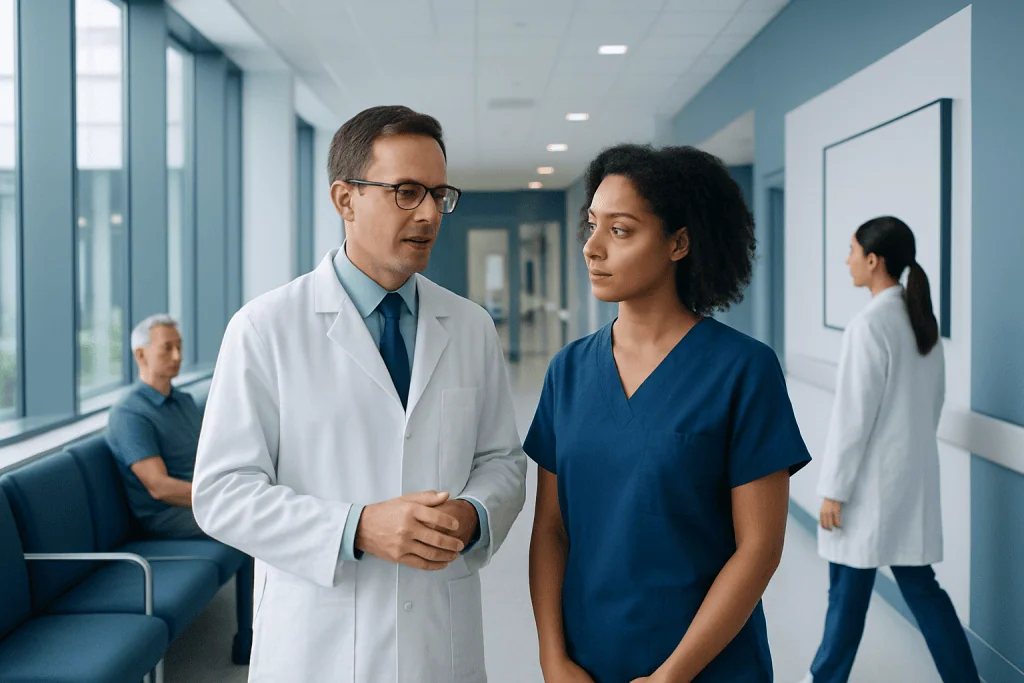
Radiation oncologists are physicians who specialize in using radiation therapy safely and effectively. Training commonly includes university education, medical school, residency and board certification requirements.
Key Takeaways
- Radiation oncologists are physicians who specialize in using radiation therapy safely and effectively.
- Training commonly includes university education, medical school, residency and board certification requirements.
- A radiation oncologist designs treatment plans, monitors side effects and coordinates care with the wider cancer team.
- Radiation treatment is carefully planned and is usually painless during each treatment session.
- Patients should ask about treatment goals, expected benefits, possible side effects and practical support before starting radiation therapy.
Radiation oncologist schooling is a long, structured medical pathway that prepares doctors to plan and oversee radiation treatment for cancer and some noncancerous conditions. The specialist works closely with medical oncologists, surgeons, physicists, dosimetrists and radiation therapists to provide individualized care.
Overview: What Is a Radiation Oncologist?
A radiation oncologist is a medical doctor who specializes in treating cancer with radiation therapy. Radiation uses precisely planned high-energy beams or radioactive sources to damage cancer cells so they can no longer grow and divide. It may be used to cure cancer, reduce the chance of recurrence after surgery, control cancer growth or relieve symptoms such as pain or bleeding.
Radiation oncologist schooling equips these specialists to understand cancer biology, medical imaging, anatomy, radiation physics and the effects of treatment on healthy tissues. Their role extends beyond prescribing radiation: they assess whether it is appropriate, develop a personalized plan, explain benefits and risks, monitor treatment and help manage side effects.
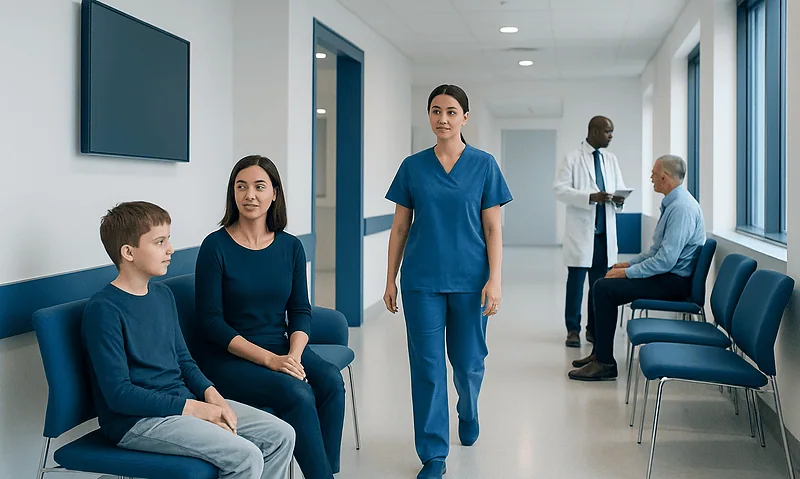
Radiation oncology is a team-based field. A radiation oncologist collaborates with radiation therapists who deliver treatment, medical physicists who check technical accuracy, dosimetrists who help create treatment plans, nurses and other cancer specialists. For many people, radiation is one part of a broader treatment plan that may also include surgery, systemic therapy or supportive care.
How Many Years of School Does It Take to Be a Radiation Oncologist?
Radiation oncologist schooling generally takes about 13 to 15 years after completing secondary school, although the exact route differs by country. The journey normally starts with an undergraduate degree or pre-medical education, followed by medical school. After qualifying as a doctor, the physician completes supervised specialty training in radiation oncology.
In the United States, a typical pathway includes four years of university education, four years of medical school and five years of residency training in radiation oncology. Residency includes clinical work with patients, training in treatment planning and imaging, and education in radiation biology and physics. Some doctors complete additional fellowship training in a focused area, such as pediatric cancers, brain tumors or brachytherapy.
In other healthcare systems, medical school may begin directly after secondary education and take five or six years, followed by foundation or internship training and several years of specialist training. Radiation oncologists must also meet licensing and, where applicable, board-certification requirements. Learning continues throughout practice as treatment techniques, imaging and evidence-based cancer care evolve.
How Radiation Therapy Works and Who May Be a Candidate
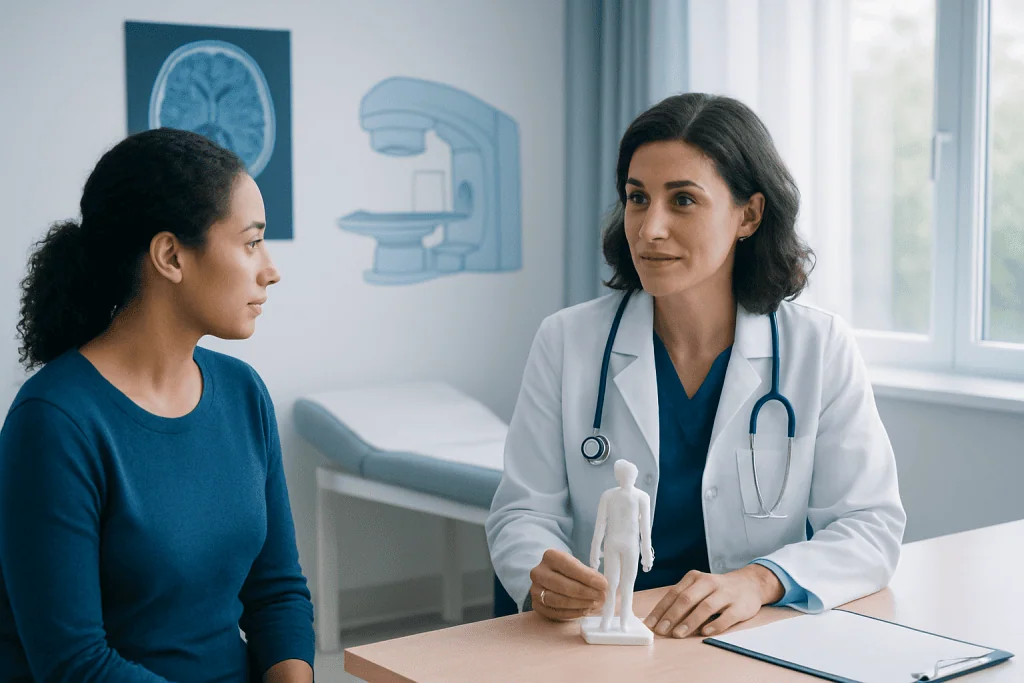
Radiation therapy works by damaging the genetic material inside cells. Cancer cells often have a reduced ability to repair this damage compared with healthy cells. Treatment is carefully shaped and delivered to target the tumor while limiting dose to nearby organs. Depending on the diagnosis, radiation may be given from a machine outside the body, called external-beam radiation therapy, or from a source placed in or near the tumor, called brachytherapy.
Candidacy depends on the cancer type, location, stage, tumor size, previous treatments, general health and the person’s preferences. Radiation may be recommended before surgery to shrink a tumor, after surgery to address remaining microscopic cancer cells, alongside certain medicines, or as the main treatment when surgery is not suitable. It can also be used for some benign conditions in carefully selected circumstances.
Before recommending treatment, the radiation oncologist reviews pathology results, scans, medical history and relevant laboratory findings. The specialist also considers the expected treatment goal. For example, curative treatment is planned differently from radiation intended to ease symptoms. A discussion with the multidisciplinary cancer team helps ensure that treatment choices are coordinated and appropriate.
Modern radiation therapy can use highly conformal planning techniques to match the radiation dose closely to the treatment area. Even so, every treatment has potential trade-offs, and the care team should explain these clearly before treatment begins.
What Happens Before and During Radiation Treatment?
Radiation treatment begins with a consultation. The radiation oncologist asks about symptoms, previous treatments and medical conditions, performs an examination when needed, and discusses whether radiation may help. Patients are encouraged to bring questions, a medication list and a trusted family member or friend if they wish.
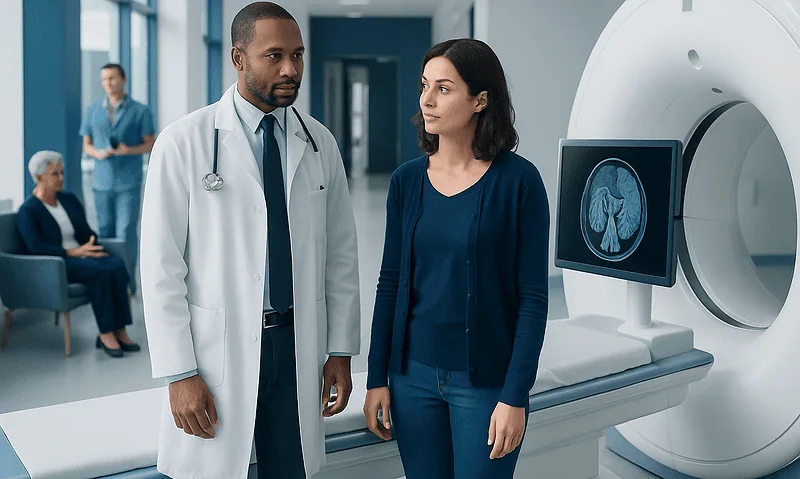
If treatment is advised, the next step is simulation, which is a planning appointment rather than a treatment session. The team usually performs a CT scan in the position used for treatment and may use other imaging to define the tumor and nearby healthy structures. Customized supports, masks or cushions may be made to help the person stay still and reproduce the same position each day.
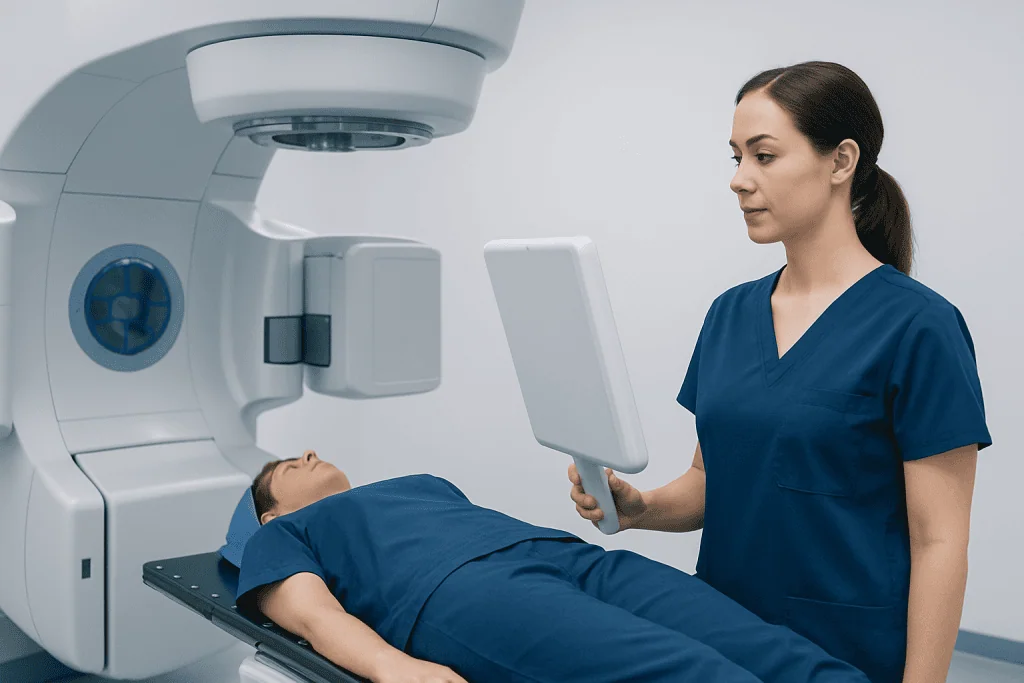
The radiation oncologist, dosimetrist and medical physicist then develop and verify a detailed plan. This process may take days to a few weeks depending on the complexity of care. During external-beam treatment, the patient lies on a treatment table while the machine moves around them. The procedure itself is painless, and the team watches and communicates from outside the room.
Treatment schedules vary widely. Some courses involve one or a few sessions, while others are delivered on weekdays over several weeks. The doctor reviews the patient regularly to assess response, answer questions and address side effects. Treatment may be coordinated with cancer treatment from surgical and medical oncology teams where appropriate.
Benefits, Risks and Recovery Timeline
The potential benefit of radiation therapy is targeted cancer control. Depending on the situation, it can destroy a tumor, reduce recurrence risk, preserve an organ, improve symptoms or support other therapies. Newer planning and image-guidance methods can improve precision, but no technique removes all risk to nearby normal tissue.
Side effects depend mainly on the body area treated, total dose, treatment schedule and whether other treatments are given at the same time. Common short-term effects may include tiredness, skin irritation in the treatment area, hair loss limited to the treated region, and inflammation of nearby tissues. For example, treatment to the abdomen may affect digestion, while treatment to the head and neck may affect the mouth or throat.
Some effects begin during treatment and improve over the following weeks after it ends. Fatigue can last longer for some people. Late effects are less common but can occur months or years later, depending on the treatment site, and may include tissue stiffness, hormonal changes, nerve effects or changes in organ function. The radiation oncologist discusses the risks most relevant to the individual plan before consent is given.
Recovery is not a single timeline because each cancer and treatment plan differs. Maintaining hydration, nutrition, gentle activity as tolerated and regular communication with the care team can support recovery. Follow-up appointments are important to monitor healing, manage lasting effects and assess treatment response.
What I Wish I Knew Before Radiation?
People often find it helpful to know that radiation treatment is usually highly organized, but the planning phase can feel longer than the daily treatment sessions. Much of the time is spent designing and checking a plan that balances tumor control with protection of normal tissues. Asking the team to explain the overall timeline can make the process easier to anticipate.
It is also useful to understand that side effects are specific to the treatment area and may develop gradually. Patients do not need to wait for symptoms to become severe before mentioning them. Early reporting allows the care team to suggest skin care, nutrition support, pain control, symptom-relief medicines or other practical measures.
Practical preparation matters. Patients may need help with transport, work schedules, childcare or meal planning during a multiweek course. They can ask whether they need special skin-care instructions, dietary adjustments, dental assessment, fertility counseling or rehabilitation support before treatment starts.
Clear communication helps people feel informed rather than overwhelmed. Questions about the purpose of treatment, alternatives, likely benefits, short- and long-term effects, and follow-up plans are appropriate at any point. A written list of questions and notes from visits can be especially useful.
What Do Oncologists Not Tell You?
Most oncology teams aim to explain the information needed for informed decisions, but appointments can involve a great deal of unfamiliar detail. Patients may not immediately realize that they can ask for explanations in simpler language, request written information, seek a second opinion or bring a support person to appointments. These are normal parts of patient-centered care.
Some practical and emotional aspects may need to be raised directly. For example, people can ask how treatment may affect energy, work, sleep, intimacy, fertility, appearance, nutrition, mood or caregiving responsibilities. The best answer depends on the treatment site and the individual’s circumstances, so personalized discussion is essential.
It can also help to ask how the team will measure whether treatment is working. Scans, blood tests and symptom changes may not occur on the same schedule, and radiation effects can continue after the final session. The clinician can clarify what follow-up tests are planned and what symptoms should prompt an earlier call.
Open discussion does not mean that a patient must make decisions alone. Oncology nurses, social workers, dietitians, psychologists, rehabilitation professionals and palliative-care teams can provide support alongside cancer-directed treatment when needed.
Is Being a Radiation Oncologist Hard? When to Seek Medical Care
Being a radiation oncologist is demanding because it requires years of medical education, technical training and careful decision-making. Specialists must combine knowledge of cancer medicine with radiation physics and anatomy, interpret evidence, communicate complex choices clearly and work closely with a multidisciplinary team. The work can also be meaningful because it involves long-term patient relationships and advances in precision treatment.
For patients, it is important to contact the treatment team promptly for new or worsening symptoms during radiation. Urgent advice is appropriate for severe pain, fever, difficulty breathing, inability to drink fluids, persistent vomiting, confusion, sudden weakness, heavy bleeding, severe diarrhea, or a rapidly worsening skin reaction. The care team can advise whether same-day assessment or emergency care is needed.
People with a new lump, unexplained bleeding, persistent pain, lasting change in bowel or bladder habits, unexplained weight loss or a symptom that does not improve should arrange medical assessment. These symptoms have many possible causes, but early evaluation helps identify the right next step.
Acibadem International’s multidisciplinary specialists and JCI-accredited hospitals diagnose and treat cancer for international patients, including those who may need coordinated radiation oncology care. A qualified doctor can review individual circumstances and explain appropriate options.
Frequently asked questions
What does a radiation oncologist do?
A radiation oncologist is a physician who evaluates whether radiation therapy may help and creates the medical prescription for treatment. The specialist works with physicists, dosimetrists, therapists and other cancer clinicians to plan treatment, monitor side effects and arrange follow-up care.
How many years of school does it take to be a radiation oncologist?
In many countries, the pathway takes approximately 13 to 15 years after secondary school. It usually includes university or pre-medical education, medical school, internship or foundation training, and a radiation oncology residency or specialist training program.
Is radiation treatment painful?
External-beam radiation treatment is generally painless while it is being delivered. Some people develop side effects over time, such as skin soreness or fatigue, depending on the area treated; the care team can help manage these symptoms.
Can a radiation oncologist give chemotherapy?
Radiation oncologists primarily specialize in radiation therapy. Chemotherapy and other systemic treatments are usually directed by a medical oncologist, although the specialists work together closely when treatments need to be coordinated.
What should patients ask before starting radiation therapy?
Helpful questions include the goal of treatment, the expected schedule, potential benefits, likely short- and long-term side effects, alternatives and follow-up plans. Patients may also ask about practical support, nutrition, fertility, work and travel during treatment.
Is being a radiation oncologist hard?
Yes. The specialty requires extensive medical training and a detailed understanding of cancer, anatomy, imaging and radiation safety. It also requires strong communication skills because specialists help patients make complex treatment decisions.
References
- American Society for Radiation Oncology
- National Cancer Institute
- American Board of Radiology
- World Health Organization
- European Society for Radiotherapy and Oncology
This article is for general information only and is not a substitute for professional medical advice. Please consult a qualified doctor about your individual situation.
Oncology care in Turkey — second opinion and treatment plan
JCI-accredited · board-certified surgeons · reply within 24h
Add us as a Preferred Source to see more of our trusted health content across Google Search, AI Overviews and Discover.