Ligament of Treitz: What Patients Need to Know
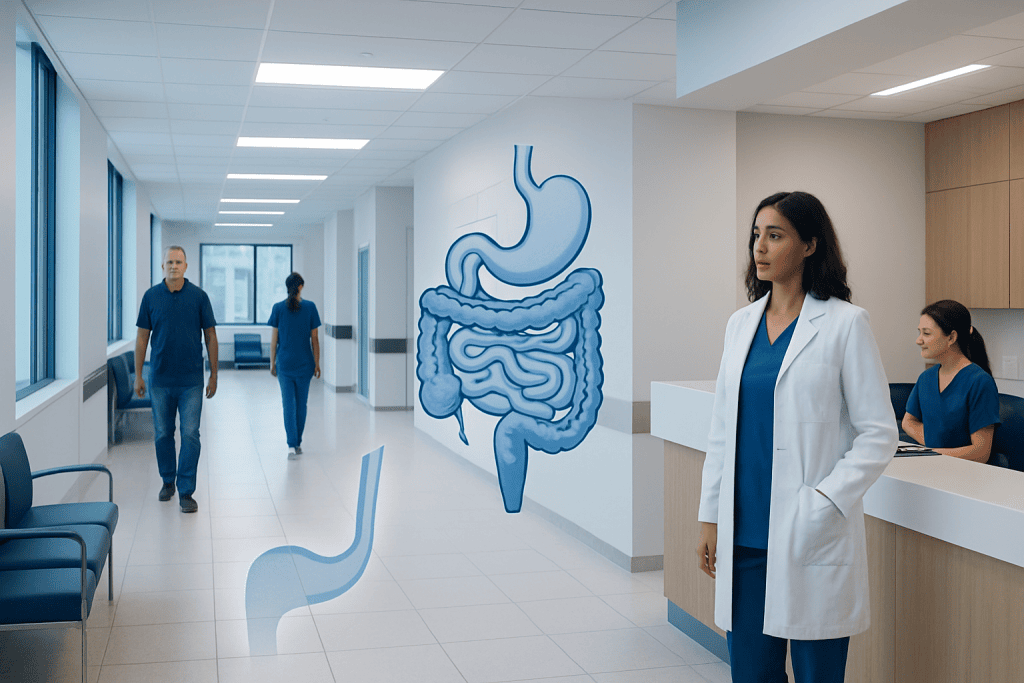
The ligament of Treitz supports the junction between the duodenum and jejunum. It is an anatomical landmark doctors use to describe the upper and lower digestive tract.
Key Takeaways
- The ligament of Treitz supports the junction between the duodenum and jejunum.
- It is an anatomical landmark doctors use to describe the upper and lower digestive tract.
- The ligament itself usually does not cause symptoms, but nearby problems can.
- Imaging tests are often used when doctors suspect malrotation or bowel obstruction.
- Urgent care is needed for severe abdominal pain, vomiting, swelling, or signs of bleeding.
The ligament of Treitz is a band of muscle and connective tissue near the junction between the duodenum and jejunum. Although most people never notice it, this structure is important in digestive anatomy and can help doctors evaluate conditions such as malrotation, obstruction, bleeding, and abdominal pain.
Overview: what the ligament of Treitz is
The ligament of Treitz is a small band of muscle and connective tissue that helps suspend the beginning of the small intestine. It sits where the last part of the duodenum meets the jejunum, an area called the duodenojejunal junction. In everyday life, most people are not aware of it, but in medicine it is a very useful landmark.
Doctors often refer to the ligament of Treitz when describing the location of symptoms, bleeding, or disease in the digestive tract. For example, bleeding above this point is generally considered upper gastrointestinal bleeding, while bleeding below it is classified differently. This helps guide testing and treatment decisions.
The ligament is sometimes called the suspensory muscle of the duodenum. It is attached near the diaphragm and helps maintain the angle and position of the small bowel. Its exact structure can vary from person to person, which is normal.
Why it matters in digestive health
The ligament of Treitz is not simply a name from anatomy textbooks. It helps clinicians orient themselves when looking at imaging scans, endoscopy findings, or surgical anatomy. Because it marks the transition from one part of the intestine to another, it plays an important role in describing where a problem is located.
This area can be especially important in people with suspected bowel obstruction, unusual abdominal pain, or congenital conditions that affect the position of the intestines. In infants and children, doctors may evaluate the position of the duodenojejunal junction when considering intestinal malrotation. In adults, the same region can matter in cases of twisting, compression, internal hernia, or scar-related narrowing.
The ligament of Treitz also helps explain certain digestive symptoms. If food, fluid, or gas cannot move smoothly through the upper small intestine, a person may develop bloating, nausea, vomiting, or cramping. These symptoms are not caused by the ligament alone, but the ligament’s location makes it relevant when doctors investigate the source.
Symptoms and related conditions
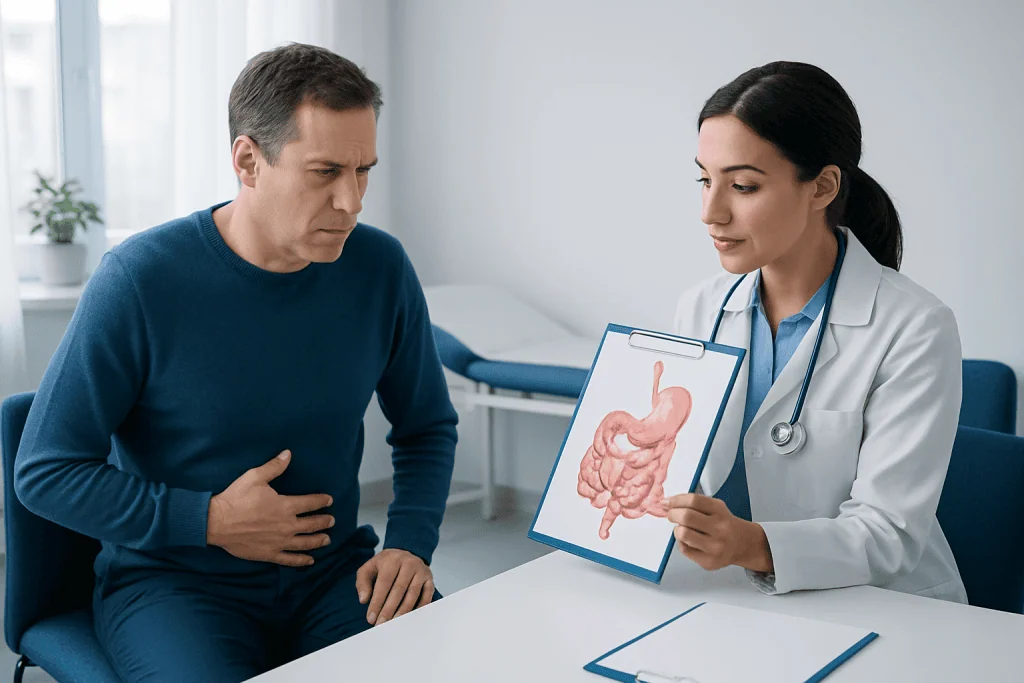
The ligament of Treitz itself usually does not produce symptoms. Instead, symptoms appear when a nearby part of the intestine is blocked, abnormally positioned, inflamed, compressed, or affected by another disorder. This distinction is important because a person is not usually diagnosed with a “ligament of Treitz disease” but with an underlying gastrointestinal condition.
Symptoms that can be associated with problems near this area include:
- Upper abdominal pain or cramping
- Nausea and vomiting, sometimes persistent
- Abdominal bloating or distension
- Feeling full quickly after eating
- Constipation or inability to pass gas in obstructive conditions
- Signs of digestive bleeding such as black stools or vomiting blood
Several conditions may involve this region. These include congenital intestinal malrotation, compression syndromes, postoperative adhesions, internal hernias, and some forms of small bowel obstruction. In a few cases, doctors may also evaluate this area when investigating unexplained gastrointestinal bleeding or symptoms related to Crohn's disease affecting the upper small intestine.
Because the symptoms are not specific, medical assessment is often needed. Many common digestive illnesses can cause similar complaints, including ulcers, gallbladder disease, gastroenteritis, or reflux. A careful history, physical examination, and appropriate tests help narrow the cause.
Causes and risk factors for problems near the ligament of Treitz
Some problems near the ligament of Treitz are present from birth, while others develop later in life. One important congenital condition is intestinal malrotation, in which the intestines do not settle into their usual position during fetal development. This can make twisting of the bowel more likely and may require urgent treatment.
Acquired causes are more common in adults. Prior abdominal surgery can lead to adhesions, which are bands of scar tissue that may pull on or narrow the intestine. Hernias, inflammatory bowel disease, tumors, trauma, and severe inflammation may also affect the duodenojejunal area.
In some people, nearby blood vessels or anatomical variations can compress part of the duodenum and disrupt normal passage of food. Rapid weight loss, changes in abdominal anatomy, or conditions that alter internal support structures may contribute in selected cases. However, these situations are less common than more routine causes of abdominal symptoms.
Risk factors depend on the underlying condition rather than the ligament itself. A history of abdominal operations, known congenital digestive abnormalities, inflammatory bowel disease, or repeated episodes of unexplained vomiting may raise suspicion and prompt closer investigation.
How doctors diagnose problems in this area
Diagnosis begins with the symptoms, timing, and physical examination findings. A doctor may ask about vomiting, changes in bowel habits, previous surgery, weight loss, bleeding, or whether symptoms come and go. This information helps determine whether the issue may involve obstruction, inflammation, bleeding, or another digestive disorder.
Imaging tests are often central to evaluation. Abdominal X-rays can sometimes show signs of blockage, but more detailed studies are frequently needed. A CT scan can help identify obstruction, abnormal bowel position, inflammation, or complications. In some patients, contrast studies of the upper gastrointestinal tract are used to assess the position of the duodenojejunal junction and detect malrotation.
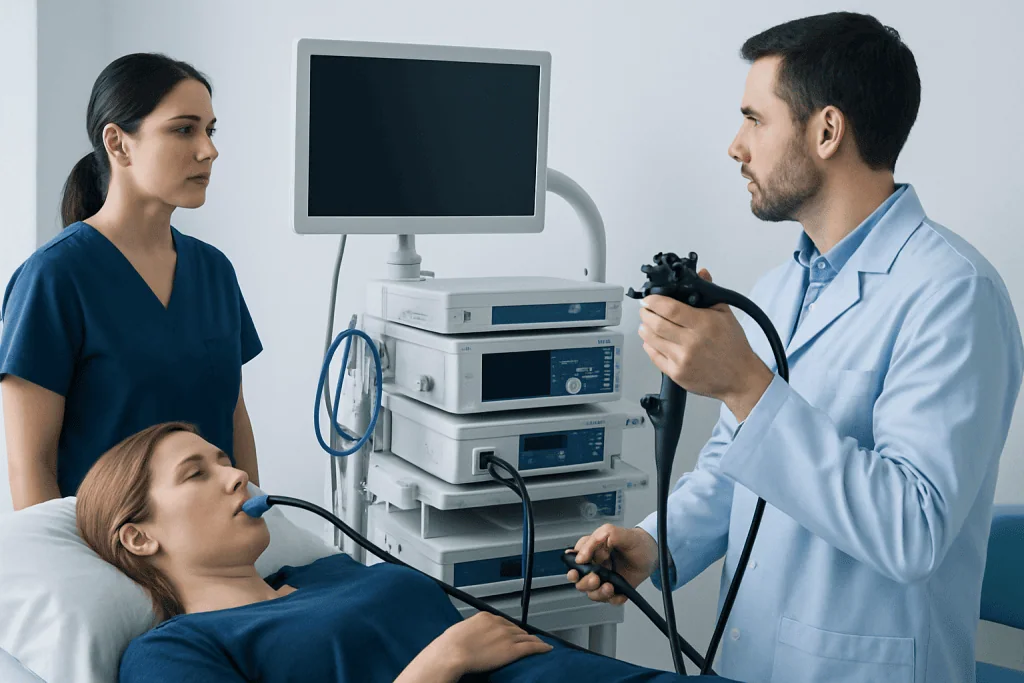
Endoscopy may also be helpful when symptoms suggest upper digestive tract disease or bleeding. During procedures such as endoscopy, doctors can examine the esophagus, stomach, and duodenum directly. Depending on the case, blood tests may be used to check for anemia, infection, dehydration, or inflammation.
When bowel motility or structural narrowing is suspected, specialists may combine imaging, endoscopy, and surgical consultation. The exact approach depends on age, severity of symptoms, and how urgently a diagnosis is needed.
Treatment options
Treatment depends entirely on the cause. If symptoms are due to dehydration from vomiting or inability to tolerate food, initial care may include fluids, rest for the bowel, and close monitoring. Doctors then focus on treating the underlying problem rather than the ligament itself.
Obstruction or malrotation may need urgent intervention. Some patients improve with supportive care, but others require surgery, especially if there is concern about twisting of the bowel, reduced blood flow, or a complete blockage. If doctors identify a structural problem, they may recommend gastrointestinal surgery to relieve obstruction or correct the anatomy.
For inflammatory conditions, treatment may involve medication, nutrition support, and follow-up with a gastroenterology team. If symptoms are linked to a disease such as ulcerative colitis or another intestinal disorder, treatment is tailored to that diagnosis. In selected situations, detailed imaging such as MRI may help clarify anatomy without using radiation.
People with digestive bleeding may need urgent evaluation, monitoring, and targeted treatment based on the source. Because causes vary widely, self-treatment is not enough when symptoms are severe, persistent, or recurrent.
Prevention, self-care, and when to seek medical care
There is no direct way to prevent problems of the ligament of Treitz itself, because it is a normal anatomical structure. Prevention focuses on overall digestive health and early attention to concerning symptoms. Following postoperative instructions after abdominal surgery, managing chronic bowel disease, staying hydrated, and seeking care for repeated vomiting or unexplained abdominal pain can all be helpful.
At home, mild digestive upset may improve with rest, clear fluids, and a gradual return to eating if symptoms are brief and there are no warning signs. However, a person should not ignore persistent vomiting, severe abdominal swelling, inability to pass stool or gas, black stools, blood in vomit, fever, or sudden intense pain. These symptoms can point to obstruction, bleeding, or another urgent condition.
Medical care should be sought promptly if symptoms are worsening, recurring, or interfering with eating and hydration. Babies and children with green vomiting, marked abdominal swelling, unusual sleepiness, or feeding difficulties need urgent assessment. In adults, rapid evaluation is also important after recent abdominal surgery or in anyone with severe pain and repeated vomiting.
For patients who need specialized digestive assessment, Acibadem International’s multidisciplinary specialists and JCI-accredited hospitals diagnose and treat gastrointestinal conditions for international patients. A qualified doctor can decide whether symptoms relate to the area around the ligament of Treitz or to another digestive cause.
Frequently asked questions
What does the ligament of Treitz do?
The ligament of Treitz helps support the junction between the duodenum and jejunum, which is the beginning of the small intestine beyond the duodenum. It also serves as an important anatomical landmark for doctors when describing digestive bleeding, imaging findings, and surgical anatomy.
Can the ligament of Treitz cause pain?
The ligament itself usually does not cause pain on its own. Pain is more often related to a nearby problem such as bowel obstruction, inflammation, abnormal intestinal position, or another digestive disorder involving the same area.
Is the ligament of Treitz important in bowel obstruction?
Yes. Its location near the duodenojejunal junction makes it relevant when doctors assess possible upper small bowel obstruction. Imaging studies often use this region to determine where the blockage may be and whether the bowel is positioned normally.
How is a problem near the ligament of Treitz diagnosed?
Doctors usually combine a medical history, physical examination, and imaging tests such as CT or contrast studies. If bleeding or upper digestive symptoms are present, endoscopy may also be recommended to look directly at the area.
Is surgery always needed?
No. Treatment depends on the cause of symptoms. Some conditions improve with fluids, observation, and medical treatment, while others, especially complete obstruction or intestinal twisting, may need urgent surgery.
When should someone seek urgent care?
Urgent medical care is needed for severe or sudden abdominal pain, repeated vomiting, abdominal swelling, inability to pass gas or stool, black stools, or blood in vomit. In infants and children, green vomiting or marked bloating should be assessed right away.
References
- National Institute of Diabetes and Digestive and Kidney Diseases
- American College of Gastroenterology
- National Library of Medicine
- Merck Manual Consumer Version
This article is for general information only and is not a substitute for professional medical advice. Please consult a qualified doctor about your individual situation.
Persistent digestive symptoms? Get evaluated in Turkey
JCI-accredited · board-certified surgeons · reply within 24h

More from the Health Library



Related Specialists

Embriyolog Sadık Doğan
Vitro Fertilization and Reproductive Medicine Center
Prof. Dr. Ahmet Ayık
Emergency Service
Assoc. Prof. Dr. Özden Sıla Ulus Buturak
Breast Clinic Clinical Service
Dr. Nebahat Bilici
Neurology