

Menopause Symptoms: Hormone Therapy and Non-Hormonal Options

Menopause is a natural life stage, but symptoms can affect sleep, comfort, mood, sexual health, and daily quality of life. Menopausal hormone therapy is the most effective treatment for hot flashes and night sweats for many eligible women, but it is not suitable for everyone.
Key Takeaways
- Menopause is a natural life stage, but symptoms can affect sleep, comfort, mood, sexual health, and daily quality of life.
- Menopausal hormone therapy is the most effective treatment for hot flashes and night sweats for many eligible women, but it is not suitable for everyone.
- Non-hormonal options include certain prescription medicines, vaginal moisturizers and lubricants, pelvic floor care, and lifestyle strategies.
- Local vaginal estrogen or other local therapies may help genitourinary symptoms with lower whole-body hormone exposure than systemic therapy.
- A doctor can help balance benefits and risks based on age, time since menopause, medical history, and personal goals.
Menopause symptoms vary widely, but effective treatment options are available for hot flashes, sleep changes, mood symptoms, and vaginal or urinary discomfort. Care is most helpful when it is individualized according to symptoms, health history, personal preferences, and risk factors.
Overview
Menopause is the point in life when menstrual periods have stopped for 12 consecutive months and pregnancy is no longer possible naturally. It usually occurs as the ovaries produce lower levels of estrogen and progesterone. The years leading up to menopause are called perimenopause, when hormone levels can fluctuate and symptoms may come and go.
Menopause symptoms are not the same for everyone. Some women have mild changes, while others experience symptoms that interfere with work, sleep, relationships, or emotional well-being. Common concerns include hot flashes, night sweats, sleep disturbance, mood changes, vaginal dryness, discomfort during sex, and urinary symptoms.
Treatment is not required for every woman, but support is available when symptoms affect quality of life. Options include menopausal hormone therapy, non-hormonal prescription medicines, local vaginal treatments, and lifestyle measures. The best plan depends on a person’s symptoms, age, time since menopause, medical history, and preferences.
Common Menopause Symptoms
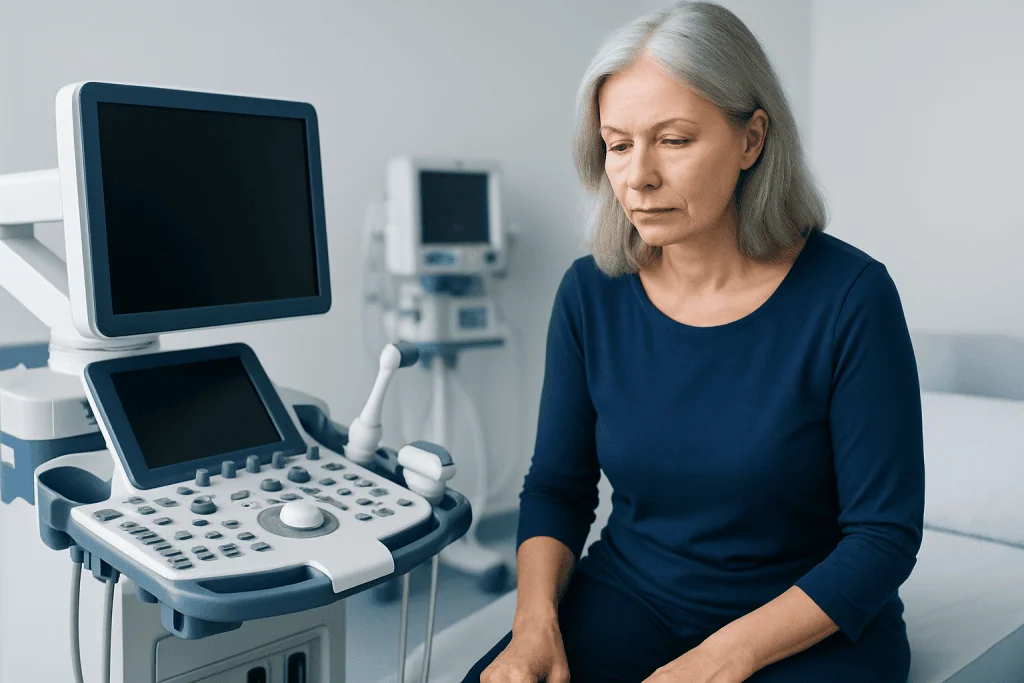
Vasomotor symptoms are among the most recognized menopause symptoms. These include hot flashes, sudden warmth in the face or upper body, flushing, sweating, and night sweats that may interrupt sleep. Poor sleep can then contribute to fatigue, reduced concentration, irritability, or low mood.
Changes in the vagina and urinary tract are also common after estrogen levels decline. This group of symptoms is often called genitourinary syndrome of menopause. It may include vaginal dryness, burning, itching, pain during sex, reduced lubrication, urinary urgency, frequent urination, or recurrent urinary tract infections.
Other possible symptoms include joint aches, headaches, changes in skin or hair, weight distribution changes, and reduced sexual desire. Some women notice mood swings or anxiety during perimenopause, especially if sleep is disrupted or if they have a previous history of mood symptoms. Because many of these symptoms can also have other causes, medical assessment is helpful when symptoms are new, severe, or persistent.
Hormone Therapy for Menopause

Menopausal hormone therapy, sometimes called hormone replacement therapy, uses estrogen with or without a progestogen to relieve symptoms related to declining hormone levels. For many eligible women, systemic hormone therapy is the most effective treatment for hot flashes and night sweats. It may also improve sleep when symptoms are driven by nighttime sweating.
Women who still have a uterus usually need a progestogen along with systemic estrogen to protect the uterine lining. Women who have had a hysterectomy may be prescribed estrogen alone, depending on their medical history. Hormone therapy can be delivered in different forms, such as tablets, skin patches, gels, sprays, or other preparations; the choice depends on symptoms, convenience, and safety considerations.
Hormone therapy is not appropriate for everyone. It may not be recommended for women with certain histories, such as breast cancer, unexplained vaginal bleeding, blood clots, stroke, heart attack, or active liver disease. A doctor will usually review personal and family history, blood pressure, medications, and individual risk factors before recommending treatment.
For many women, the balance of benefits and risks is most favorable when treatment is started before age 60 or within 10 years of menopause, but decisions should always be individualized. The aim is typically to use the most appropriate treatment at the lowest effective dose for the needed duration, with regular follow-up to reassess symptoms and safety.
Local Vaginal and Sexual Health Treatments
Vaginal and urinary symptoms often respond best to local treatment rather than whole-body therapy. Vaginal moisturizers can be used regularly to improve dryness, while lubricants can reduce friction and discomfort during sexual activity. These products are non-hormonal and may be a good first step for mild symptoms.
When symptoms are moderate or persistent, a doctor may recommend low-dose vaginal estrogen. It is available in several forms, such as creams, tablets, rings, or inserts. Because it is used locally, blood levels of estrogen are generally much lower than with systemic hormone therapy, but a clinician should still review whether it is appropriate for the individual.
Other prescription options may be considered for painful sex or vaginal discomfort related to menopause, depending on availability and personal health history. Pelvic floor physical therapy may help when urinary urgency, pelvic discomfort, or pain with intercourse is partly related to pelvic floor muscle tension or weakness. Open communication with a clinician is important, as these symptoms are common and treatable.
Non-Hormonal Menopause Treatment Options
Non-hormonal treatments are important for women who cannot use hormone therapy, prefer to avoid it, or have symptoms that can be managed another way. Certain prescription medicines can reduce hot flashes and night sweats. These may include selected antidepressants, specific nerve-pain medicines, blood pressure medicines, or newer medicines that act on temperature regulation pathways in the brain. The right choice depends on other health conditions, possible side effects, and current medications.
Non-hormonal treatment can also address sleep, mood, and sexual health. Cognitive behavioral therapy may help some women manage sleep disruption, stress, and the distress caused by hot flashes. If anxiety or depression is present, a mental health professional or physician can assess whether counseling, medication, or combined care is appropriate.
Some women consider herbal products or dietary supplements for menopause symptoms. It is important to discuss these with a doctor or pharmacist because supplements can interact with medicines and may not be suitable for everyone. Product quality and strength can vary, and “natural” does not always mean risk-free.
Non-hormonal care often works best as a combination approach. For example, a woman with night sweats may benefit from a prescription non-hormonal medicine, sleep routine changes, and room-cooling strategies. A woman with vaginal dryness may combine moisturizers, lubricants, and pelvic floor support if needed.
Lifestyle, Prevention, and Self-Care
Healthy lifestyle measures cannot stop menopause, but they can support comfort, energy, bone health, heart health, and emotional well-being. Regular physical activity, including both aerobic exercise and strength training, can help maintain muscle, support weight management, and improve sleep quality. Weight-bearing exercise and adequate calcium and vitamin D intake are also important for bone health.
Some women can reduce hot flashes by identifying personal triggers. Common triggers may include alcohol, spicy foods, hot drinks, warm environments, stress, or lack of sleep. Keeping a symptom diary for a few weeks can help identify patterns and guide practical changes.
- Dress in layers and choose breathable fabrics.
- Keep the bedroom cool and consider moisture-wicking sleepwear.
- Limit smoking and avoid secondhand smoke, as smoking can worsen health risks.
- Practice relaxation techniques such as paced breathing, mindfulness, or gentle yoga.
- Maintain regular preventive care, including blood pressure checks, cervical screening, breast screening, and bone health assessment when recommended.
Nutrition also matters during and after menopause. A balanced diet with vegetables, fruits, whole grains, lean protein, healthy fats, and enough fiber supports cardiovascular and metabolic health. If weight changes occur, gradual and sustainable habits are safer and more effective than restrictive diets.
Diagnosis and Choosing the Right Treatment Plan
Menopause is often diagnosed based on age, menstrual history, and symptoms. Blood tests are not always necessary, especially in women at the typical age for menopause with classic symptoms. However, testing may be considered if symptoms occur unusually early, if periods stop before the expected age, or if there are concerns about thyroid disease, anemia, pregnancy, or other medical conditions.
A treatment discussion should include the symptoms that are most bothersome, their severity, and how they affect daily life. The clinician may ask about menstrual patterns, abnormal bleeding, migraines, blood clots, cancer history, heart disease, liver disease, medications, smoking, and family history. This helps determine whether systemic hormone therapy, local therapy, non-hormonal medication, or self-care measures are most suitable.
Follow-up is an important part of care. Symptoms may change over time, and treatment may need adjustment. Women using hormone therapy should have regular reviews to confirm that benefits continue to outweigh risks, while women using non-hormonal treatments may need monitoring for side effects or medication interactions.
When to See a Doctor
A woman should speak with a doctor if menopause symptoms are affecting sleep, mood, sexual comfort, work, or daily activities. Medical guidance is especially important before starting hormone therapy, prescription non-hormonal medicines, or supplements. A clinician can help choose safe options and rule out other causes of symptoms.
Prompt medical assessment is recommended for any vaginal bleeding after menopause, bleeding between periods during perimenopause that is heavy or unusual, pelvic pain, unexplained weight loss, breast changes, chest pain, shortness of breath, severe headaches, or signs of a blood clot such as sudden leg swelling and pain. These symptoms do not always indicate a serious problem, but they should be evaluated.
International patients who need assessment or treatment for menopause symptoms may seek care from qualified gynecology, endocrinology, cardiology, and mental health professionals. Acibadem International provides multidisciplinary evaluation and treatment in JCI-accredited hospitals for patients traveling from abroad, with care plans tailored to medical history and individual needs.
Frequently asked questions
What is the most effective treatment for hot flashes?
For many eligible women, systemic menopausal hormone therapy is the most effective treatment for hot flashes and night sweats. However, it is not suitable for everyone. A doctor can review health history and discuss both hormone and non-hormonal options.
Can menopause symptoms be treated without hormones?
Yes. Non-hormonal prescription medicines, cognitive behavioral therapy, sleep strategies, cooling measures, vaginal moisturizers, lubricants, and lifestyle changes may help. The best approach depends on which symptoms are most bothersome and whether there are medical reasons to avoid hormones.
Is vaginal estrogen the same as hormone therapy tablets or patches?
Low-dose vaginal estrogen is different from systemic hormone therapy because it is used locally to treat vaginal and urinary symptoms. It generally leads to much lower whole-body estrogen exposure. Even so, women should discuss their medical history with a clinician before using it.
How long do menopause symptoms last?
The duration varies widely. Some women have symptoms for a short time during perimenopause, while others experience hot flashes, sleep changes, or vaginal symptoms for several years. Genitourinary symptoms may persist or progress without treatment, so ongoing care can be helpful.
Are herbal supplements safe for menopause symptoms?
Some women use herbal or dietary supplements, but safety and effectiveness can vary. Supplements may interact with prescription medicines or be unsuitable for certain health conditions. It is best to ask a doctor or pharmacist before starting them.
When should bleeding after menopause be checked?
Any vaginal bleeding after menopause should be evaluated by a doctor. Many causes are treatable, but assessment is important to rule out conditions that need prompt care. Women should not assume postmenopausal bleeding is a normal menopause symptom.
References
- The North American Menopause Society
- American College of Obstetricians and Gynecologists
- National Institute for Health and Care Excellence
- World Health Organization
- Endocrine Society
This article is for general information only and is not a substitute for professional medical advice. Please consult a qualified doctor about your individual situation.
Hormone Therapy in Turkey — costs, top hospitals & a free quote
JCI-accredited · board-certified surgeons · reply within 24h
Check your numbers in seconds
BMI, calories, due date, blood pressure and 30+ more clinical calculators — free, instant, doctor-reviewed ranges.

More from the Health Library



Related Specialists

Assoc. Prof. Dr. Onur Dülgeroğlu
General Surgery
Dt. Oğuzhan Hakan Özdemir
Oral & Dental Health
Prof. Dr. Dilaver Erşanlı
Ophthalmology
Dr. Nima Babavand Arablou
Emergency Service