Mouth Sores From Chemo: How It Works, Results and What to Expect
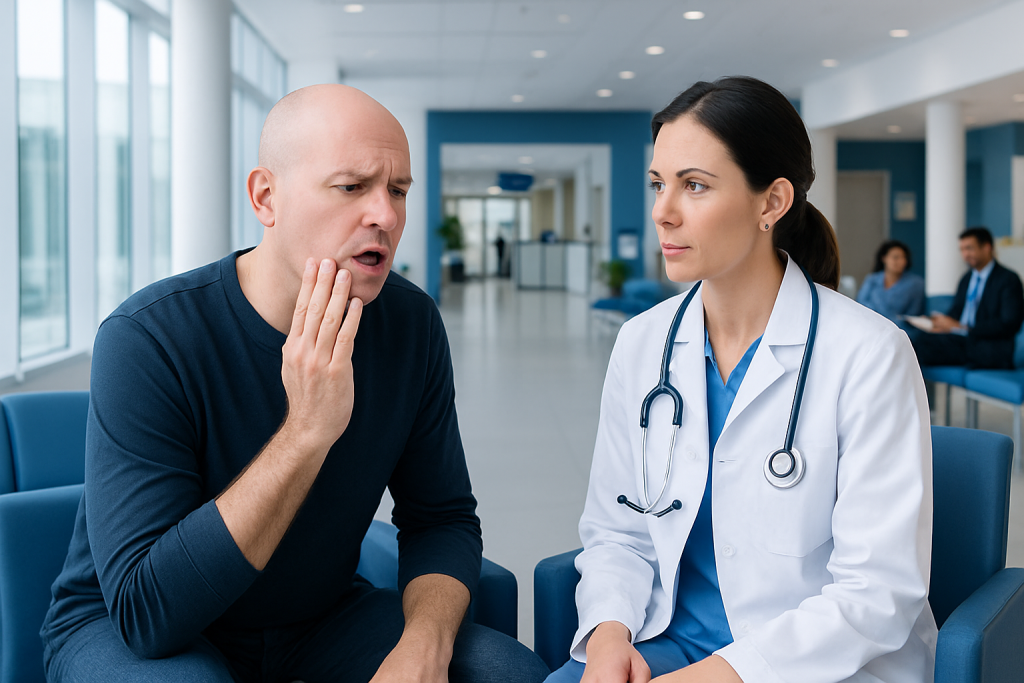
Chemotherapy-related mouth sores are caused by inflammation and injury to the mouth lining, not poor hygiene. They commonly appear about 1–2 weeks after chemotherapy begins and often improve as blood counts and mouth tissues recover.
Key Takeaways
- Chemotherapy-related mouth sores are caused by inflammation and injury to the mouth lining, not poor hygiene.
- They commonly appear about 1–2 weeks after chemotherapy begins and often improve as blood counts and mouth tissues recover.
- Gentle oral care, frequent fluids, soft foods and prescribed pain relief can support comfort and nutrition.
- Fever, inability to drink, bleeding, severe pain or rapidly worsening sores need prompt contact with the oncology team.
- Not everyone receiving chemotherapy develops mouth sores; risk depends on the medicines, dose, cancer type and individual health factors.
Mouth sores from chemo, also called oral mucositis, develop when chemotherapy temporarily damages fast-growing cells lining the mouth. They can make eating, drinking and speaking uncomfortable, but early mouth care, symptom control and communication with the cancer team can reduce their impact and help prevent complications.
Overview: what mouth sores from chemo are
Mouth sores from chemo are painful areas of redness, swelling or open ulcers in the mouth that can occur during cancer treatment. The medical term is oral mucositis. The condition may affect the lips, gums, tongue, cheeks, roof of the mouth and throat, causing burning, tenderness or pain with swallowing.
Chemotherapy targets rapidly dividing cancer cells, but it can also temporarily affect healthy, fast-renewing cells that form the protective lining of the mouth and digestive tract. As this lining becomes inflamed and fragile, sores can form. A lower white blood cell count may further increase the risk of infection while the mouth is healing.
Oral mucositis is treatable, and it is important to report symptoms early rather than trying to tolerate them. The oncology team can assess whether the sores are treatment-related or whether another issue, such as a fungal, viral or bacterial infection, is contributing.
How chemotherapy causes mouth sores and who may develop them
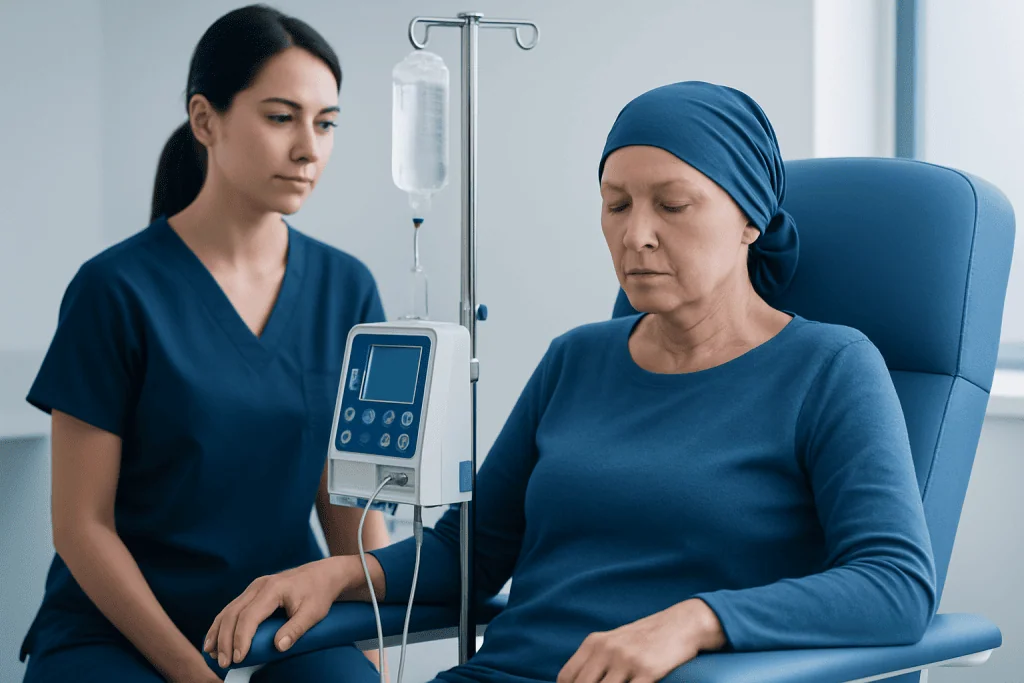
Chemotherapy can trigger a chain of inflammatory changes in the mouth lining. Cells become damaged, inflammation increases and the surface may break down into ulcers. Healing begins as the treatment effect lessens and healthy cells regrow, although recovery can take longer when chemotherapy cycles are close together or blood counts remain low.
Not everyone develops mouth sores from chemo. Risk varies according to the specific chemotherapy medicines, their intensity and schedule, whether radiation therapy involves the head or neck, and whether a person has already had mouth problems. Reduced saliva, poorly fitting dental appliances, smoking, alcohol use and inadequate nutrition may also make symptoms harder to manage.
Before treatment starts, a dental review may be recommended when time allows. Treating active dental disease and establishing a gentle daily mouth-care routine can lower avoidable irritation. The cancer team can advise whether preventive approaches are appropriate for the planned treatment.
What to expect: symptoms, timing and healing

Early symptoms may include a dry or tingling mouth, sensitivity to acidic or spicy foods, redness, swelling or a burning sensation. As mucositis progresses, white patches, shallow ulcers or more extensive painful areas may develop. Some people notice altered taste, thicker saliva, difficulty wearing dentures or pain when swallowing.
Symptoms often begin around 5 to 14 days after chemotherapy, but timing differs with the regimen. The pattern may recur with later treatment cycles. Keeping a brief record of symptom onset, foods or drinks that cause discomfort, fluid intake and temperature can help the clinical team tailor care.
How long does it take for mouth sores from chemo to heal? Many chemotherapy-related mouth sores improve within about 2 to 4 weeks after the triggering treatment or once blood counts recover. However, healing can take longer with intensive regimens, ongoing treatment, infection, poor nutrition or radiation to the head and neck. Persistent, worsening or recurrent sores should be reviewed by the oncology team.
How to get rid of chemo mouth sores
How to get rid of chemo mouth sores? There is no single remedy that immediately removes all sores, but a planned approach can reduce pain, support healing and protect nutrition. The most important step is to tell the cancer team early, especially before symptoms interfere with drinking, eating, sleep or taking medicines.
Care often starts with frequent, gentle mouth rinsing using plain water or a salt-and-baking-soda rinse recommended by the care team. A soft toothbrush, mild toothpaste and regular but gentle cleaning can limit bacteria without further irritating tissues. Alcohol-containing mouthwashes, hydrogen peroxide products and harsh commercial rinses may sting or delay healing, so they should only be used if specifically advised.
The clinician may recommend protective mouth rinses, topical treatments, pain-relieving medicines or medication for a confirmed infection. In certain chemotherapy settings, cooling the mouth with ice chips during infusion may be appropriate, but this should only be done when the oncology team recommends it for the particular medicine. Do not use over-the-counter gels, herbal products or numbing agents without checking first, as some may irritate damaged tissue or interact with care plans.
When mouth sores are severe, clinicians may arrange dietary support, hydration, blood tests or a review of the chemotherapy schedule. Symptom control is an important part of cancer care and can help a person continue treatment as safely as possible.
What foods should I eat if I have mouth sores from chemo?
What foods should I eat if I have mouth sores from chemo? Foods that are soft, moist, smooth and served cool or at room temperature are often easier to tolerate. Examples include yogurt or dairy-free alternatives, smoothies without acidic fruit, oatmeal, mashed potatoes, scrambled eggs, soups that are not hot, soft pasta, custard, pudding and well-cooked vegetables. Adding sauces, gravy, broth or yogurt can make foods easier to swallow.
Small, frequent meals may feel more manageable than large meals. Drinking fluids regularly is also important; water, milk, oral nutrition drinks and non-acidic beverages may be better tolerated. A straw can help some people, although it may worsen discomfort for others depending on where the sores are located.
It is usually helpful to avoid sharp, rough, spicy, salty, acidic or very hot foods. Citrus fruits, tomatoes, vinegar, chilli, alcohol, tobacco, dry toast, crisps and crusty bread can sting or scrape the mouth. A dietitian can suggest high-protein and high-calorie options if reduced intake is causing weight loss or fatigue.
- Choose soft, moist foods and cool drinks when tolerated.
- Blend, chop or moisten meals to reduce chewing and swallowing discomfort.
- Avoid alcohol-containing drinks and acidic or spicy foods that worsen pain.
- Ask the care team about nutritional supplements if eating becomes difficult.
Benefits, risks and the role of the cancer care team
Prompt management of oral mucositis can lessen pain, protect hydration and nutrition, improve sleep and reduce the chance that mouth symptoms disrupt cancer treatment. It also allows clinicians to identify potentially treatable problems, such as thrush, herpes infection, dental infection or medication-related dry mouth.
The main risks of severe mouth sores are dehydration, weight loss, inadequate intake of medicines, bleeding and infection. These risks are greater when the immune system is suppressed. A sore mouth alone does not necessarily mean infection, but fever or feeling suddenly unwell during chemotherapy should always be treated as urgent and discussed with the cancer team without delay.
Cancer treatment decisions are individualized. The oncology team may involve oral medicine specialists, dentists, nurses, dietitians, pharmacists and pain specialists to create a practical plan. Acibadem International’s multidisciplinary specialists and JCI-accredited hospitals support diagnosis and treatment planning for international patients receiving cancer care.
When to seek medical care
Contact the oncology team promptly if mouth pain prevents normal drinking or eating, if sores are spreading, or if symptoms are not improving with the agreed care plan. Early contact can prevent dehydration and allow pain control or infection treatment to begin sooner.
Seek urgent medical advice immediately for a fever at or above the threshold provided by the cancer team, chills, confusion, severe weakness, trouble swallowing liquids, breathing difficulty, uncontrolled bleeding, signs of dehydration such as very little urine, or rapidly worsening swelling. People receiving chemotherapy should not wait to see whether these symptoms settle on their own.
Continue routine mouth care unless the clinical team advises otherwise. If dentures are painful, they may need to be left out temporarily and assessed by a dental professional. Any new mouth sore that occurs before chemotherapy, lasts beyond recovery from treatment or looks unusual should also be evaluated.
Frequently asked questions
Does everyone get mouth sores from chemo?
No. Mouth sores are a possible side effect of chemotherapy, but many people do not develop them. The likelihood depends on the chemotherapy regimen, dose, treatment schedule, other treatments such as head and neck radiation, and individual factors including existing oral health.
Can I brush my teeth when I have chemo mouth sores?
In most cases, gentle brushing remains important because it helps keep the mouth clean. A very soft toothbrush and mild toothpaste are usually more comfortable, but the oncology or dental team may adapt this advice if bleeding, very low blood counts or severe pain are present.
Are white patches in the mouth always chemotherapy mouth sores?
No. White patches may occur with mucositis, but they can also be a sign of oral thrush or another infection. The cancer team should assess new white patches, especially if they are painful, wipe off easily, spread quickly or occur with fever.
Should I use saltwater rinses for chemotherapy mouth sores?
A gentle salt-and-baking-soda rinse is commonly recommended as part of mouth care, but the exact recipe and frequency should come from the care team. It should not replace prescribed pain relief or treatment for a suspected infection.
Can mouth sores from chemo delay treatment?
Severe mucositis can sometimes require treatment to be adjusted or delayed, particularly if it causes dehydration, infection, poor nutrition or inability to take medicines. Reporting symptoms early gives the oncology team the best opportunity to manage them and make safe decisions about treatment.
What should I avoid with chemo mouth sores?
Avoid tobacco, alcohol, alcohol-containing mouthwash, spicy foods, acidic foods, very hot drinks and rough foods that can scrape the mouth. It is also best to avoid self-treating with unapproved mouth products without asking the oncology team first.
References
- National Cancer Institute
- American Cancer Society
- MASCC/ISOO Clinical Practice Guidelines for Mucositis
- Cancer Research UK
- American Dental Association
This article is for general information only and is not a substitute for professional medical advice. Please consult a qualified doctor about your individual situation.
Persistent digestive symptoms? Get evaluated in Turkey
JCI-accredited · board-certified surgeons · reply within 24h

More from the Health Library


Related Specialists

Assoc. Prof. Dr. Ayşe Ebru Bahadır
Ophthalmology
Prof. Dr. Yasemin Ersoy
Clinical Laboratory
Prof. Dr. Ufuk Aydınlı
Orthopedic Surgery & Traumatology
Prof. Dr. Emine Handan Zeren
Pathology