Neoadjuvant Chemotherapy — Explained by Medical Evidence, Not Myths

Neoadjuvant chemotherapy is usually given before surgery to shrink a tumor and improve treatment planning. It may help make surgery easier, allow less extensive surgery, and show how a cancer responds to medicine.
Key Takeaways
- Neoadjuvant chemotherapy is usually given before surgery to shrink a tumor and improve treatment planning.
- It may help make surgery easier, allow less extensive surgery, and show how a cancer responds to medicine.
- This approach is used for selected cancers, including some breast, rectal, bladder, lung, and stomach cancers.
- Side effects vary by drug and patient, but they can often be managed with careful monitoring and supportive care.
- Doctors decide on neoadjuvant chemotherapy after imaging, biopsy results, staging, and multidisciplinary review.
- Patients should contact their care team promptly for fever, breathing trouble, severe vomiting, dehydration, or rapidly worsening symptoms.
Neoadjuvant chemotherapy is chemotherapy given before the main local treatment, most often surgery, to shrink a tumor and help doctors plan the next steps. It is not a one-size-fits-all approach; whether it is recommended depends on the cancer type, stage, goals of treatment, and the person’s overall health.
Overview: what neoadjuvant chemotherapy means
Neoadjuvant chemotherapy means chemotherapy given before the main local treatment, usually surgery and sometimes radiation therapy. Its purpose is to treat cancer early throughout the body, reduce the size of the primary tumor, and improve the chances that the next step in treatment can be carried out as planned. In many cases, it is part of a larger, carefully sequenced treatment plan rather than a standalone therapy.
This approach is used because cancer care is not only about removing or targeting what can be seen on a scan. Some cancers may have microscopic cells beyond the main tumor that are too small to detect. Giving systemic treatment first can begin addressing those cells early while also showing whether the tumor is sensitive to the chosen medicines.
Neoadjuvant chemotherapy is different from adjuvant chemotherapy, which is given after surgery to reduce the risk of cancer returning. It is also different from palliative chemotherapy, which is used to control symptoms or slow advanced disease when cure is not the main aim. These distinctions matter because the goals, timing, and expected outcomes are not the same.
It is commonly discussed in the care of several solid tumors, including some forms of breast cancer, rectal cancer, bladder cancer, esophageal cancer, gastric cancer, osteosarcoma, and certain lung cancers. Whether it is recommended depends on the exact diagnosis, tumor biology, stage, the likely benefit, and the patient’s general condition.
Why doctors recommend it and what benefits it may offer
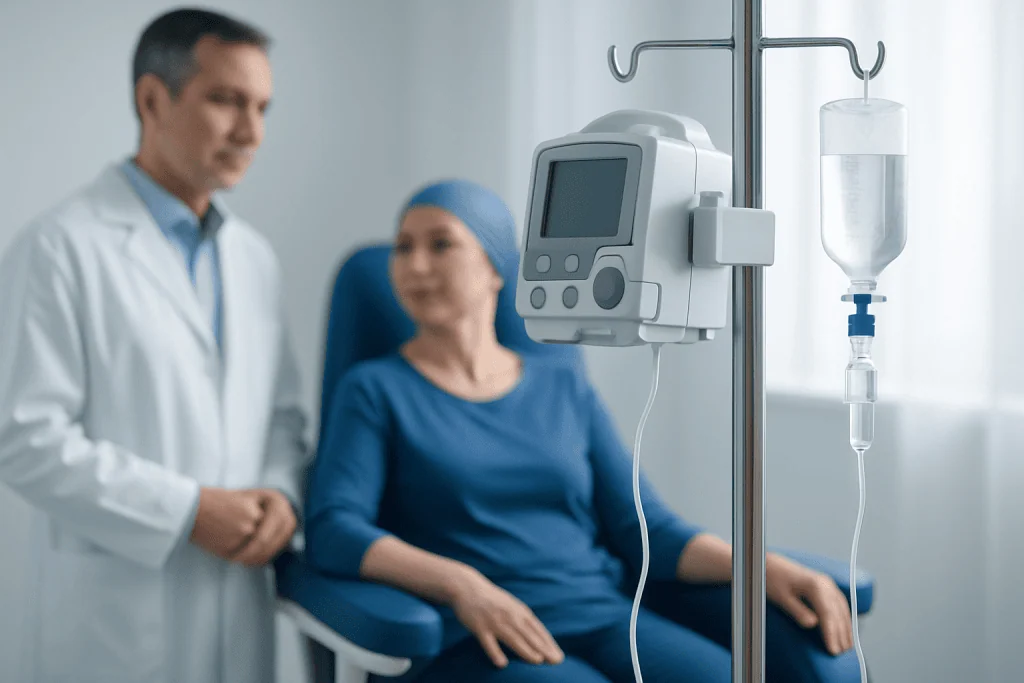
The most practical reason to use neoadjuvant chemotherapy is to shrink a tumor before surgery. A smaller tumor may be easier to remove completely, may reduce the need for a more extensive operation, and can sometimes make organ-preserving or breast-conserving surgery possible when that might not otherwise be an option.
Another benefit is that doctors can directly observe how the cancer responds to treatment. If the tumor shrinks significantly, that suggests the medicines are active against that cancer. If the response is limited, the care team may adjust the plan, consider other drug combinations, or refine the role of surgery and radiation. This real-time information can be clinically useful in a way that treatment given only after surgery cannot provide.
Neoadjuvant chemotherapy may also help treat microscopic cancer cells elsewhere in the body at an earlier point. This does not mean it is always superior to other treatment sequences, but in selected cancers it can be an evidence-based way to address both the visible tumor and possible unseen spread as part of the same strategy.
Benefits vary by cancer type. In some people, the main advantage is improved operability. In others, it may be more accurate staging after treatment, symptom relief from a shrinking tumor, or guidance for later systemic therapy. The decision is individualized and usually made in a multidisciplinary setting that may include medical oncologists, surgeons, radiation oncologists, radiologists, and pathologists.
Which cancers may be treated with neoadjuvant chemotherapy

Neoadjuvant chemotherapy is not appropriate for every cancer. It is generally considered when research and clinical guidelines support a clear benefit or when the tumor’s size, location, or biology makes preoperative treatment especially useful. Some cancers respond particularly well to systemic therapy before surgery, while others are usually managed first with surgery or another local treatment.
Examples where neoadjuvant treatment may be considered include certain breast cancers, locally advanced rectal cancer, muscle-invasive bladder cancer, some gastric or esophageal cancers, osteosarcoma, and selected non-small cell lung cancers. In many of these settings, chemotherapy may be combined with other approaches such as radiation therapy, hormone therapy, targeted therapy, or immunotherapy, depending on the disease.
The exact plan depends on the pathology report from the biopsy. Tumor grade, receptor status, genetic or molecular markers, and imaging findings can all influence the recommendation. For example, a treatment path for lung cancer may differ greatly from that used for breast or gastrointestinal tumors, even when all are called neoadjuvant therapy.
Because treatment strategy can be complex, many patients benefit from care in centers where diagnosis, imaging, surgery, and systemic therapy are closely coordinated. When indicated, doctors may combine neoadjuvant chemotherapy with procedures such as medical oncology care and later cancer surgery as part of one organized treatment pathway.
How treatment is planned, given, and monitored
Before neoadjuvant chemotherapy begins, the care team confirms the diagnosis with a biopsy and determines the stage of the cancer. This often includes imaging tests such as CT, MRI, PET-CT, ultrasound, or mammography, depending on the cancer type. Blood tests and an assessment of heart, kidney, liver, and bone marrow function may also be needed to check whether chemotherapy can be given safely.
Chemotherapy is usually delivered in cycles, with treatment days followed by recovery periods. The drugs, schedule, and total number of cycles depend on the specific cancer and the regimen chosen. Some patients receive treatment through a standard intravenous line, while others may have a port placed for easier long-term access. In selected cases, other medicines are added before surgery, such as targeted therapy or immunotherapy.
Monitoring during treatment is essential. Doctors look at symptoms, physical findings, blood counts, and imaging results to see whether the tumor is responding and whether side effects remain manageable. Sometimes scans are repeated partway through treatment; in other cases, the response is assessed mainly after the planned cycles are completed.
If the cancer responds well and the patient remains fit, surgery usually follows after a short recovery period. Depending on the diagnosis, radiation or more systemic therapy may still be recommended later. In some situations, treatment planning also involves PET-CT imaging to help assess staging or response, though the exact role of imaging varies by tumor type.
Side effects, safety, and common myths
Like all chemotherapy, neoadjuvant chemotherapy can cause side effects, but the type and intensity differ from one regimen to another. Common effects may include fatigue, nausea, vomiting, reduced appetite, mouth sores, diarrhea or constipation, temporary hair loss, numbness or tingling in the hands and feet, and a higher risk of infection due to low white blood cell counts. Many side effects can be prevented or reduced with supportive medicines and close follow-up.
One common myth is that giving chemotherapy before surgery allows the cancer to spread. In evidence-based practice, neoadjuvant treatment is offered because studies support its use in selected settings, not because surgery is being delayed without reason. Another myth is that tumor shrinkage always means cure. A good response is encouraging, but long-term outcome still depends on many factors, including cancer biology and whether all planned treatment can be completed.
It is also important to know that not everyone loses their hair, becomes severely ill, or has the same experience. Modern cancer care includes anti-nausea treatment, infection precautions, nutritional support, and symptom management designed to help patients continue therapy as safely as possible. Doctors may lower doses, adjust timing, or change drugs if side effects become significant.
Patients should report symptoms promptly rather than waiting for the next appointment. Fever, shaking chills, dehydration, chest pain, new shortness of breath, severe diarrhea, confusion, uncontrolled vomiting, or signs of an allergic reaction need urgent medical review. Early communication often prevents complications and helps treatment stay on track.
How doctors assess response and what happens after chemotherapy
After neoadjuvant chemotherapy, doctors evaluate how much the tumor has changed and whether the planned surgery remains the best next step. This assessment may include a physical examination, repeat imaging, laboratory tests, and review by the multidisciplinary team. In some cancers, the most definitive information comes from the tissue removed during surgery, when the pathologist can see how much viable tumor remains.
A strong response may allow a less extensive operation, but surgical decisions are based on more than tumor size alone. The original location of the cancer, nearby lymph nodes, margins needed for safe removal, and the risk of leaving disease behind are all considered. Even when imaging looks favorable, surgery may still be recommended because scans do not always show microscopic disease accurately.
Following surgery, some patients receive additional treatment. This may include more chemotherapy, radiation therapy, hormone therapy, targeted therapy, or immunotherapy, depending on the cancer type and pathology findings. The overall plan aims to balance effective cancer control with safety and quality of life.
For patients seeking coordinated international cancer care, Acibadem International’s multidisciplinary specialists and JCI-accredited hospitals diagnose and treat many cancers using individualized treatment pathways. In selected cases, these pathways may include radiation oncology and advanced surgical or medical oncology services after neoadjuvant treatment.
When to seek medical care
Anyone who has been advised to consider neoadjuvant chemotherapy should speak with an oncologist about the goals, expected benefits, alternatives, and possible side effects before treatment begins. It is reasonable to ask whether the treatment is intended to shrink the tumor, improve the chance of complete surgery, preserve an organ, or help guide later therapy.
During treatment, medical advice should be sought promptly for fever, new bleeding, severe weakness, shortness of breath, persistent vomiting, inability to drink fluids, worsening pain, or any sudden change that feels concerning. These symptoms do not always mean a serious complication, but they should not be ignored because chemotherapy can lower the body’s ability to fight infection and recover from illness.
Patients should also contact their team if side effects are interfering with eating, sleeping, walking, or taking medicines as prescribed. Early support may include hydration, anti-nausea care, pain control, nutritional advice, or temporary changes to the treatment schedule. Communication is an important part of safe care.
If there is uncertainty about the diagnosis or treatment sequence, a second opinion from a qualified oncology center can be helpful. This is especially true when surgery may be extensive, when combined treatments are being discussed, or when the cancer type has multiple evidence-based options.
Frequently asked questions
Is neoadjuvant chemotherapy the same as regular chemotherapy?
It is still chemotherapy, but the timing is different. Neoadjuvant chemotherapy is specifically given before the main local treatment, usually surgery, to shrink the tumor and help guide the next steps.
Does neoadjuvant chemotherapy mean the cancer is advanced?
Not necessarily. It may be used in cancers that are localized but large, in tumors close to important structures, or in situations where shrinking the cancer first can improve surgery or preserve more normal tissue.
Can surgery be avoided if the tumor shrinks a lot?
Usually, surgery is still part of the treatment plan if it was recommended from the start. Even when imaging shows a good response, microscopic cancer cells may remain, so doctors make this decision carefully based on the cancer type and the full clinical picture.
How long does neoadjuvant chemotherapy last?
The length varies by cancer type and drug regimen. Many patients receive treatment over several weeks to a few months, with cycles repeated at planned intervals and regular assessments along the way.
What happens if the tumor does not respond well?
If response is limited, the care team may reconsider the treatment sequence, change medicines, move to surgery sooner, or add other therapies if appropriate. The next step depends on the cancer type, the patient’s health, and the original treatment goal.
Are the side effects worse because chemotherapy is given before surgery?
Not automatically. Side effects depend more on the drugs used, the dose, and the person’s general health than on whether chemotherapy is given before or after surgery. Doctors monitor carefully to make sure the patient remains fit enough for the next stage of treatment.
References
- National Cancer Institute
- American Society of Clinical Oncology
- National Comprehensive Cancer Network
- European Society for Medical Oncology
- World Health Organization
This article is for general information only and is not a substitute for professional medical advice. Please consult a qualified doctor about your individual situation.
Chemotherapy in Turkey — costs, top hospitals & a free quote
JCI-accredited · board-certified surgeons · reply within 24h

More from the Health Library


Related Specialists

Dr. Tekin Münür Ormancioğlu
Ophthalmology
Assoc. Prof. Dr. Türkmen Bahadır Arıkan
General Surgery
Dr. Hasan Fıstıkçı
Pulmonology
Çiğdem Ünver
Physical Medicine & Rehabilitation