Nerve Damage Treatment in Leg: How It Works, Results and What to Expect

Successful treatment starts with identifying the cause and location of the nerve problem. Medication, physical therapy and management of conditions such as diabetes are common first steps.
Key Takeaways
- Successful treatment starts with identifying the cause and location of the nerve problem.
- Medication, physical therapy and management of conditions such as diabetes are common first steps.
- Surgery may be considered when a nerve is severely injured or persistently compressed.
- Nerves usually heal slowly, and improvement may continue for months or longer.
- New weakness, loss of bladder or bowel control, or a suddenly cold or pale leg needs urgent medical assessment.
Nerve damage treatment in leg is tailored to the underlying cause, whether it is diabetes, a compressed nerve, an injury, inflammation or reduced blood supply. Treatment can relieve symptoms, protect function and, in some situations, support nerve healing, although recovery varies widely between individuals.
Overview: how nerve damage treatment in leg works
Nerve damage treatment in leg aims to address the reason a nerve is not working normally while easing symptoms such as pain, tingling, numbness or weakness. The nerves of the leg carry sensation from the skin and muscles to the brain, and they also control movement. Damage can affect one nerve, such as the sciatic or peroneal nerve, or many small nerves, as may occur with peripheral neuropathy.
The best approach depends on the cause, severity and duration of symptoms. For example, treatment may focus on improving blood sugar control in diabetes, relieving pressure from a spinal disc or another structure, correcting vitamin deficiencies, treating inflammation, or repairing an injured nerve. Pain management and rehabilitation are often important alongside treatment of the underlying condition.
Not every type of nerve damage can be fully reversed. However, early evaluation can help prevent further injury, preserve mobility and improve comfort. A clinician may involve specialists in neurology, orthopedics, neurosurgery, pain medicine, endocrinology and rehabilitation when symptoms have more than one possible cause.
Symptoms and causes of nerve damage in the leg
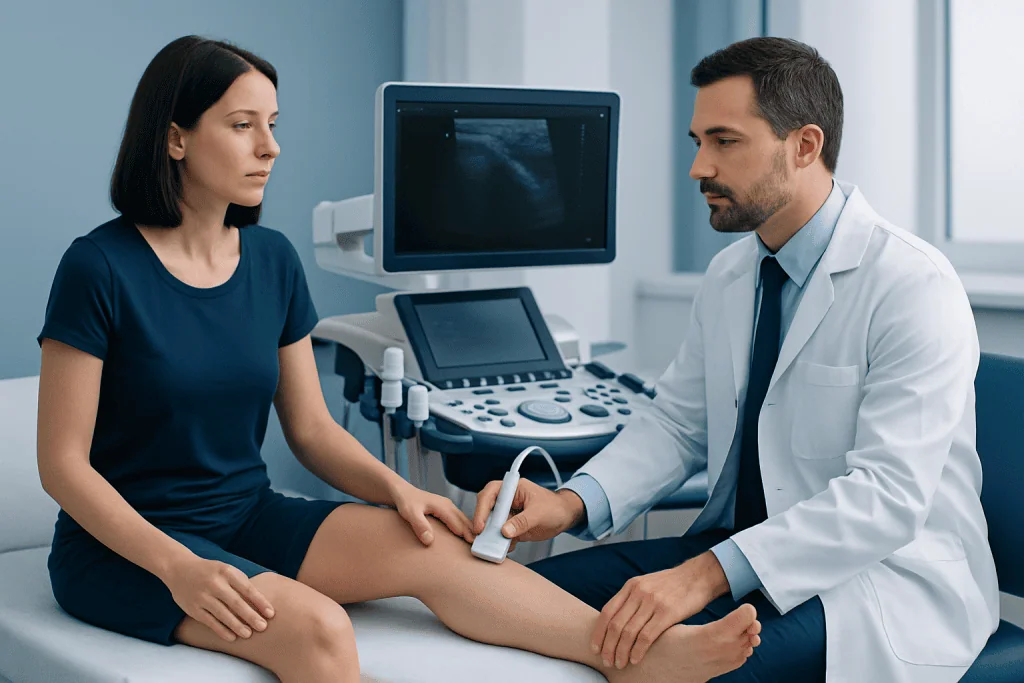
Nerve symptoms may feel different depending on which nerve fibers are involved. Sensory changes can include burning, electric-shock-like pain, pins and needles, numbness, increased sensitivity to touch, or reduced ability to feel heat, cold and injuries. Motor nerve involvement may lead to muscle weakness, cramping, balance difficulties, foot drop or changes in walking.
Common causes include diabetes, lower-back nerve root irritation, nerve compression around the hip, knee or ankle, traumatic injury, surgery, alcohol-related nerve injury, vitamin deficiencies, certain medicines and autoimmune conditions. Reduced circulation can also cause leg discomfort and tissue problems, although it is not itself the same as nerve damage and requires careful assessment.
A compressed nerve can sometimes cause pain that travels from the lower back through the buttock and down the leg. This pattern is often described as sciatica, but a medical examination is needed because several conditions can produce similar symptoms. Broad symptoms affecting both feet and gradually moving upward may be more consistent with peripheral neuropathy.
- Symptoms in one defined area may suggest a local nerve injury or compression.
- Symptoms beginning after an accident, fracture, deep cut or prolonged pressure need timely assessment.
- Symptoms with back pain may involve a nerve root in the spine.
- Symptoms in both legs or feet may indicate a systemic cause that needs medical investigation.
Assessment and candidacy for different treatments

A clinician begins by asking when symptoms started, whether they are progressing, and whether there has been an injury, back pain, infection, diabetes, alcohol use, medication change or previous surgery. The examination may assess strength, reflexes, balance, walking, skin condition, pulses and areas of altered sensation. These findings help distinguish nerve symptoms from muscle, joint or circulation problems.
Tests are selected according to the suspected cause. Blood tests may identify diabetes, vitamin deficiencies, thyroid disorders, inflammation or other metabolic concerns. Nerve conduction studies and electromyography can assess how well nerves and muscles transmit signals. Ultrasound or MRI may be used to look for nerve compression, spinal disease, masses or structural injury.
Most people begin with non-surgical care when there is no severe or progressive weakness and no evidence of a nerve requiring urgent repair. Surgery may be appropriate for selected patients with a cut or torn nerve, persistent compression, a structural cause that has not improved with conservative treatment, or substantial loss of movement. A specialist weighs the likely benefit against the duration of symptoms, nerve test results, overall health and rehabilitation needs.
Treatment options and the treatment pathway
Treatment is usually planned in stages. First, clinicians address any treatable cause: this may include managing diabetes, correcting nutritional deficiencies, reviewing medicines, treating infection or inflammation, or reducing ongoing pressure on a nerve. Protecting numb areas from burns, cuts and pressure injuries is also important, particularly for people with reduced feeling in the feet.
Symptoms may be managed with medicines specifically used for nerve pain, topical treatments or other pain-relief strategies selected by a doctor. These treatments can reduce pain but do not necessarily repair the nerve itself. Physical therapy can improve flexibility, strength, balance and gait, while occupational therapy may help people adapt daily activities. Braces or orthoses can support the ankle and reduce falls when foot drop is present.
When symptoms arise from a compressed spinal nerve, treatment may include guided exercise, medication, targeted injections in selected cases, and consideration of spine surgery when there is significant compression or persistent neurological impairment. For a localized nerve injury or entrapment, procedures may release pressure around the nerve, remove a contributing lesion, reconnect a severed nerve, or use a nerve graft in carefully selected injuries. These procedures are performed by experienced surgical teams after detailed assessment.
A typical surgical pathway includes pre-operative imaging and nerve testing when needed, anesthesia planning, the procedure to decompress or repair the nerve, wound care and monitored rehabilitation. During follow-up, the team checks pain control, wound healing, muscle function and sensory change. Acibadem International’s multidisciplinary specialists and JCI-accredited hospitals can assess and treat nerve-related leg conditions for international patients.
Benefits, risks and recovery timeline
The potential benefits of nerve damage treatment in leg include less pain, improved walking, better balance, protection from further nerve injury and improved ability to carry out daily activities. When a reversible cause is addressed early, recovery can be more favorable. Even when full nerve function does not return, symptom control, rehabilitation and safety strategies can meaningfully improve quality of life.
Nerve recovery is usually gradual because nerve fibers regenerate slowly when regeneration is possible. After a minor compression or irritation, symptoms may improve over days to weeks once pressure is removed. Recovery after a more significant injury or nerve surgery may take months and sometimes longer. Muscles that have been weak for a long time may not fully recover even if nerve signals improve.
Risks vary by treatment. Medicines for nerve pain can cause side effects such as drowsiness, dizziness or digestive symptoms. Injections and surgery have procedure-specific risks, including bleeding, infection, persistent pain, scar-related symptoms, incomplete improvement or further nerve irritation. A clinician should explain the expected benefits, alternatives and recovery requirements before any invasive procedure.
Rehabilitation is often a central part of recovery. Therapy may begin with safe movement and swelling control, then progress to strengthening, balance training and return-to-activity planning. Follow-up is important because treatment can be adjusted if symptoms change or recovery is slower than expected.
How long does it take for nerve damage in the leg to heal?
There is no single healing timeline for nerve damage in the leg. It depends on the cause, the type of nerve affected, the severity of damage, how quickly treatment begins and whether the nerve remains compressed. Mild nerve irritation may settle within a few weeks, while more severe injuries can take many months or longer to show their fullest recovery.
Peripheral nerves may regrow under favorable conditions, but this is a slow biological process. Recovery is also affected by the distance between the injury and the muscles or skin served by that nerve. Regular clinical review can help determine whether symptoms and strength are improving as expected.
People should avoid judging recovery only by day-to-day pain changes. Nerve symptoms can fluctuate, especially during rehabilitation. Ongoing or worsening weakness, increasing numbness or new difficulty walking should be reported to the treating clinician rather than managed alone.
Can nerve damage in the leg be cured?
Some nerve damage in the leg can improve substantially or resolve, particularly when it is caused by temporary compression, a correctable vitamin deficiency, a treatable medical condition or a recent injury that receives appropriate care. In other cases, treatment is focused on limiting further damage, relieving pain and helping the person maintain strength, balance and independence.
Long-standing nerve damage, severe trauma and nerve injury related to chronic conditions may not be completely reversible. This does not mean that treatment is ineffective. Controlling the underlying cause, protecting the feet and legs, exercising safely, treating pain and using rehabilitation can still provide important benefits.
A specialist can give the most realistic outlook after examining the person and reviewing test findings. The goal is individualized care rather than assuming that every nerve problem needs the same medication, operation or recovery plan.
What are signs that nerve damage is healing?
Possible signs of healing include a gradual reduction in numbness or burning, fewer pain episodes, improved ability to distinguish touch or temperature, stronger muscle movement, better balance and improved walking tolerance. Progress may be uneven; a person may notice gains in function before all sensory symptoms have settled.
During follow-up, clinicians may measure strength, reflexes, sensation and functional tasks such as walking or ankle movement. In selected cases, repeat nerve testing can provide additional information about nerve function. Improvement on these assessments can be more reliable than relying on one symptom alone.
New symptoms are not always a sign of recovery. Persistent worsening pain, expanding numbness, weakness or skin injuries in numb areas should be assessed. Keeping a brief symptom and activity record can help the clinical team understand changes over time.
What does it feel like when nerve damage is repairing?
As a nerve recovers, some people notice intermittent tingling, prickling, buzzing, brief electric sensations or increased sensitivity in the affected area. These sensations can occur during nerve recovery, but they are not proof that a nerve is healing. Similar feelings can also occur when a nerve remains irritated or compressed.
Improvement is more encouraging when these sensations are accompanied by better function, such as less numbness, stronger movement or a steadier gait. Pain that becomes severe, constant or progressively worse should not be assumed to be part of healing. A doctor can evaluate whether the nerve is recovering or whether treatment needs adjustment.
Gentle, clinician-guided rehabilitation and good control of the underlying cause can support recovery. People should not expose numb or sensitive skin to intense heat, aggressive massage or unapproved devices in an attempt to stimulate healing, as this may cause injury.
When to seek medical care
Medical assessment is appropriate for persistent leg tingling, burning, numbness or weakness, especially if symptoms interfere with walking, sleep, work or daily activities. An appointment should also be arranged when symptoms follow an injury, surgery or new back pain, or when a person has diabetes or another condition associated with neuropathy.
Urgent medical care is needed for sudden or rapidly worsening leg weakness, new foot drop, loss of bladder or bowel control, numbness around the groin or inner thighs, severe back pain with neurological symptoms, or a leg that becomes cold, pale, blue or markedly swollen. These signs can indicate conditions that need prompt evaluation.
Early assessment is reassuring as well as practical: many causes of nerve symptoms can be identified and managed. A qualified healthcare professional can recommend the most appropriate testing and build a treatment plan based on the person’s symptoms, health history and goals.
Frequently asked questions
What is the best nerve damage treatment in leg?
The best treatment depends on the cause of the nerve damage. Managing the underlying condition, relieving nerve pressure, using appropriate pain treatment and completing rehabilitation are common parts of care. A clinician may recommend surgery only when there is a clear structural problem or significant nerve injury that is likely to benefit from it.
Can exercise help nerve damage in the leg?
Appropriately prescribed exercise can help maintain muscle strength, joint movement, balance and walking ability. It may also support general health and blood sugar management. Exercise should be adapted if there is marked weakness, foot drop, severe pain or reduced sensation, as these can increase the risk of falls or injury.
Does numbness in the leg always mean permanent nerve damage?
No. Numbness can occur with temporary nerve compression, inflammation or changes in circulation, and it may improve when the cause is treated. Persistent, recurrent or worsening numbness should be evaluated to identify the cause and reduce the risk of long-term problems.
Can a pinched nerve in the back cause leg nerve damage?
A compressed nerve root in the lower back can cause pain, tingling, numbness or weakness that travels into the leg. Many cases improve with conservative care, but progressive weakness or symptoms affecting bladder or bowel function require urgent assessment. Imaging and nerve testing may be used when the diagnosis is uncertain or symptoms are severe.
How can someone protect a numb leg or foot?
Daily skin checks, well-fitting footwear and avoiding extreme heat are important because numb areas may not feel injuries promptly. Keeping walkways clear and using recommended support devices can reduce falls. People with diabetes should follow their clinician’s foot-care advice and report sores, redness or swelling promptly.
Is tingling after nerve treatment normal?
Tingling may occur as symptoms change after treatment, and it can be part of nerve recovery for some people. However, it can also indicate ongoing irritation, particularly if it worsens or is accompanied by increasing pain or weakness. The treating clinician should be informed about new or changing symptoms.
References
- National Institute of Neurological Disorders and Stroke
- National Institute of Diabetes and Digestive and Kidney Diseases
- American Academy of Neurology
- Mayo Clinic
- National Health Service
This article is for general information only and is not a substitute for professional medical advice. Please consult a qualified doctor about your individual situation.
Joint and spine care in Turkey — expert assessment & treatment
JCI-accredited · board-certified surgeons · reply within 24h
Add us as a Preferred Source to see more of our trusted health content across Google Search, AI Overviews and Discover.