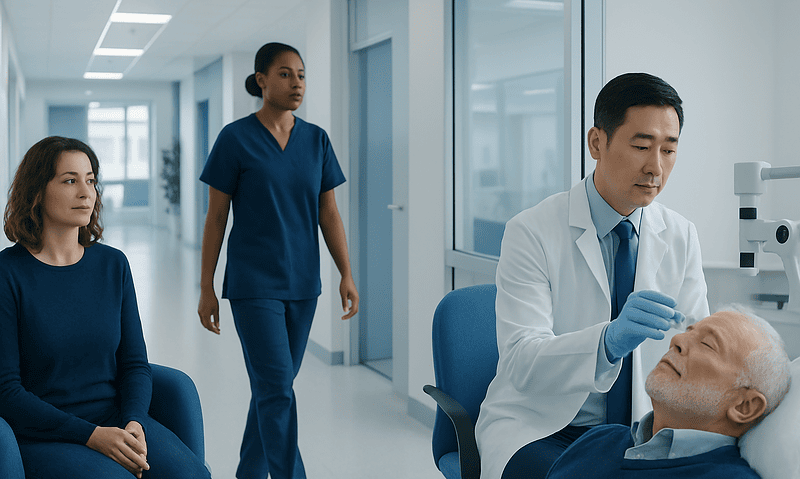
Nerve Pain After Shingles: When Neuromodulation Becomes an Option

Persistent nerve pain after shingles is commonly called postherpetic neuralgia. Symptoms may include burning, stabbing, electric-shock-like pain, skin sensitivity, itching, or sleep disruption.
Key Takeaways
- Persistent nerve pain after shingles is commonly called postherpetic neuralgia.
- Symptoms may include burning, stabbing, electric-shock-like pain, skin sensitivity, itching, or sleep disruption.
- First-line treatment usually involves medicines, skin-based therapies, and supportive self-care.
- Neuromodulation may be an option for selected people whose pain remains severe despite other treatments.
- A careful evaluation by pain, neurology, and related specialists helps determine the safest and most suitable approach.
Nerve pain after shingles may continue long after the rash heals. When this lingering pain becomes difficult to control with standard therapies, neuromodulation can be considered as part of a specialist pain-management plan.
Overview
Nerve pain after shingles is most often due to postherpetic neuralgia, a form of chronic neuropathic pain that can develop after a shingles infection. Shingles itself is caused by reactivation of the varicella-zoster virus, the same virus that causes chickenpox. Even when the rash and blisters heal, the affected nerves may remain irritated or damaged, leading to ongoing pain signals.
This pain is not always proportional to what is seen on the skin. Some people have minimal visible changes but intense discomfort. Others may notice that even light touch from clothing or bedsheets feels painful. The symptoms can affect daily activities, sleep, mood, and overall quality of life, especially if the pain lasts for months.
Many people improve with time and standard treatment. However, some continue to have significant pain despite medications, topical therapies, and supportive care. In those cases, specialists may discuss advanced pain-management strategies, including neuromodulation, which aims to change how pain signals are processed by the nervous system rather than simply masking symptoms.
Symptoms of Nerve Pain After Shingles

The hallmark symptom is pain in the same area where the shingles rash occurred. The sensation is often described as burning, stabbing, sharp, throbbing, aching, or electric-shock-like. Pain may be constant, intermittent, or triggered by ordinary contact with the skin.
Some people develop allodynia, which means non-painful stimuli become painful. For example, a light shirt, a breeze, or a gentle touch may feel intensely uncomfortable. Others report numbness, tingling, itching, or a feeling of deep sensitivity under the skin.
The impact is often broader than pain alone. Chronic discomfort may disturb sleep, reduce appetite, limit movement, and make concentration more difficult. Anxiety, low mood, and fatigue can also develop when pain persists over time.
- Burning or shooting pain
- Marked skin sensitivity
- Itching, tingling, or numbness
- Pain that lingers after the rash heals
- Sleep problems and reduced daily function
Causes and Risk Factors
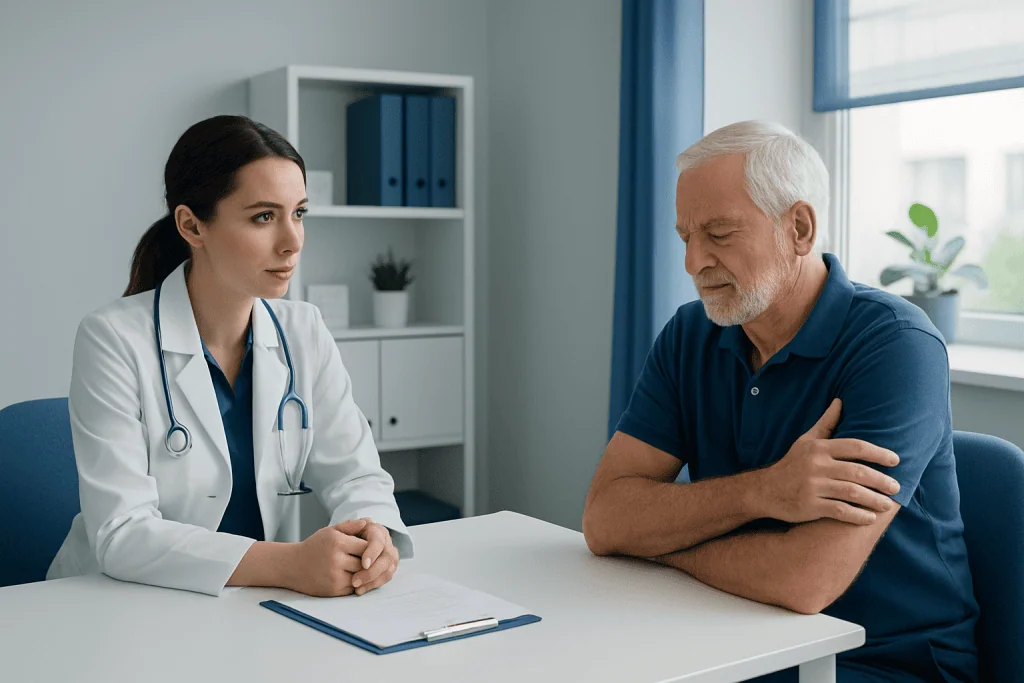
After shingles, inflamed or injured nerves can continue sending pain signals to the brain even after the skin has healed. This ongoing nerve dysfunction is what leads to postherpetic neuralgia. The condition is neuropathic, meaning it arises from the nervous system itself rather than from a new skin infection.
The risk tends to be higher in older adults, in people who had severe shingles pain or a more extensive rash, and in those whose rash involved certain areas such as the face or trunk. Delayed treatment of shingles may also increase the chance of long-lasting pain, although not everyone with risk factors develops it.
General health can also play a role. A weakened immune system, chronic illness, or other nerve-related conditions may affect recovery. Because symptoms can overlap with other forms of neuropathic pain, doctors may sometimes consider related conditions such as trigeminal neuralgia or peripheral neuropathy when evaluating persistent or atypical pain patterns.
How It Is Diagnosed
Diagnosis is usually based on the medical history and symptom pattern. A doctor will ask whether there was a previous shingles rash, where it appeared, how long ago it healed, and what the pain feels like now. The location of pain in the same area as the prior rash is a strong clue.
A physical examination helps assess skin sensitivity, touch-related pain, sensory changes, and signs of another condition that may need attention. In many cases, no special test is required to confirm postherpetic neuralgia, but testing may be considered if the history is unclear or if symptoms suggest a different nerve disorder.
The evaluation may also include a review of previous treatments, sleep quality, emotional well-being, and how much the pain affects normal activities. This broader assessment is important because treatment is not based only on pain intensity. It also depends on how the condition is affecting daily life and whether standard therapies have already been tried appropriately.
Treatment Options Before Neuromodulation
Initial treatment usually starts with a combination of approaches rather than a single solution. Doctors may recommend medicines commonly used for neuropathic pain, topical treatments applied to the skin, and practical self-care strategies. The aim is to reduce pain, improve sleep, and help the person return to normal routines as much as possible.
Topical therapies may help if the painful area is well defined and sensitive to touch. Oral medicines may be considered when pain is broader, deeper, or disruptive throughout the day and night. In some cases, targeted pain procedures can be discussed if symptoms remain difficult to control. Depending on the individual situation, specialists may consider options within algology treatment and services or broader pain management programs.
Supportive measures are also valuable. Gentle skin protection, loose clothing, good sleep habits, stress reduction, and gradual activity can make symptoms easier to cope with. If pain becomes chronic, multidisciplinary care may help address both the physical and emotional burden of living with ongoing discomfort.
- Neuropathic pain medications prescribed by a doctor
- Topical patches or creams when appropriate
- Nerve blocks or interventional pain procedures in selected cases
- Sleep support, pacing of activities, and psychological coping strategies
When Neuromodulation Becomes an Option
Neuromodulation is usually considered when nerve pain after shingles remains severe or disabling despite appropriate standard treatment. It is not the first step for most people. Instead, it may be discussed when medications cause side effects, fail to provide enough relief, or when pain continues to significantly limit sleep, mobility, or independence.
Neuromodulation refers to treatments that alter pain signaling in the nervous system. One established example is spinal cord stimulation, in which electrical impulses are used to change how pain messages are transmitted. In carefully selected patients with chronic neuropathic pain, this approach may reduce pain intensity and improve function.
Not everyone with postherpetic neuralgia is a candidate. Suitability depends on the pain pattern, its duration, the area affected, prior treatments, general health, and the results of specialist evaluation. A trial phase is often part of the decision-making process, helping determine whether the therapy provides meaningful benefit before any longer-term plan is made.
Assessment is typically multidisciplinary and may involve pain medicine, neurology, neurosurgery, and rehabilitation professionals. This helps ensure that the diagnosis is correct, expectations are realistic, and any procedure-related risks are weighed carefully against potential benefits.
Prevention and Self-Care
The best way to reduce the risk of long-lasting nerve pain is to lower the chance of shingles and to seek prompt medical attention if shingles develops. Vaccination can help prevent shingles and reduce the risk of complications in eligible adults. People should ask their doctor whether shingles vaccination is appropriate for their age and health status.
Early assessment and treatment of shingles may also help reduce the severity and duration of symptoms. During recovery, skin should be kept clean and protected, and irritating fabrics or pressure over the painful area should be minimized. Gentle routines are often more tolerable than pushing through pain.
For ongoing symptoms, self-care focuses on preserving comfort and quality of life. Regular sleep habits, balanced nutrition, stress management, and staying socially connected may all help people cope better with chronic pain. These measures do not replace medical treatment, but they can support recovery and reduce the overall burden of symptoms.
When to See a Doctor
A doctor should be consulted if pain continues after a shingles rash has healed, especially if it interferes with sleep, movement, work, or daily tasks. Medical advice is also important when the pain is severe, spreading, or associated with unusual numbness or weakness. Persistent pain deserves evaluation because there may be more than one contributing cause.
Urgent assessment may be needed if shingles affects the eye, face, or ear, or if there are signs of infection, new neurological symptoms, or significant worsening. Early treatment can be especially important in these situations. People should not assume that all ongoing pain after shingles will simply pass on its own.
If standard treatments have not worked well, asking about referral to a pain specialist may be helpful. Near the end of the care pathway, advanced options such as neuromodulation may be reviewed in detail. Acibadem International’s multidisciplinary specialists and JCI-accredited hospitals evaluate and treat complex chronic pain conditions for international patients, including selected cases where neuromodulation is considered.
Frequently asked questions
What is nerve pain after shingles called?
It is most commonly called postherpetic neuralgia. This means nerve-related pain that continues after the shingles rash has healed.
How long can nerve pain after shingles last?
The duration varies widely from person to person. Some people improve within weeks or months, while others may have longer-lasting pain that requires ongoing treatment and follow-up.
Does everyone with shingles develop chronic nerve pain?
No, many people recover from shingles without persistent pain. The risk is higher in older adults and in those who had severe pain or a more extensive rash during the shingles episode.
When is neuromodulation considered for postherpetic neuralgia?
Neuromodulation is generally considered when standard treatments do not provide enough relief or cause unacceptable side effects. A specialist team evaluates whether the pain pattern and overall health make this option appropriate.
Is neuromodulation a cure for nerve pain after shingles?
Neuromodulation is not usually described as a cure. Its goal is to reduce pain, improve function, and enhance quality of life in carefully selected patients.
Can shingles vaccination help prevent nerve pain after shingles?
Yes, vaccination can reduce the risk of getting shingles and therefore lower the risk of complications such as postherpetic neuralgia. Eligibility depends on age and health factors, so a doctor can advise on the best timing.
References
- Centers for Disease Control and Prevention
- National Institute of Neurological Disorders and Stroke
- International Association for the Study of Pain
- National Health Service
- Mayo Clinic
This article is for general information only and is not a substitute for professional medical advice. Please consult a qualified doctor about your individual situation.
Neuromodulation in Turkey — costs, top hospitals & a free quote
JCI-accredited · board-certified surgeons · reply within 24h
Add us as a Preferred Source to see more of our trusted health content across Google Search, AI Overviews and Discover.