Neuropsychological Assessment Before Epilepsy Surgery: Why It Matters

Neuropsychological testing measures memory, language, attention, problem-solving, and other thinking skills before surgery. Results help doctors understand which brain functions may be at risk and how surgery may affect daily life.
Key Takeaways
- Neuropsychological testing measures memory, language, attention, problem-solving, and other thinking skills before surgery.
- Results help doctors understand which brain functions may be at risk and how surgery may affect daily life.
- The assessment does not decide surgery on its own; it is one part of a broader epilepsy surgery evaluation.
- Testing can also identify emotional or learning concerns that may need support before and after treatment.
- A careful baseline makes it easier to compare recovery and cognitive changes after surgery.
Neuropsychological assessment before epilepsy surgery is an important part of presurgical planning. It helps the care team understand how epilepsy affects thinking and memory, and it supports safer decisions about surgery and recovery.
Overview
Neuropsychological assessment before epilepsy surgery is a detailed evaluation of thinking and behavior. It looks at functions such as memory, attention, language, visual-spatial skills, processing speed, and problem-solving. The goal is to build a clear picture of how a person’s brain is working before any procedure is planned.
For people with drug-resistant epilepsy, surgery may be considered when seizures continue despite appropriate medication. In that setting, neuropsychological testing becomes an important part of the presurgical workup. It helps the medical team understand how seizures may already be affecting the brain and which abilities should be protected as much as possible during treatment.
This assessment is not a test of intelligence in a simple pass-or-fail sense. Instead, it compares strengths and weaknesses across many mental skills. That pattern can offer clues about which parts of the brain may be affected by epilepsy and can help doctors discuss realistic expectations about surgery.
The results are usually interpreted alongside brain imaging, EEG findings, neurological examination, and the person’s medical history. Together, these pieces guide a more individualized care plan, including whether epilepsy surgery is likely to be helpful and how to prepare for recovery afterward.
Why It Matters Before Epilepsy Surgery
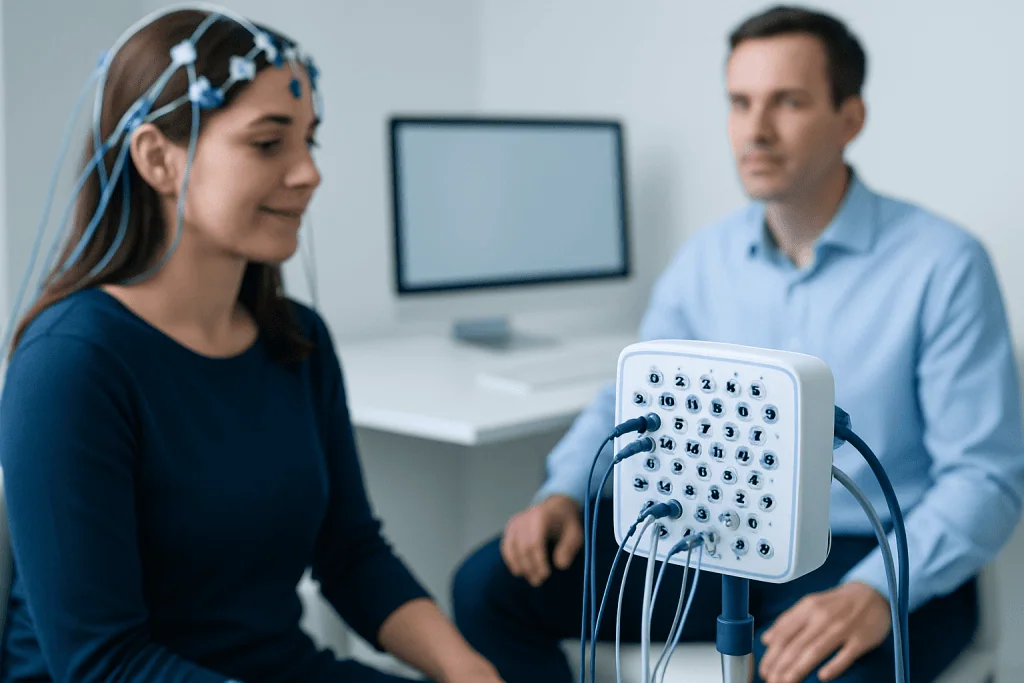
Epilepsy surgery aims to reduce or stop seizures by treating the part of the brain where they begin, when that can be done safely. Because some brain areas are closely involved in speech, memory, reading, movement, or emotional regulation, understanding current cognitive function is essential before surgery. Neuropsychological assessment helps identify which skills are already affected and which may be more vulnerable after treatment.
For example, people with temporal lobe epilepsy may have memory difficulties, while others may show language or attention changes. Testing helps determine whether these problems are related to seizure activity, medication effects, sleep disruption, mood symptoms, or the suspected seizure focus. That information can support more precise surgical planning.
The assessment also helps set a baseline. If surgery goes ahead, later testing can compare pre- and post-operative functioning. This makes it easier to see whether memory, language, or concentration have changed and whether rehabilitation or extra educational and psychological support may be useful.
Just as importantly, the process supports informed decision-making. Patients and families often want to know not only whether surgery may reduce seizures, but also how it could affect work, school, independence, and quality of life. Neuropsychological findings help make those conversations more specific, balanced, and patient-centered.
What the Assessment Usually Includes

Neuropsychological assessment usually begins with a detailed interview. The specialist asks about seizure history, medications, education, work, developmental background, mood, sleep, and everyday challenges. Family members may also provide helpful observations, especially if there are concerns about memory, behavior, or awareness during seizures.
The formal testing portion often involves paper-and-pencil tasks, spoken questions, and computer-based measures. These tasks are chosen based on age, language, education, and the person’s specific clinical situation. The session may be completed in one visit or divided into shorter appointments if fatigue, anxiety, or seizure frequency makes long testing difficult.
Areas commonly assessed include:
- Learning and memory
- Language, naming, and verbal fluency
- Attention and concentration
- Executive functions such as planning and mental flexibility
- Visual-spatial and visual memory skills
- Processing speed
- Mood, anxiety, and emotional well-being
The specialist then interprets the results in context rather than looking at any single score in isolation. Everyday functioning, seizure type, medication effects, dominant hand, imaging results, and cultural or language factors are all considered. This is especially important in complex cases, including people being evaluated for conditions such as temporal lobe epilepsy.
How Results Help the Care Team
Neuropsychological findings can support localization and lateralization, meaning they may provide clues about where in the brain seizure-related dysfunction is strongest and whether the left or right side is more involved. For instance, certain verbal memory or language patterns may suggest greater involvement of the language-dominant temporal lobe, while visual memory difficulties may point in a different direction. These clues are helpful, but they are always interpreted with EEG and imaging findings rather than alone.
Results also help estimate cognitive risk. If a person already has weakness in a function linked to the area planned for surgery, doctors may discuss whether that reflects existing damage, reduced reserve, or possible greater vulnerability after treatment. In some cases, the pattern may be somewhat reassuring; in others, it may lead to more testing, a modified surgical plan, or discussion of alternatives.
Neuropsychological assessment can also identify strengths that may support recovery. Good problem-solving, strong family support, and preserved learning ability may help a person adapt after surgery. If mood symptoms, stress, or poor sleep are affecting cognition, treating those issues may improve daily functioning even before any procedure takes place.
In multidisciplinary epilepsy programs, findings are reviewed alongside MRI, video EEG monitoring, and sometimes functional studies. When needed, they may also inform planning for stereoelectroencephalography (SEEG) or other advanced evaluation steps if the seizure focus is not yet fully clear.
Other Tests in the Presurgical Workup
Neuropsychological assessment is one important part of a broader epilepsy surgery evaluation. Most patients also undergo neurological examination, high-quality brain MRI, and EEG studies to define where seizures begin and whether that area can be treated safely. In many centers, prolonged video EEG monitoring is central to this process because it records seizures and brain activity together.
Additional tests may be recommended depending on the case. Functional MRI can help map language or memory networks in selected patients. In some situations, invasive monitoring, PET, SPECT, or other imaging techniques are used when noninvasive studies do not provide enough information.
These tests are complementary rather than repetitive. MRI shows brain structure, EEG records electrical activity, and neuropsychological testing measures real-world cognitive function. When all three point in the same direction, the team may have more confidence in recommending treatment. When results differ, further discussion and testing may be needed.
Some patients are also evaluated for nonresective options such as vagus nerve stimulation (VNS). Even when surgery is not the final choice, neuropsychological findings can still help with counseling, school or work planning, and long-term follow-up.
Preparing for the Assessment and What Patients Can Expect
Many people worry that neuropsychological testing will be stressful or that they need to study for it. In general, there is no special preparation beyond arriving rested, bringing glasses or hearing aids if needed, and following the care team’s instructions about medications. The aim is to understand usual functioning, so it is most useful when the person approaches the assessment as naturally as possible.
Testing can take several hours, depending on the goals of the evaluation. Breaks are usually built in, and the specialist may adjust the pace if fatigue or seizure symptoms occur. It is normal for some tasks to feel easy and others more challenging. The purpose is not to judge effort harshly, but to gather a broad and accurate profile.
Patients may find it helpful to bring a list of medications, previous test reports, and examples of daily concerns such as forgetting names, missing appointments, trouble reading, or workplace mistakes. This practical information helps connect test findings with real-life needs.
After the assessment, results are usually explained in clear terms. The clinician may describe cognitive strengths, areas of weakness, possible links to seizure focus, and any concerns about postoperative change. Recommendations may include education, counseling, rehabilitation strategies, or referral to other specialists if needed.
Possible Outcomes, Follow-up, and Support
The results of neuropsychological assessment do not automatically mean a person can or cannot have epilepsy surgery. Instead, they help refine the overall picture. Some people move forward to surgery after the team decides the likely benefits outweigh the risks. Others may need more testing, medication review, or discussion of alternative therapies.
Follow-up after surgery is also important. Some patients notice improvements in attention, energy, or memory once seizures are reduced, sleep improves, or medication burden changes. Others may experience new challenges, especially if the treated brain area was closely tied to language or memory. Comparing postoperative performance with the preoperative baseline makes these changes easier to understand.
Support does not end with the operation. Depending on the findings, patients may benefit from speech-language therapy, cognitive rehabilitation, mental health support, school accommodations, or workplace adjustments. Early recognition of these needs can make recovery smoother and help preserve independence.
Near the end of the care pathway, some international patients seek evaluation in comprehensive centers. Acibadem International’s multidisciplinary specialists and JCI-accredited hospitals diagnose and treat epilepsy and related cognitive concerns for international patients, with neuropsychology as part of coordinated presurgical and follow-up care.
When to Speak With a Specialist
A specialist review may be helpful when seizures continue despite medication, when memory or language problems are becoming more noticeable, or when surgery is being considered. Patients should also ask about assessment if they or their family notice changes in concentration, school performance, work ability, or mood that seem related to seizures or treatment.
Earlier evaluation can be useful because it provides a clearer baseline before major treatment decisions are made. This is especially relevant for children, students, and working adults, where subtle cognitive changes may have a meaningful effect on learning and daily responsibilities.
People should seek prompt medical advice for frequent seizures, injuries during seizures, prolonged seizures, or major changes in awareness or behavior. Any urgent neurological symptoms, such as sudden weakness or severe confusion, should be assessed immediately according to local emergency guidance.
In general, the best next step is to discuss concerns with a neurologist, epilepsy specialist, or neuropsychologist. A careful, individualized assessment can help patients and families understand options more clearly and make decisions with greater confidence.
Frequently asked questions
What is neuropsychological assessment before epilepsy surgery?
It is a detailed evaluation of thinking, memory, language, attention, and related skills before epilepsy surgery is planned. The goal is to understand how epilepsy may be affecting the brain and to help the care team make safer, more individualized treatment decisions.
Why is this testing important if brain scans are already done?
Brain scans show structure, while EEG shows electrical activity, but neuropsychological testing shows how the brain is functioning in daily life. Together, these tools provide a more complete picture than any one test alone.
Can neuropsychological testing tell whether surgery will cure epilepsy?
No single assessment can predict seizure outcome with certainty. Neuropsychological testing helps estimate cognitive strengths, weaknesses, and possible risks, but surgery decisions are based on the full presurgical evaluation.
Does the assessment hurt or involve needles?
No, neuropsychological testing is noninvasive. It usually involves interviews, spoken questions, paper-and-pencil tasks, and sometimes computer-based exercises.
How long does neuropsychological testing take?
The timing varies, but it often takes several hours. Some people complete it in one day, while others may have shorter sessions over more than one visit, especially if fatigue or seizures are a concern.
What if the tests show memory or language problems?
That information can be very useful because it helps doctors understand current difficulties and discuss whether surgery could affect those skills further. It may also lead to added support, such as cognitive rehabilitation, counseling, or school and workplace accommodations.
Should children and teenagers also have neuropsychological assessment before epilepsy surgery?
Yes, when surgery is being considered, age-appropriate neuropsychological evaluation is often helpful for children and adolescents as well. It can assess learning, development, behavior, and school functioning, which are important parts of treatment planning and follow-up.
References
- International League Against Epilepsy
- American Academy of Neurology
- National Institute of Neurological Disorders and Stroke
- Epilepsy Foundation
- World Health Organization
This article is for general information only and is not a substitute for professional medical advice. Please consult a qualified doctor about your individual situation.
Epilepsy in Turkey — costs, top hospitals & a free quote
JCI-accredited · board-certified surgeons · reply within 24h
Add us as a Preferred Source to see more of our trusted health content across Google Search, AI Overviews and Discover.

Neurosurgery
Surgical treatment of the brain, spine and nervous system, including minimally invasive and functional procedures.
72 specialists in this unit