Neuropsychological Evaluation in Children: Signs a School-Age Child May Need Testing
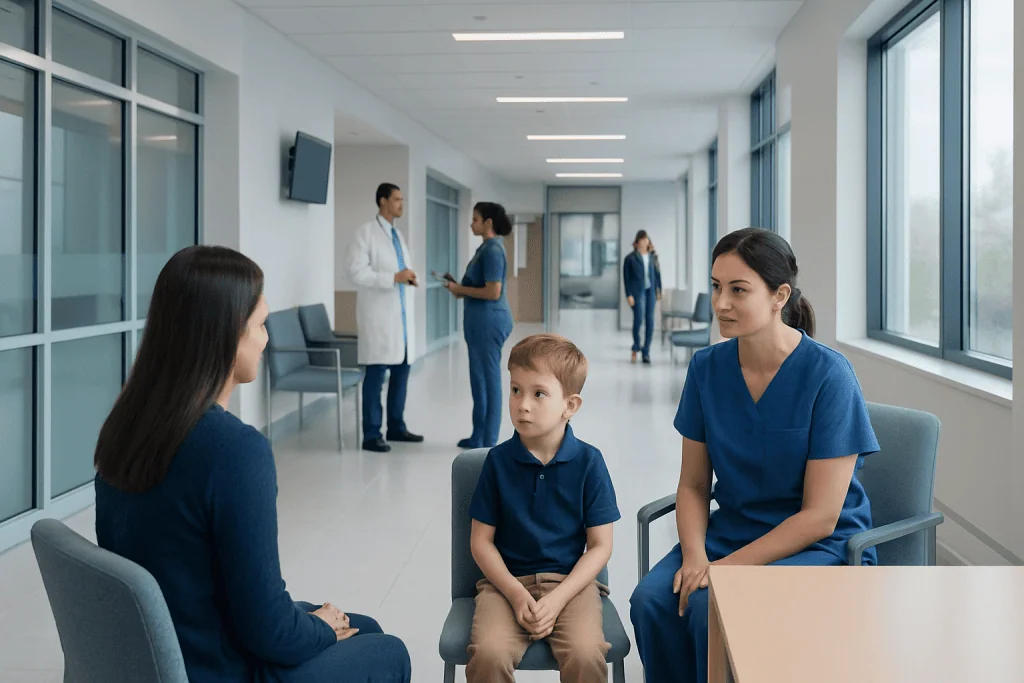
Neuropsychological testing can clarify why a school-age child is struggling with learning, attention, memory, language, or behavior. An evaluation does not only look for a diagnosis; it also identifies strengths, learning style, and useful supports.
Key Takeaways
- Neuropsychological testing can clarify why a school-age child is struggling with learning, attention, memory, language, or behavior.
- An evaluation does not only look for a diagnosis; it also identifies strengths, learning style, and useful supports.
- Parents and teachers may notice signs such as falling grades, slow progress, poor organization, frustration, or uneven skills.
- Testing is usually recommended when concerns persist, interfere with daily functioning, or are not fully explained by routine school assessments.
- Results can help shape treatment, school accommodations, and follow-up with pediatric, neurology, psychology, or therapy teams.
A neuropsychological evaluation in children looks at how a child thinks, learns, remembers, pays attention, and manages emotions or behavior. It can help explain school or daily-life difficulties and guide practical support at home, in the classroom, and in healthcare.
Overview
A neuropsychological evaluation in children is a detailed assessment of brain-based skills involved in everyday learning and behavior. It examines areas such as attention, memory, language, problem-solving, processing speed, visual-spatial skills, academic abilities, and emotional or behavioral functioning. The goal is to understand how a child’s mind works in real-life situations, not simply to measure intelligence.
For school-age children, this type of testing can be especially helpful when concerns arise about reading, writing, math, concentration, planning, impulsivity, or social understanding. Some children have obvious difficulties across many settings, while others show a more subtle pattern, such as strong verbal skills but weak working memory, or good effort with unexpectedly low academic progress.
Neuropsychological testing is often different from routine school screening or a brief office visit. It brings together history from parents, school information, and standardized tasks to create a fuller picture. This can help determine whether a child’s challenges may relate to attention difficulties, a learning disorder, developmental differences, emotional stress, medical history, or another condition such as ADHD.
Signs a School-Age Child May Need Testing
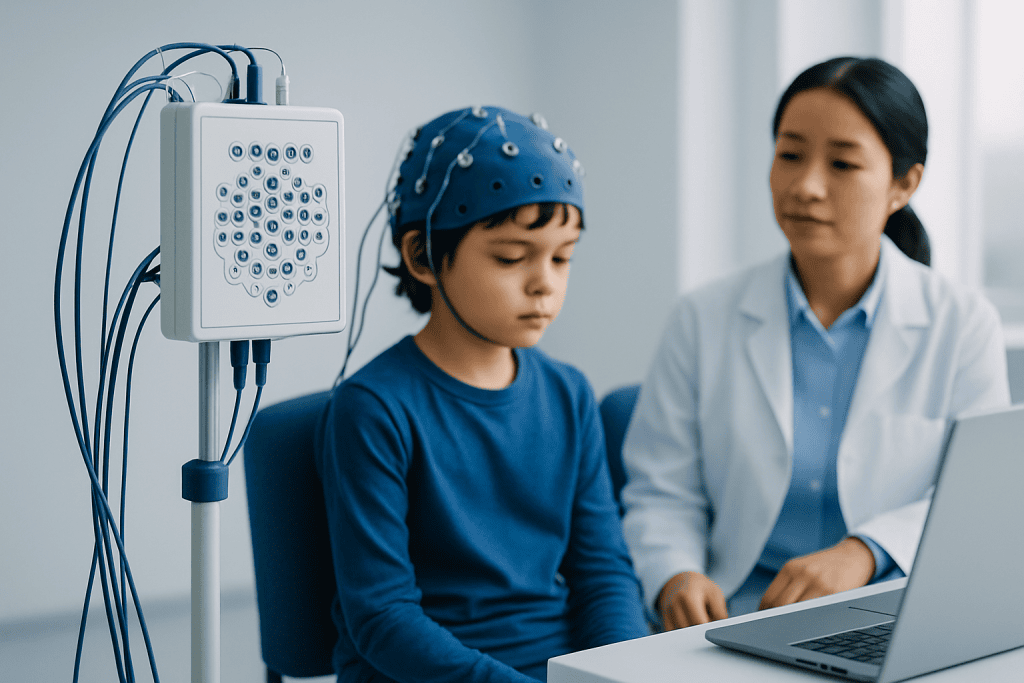
Parents, teachers, and caregivers are often the first to notice that a child is not progressing as expected. One common sign is a mismatch between effort and outcome. A child may try hard, spend a long time on homework, or appear bright in conversation, yet continue to struggle with reading comprehension, written expression, math facts, or following multi-step instructions.
Another sign is persistent trouble with attention, organization, or self-control. This may look like frequent careless mistakes, losing materials, daydreaming, difficulty starting tasks, rushing through work, or becoming overwhelmed by changes in routine. Emotional reactions can also be clues. Some children become frustrated, avoid schoolwork, complain of headaches or stomachaches around school demands, or show low confidence because tasks feel harder for them than for peers.
Testing may also be useful when there are concerns after a medical or neurological event, or when development appears uneven. Consider seeking assessment if a child has any of the following:
- Unexpected drop in grades or slow academic progress
- Difficulty learning to read, spell, write, or do math despite support
- Problems with memory, processing speed, or following directions
- Frequent inattention, impulsivity, or poor task completion
- Ongoing behavior or emotional difficulties affecting school performance
- Social communication problems or trouble understanding cues
- History of seizures, concussion, prematurity, neurological illness, or complex medical treatment
- Large differences between verbal ability, reasoning, and school performance
A child does not need to have every sign to benefit from evaluation. Even one persistent area of concern can justify testing if it is affecting learning, relationships, or daily functioning.
Why Children Are Referred for Neuropsychological Evaluation
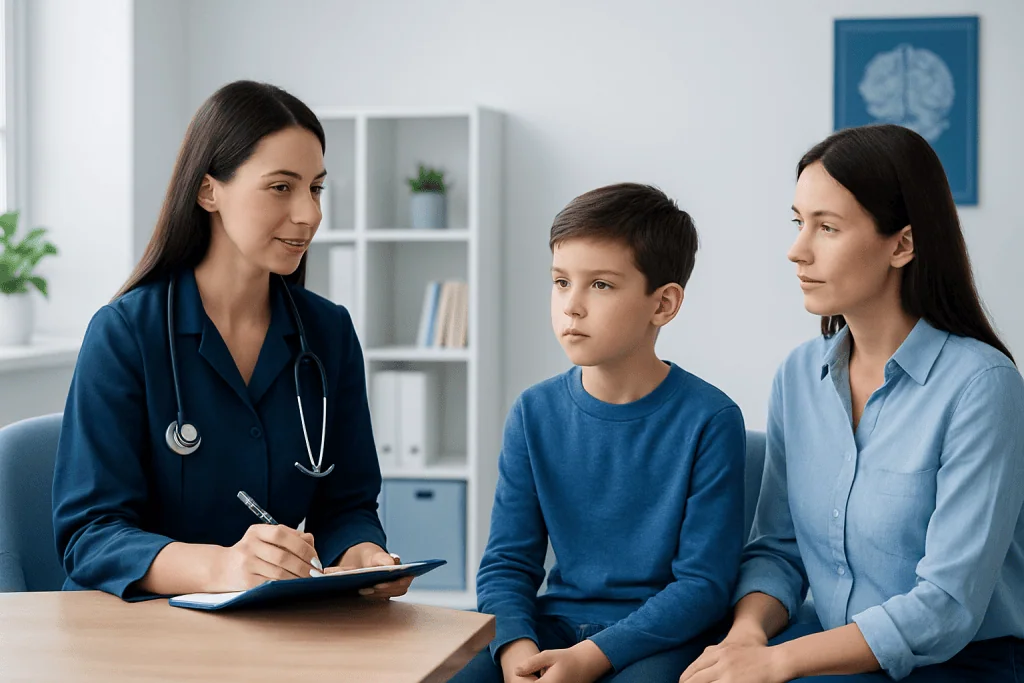
Children may be referred for many reasons, and the purpose is not always to confirm a specific diagnosis. Often, families and clinicians want to answer practical questions: Why is this child falling behind? Why do certain tasks lead to distress? Which supports would truly help? The assessment can identify patterns that are not obvious in regular classroom observation.
Common referral reasons include suspected attention-deficit/hyperactivity disorder, learning disorders, language-related difficulties, developmental conditions, mood or anxiety concerns, and the effects of neurological or medical conditions. A child may also be referred after epilepsy, a brain injury, complex birth history, central nervous system infection, or treatment that may affect cognitive functioning.
In some cases, neuropsychological testing helps distinguish between problems that look similar on the surface. For example, inattention may reflect ADHD, anxiety, sleep problems, hearing or vision concerns, academic skill gaps, or slow processing speed. Reading difficulty may stem from a specific learning disorder, language weakness, attention problems, or broader developmental differences. This clearer understanding helps make treatment and school planning more precise.
What the Evaluation Usually Includes
A neuropsychological evaluation typically begins with a detailed interview about the child’s development, medical history, school progress, family concerns, and current functioning. Parents may be asked about pregnancy and birth history, early milestones, language development, behavior, sleep, and prior therapies or assessments. School records, teacher reports, and previous testing can provide valuable context.
The testing itself usually involves structured tasks chosen for the child’s age and referral question. These may assess intelligence, attention, executive functions, learning and memory, language, visual-motor integration, academic skills, and emotional or behavioral symptoms. Testing is designed to be child-friendly, but it can still be tiring, so breaks are commonly included.
Depending on the child’s history, the broader workup may also involve hearing, vision, speech-language, educational, or neurological assessment. When clinically appropriate, a specialist may recommend related studies such as electroencephalography (EEG) or brain MRI to evaluate possible neurological contributors. Not every child needs these tests; decisions depend on symptoms, exam findings, and medical history.
After testing, the clinician interprets results in context rather than relying on one score alone. A written report usually explains strengths, weaknesses, likely diagnoses if present, and specific recommendations for home, school, and healthcare follow-up.
How Results Can Help at School and Home
One of the most valuable parts of a neuropsychological evaluation is that it can turn broad concerns into practical next steps. Instead of simply saying a child is “struggling,” the report may show that the child learns well through verbal explanation but has weak working memory, or that reading accuracy is stronger than reading fluency, or that anxiety rises when processing demands are high.
This detail can guide accommodations and interventions. A child may benefit from shorter instructions, repetition, visual supports, extra time, reduced written load, seating adjustments, organizational help, reading intervention, speech-language therapy, counseling, or behavior strategies. Recommendations are typically individualized to the child’s profile.
Results can also help families better understand their child’s strengths. That can reduce blame and frustration for everyone involved. When adults understand that a child’s difficulties are not due to laziness or lack of motivation, support often becomes more targeted and compassionate. If needed, the team may suggest follow-up with services such as child neurology or educational and psychological therapies.
Diagnosis and Related Conditions
A neuropsychological evaluation may contribute to diagnosis, but it is only one part of the clinical picture. Diagnoses are made by qualified professionals using history, observation, testing, and sometimes medical examination. In many children, the evaluation helps confirm a condition that has already been suspected. In others, it may show that the main issue is different from what families first assumed.
Conditions that may be considered include ADHD, specific learning disorder, developmental language disorder, intellectual disability, autism spectrum disorder, anxiety, depression, executive function difficulties, and the cognitive effects of neurological illness. Some children have more than one condition, which can make school challenges more complex. A thorough assessment helps sort out these overlapping factors.
Testing is also useful for tracking change over time. A child with a chronic neurological condition, prior injury, or complex medical treatment may need repeat assessment later to monitor development, school needs, or recovery. In some cases, referral for neurology consultation or another specialty evaluation may be advised if symptoms suggest an underlying medical cause.
When to Seek Professional Advice
It is reasonable to seek professional advice when a child’s difficulties are persistent, worsening, or clearly affecting school, friendships, emotional well-being, or family life. Parents do not need to wait for severe problems. Early clarification can help prevent misunderstandings, repeated failure experiences, and unnecessary stress.
A good starting point may be the child’s pediatrician, school counselor, psychologist, or teacher. Families can ask whether concerns are seen across settings, what supports have already been tried, and whether progress is meeting expectations. If routine classroom strategies are not enough, a more comprehensive assessment may be the next step.
Urgent medical assessment is important if changes are sudden or accompanied by neurological symptoms such as seizures, major headaches, loss of skills, confusion, weakness, or significant personality change. For ongoing concerns, multidisciplinary care can be helpful. Acibadem International’s multidisciplinary specialists and JCI-accredited hospitals provide evaluation and treatment planning for international patients who need pediatric neuropsychological and neurological assessment.
Frequently asked questions
What is the difference between school testing and a neuropsychological evaluation?
School testing often focuses on educational eligibility and academic performance. A neuropsychological evaluation is usually broader and looks at attention, memory, language, executive function, learning style, and emotional or behavioral factors to explain why a child is having difficulty.
At what age can a child have neuropsychological testing?
Many types of assessment can be adapted for children, including school-age children. The exact format depends on age, development, language level, and the questions being asked, so the specialist chooses age-appropriate tools.
Does a child need a diagnosis before having an evaluation?
No. In many cases, testing is requested because the diagnosis is unclear. The evaluation helps identify patterns of strengths and difficulties and may support a diagnosis if one is present.
How should parents prepare their child for testing?
It helps to explain that the visit is not a pass-or-fail exam, but a way to understand how the child learns best. Parents should aim for a normal routine, including sleep, meals, glasses or hearing devices if used, and any paperwork requested by the clinic.
Can neuropsychological testing diagnose ADHD or a learning disorder?
Testing can provide important evidence that supports these diagnoses, especially when combined with history, rating scales, school information, and clinical judgment. It also helps rule out other factors that may mimic or worsen similar symptoms.
Will the results help with school accommodations?
Often, yes. The report may include practical recommendations for classroom supports, learning strategies, and follow-up services that can inform discussions with the school. Schools make their own eligibility decisions, but detailed clinical information can be very helpful.
References
- American Academy of Pediatrics
- American Psychological Association
- National Institute of Neurological Disorders and Stroke
- Centers for Disease Control and Prevention
- American Academy of Child and Adolescent Psychiatry
This article is for general information only and is not a substitute for professional medical advice. Please consult a qualified doctor about your individual situation.
Explore treatments in Turkey — costs, top hospitals & a free quote
JCI-accredited · board-certified surgeons · reply within 24h
Add us as a Preferred Source to see more of our trusted health content across Google Search, AI Overviews and Discover.