Child Neurology
Child neurology focuses on diagnosing and managing brain, nerve, muscle, and developmental disorders in infants, children, and adolescents through age-appropriate evaluation and treatment planning.

Quick answer
Pediatric neurology (child neurology) is the medical specialty that diagnoses and treats disorders of the brain, spinal cord, nerves and muscles in infants, children and adolescents. Evaluation combines a detailed history, an age-adapted neurological examination and selective testing such as EEG, MRI or genetic studies. Treatment may involve medication, developmental therapies, rehabilitation and structured long-term follow-up as the child grows.
What Is Pediatric Neurology?
Pediatric neurology is the medical specialty that diagnoses and treats disorders of the brain, spinal cord, nerves and muscles in infants, children and adolescents. It covers conditions as common as migraine and as complex as rare genetic epilepsies, and it is the specialty your child is referred to when seizures, delayed development, unusual movements, weakness or persistent headaches need expert assessment. The same field is called child neurology, and in parts of Europe it is delivered under the name neuropediatrics — three labels for one discipline. Whichever name your local health system uses, the training behind the title and the scope of practice are the same.
The reason the specialty exists is simple: a child’s nervous system is still being built. Symptoms that would mean one thing in an adult can mean something entirely different in a two-year-old, and the examination itself has to change with age. A neurologist assessing an infant watches head growth, feeding, tone and reflexes. The same neurologist assessing a teenager tests strength, coordination, memory and gait. Adult neurology cannot simply be scaled down; the developing brain needs its own specialty, its own reference points and its own way of communicating with the patient.
In practical terms, pediatric neurology is not a single test or procedure. It is a diagnostic and care pathway: careful listening, a structured examination, selective testing and a plan that fits the child’s age, developmental stage and family circumstances. For some conditions, the main value lies in rapid diagnosis and early treatment. For others, it lies in ongoing monitoring, coordination between specialists and honest reassurance that a worrying symptom does not signal serious disease.
What is child neurology?
Child neurology is the branch of medicine concerned with neurological and neurodevelopmental conditions from infancy through adolescence — the same specialty as pediatric neurology, under its older name. The conditions it assesses fall into four broad groups. Some are episodic, such as seizures or migraine attacks that come and go. Some are progressive, such as certain neuromuscular or metabolic diseases that change over time. Some are developmental, such as motor delay or language delay. And some are acquired, arising after infection, trauma, stroke or inflammation.
Because these conditions touch so many aspects of a child’s life, child neurology rarely works alone. The specialty routinely collaborates with paediatricians, neuroradiologists, geneticists, neurosurgeons, child psychiatrists, rehabilitation physicians, physiotherapists, speech and language therapists, psychologists and intensive care teams when the situation demands it. A child with a complex condition may have one neurologist coordinating input from half a dozen other disciplines, which is often more valuable than any single appointment.
What does a pediatric neurologist do?
A pediatric neurologist listens to the family’s description of symptoms, reviews previous records, examines the child in an age-appropriate way and decides which tests are genuinely useful — then builds and adjusts a treatment plan over time. Depending on the situation, testing may include blood tests, electroencephalography to record the brain’s electrical activity, magnetic resonance imaging or other neuroimaging, nerve and muscle studies, sleep studies, metabolic testing or genetic evaluation. None of these is ordered by default; each has to earn its place by being likely to change the diagnosis or the treatment.
Treatment is equally varied. It may involve medication, emergency planning, developmental therapies, rehabilitation, nutrition support, seizure action planning, headache management, movement disorder treatment, sleep optimisation, school recommendations, genetic counselling or referral for advanced interventions. The specialist’s job is to match the right combination to the individual child — and, just as importantly, to avoid treatments the child does not need.
When a Child’s Neurological Symptoms Raise Concern
When a child has seizures, delayed development, frequent headaches, unusual movements, weakness, sleep problems, learning difficulties or changes in behaviour, you are often left trying to interpret signs that are both frightening and unclear. A symptom may appear suddenly, such as a first seizure. Or it may become noticeable slowly: delayed speech, poor coordination, muscle stiffness, difficulty keeping up at school. You may wonder whether the issue is temporary, developmental, genetic, related to the brain, or something that needs urgent attention. If you find yourself starting to think neurology might explain what you are seeing, that instinct is worth taking seriously — parents usually notice subtle changes before anyone else does.
Wherever in the world you begin looking for help, the useful questions are the same: who will examine my child, which tests are actually needed, and what happens after the diagnosis. This page answers those questions for pediatric neurology in general and describes how the pathway is organised for families who choose to be seen at Acibadem.
Timely assessment matters because many pediatric neurological conditions respond best when they are recognised early and managed with a structured plan. In some children, early treatment can reduce seizures, prevent complications, support development and help you make informed decisions. In others, a careful assessment provides reassurance and avoids unnecessary treatment. The goal is never only to name a diagnosis. It is to understand the whole child: medical history, development, movement, learning, sleep, behaviour, family concerns and quality of life.
For families considering care abroad, the decision carries extra weight. You may be seeking a clearer diagnosis, a second opinion, advanced testing, a treatment plan that brings several specialists together, or continuing care for a condition already identified at home. A well-organised child neurology evaluation can explain what is happening, what should be monitored, what treatment may help and which signs deserve attention — and it should leave you with a plan you can carry on after you return.
Who May Need a Pediatric Neurology Evaluation?
A child may need to see a pediatric neurologist when symptoms suggest a problem involving the brain, nerves, muscles, spinal cord or development. Some referrals are urgent, particularly when symptoms are sudden, severe, or accompanied by loss of consciousness, weakness, confusion, persistent vomiting, severe headache, breathing difficulty or repeated seizures. Other referrals are planned, often after parents, paediatricians, teachers or therapists notice developmental or functional concerns that have persisted or worsened.
Common reasons families seek a child neurology consultation include seizures or suspected seizures, fainting episodes that are hard to explain, staring spells, abnormal movements, tics, tremor, weakness, delayed walking, muscle stiffness, floppy muscle tone, poor coordination, balance problems, headaches, migraine, dizziness, sleep disturbances, developmental delay, autism-related concerns, speech delay, learning difficulties, attention concerns where neurological causes need assessment, or regression in previously acquired skills. Regression — the loss of skills a child once had — deserves particular attention, because it points towards a different set of causes than delay alone.
Diagnosis begins with a detailed history, and this is where you do much of the work. The pediatric neurologist will ask when symptoms started, how often they occur, what they look like, how long they last, whether the child is aware during an episode, what happens afterwards, and whether there are triggers such as fever, lack of sleep, stress, exercise, specific foods or flashing lights. Family history matters too, because some neurological conditions follow genetic or inherited patterns.
The examination is adapted to the child. In an infant, the doctor assesses head growth, feeding, eye movements, muscle tone, reflexes, posture and developmental milestones. In a toddler, much of the examination happens through play — observing movement, speech, coordination and interaction rather than issuing instructions. In school-age children and adolescents, the examination evaluates strength, balance, sensation, coordination, memory, language, gait, vision-related neurological signs and higher cognitive functions. Where eye findings need specialist assessment, the neurologist may involve pediatric ophthalmology colleagues.
A pediatric neurology evaluation is especially important in these situations:
- First-time seizure or repeated seizure-like episodes: a structured assessment helps distinguish epileptic seizures from fainting, breath-holding spells, sleep events, movement disorders and other look-alike conditions.
- Developmental delay or regression: delayed milestones or loss of skills can require neurological, metabolic, genetic and developmental evaluation together.
- Persistent or severe headaches: most childhood headaches are not caused by dangerous disease, but certain patterns need specialist assessment and sometimes imaging.
- Weakness, abnormal tone or walking difficulties: these symptoms may arise from the brain, spinal cord, nerves, muscles or the neuromuscular junction — each with different implications.
- Abnormal movements: tremor, tics, dystonia, chorea, myoclonus or repetitive episodes may need detailed observation and targeted testing.
- Neurological symptoms after illness or injury: infection, inflammation, trauma or stroke-like events require careful diagnosis and follow-up.
- Complex chronic conditions: children with cerebral palsy, epilepsy, neuromuscular disorders, genetic syndromes or metabolic conditions often need coordinated long-term care rather than one-off appointments.
Conditions Treated in Child Neurology
Child neurology covers a broad range of conditions. Some are common and manageable with outpatient care; others are rare, complex, or require hospital-based evaluation. Precise diagnosis matters because symptoms such as weakness, developmental delay, headache or abnormal movements can have many different causes — and different causes need different treatment.
What is the most common pediatric neurological disorder?
Headache — including migraine — is among the most frequent neurological complaints in childhood, while epilepsy is one of the most common chronic neurological disorders that pediatric neurologists treat long term. Which problem dominates a clinic’s workload depends on the population it serves, but seizures, headaches and developmental concerns together account for a large share of referrals in most services. That a condition is common does not make it simple: two children with headache, or two children with seizures, can need entirely different care.
Epilepsy and seizure disorders are among the most frequent reasons for pediatric neurology care. Children may have generalised seizures, focal seizures, absence seizures, febrile seizures, infantile spasms, or seizure-like episodes caused by non-epileptic conditions. Evaluation may include electroencephalography, brain imaging, laboratory tests and sometimes genetic or metabolic assessment. Treatment is tailored to seizure type, age, cause, lifestyle, safety needs and medication tolerability — the details are covered on our pediatric epilepsy page.
Headache and migraine affect many children and adolescents. The neurologist assesses the headache pattern, associated symptoms, family history, neurological examination, sleep, hydration, nutrition, stress, screen exposure and medication use. The aim is to identify warning signs, reduce headache frequency, manage attacks appropriately and help your child return to normal school and social activities — not merely to rule out serious disease, though that is part of the job.
Developmental and neurodevelopmental concerns include global developmental delay, speech and language delay, motor delay, intellectual disability, autism spectrum-related concerns, attention and learning difficulties where neurological evaluation is indicated, and developmental regression. Child neurologists work with developmental paediatricians, psychologists, therapists and genetic specialists to understand the child’s needs and guide therapy planning. The question here is rarely answered by one test; it is answered by combining medical assessment with structured developmental evaluation.
Neuromuscular disorders affect muscles, nerves, or the connection between nerves and muscles. They may cause weakness, fatigue, delayed walking, frequent falls, difficulty climbing stairs, swallowing difficulties, breathing concerns or abnormal muscle tone. Evaluation can include blood tests such as muscle enzyme levels, nerve conduction studies, electromyography in selected children, genetic tests, imaging, or muscle biopsy in specific cases. Long-term management of these conditions is described on our pediatric neuromuscular page.
Movement disorders in childhood include tics, tremor, dystonia, chorea, ataxia, myoclonus and paroxysmal movement episodes. Some are benign or improve with time; others reflect genetic, metabolic, inflammatory, medication-related or structural causes. Video recordings from parents are often the single most useful diagnostic tool here, because the movements frequently refuse to appear during the appointment. Our pediatric movement page explains how these conditions are assessed and treated.
Child neurology also addresses cerebral palsy and other motor disorders, pediatric stroke, brain malformations, neurogenetic syndromes, neurocutaneous syndromes, sleep-related neurological problems, dizziness and balance disorders, neurological complications of infection or immune disease, and follow-up after traumatic brain injury. In medically complex children, the neurologist often becomes one member of a wider care team rather than the only specialist involved.
Are neurologic assessments impacted when a child has HIE?
Yes. Hypoxic-ischaemic encephalopathy (HIE) — brain injury caused by reduced oxygen and blood flow, most often around birth — directly affects what a neurological assessment shows and how it must be interpreted. In the newborn period, HIE can alter consciousness, muscle tone, reflexes, feeding and breathing patterns, and clinicians use structured grading of these findings to judge severity and guide early management. Later in childhood, the assessment shifts: the neurologist tracks motor development, tone, seizure activity, feeding, vision, hearing, learning and behaviour over time, because the consequences of HIE emerge gradually as the brain matures. A single early examination cannot predict everything, which is why children with a history of HIE are usually followed with repeated developmental and neurological assessments rather than assessed once and discharged.
Can child maltreatment cause neurological damage?
Yes, it can. Physical abuse — particularly abusive head trauma in infants — can cause bleeding around or within the brain, brain injury, seizures and long-term motor and cognitive consequences. Beyond physical injury, sustained neglect and severe chronic stress in early life can affect brain development, with recognised links to later difficulties in learning, attention, emotional regulation and behaviour. When a neurological presentation raises the possibility of maltreatment, evaluation is handled by clinicians trained for this situation, usually involving paediatric, imaging, ophthalmological and safeguarding expertise together, because the findings must be interpreted carefully and other medical explanations must be considered before conclusions are drawn.
How a Pediatric Neurology Evaluation Works
A child neurology pathway moves from careful listening to focused testing to an individualised plan. It may be completed in a single outpatient visit, spread over several appointments, or carried out during hospital admission if symptoms are urgent or complex. For international patients, much of the preparation can begin before travel, so the medical team can review available records and advise which documents and test results to bring. In outline, the pathway runs like this:
- Records, reports and any home videos of episodes are gathered and, where possible, reviewed in advance.
- The neurologist takes a detailed history from you and, where age allows, from your child.
- An age-adapted neurological examination is performed.
- Tests are selected — only those likely to clarify the diagnosis or change treatment.
- Findings are explained, including any remaining uncertainty, and a treatment plan is agreed.
- Follow-up is scheduled to monitor response, adjust the plan and coordinate with your doctors at home.
Preparation Before the Appointment
Preparation starts with collecting your child’s medical history. You will usually be asked to provide previous clinic notes, hospital reports, medication lists, vaccination history, growth records, developmental assessments, school or therapy reports, imaging studies, electroencephalography reports, laboratory results and genetic test results if available. If your child has episodes — seizures, fainting, abnormal movements, sleep events — a home video recorded when it is safe to do so can be extremely valuable, often more so than a description.
It also helps to write down the timing of symptoms, triggers, duration, recovery period, any associated fever or illness, and family history of seizures, migraine, developmental delay, muscle disease or genetic disorders. For headaches, keep a headache diary. For seizures, a seizure diary guides treatment decisions. For developmental concerns, milestone history matters: when your child first smiled, sat, walked, spoke, interacted and began school-related skills. These details feel small; to the neurologist, they are the raw material of diagnosis.
The Consultation and Neurological Examination
During the consultation, the pediatric neurologist reviews the history in detail and examines your child in a way suited to their age and comfort. The doctor may observe how the child walks, plays, speaks, follows instructions, uses their hands, makes eye contact, tracks objects, maintains posture and responds to sensory input. In infants, the examination includes reflexes, tone, feeding-related observations, head control and developmental responses. In older children, it covers strength, coordination, sensation, balance, eye movements, reflexes and cognitive screening.
Your concerns are central to the visit, not an interruption to it. A good consultation takes your observations seriously while explaining clearly which symptoms are concerning, which can be monitored, and which tests are actually likely to change management. If a test is not recommended, you should hear why — that reasoning is part of the care, not a refusal of it.
Diagnostic Testing and Technology
Testing follows the symptoms and the examination, not a fixed menu. Electroencephalography (EEG) records the brain’s electrical activity and is commonly used when seizures are suspected. In some cases, longer monitoring or video-EEG helps capture events and distinguish epileptic seizures from other episodes. Sleep-deprived recordings, or recordings made during sleep, can be useful for certain seizure types that hide from a standard daytime study.
Neuroimaging — especially magnetic resonance imaging (MRI) — provides detailed views of brain structure, development, injury, inflammation, tumours, malformations or changes related to seizures. In selected cases, imaging of the spine or blood vessels is added. For younger children, or children who cannot remain still, sedation or anaesthesia may be considered, with pediatric safety protocols and monitoring throughout.
Laboratory tests may assess infection, inflammation, metabolic function, vitamin levels, medication levels, muscle enzymes, autoimmune markers, or organ function before certain medicines are prescribed. Genetic testing has become increasingly important in child neurology — particularly for early-onset epilepsy, developmental delay, neuromuscular disorders, movement disorders and unexplained neurological syndromes. Genetic results can sometimes clarify the diagnosis, guide medication choices, identify associated health risks and inform counselling for the wider family.
Nerve conduction studies and electromyography are used when a nerve or muscle disorder is suspected, though they are selected carefully in children because they can be uncomfortable. Sleep studies help when symptoms suggest sleep-related breathing disorders, abnormal nocturnal events, or sleep problems affecting development and behaviour. Developmental and neuropsychological assessments clarify cognitive strengths, learning needs, attention, memory, language and the support your child may need at school.
Treatment Planning
After the assessment, the neurologist explains the likely diagnosis — and the remaining uncertainty, if there is any — along with recommended tests, treatment options and the follow-up plan. For epilepsy, the plan may cover antiseizure medication, rescue medication, seizure first aid, sleep and activity guidance, and clear criteria for seeking emergency care. For migraine, it may include trigger management, acute medicines, preventive medicines where needed, sleep and hydration strategies, and monitoring for medication overuse. Any medication decision — starting, adjusting or stopping — belongs to the treating doctor, made with you, with your child’s full history in front of them.
For developmental or neuromuscular conditions, treatment is usually a coordinated programme rather than a single intervention. Physical therapy, occupational therapy, speech and language therapy, nutrition support, orthopaedic monitoring, respiratory assessment, psychological support and genetic counselling may all be relevant. When surgery or an advanced intervention is under consideration — an epilepsy surgery evaluation, for instance, or neurosurgical treatment for a structural problem — the case may be reviewed by a multidisciplinary board so that several specialists weigh the decision together.
How Long Does the Evaluation Take?
It depends on complexity, your child’s age, and whether testing happens the same day. A straightforward outpatient consultation may be completed in one visit. Complex epilepsy, developmental regression, neuromuscular disease or rare disease evaluation may require several days of coordinated appointments and tests. International patients often benefit from having evaluations grouped efficiently where that is clinically appropriate — one advantage of planning the visit in advance.
Recovery depends on the condition and the treatment. Many visits involve no procedure at all, so your child returns to normal activities immediately afterwards. EEG is noninvasive. Imaging with sedation requires observation until the child is fully awake. Medication changes are monitored over days to weeks, while developmental therapies and rehabilitation show progress over months and longer. Chronic conditions need scheduled follow-up and periodic adjustment as your child grows — the plan that suits a four-year-old rarely suits the same child at ten.
Why Acting Early Matters
Early evaluation matters because children’s brains and bodies are still developing. When neurological symptoms are identified promptly, treatment and support can be introduced during the periods that matter most for learning, movement, communication and behaviour. In some conditions, early action reduces the risk of complications. In others, it spares a family months or years of uncertainty and lets them focus on the most useful next steps.
Delaying evaluation after seizures can mean further episodes without an emergency plan, appropriate medication or safety guidance in place. Delayed assessment of developmental regression can postpone the diagnosis of metabolic, genetic, inflammatory or structural conditions that need specific management. Persistent weakness, abnormal walking or swallowing concerns can lead to falls, nutritional problems, fatigue or respiratory complications if the underlying cause is not addressed. And severe headaches with warning features should not be ignored, because — rarely — they can indicate raised pressure, inflammation, bleeding, infection or another serious condition.
Early care matters emotionally too. Families often reorganise their whole lives around symptoms without knowing what those symptoms mean. A clear plan tells you when to be vigilant, when to encourage normal activity, and how to talk to schools, caregivers and relatives. For the child, timely treatment can reduce fear, improve participation and rebuild confidence in daily life — outcomes that never appear on a scan but matter as much as anything that does.
Benefits of Child Neurology Care
What you gain from pediatric neurology care depends on the diagnosis, but a structured evaluation reliably provides clarity, direction and safer long-term management.
| Benefit | What It Means for You |
|---|---|
| Age-appropriate neurological assessment | Your child is evaluated in a way that reflects their stage of brain, motor, language and emotional development. |
| More precise diagnosis | Careful history, examination and targeted testing distinguish between conditions that look similar but need different treatment. |
| Personalised treatment plan | Medication, therapies, monitoring, school guidance and safety recommendations are tailored to your child’s condition and your family’s circumstances. |
| Coordination with other specialists | Complex conditions can be reviewed with pediatric, genetic, imaging, rehabilitation, neurosurgical or psychiatric specialists when appropriate. |
| Improved long-term monitoring | Follow-up adjusts treatment as your child grows, symptoms change, and developmental or school needs evolve. |
| Family education and emergency planning | You receive practical guidance on warning signs, seizure first aid where relevant, medication use, activity safety and when to seek urgent care. |
Recovery and Care Timeline
Because child neurology spans many different conditions, the timeline below describes what families can generally expect once an evaluation is done and a plan begins. Your child’s own timeline will be set by their diagnosis and their team.
| Time Period | What Patients Can Expect |
|---|---|
| Day 1 | The child is examined, records are reviewed, and initial recommendations are discussed. Some tests may be performed the same day, depending on the clinical plan. |
| First Week | Test results begin to return. Medication may be started or adjusted by the treating doctor if needed. Families receive written instructions, safety guidance, or referrals for therapy. |
| First Month | The care team reviews response to treatment, side effects, symptom diaries, therapy progress, and any additional results such as imaging, blood tests, or EEG findings. |
| First Three to Six Months | Progress becomes clearer. The treatment plan may be refined, therapy goals updated, and school or developmental recommendations adjusted. |
| Longer Term | Children with chronic conditions need periodic follow-up, medication monitoring, developmental reassessment, rehabilitation planning, and transition support as they approach adolescence. |
Factors That Influence Outcomes
Outcomes in child neurology depend on many things: the underlying diagnosis, the age at symptom onset, how quickly the condition is recognised, the child’s overall health, any associated medical issues, and — not least — the consistency of follow-up and therapy. Some conditions are short-lived and resolve with limited treatment. Others require long-term care, and progress is measured in improved function, fewer episodes, better comfort, safer daily living or more effective developmental support rather than in disappearance of the condition.
Accurate diagnosis is the single most important factor. A child with seizure-like episodes will not benefit from antiseizure medication if the events are actually fainting, sleep-related movements or non-epileptic episodes. Conversely, a child with subtle seizures may need treatment even when the episodes look brief and harmless. Delayed walking can reflect anything from benign variation to cerebral palsy, muscle disease, spinal problems or genetic conditions. The right diagnosis protects your child from both undertreatment and unnecessary treatment — and getting it right is worth the time it takes.
Adherence to the care plan affects results just as much. Medications should be taken as prescribed by the treating doctor, and side effects should be reported rather than quietly endured. Therapy programmes work best when goals are realistic and practised consistently between sessions. You may be asked to keep seizure, headache, sleep or movement diaries; these records are how the physician judges whether treatment is genuinely working, so they are worth maintaining even when life is busy.
Home and school environments matter too. A child with epilepsy needs a seizure action plan shared with caregivers and teachers. A child with migraine benefits from sleep regularity, hydration, sensible nutrition and school accommodation during severe attacks. A child with developmental or motor challenges gains from early therapy, assistive devices where appropriate, classroom support and a family that understands the condition. The best outcomes almost always come from medical care combined with practical support in daily life — neither alone is enough.
For rare or complex conditions, multidisciplinary review adds real value. Different specialists interpret the same symptoms from different perspectives — genetics, imaging, metabolism, rehabilitation, behaviour, surgery, intensive care. When those perspectives are brought together around one child, the treatment plan becomes more complete and better aligned with what the child and family actually need.
How Pediatric Neurologists Are Trained
Families weighing up a specialist often want to understand what stands behind the title. The training pathway is long and deliberately broad, because the specialty has to bridge two worlds: general child health and the nervous system.
How long is child neurology residency?
In the United States, child neurology residency typically takes five years after medical school: usually two years of general pediatrics followed by three years of neurology training, which includes adult neurology alongside dedicated child neurology experience. Many specialists then add further fellowship training in areas such as epilepsy, neuromuscular disease, neurodevelopment or neurocritical care. Counting university, medical school and residency together, the road to independent practice spans well over a decade.
Is child neurology a residency?
Yes — in the United States and some other systems, child neurology is its own residency with a defined pathway, entered directly or after initial pediatrics training. In many other countries, including much of Europe, the structure differs: doctors first complete training in paediatrics or in neurology and then subspecialise in paediatric neurology afterwards. The destination is the same — a physician trained in both child health and the nervous system — even though the route varies by country.
Is child neurology competitive?
It is a relatively small specialty, and entry is selective, but it has historically been less fiercely contested than some high-profile fields — partly because the training is long and the work is demanding. Many health systems report a shortage of pediatric neurologists relative to the number of children who need them, which is one reason families in some regions face long waits for appointments and why some choose to travel for evaluation.
Is pediatric neurology a good career — and is it hard?
Most who practise it describe pediatric neurology as intellectually rich and personally meaningful, and also genuinely demanding. The specialist follows children and families over years, often through difficult diagnoses, and must combine diagnostic precision with patience, communication skill and comfort with uncertainty. The difficulty is real — rare diseases, distressed families, conditions without simple fixes — but so is the reward: few fields let a doctor influence the whole arc of a child’s development. For you as a parent, this training and temperament are what you are drawing on when you sit down in the consultation room.
Pediatric Neurology Care for International Patients at Acibadem
International families come to Acibadem when they need a careful pediatric neurology evaluation, a second opinion, coordinated testing or a treatment plan for a complex neurological condition. For parents travelling from another country, clinical quality is only part of the picture. Clear communication, efficient scheduling, language support, help with medical records and a care environment built around children all shape the experience — and all of them are part of how the service is organised.
Acibadem hospitals provide child neurology care within hospital settings supported by pediatrics departments, advanced imaging, laboratory services, rehabilitation units, intensive care resources and specialist consultation when needed. Pediatric neurologists work alongside other physicians and allied health professionals so that conditions are evaluated from multiple angles. In complex cases, multidisciplinary boards or specialist discussions support decision-making — particularly where epilepsy surgery evaluation, neurogenetic diagnosis, neuromuscular disease, metabolic disease, neurodevelopmental concerns or neurosurgical questions are involved.
The diagnostic pathway is planned according to international, evidence-based medical standards. In plain terms: tests are selected because they are expected to clarify the diagnosis or influence treatment, not because they are available. EEG, video monitoring where indicated, pediatric neuroimaging, laboratory studies, metabolic evaluation, genetic testing, neuropsychological assessment, sleep evaluation and neuromuscular studies can each be integrated into the plan — but only when your child’s symptoms call for them.
Technology serves the same purpose. High-resolution imaging helps identify structural causes of seizures, developmental abnormalities, inflammation, tumours, vascular conditions or injury. EEG characterises seizure types and informs medication decisions. Genetic and metabolic testing can reveal causes invisible on imaging. Digital medical records and coordinated scheduling let different specialists review the same information, which reduces the fragmentation that so often frustrates families managing complex conditions across several clinics.
For children, the clinical environment itself matters. Pediatric care requires patience, age-appropriate communication and sensitivity to fear, fatigue and unfamiliar surroundings. A neurological examination may need to happen through play, observation or gentle interaction rather than rigid instruction. You should feel able to ask detailed questions and to understand the reasoning behind every test and every recommendation — that expectation is reasonable, and a good service will meet it.
Acibadem International supports patients before, during and after travel with services designed for cross-border care: assistance with appointment coordination, medical record transfer, translation and interpretation in more than 20 languages, hospital admission planning, communication between departments and support for follow-up arrangements. For a family managing a child’s neurological condition, this coordination reduces logistical strain and keeps the visit focused on the child’s health rather than the paperwork.
Personalised planning matters especially in child neurology, because two children with the same diagnosis can need quite different care. Age, developmental level, seizure type, school needs, family circumstances, medication tolerance, genetic findings and coexisting conditions all shape the plan. The aim is a set of recommendations that are medically sound and practical for your family to continue after returning home — including coordination with your local physicians whenever appropriate.
What a Thorough Evaluation Should Give You
Child neurology is about more than naming a condition. It is about understanding how a neurological issue affects your child’s development, safety, comfort, learning, movement and daily life — and then building a plan that supports the child and the family over time. A thorough evaluation should leave you with four things: an explanation of what is happening, or an honest account of what remains uncertain; a clear plan for treatment or monitoring; practical guidance for home and school; and a defined follow-up arrangement so the plan evolves as your child grows.
Whether the diagnosis turns out to be common and manageable or rare and complex, structure beats uncertainty. Families who arrive with months of unexplained symptoms usually leave with something they did not have before: a framework for understanding what they are seeing, a sense of which signs matter, and a path forward they can follow with confidence. That, more than any single test or prescription, is what pediatric neurology exists to provide.
Preparation
- Bring previous medical records, test results, imaging, EEG reports, medication lists, and school or developmental assessments if available. Parents should note symptoms, seizure descriptions, developmental milestones, sleep patterns, and family history before the visit. Some children may need blood tests, EEG, or MRI depending on the neurologist’s assessment.
Aftercare
- After the consultation, follow the neurologist’s medication, therapy, lifestyle, or monitoring plan as advised. Keep a symptom or seizure diary if recommended, and attend scheduled follow-up visits to adjust treatment. Seek urgent care for prolonged seizures, sudden weakness, loss of consciousness, or rapidly worsening neurological symptoms.
Turkey vs UK, Germany & USA
Child neurology costs and patient experience vary depending on the complexity of the condition, diagnostic tests, specialist input, and whether care is outpatient or hospital based. International families often compare access, accreditation, language support, and coordination of services when choosing where to seek care.
The comparison below highlights practical factors that may influence the overall cost and experience of child neurology care in different destinations.
| Factor | Turkey | UK | Germany | USA |
|---|---|---|---|---|
| Cost structure | Private hospital packages may combine specialist consultation, selected tests, and care coordination; final cost depends on diagnostics and treatment needs. | Private care costs vary by clinic and hospital; public care may involve referral pathways and eligibility rules. | Costs vary by hospital type, specialist involvement, and diagnostic workup; itemised billing is common. | Costs can vary widely by provider, insurance status, facility fees, and the scope of testing. |
| Specialist and hospital factors | Large private hospitals may offer paediatric neurology, imaging, laboratory, rehabilitation, and other paediatric specialties in one setting. | Care may be delivered through public specialist centres or private consultants, depending on pathway and availability. | University and specialist hospitals may offer advanced diagnostics and subspecialty referrals. | Academic medical centres and private children’s hospitals may provide highly specialised services with complex billing pathways. |
| Accreditation and quality | International patients may look for JCI-accredited hospitals, paediatric safety protocols, and multidisciplinary case review. | Quality is assessed through national regulation, hospital governance, and specialist credentialing. | Quality is supported by national standards, specialist training, and hospital certification systems. | Quality indicators may include hospital accreditation, specialist board certification, and paediatric programme experience. |
| Waiting times | Private appointments and diagnostic scheduling may be coordinated for international families, depending on urgency and test availability. | Public pathways may involve waiting lists; private appointments may offer different scheduling options. | Access depends on referral route, region, and specialist availability. | Access may be faster in some private settings, but scheduling depends on insurance, provider availability, and required tests. |
| Travel and language logistics | International patient teams may assist with appointment planning, interpreters, medical records, airport and hotel coordination when available. | English-language care is standard; travel planning is usually arranged independently unless supported by a private provider. | Interpreter support may be needed for non-German-speaking families and should be confirmed before travel. | English-language care is standard; families may need to coordinate insurance, travel, and accommodation separately. |
| What packages may include | Packages may include consultation, selected tests, interpreter support, care coordination, reports, and follow-up planning, depending on the child’s needs. | Private packages may include consultation and selected diagnostics, while additional tests or referrals may be billed separately. | Packages vary; diagnostics, specialist opinions, and therapy referrals may be billed according to the planned pathway. | Packages are less standardised; facility, physician, diagnostic, and follow-up charges may be billed separately. |
What affects your final cost
- The child’s symptoms, diagnosis, age, and medical history.
- Whether the visit is for assessment, ongoing care, urgent symptoms, or a complex condition.
- Need for EEG, video EEG, MRI, laboratory, genetic, metabolic, or neurophysiology tests.
- Input from other specialists such as paediatrics, genetics, psychiatry, neurosurgery, physiotherapy, speech therapy, or dietetics.
- Whether care is outpatient, day case, or inpatient.
- Medication plans, rehabilitation needs, assistive devices, and follow-up arrangements.
- Interpreter support, medical report translation, travel, accommodation, and family logistics.
Compare your options
Child neurology includes a range of assessment and treatment options. Suitability is decided by a paediatric neurologist or relevant specialist after reviewing the child’s history, examination findings, and test results.
| Option | What it is | Typical use | Key considerations |
|---|---|---|---|
| Paediatric neurology consultation | A specialist assessment of the child’s symptoms, development, neurological examination, and previous records. | Used for seizures, headaches, developmental delay, movement problems, weakness, fainting episodes, learning concerns, and other neurological symptoms. | Often the starting point for deciding which tests or referrals are needed. |
| Developmental and behavioural assessment | Age-appropriate evaluation of motor, language, learning, attention, social, and behavioural development. | Used when there are concerns about developmental delay, neurodevelopmental disorders, school difficulties, or regression. | May require input from psychology, psychiatry, speech therapy, occupational therapy, or rehabilitation specialists. |
| EEG and video EEG | Tests that record brain electrical activity, sometimes with video monitoring during events. | Commonly used when seizures, epilepsy, staring spells, or unexplained episodes are suspected. | Results are interpreted together with clinical history; a normal result does not always exclude epilepsy. |
| Neuroimaging | Imaging such as MRI to assess the brain, spine, or related structures. | Used for selected headaches, seizures, developmental concerns, movement disorders, weakness, or suspected structural conditions. | Some children may need sedation or anaesthesia, which affects planning, safety checks, and cost. |
| Laboratory, genetic, and metabolic testing | Blood, urine, or genetic tests used to investigate inherited, metabolic, inflammatory, or systemic causes. | Used when symptoms suggest a genetic syndrome, neuromuscular disorder, developmental regression, unexplained seizures, or complex neurological disease. | Testing should be targeted; counselling and careful interpretation may be needed. |
| Medication and long-term management | Use of medicines and monitoring plans for neurological conditions. | Used for epilepsy, migraine, movement disorders, spasticity, neuropathic pain, and other conditions. | Dose adjustment, side effect monitoring, school planning, and follow-up are important. |
| Rehabilitation and therapy planning | Physiotherapy, occupational therapy, speech therapy, swallowing support, and developmental interventions. | Used for cerebral palsy, neuromuscular disease, developmental delay, acquired brain injury, and functional difficulties. | Care is usually multidisciplinary and may require ongoing sessions rather than a single hospital visit. |
| Advanced epilepsy or neuromuscular pathways | Specialist pathways that may include detailed monitoring, surgical review, device evaluation, or complex multidisciplinary care. | Used when seizures are difficult to control or when muscle and nerve disorders require advanced investigation. | Not suitable for every child; decisions depend on diagnosis, test results, risks, and family goals. |
General information only — not medical or financial advice. Final costs depend on the factors above and your individual case; request a free, personalised quote.
Frequently Asked Questions
What affects the cost of child neurology care?
The final cost depends on the child’s symptoms, the complexity of the condition, the type of specialist assessment, required tests, need for imaging or EEG, involvement of other specialists, and whether care is outpatient or inpatient. Travel, interpreter services, translated reports, and follow-up planning may also affect the total.
How can international families get a personalised quote?
Families can request a free consultation by sharing the child’s medical history, current symptoms, previous test results, medications, and any referral notes. A care team can then review the information and prepare a personalised plan and quote based on the recommended pathway.
Are diagnostic tests included in a child neurology package?
Some packages may include the initial consultation and selected tests, but additional diagnostics such as MRI, EEG, genetic testing, laboratory tests, or specialist referrals may be recommended after examination. The quote should clarify what is included and what may be billed separately.
Will my child need to stay in hospital?
Many child neurology assessments are outpatient visits, but hospital admission may be needed for video EEG monitoring, urgent symptoms, complex investigations, treatment adjustment, or procedures requiring anaesthesia. The specialist will advise based on clinical need.
Can reports and follow-up be provided in English?
International patient departments can often help coordinate English-language communication, interpreter support, medical report preparation, and follow-up planning. Families should confirm language and documentation needs before travel.
Is this information medical or financial advice?
No. This is general information for comparison purposes. A paediatric neurology specialist should assess the child, and the hospital team should provide a personalised quote before any treatment decisions are made.
Medically reviewed by the Acıbadem International Medical Board — August 31, 2026
See our medical review board →
Update history
- PublishedJune 8, 2026
- Medical review approvedAugust 31, 2026
- Last content updateAugust 31, 2026
References1
- Child Development — cdc.gov
Trusted care for international patients
Doctors Performing This Treatment

Prof. Dr. Altay Bedük
Neurosurgery
Prof. Dr. Müfit Kalelioğlu
Neurosurgery
Prof. Dr. Memet Özek
Neurosurgery
Prof. Dr. Mehmet Zafer Berkman
Neurosurgery
Prof. Dr. Elif Ilgaz Aydınlar
Neurology
Prof. Dr. Sertaç İşlekel
Neurosurgery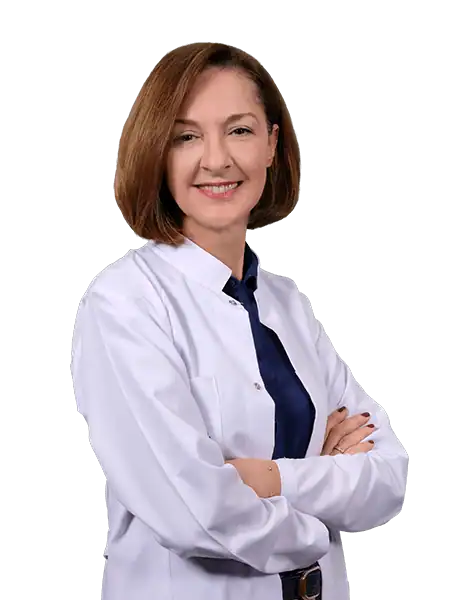
Prof. Dr. Ayşe Sağduyu Kocaman
Neurology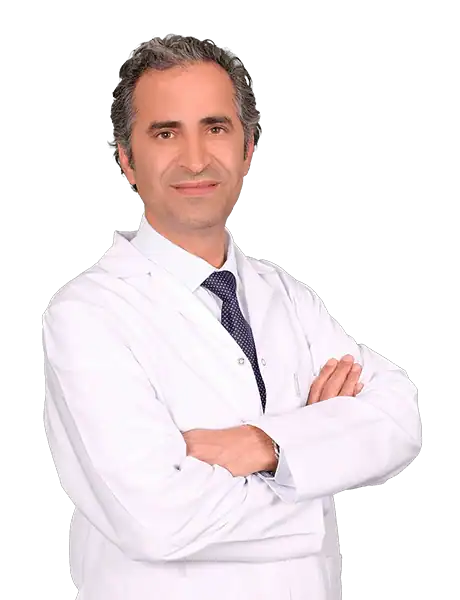
Prof. Dr. Kenan Koç
Neurosurgery
Prof. Dr. Koray Özduman
Neurosurgery
Prof. Dr. Dilaver Kaya
Neurology
Prof. Dr. Deniz Konya
Neurosurgery
Prof. Dr. Kayıhan Uluç
Neurology
Prof. Dr. Hüseyin Hayrı Kertmen
Neurosurgery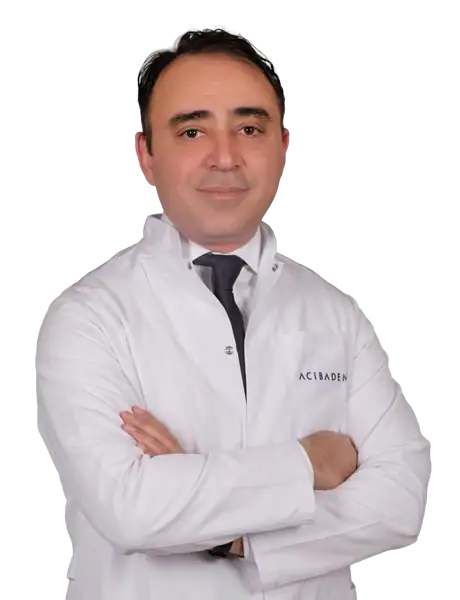
Prof. Dr. Melih Bozkurt
Neurosurgery
Prof. Dr. Çağın Şentürk
Interventional Neuroradiology
Prof. Dr. Akın Sabancı
Neurosurgery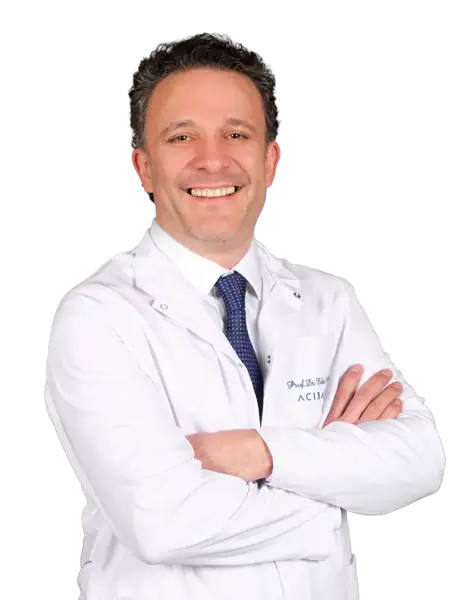
Prof. Dr. Erkin Sönmez
Neurosurgery
Prof. Dr. Muammer Doygun
Neurosurgery
Prof. Dr. Hakan Murat Göksel
Neurosurgery
Prof. Dr. Ali Kurtsoy
Neurosurgery
Prof. Dr. Kağan Tun
Neurosurgery
Prof. Dr. Gökhan Bozkurt
Neurosurgery
Prof. Dr. Kamil Kadir Topalkara
Neurology
Prof. Dr. Hakan Seçkin
NeurosurgeryMedical Units
Available at These Hospitals