Pediatric Epilepsy Treatment
Pediatric epilepsy care focuses on identifying seizure type and cause, then controlling seizures with medication, lifestyle guidance, monitoring, and surgery when appropriate.

Quick answer
Pediatric epilepsy is a neurological condition in which a child has a tendency to have unprovoked seizures caused by abnormal electrical activity in the brain. Treatment usually starts with anti-seizure medication chosen for the specific seizure type, supported by EEG and MRI diagnosis. Children whose seizures resist medication may be evaluated for dietary therapy, neurostimulation or epilepsy surgery.
What Is Pediatric Epilepsy?
Pediatric epilepsy is a neurological condition in which a child has a tendency to have unprovoked seizures, sudden episodes of abnormal electrical activity in the brain. It affects infants, children and adolescents, and it is not one disease: seizure types, underlying causes, treatment needs and long-term outlooks differ widely from one child to the next. Treatment centres on controlling seizures with the fewest possible side effects, identifying the cause where one can be found, and protecting the child’s development, learning, sleep and daily life.
A first seizure in a child is frightening. Even when the episode is brief, parents are often left with urgent questions. Was it epilepsy? Will it happen again? Could it affect learning, behaviour, sleep or development? Is medication necessary? And if seizures continue despite treatment, when should surgery or another advanced option be considered? Good care begins by answering these questions in order, starting with the most basic one: what exactly is happening in this child’s brain.
Not every event that looks like a seizure is epilepsy, and not every child with epilepsy has the same seizure type or the same cause. Some children have seizures related to a temporary illness, a fever, a metabolic imbalance or a medication exposure: these are provoked seizures, and they do not by themselves mean the child has epilepsy. Others have a chronic neurological condition that requires long-term planning, careful monitoring and coordinated care. Distinguishing between the two changes everything that follows, from whether medication is needed at all to how the family plans for school, sport and sleep.
The goal of treatment is never only to reduce the visible seizures. A child who has frequent seizures, subtle absence spells, night-time events or medication side effects may struggle in ways that are not immediately obvious, in attention, memory, mood, sleep quality or classroom participation. High-quality care therefore aims to protect cognition, emotional health, school life, safety and family functioning alongside seizure control. Early and accurate diagnosis helps families avoid unnecessary treatment, choose the most appropriate therapy and make informed decisions if seizures prove difficult to control.
Parents also need confidence that testing will be thorough, that recommendations will be evidence-based, that communication will be clear, and that the child’s needs will be considered across neurology, imaging, genetics, psychology, rehabilitation, nutrition and, when needed, neurosurgery. At Acibadem, pediatric epilepsy care is organised around a single principle: identify the seizure type and the cause first, then tailor treatment to the individual child rather than applying a one-size-fits-all plan.
What causes pediatric epilepsy?
Epilepsy in childhood has many possible causes, and in a considerable number of children no single cause is ever identified despite thorough testing. Known causes fall into several broad groups. Structural causes include malformations of brain development, scarring from earlier injury or infection, changes related to stroke or lack of oxygen around birth, vascular abnormalities and tumours. Genetic causes range from inherited conditions that run in families to spontaneous changes present only in the affected child; some genetic epilepsies follow recognisable patterns that influence medication choice. Metabolic causes involve disturbances in the body’s chemistry that irritate brain cells. Immune and infectious causes include inflammation of the brain and its after-effects. Finally, some epilepsies are simply age-related patterns of brain excitability that appear in childhood and settle as the brain matures.
Understanding the cause matters because it shapes the plan. A seizure arising from a small structural abnormality may respond to surgery if the area can be safely identified and treated. A genetic epilepsy may call for careful medication selection and counselling for the family, since certain drugs can worsen particular seizure types. An unexplained epilepsy still gets treated, the absence of a named cause does not prevent effective seizure control, but the search for a cause is revisited if seizures resist treatment or if new testing options become available.
Epilepsy in Children: When Evaluation Is Needed
Epilepsy in children does not always announce itself with dramatic convulsions. A child may need evaluation after a first seizure, after recurrent episodes suggestive of seizures, or because of unexplained staring spells, sudden falls, abnormal movements, episodes of confusion or unusual events during sleep. Some seizures are unmistakable. Others are subtle and are easily mistaken for daydreaming, behavioural issues, fainting, panic, tics, sleep disorders, migraine or even gastrointestinal complaints. This is one of the reasons a specialist assessment can change a child’s course: events that have been dismissed for months sometimes turn out to be seizures, and events treated as seizures sometimes turn out to be something else entirely.
Parents often seek specialist care when episodes continue despite reassurance, when school performance changes, when a child has developmental delays, or when epilepsy is already diagnosed but not well controlled. Evaluation is particularly important when seizures occur in infancy, are associated with loss of previously acquired skills, involve one side of the body, happen repeatedly in clusters, last longer than expected, or occur alongside abnormal neurological findings on examination.
What are the early signs of epilepsy in toddlers?
In toddlers, the early signs of epilepsy are often brief and easy to miss: repeated staring spells during which the child cannot be distracted, sudden head drops or nods, clusters of body-folding spasms (especially on waking), brief stiffening or jerking of the limbs, unexplained falls, and pauses in activity followed by confusion or unusual tiredness. Loss of skills the child had already gained, words, motor abilities, eye contact, alongside any of these events is a particularly important sign. Because toddlers cannot describe what they feel, a short video recorded on a phone during an episode is often more useful to the neurologist than any written description.
What are the signs and symptoms of a seizure in a 4-year-old child?
In a four-year-old, a seizure may look like sudden stiffening and rhythmic jerking of the body, but it may equally look like a blank stare lasting only seconds, lip smacking or swallowing movements, fumbling with clothing, a sudden fall without tripping, or an episode of fear or strange sensation the child struggles to explain. After some seizure types the child is confused or very sleepy; after others, such as brief absence seizures, the child resumes activity immediately as though nothing happened. Events during sleep, stiffening, jerking, unusual sounds or waking confused, also deserve attention at this age, because night-time seizures can be mistaken for nightmares or other parasomnias.
Across ages, common seizure symptoms in children include:
- Staring spells with unresponsiveness, sometimes lasting only seconds
- Sudden jerking of the arms, legs, face or entire body
- Stiffening, shaking or rhythmic convulsions
- Loss of awareness, confusion or unusual behaviour during an episode
- Sudden falls or brief loss of muscle tone
- Repetitive movements such as lip smacking, swallowing, picking at clothing or hand movements
- Unusual sensations, fear, nausea, visual changes or strange smells before an event
- Episodes during sleep, including stiffening, jerking, unusual sounds or waking confused
- Developmental slowing, regression or new learning difficulties associated with seizures
Seizure Types and Epilepsy Syndrome Diagnoses This Care Covers
An epilepsy syndrome is a recognisable pattern that combines seizure types, the age they begin, EEG findings and other clinical features into a specific diagnosis, and identifying the syndrome, where one exists, is one of the most useful steps in the whole process, because syndromes guide medication choice, testing and expectations about the future. Some syndromes are age-related and tend to improve over time; others require long-term care. The treatment plan depends on the diagnosis, the seizure burden, the developmental impact, the response to medication and the family’s goals.
Children may be evaluated and treated for conditions such as:
- Focal epilepsy: seizures start in one area or network of the brain and may or may not affect awareness.
- Generalized epilepsy: seizures involve both sides of the brain from the beginning, including absence seizures, myoclonic seizures, tonic-clonic seizures and atonic seizures.
- Infantile spasms: a serious epilepsy syndrome of infancy that requires prompt diagnosis and treatment because of its potential effect on development.
- Epileptic encephalopathies: conditions in which frequent seizures or abnormal brain activity contribute to developmental and cognitive impairment.
- Febrile seizure concerns: most febrile seizures are not epilepsy, but complex or recurrent febrile seizures may warrant specialist evaluation.
- Drug-resistant epilepsy: seizures that continue despite appropriate trials of anti-seizure medication and may require advanced evaluation.
- Structural epilepsy: seizures related to brain malformations, scarring, stroke, tumours, infection, trauma or other identifiable abnormalities.
- Genetic or metabolic epilepsies: seizure disorders linked to inherited or spontaneous genetic changes, metabolic conditions or specific molecular pathways.
- Epilepsy associated with developmental disorders: seizures in children with autism spectrum disorder, cerebral palsy, intellectual disability or global developmental delay.
- Nocturnal seizures: seizures during sleep that can be confused with parasomnias or other sleep disorders.
Not all children with seizures require the same level of intervention. A child with a single provoked seizure may need observation and education. A child with frequent seizures or developmental regression may need urgent treatment and advanced testing. A child whose seizures persist despite medication may benefit from a comprehensive epilepsy evaluation to determine whether surgery, dietary therapy or another non-medication treatment is appropriate.
Can a child grow out of focal epilepsy?
Some children do grow out of focal epilepsy, but not all: it depends on the specific syndrome and the cause. Certain age-related focal epilepsies, such as self-limited epilepsy with centrotemporal spikes (previously called benign rolandic epilepsy), typically begin in mid-childhood and tend to settle by adolescence as the brain matures. Focal epilepsy caused by a fixed structural abnormality, by contrast, usually does not resolve on its own, because the source of the seizures remains in place. This distinction is exactly why syndrome diagnosis matters: it tells the family whether they are managing a condition that time is likely to help, or one that needs a longer-term strategy. Any decision about eventually reducing treatment is made by the treating neurologist based on seizure history, EEG findings and the individual diagnosis, never on age alone.
How Pediatric Epilepsy Is Diagnosed
Diagnosis begins with a detailed history, and this remains the single most powerful diagnostic tool. Families are asked when the events started, how long they last, what the child does before, during and after an episode, whether there are identifiable triggers, and whether similar events occur in relatives. Videos recorded on a phone can be extremely helpful, especially for brief or intermittent episodes that never seem to happen in front of a doctor. The physician also reviews birth history, developmental milestones, past illnesses, medications, previous head injuries, family history and school performance.
Testing usually starts with an electroencephalogram, or EEG, which records the brain’s electrical activity through electrodes attached to the scalp with paste, nothing is inserted and nothing enters the body, although younger children may need preparation, distraction or careful sleep scheduling to cooperate with the recording. A routine EEG is enough for some children. Others need a sleep EEG, because certain epileptic patterns become visible only when the child is drowsy or asleep, or a prolonged recording over hours or days.
If the nature of the episodes is unclear, or if surgery is being considered, video EEG monitoring may be used. The child stays in a monitored room while EEG and video are recorded together, so that any event can be matched second by second against the brain’s electrical activity. The goal is to capture the child’s typical episodes and determine whether they are epileptic, where the seizures begin and how they spread. Nurses and physicians observe the child closely, and safety precautions are in place throughout the stay.
Brain MRI looks for structural contributors to seizures, cortical malformations, scars, tumours, vascular abnormalities or changes from earlier injury. In epilepsy, imaging protocols are often more detailed than a routine brain scan, because the abnormalities being sought can be small and subtle. Young children and children who cannot remain still may need sedation or anaesthesia, delivered with the safeguards used across children’s pediatrics services. In selected cases, additional functional or metabolic imaging helps localise seizure networks, particularly when MRI findings are subtle or when surgical planning is under discussion.
Genetic testing becomes important when seizures begin early in life, when there is developmental delay, when the pattern suggests a genetic epilepsy syndrome, or when a genetic result could influence medication selection. Depending on the situation, testing may range from targeted gene panels focused on known epilepsy genes to chromosomal microarray or broader exome sequencing, and families should understand in advance that results can be positive, negative or uncertain: a variant of uncertain significance is a finding whose importance is not yet known, not a diagnosis. A genetic diagnosis does not always change treatment immediately, but it can explain the condition, guide expectations, support family counselling and help the team avoid medications known to aggravate certain seizure types. Depending on the presentation, blood studies, metabolic testing, neuropsychological assessment and developmental evaluation may round out the picture.
How Pediatric Epilepsy Treatment Is Performed
Preparation and initial assessment
The first step is a careful consultation with a pediatric neurology specialist. Families should bring previous medical records, EEG and MRI reports, medication lists, seizure diaries, genetic test results if available, school evaluations and any videos of events.
During the consultation, the physician evaluates the seizure pattern, the child’s neurological development, the physical examination and previous treatment responses. The team determines whether the episodes are likely to be epileptic seizures, which seizure type is suspected and which tests are necessary. Parents are also asked about safety issues, rescue medication use, sleep patterns, learning concerns and how the seizures affect daily family life, because these answers shape the plan as much as the test results do.
Medication treatment
Anti-seizure medication is the foundation of treatment for many children, selected according to seizure type, epilepsy syndrome, age, weight, medical history and any other medicines the child takes. Some children need only one medication. Others require a dose change, a different drug or a combination. The care team explains how the medication is taken, how dosing is adjusted, which side effects to watch for and whether blood tests are needed, along with guidance on missed doses, interactions, sport and school participation, and what a prolonged seizure means for the family’s plan.
Medication treatment requires follow-up. Children grow, and doses often need adjustment for weight, seizure control, blood levels for selected drugs and side effects. A medicine that causes excessive sleepiness, mood changes, appetite problems, rash or learning difficulties may need to be reconsidered by the treating physician. The objective is always double-sided: control the seizures while preserving the child’s alertness, development, behaviour and quality of life. A child who stops seizing but also stops thriving has not been well treated.
How does CBD oil work in pediatric refractory epilepsy?
Cannabidiol (CBD) is a plant-derived compound that, in purified pharmaceutical form, has been studied as an add-on treatment for specific severe childhood epilepsies, including Dravet syndrome and Lennox-Gastaut syndrome. Its exact mechanism is not fully understood: it does not produce intoxication and is thought to act on several signalling pathways that influence how excitable neurons are, rather than on a single receptor. Two points matter for families. First, the pharmaceutical product studied in clinical trials is not the same as over-the-counter CBD oils, which vary in content and purity. Second, cannabidiol can interact with several anti-seizure medications, changing their blood levels. For both reasons, any question about cannabidiol in a child’s treatment belongs with the treating neurologist, who can weigh it against the child’s syndrome, current medicines and monitoring needs.
Lifestyle guidance and safety planning
Epilepsy care includes practical daily guidance. Sleep deprivation can trigger seizures in some children, so consistent sleep routines matter. Families may receive advice on fever management, hydration, screen exposure where relevant, medication adherence, sports participation, swimming supervision and bathing safety. Teachers and caregivers benefit from clear instruction in seizure first aid and in the child’s individual plan, so that an event at school is met with calm, informed action rather than panic.
For children at risk of prolonged seizures or seizure clusters, the physician may prescribe a rescue medication, and parents and school staff are trained in when and how it is used. A written seizure action plan reduces confusion in stressful moments and helps ensure the child receives timely, consistent care wherever the seizure happens.
Dietary therapy
Some children with difficult-to-control epilepsy benefit from specialised dietary treatment, such as ketogenic or modified ketogenic approaches. These diets shift the body’s main fuel from glucose toward ketones, which are produced when fat becomes the primary energy source, and this metabolic change can reduce seizure activity in some children. Several variants exist: the classical ketogenic diet, the modified Atkins diet and the low glycaemic index treatment, differing in strictness and in how precisely food must be weighed and calculated, and the choice depends on the child’s age, syndrome and the family’s circumstances. These are medical therapies, not general wellness diets: they require evaluation by a physician and dietitian, structured education for the family, monitoring of growth, nutrition, digestion and laboratory values, and regular follow-up to catch problems such as constipation, vitamin and mineral shortfalls or kidney stones early. Dietary therapy is typically considered when medications are not sufficient, when certain epilepsy syndromes known to respond to it are present, or when families want a non-surgical additional option evaluated properly rather than attempted alone at home.
Epilepsy surgery and advanced treatment options
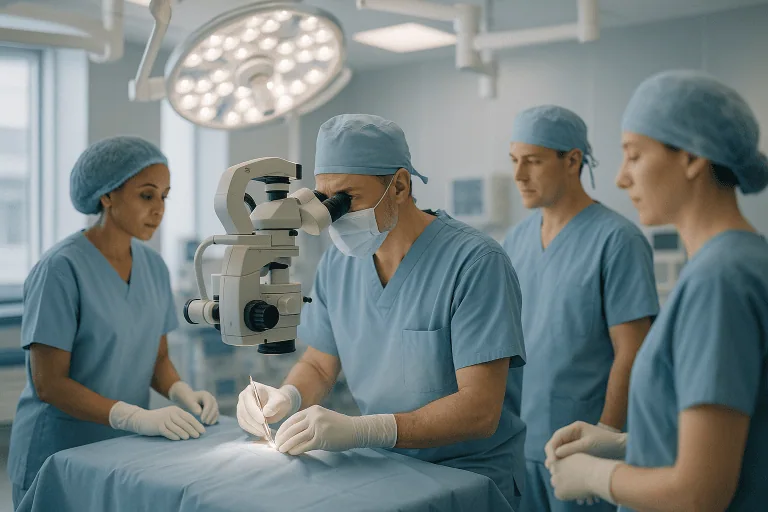
If seizures continue despite appropriate medication trials, a child may be assessed for epilepsy surgery or other advanced treatments. Surgery is not reserved as a last resort after many years of seizures; in selected children, early referral to an epilepsy surgery programme matters, especially when seizures arise from a defined brain area that can be treated safely. The surgical evaluation may include prolonged video EEG, high-resolution MRI, functional imaging, neuropsychological testing, language and motor mapping, and multidisciplinary review. The aim is to establish whether there is a specific seizure focus, whether removing or disconnecting it is likely to help, and whether the planned procedure can be performed without unacceptable risk to movement, language, memory, vision or other essential functions.
Surgical approaches vary. Some children have removal of a small abnormal area. Others need disconnection procedures to prevent seizure spread, particularly in severe epilepsy affecting one hemisphere or specific networks. Where removal is not suitable, neurostimulation or palliative procedures may be considered to reduce seizure burden and improve safety. The decision is made carefully with the family after an honest discussion of expected benefits, limitations, risks, hospitalisation and recovery, including the possibility that surgery reduces seizures without eliminating them.
Among neurostimulation options, vagus nerve stimulation (VNS) is the most established in children. A small pulse generator is implanted under the skin of the chest and connected to the vagus nerve in the neck, delivering scheduled electrical stimulation; the brain itself is not operated on. VNS is generally considered for children whose seizures resist medication and who are not candidates for a curative resection. Its realistic aim is to make seizures less frequent, shorter or less severe over time rather than to eliminate them, and the settings are adjusted gradually at follow-up visits.
What hospitals do pediatric laser ablation epilepsy surgery?
Laser ablation, formally laser interstitial thermal therapy, or LITT, is a minimally invasive technique in which a thin laser fibre is guided to a deep seizure focus and the abnormal tissue is heated under real-time MRI control. It is offered at comprehensive epilepsy surgery centres that combine advanced neurosurgery with intraoperative MRI capability, and availability varies considerably by country and by hospital. It suits selected children with small, well-localised targets, particularly deep ones that are hard to reach with open surgery; it is not a replacement for all resective surgery. Families considering any surgical centre, anywhere in the world, should ask directly whether the specific technique under discussion is performed there, how candidates are selected and how the multidisciplinary evaluation is organised: the evaluation matters more than the instrument.
Typical duration and recovery
The duration of care depends on the child’s condition. A diagnostic EEG takes a short outpatient visit, while video EEG monitoring may require several days in hospital. Medication treatment is usually ongoing, with follow-up visits over months or years. Surgical evaluations involve multiple tests and specialist meetings before any recommendation is made. Recovery varies just as widely: after medication changes, families may notice improvement within days to weeks, though dose adjustments and observation are often needed; after epilepsy surgery, the hospital stay and recovery depend on the procedure, the child’s age and neurological condition. Children are monitored for seizures, pain control, neurological function, mobility, wound healing and medication needs, with rehabilitation, school planning and developmental support woven into recovery where appropriate. Where an operation is planned, anaesthesia and perioperative care are organised within dedicated pediatric surgery and intensive care services designed for children rather than adapted from adult practice.
Why Acting Early Matters
Some children with epilepsy do well with prompt diagnosis and an appropriate first medication. Others have seizures that are frequent, prolonged or difficult to control. Delaying evaluation allows seizures to continue without their cause being understood, which can affect safety, learning, development, sleep and family functioning. Early assessment is especially important in infants, in children with developmental delay or regression, when seizures happen in clusters, when events cause injury, or when seizures continue despite medication. In certain epilepsy syndromes, infantile spasms above all, timely treatment can influence developmental outcomes, which is why they are handled as urgent conditions rather than watched.
In drug-resistant epilepsy, earlier referral to a comprehensive programme may identify surgical or non-medication options before years of ongoing seizures affect education, behaviour, independence and family life. Delay can also lead to incorrect treatment: some medications that help one seizure type are ineffective against another, and a few can make certain seizure types worse. Meanwhile, events that are not epileptic seizures may be treated unnecessarily if the diagnosis is never properly confirmed. A precise diagnosis protects children from both undertreatment and overtreatment, and that is the honest case for acting early, not fear.
School and Daily Life With Childhood Epilepsy
Childhood epilepsy affects far more of daily life than the minutes of the seizures themselves, and good care plans for the hours in between: school, friendships, sport, sleep and the family’s own confidence. Most of the practical work of living with epilepsy is done by parents, teachers and the child, guided by clear written plans and realistic expectations from the care team.
Can a child with epilepsy go to a normal school?
Yes, most children with epilepsy attend mainstream school, and for the majority whose seizures are controlled, school life can be largely ordinary. What helps is preparation rather than restriction: teachers who know what the child’s seizures look like, a written seizure action plan kept at school, sensible supervision for swimming and certain activities, and awareness that some children need learning support because of the epilepsy itself, its underlying cause or medication effects. Children with more complex epilepsy or associated developmental conditions may need formal educational accommodation or additional support, which is one reason developmental and neuropsychological assessment forms part of comprehensive care. A diagnosis of epilepsy is a reason to inform the school, not to withdraw the child from it.
Potential Benefits of Pediatric Epilepsy Treatment
The benefits of treatment depend on the child’s diagnosis, but the overall aim is constant: reduce the seizure burden while supporting healthy development and daily life.
| Benefit | What It Means for You |
|---|---|
| More accurate diagnosis | Understanding the seizure type and cause helps the team choose the most appropriate medication, monitoring plan or surgical evaluation. |
| Better seizure control | Many children experience fewer seizures with correctly selected therapy, dose adjustment and ongoing follow-up. |
| Improved safety planning | Families learn seizure first aid, rescue medication use, school precautions and activity guidance tailored to the child’s risk. |
| Support for learning and development | Assessment can identify attention, memory, speech, behavioural or developmental concerns that need additional support. |
| Reduced treatment burden | When medications cause side effects or work poorly, specialist review may refine therapy or identify alternatives. |
| Access to advanced options | Children with drug-resistant epilepsy can be evaluated for surgery, dietary therapy, neurostimulation or targeted treatment when appropriate. |
Recovery and Follow-Up Timeline
Every child’s timeline is different, but care generally moves from diagnosis and stabilisation toward longer-term monitoring and developmental support.
| Time Period | What Patients Can Expect |
|---|---|
| Day 1 | Consultation, neurological examination, record review and planning for EEG, imaging, laboratory tests or medication adjustment. |
| First week | Diagnostic testing is completed or scheduled. If medication is started or changed, parents receive instructions on dosing, side effects and seizure response. |
| First month | The team reviews seizure frequency, medication tolerance, school concerns and test results. Further adjustments or advanced evaluations may be recommended. |
| Several months | Children with improving control continue monitoring. Those with persistent seizures may undergo more detailed evaluation for dietary therapy, surgery or other options. |
| Longer term | Follow-up focuses on seizure control, growth, learning, behaviour, safety, medication planning and whether treatment can eventually be reduced in selected children. |
Factors That Influence Outcomes
Outcomes in pediatric epilepsy depend on many factors: the child’s age at seizure onset, the seizure type and syndrome, the underlying cause, EEG and MRI findings, developmental status, the response to the first appropriately chosen medication, and the consistency of follow-up. Some childhood epilepsies respond well to medication and improve with age. Others are more complex and need long-term, multidisciplinary management. Stating this plainly matters, because families deserve expectations built on their child’s actual diagnosis rather than on averages.
A good result is not defined by seizure count alone. It also includes the child’s alertness, learning, mood, sleep, social participation, independence and the family’s confidence in managing the condition. A child with fewer seizures but significant medication side effects may need treatment refinement. A child whose seizures occur only at night may still need careful evaluation if sleep quality, behaviour or school performance is affected.
Medication adherence is one of the most important practical factors. Missed doses, irregular sleep, unrecognised triggers and the absence of a seizure action plan can undermine an otherwise well-chosen treatment. Families do best with clear written instructions, realistic expectations and direct communication with the care team when seizures change or side effects appear.
For children with drug-resistant epilepsy, outcomes depend on whether the seizure network can be identified and treated safely. When a well-defined focus is found outside areas essential for critical functions, surgery may offer meaningful seizure reduction and, in selected cases, the possibility of seizure freedom. When the network is widespread or overlaps with important brain functions, the goal shifts honestly: fewer and less severe seizures, fewer injuries, less emergency medication use and better quality of life, rather than complete elimination. Setting this expectation before treatment, not after, is part of responsible care.
Developmental and psychosocial support also shapes long-term success. Children with epilepsy may need neuropsychological testing, speech therapy, occupational therapy, physical therapy, educational accommodation or counselling. Adolescents need guidance on independence, driving rules in their home country, medication routines, sleep, mental health and the eventual transition to adult neurology care. The best plans anticipate these needs rather than focusing narrowly on prescriptions.
Building on a Previous Diagnosis or Second Opinion
Many families do not start from zero: they arrive with files from previous neurologists or established epilepsy programmes. Those records are valuable, and a good second opinion builds on them rather than discarding them. Previous EEG traces (ideally the raw recordings, not only the reports), MRI images on disc or via transfer, medication histories with doses and reasons for stopping, and genetic results all shorten the diagnostic path and prevent tests from being repeated unnecessarily. A second opinion is most useful when the diagnosis is uncertain, when seizures persist despite well-managed medication, or when a family wants a fresh multidisciplinary review of whether surgery or dietary therapy deserves consideration. It is also reasonable when a child’s diagnosis was made years ago and newer testing, detailed epilepsy-protocol MRI or broader genetic analysis, for example, was not available at the time.
Pediatric Epilepsy Care at Acibadem
Pediatric epilepsy care at Acibadem is organised around collaboration between children’s neurology and its related specialties, with diagnostic and treatment decisions reviewed in a structured way when cases are complex. The hospital systems support advanced imaging, EEG and video EEG monitoring, anaesthesia for children, intensive care when needed, laboratory diagnostics, rehabilitation and surgical services. For children who may need epilepsy surgery, multidisciplinary discussion is central: neurologists, neurosurgeons, radiologists, neuropsychologists and other specialists review the findings together to determine whether surgery is appropriate and which risks must be weighed.
Diagnostic pathways follow the logic described throughout this page. EEG and video EEG help confirm whether events are epileptic and where seizures may begin. MRI and other imaging identify structural causes and guide planning. Genetic and metabolic testing is used when clinical features suggest an inherited or molecular cause. Neuropsychological and developmental assessments show how the epilepsy affects learning, memory, attention and behaviour, information that shapes school planning as much as medical treatment.
Organisation and communication are part of safe care in a condition this complex. Parents often need several tests completed within a reasonable window and a clear, documented plan at the end of it, one their local physicians, therapists and school can act on. When ongoing care continues with the family’s own physicians, the team provides documentation to support that handover, including test findings, the diagnostic reasoning and the treatment plan.
Treatment plans are personalised. One child needs confirmation of the diagnosis and a medication adjustment. Another needs inpatient video EEG monitoring. Another needs genetic evaluation, ketogenic diet counselling or a surgical work-up. Recommendations follow the child’s seizure type, test findings, prior treatment response, developmental profile and family circumstances. And experienced clinicians understand that epilepsy affects the whole family: parents sleeping poorly, watching constantly for seizures, uncertain about school and sport, worried about the future. A careful explanation of the diagnosis, a practical emergency plan and a thoughtful strategy make the condition more manageable, even when care will be long-term.
Moving Forward
Pediatric epilepsy is not a single disease, and children do not all follow the same path. Some need short-term treatment and monitoring. Others need advanced evaluation and long-term support. What every child needs is the same: a precise diagnosis, a treatment plan matched to the seizure type and cause, and a team that considers development, learning, safety and family life alongside seizure control. Families who understand their child’s specific diagnosis, its name, its cause where known, its realistic outlook, are in the strongest position to make good decisions at every stage that follows.
Preparation
- Parents should bring seizure videos, previous EEG or MRI reports, medication lists, and a detailed seizure history. The child may need blood tests, EEG, sleep-deprived EEG, or brain imaging. Do not stop anti-seizure medicines unless the doctor specifically instructs it.
Aftercare
- Follow the medication plan exactly and keep a seizure diary to track triggers, frequency, and side effects. Regular neurology visits help adjust treatment as the child grows. Seek urgent care for prolonged seizures, breathing difficulty, injury, or repeated seizures without recovery.
Frequently Asked Questions
What affects the cost of pediatric epilepsy care?
Cost depends on the child’s diagnosis, the tests required, whether inpatient video-EEG or advanced imaging is needed, medication planning, the possibility of dietary therapy or surgery, and the length of hospital stay. Travel, accommodation, translation, and follow-up services can also affect the total.
How can my family get a personalized quote?
A personalized quote can be prepared after the medical team reviews available reports, EEG results, MRI images, seizure videos, medication history, and the child’s current condition. Families can request a free consultation to understand the likely pathway and what is included.
Is epilepsy surgery always included in the treatment plan?
No. Many children are managed with medication, monitoring, and lifestyle guidance. Surgery is considered only for selected children after a detailed specialist evaluation confirms that the potential benefits and risks are appropriate.
What is usually included in an international patient package?
Packages may include specialist consultation, care coordination, selected diagnostic tests, interpreter support, medical report preparation, and follow-up planning. Families should confirm whether medications, inpatient monitoring, surgery, anesthesia, and accommodation are included or billed separately.
Do we need to travel immediately for pediatric epilepsy care?
The urgency depends on seizure severity, safety concerns, response to medication, and the child’s general condition. A specialist can review records remotely and advise whether travel should be planned promptly or after additional information is collected.
Medically reviewed by the Acıbadem International Medical Board September 13, 2026
See our medical review board →
Update history
- PublishedJune 8, 2026
- Medical review approvedSeptember 13, 2026
- Last content updateSeptember 12, 2026
References1
- Epilepsy nhs.uk
Trusted care for international patients
From the Acibadem Blog

Seizure Videos, Reports and a Clear History: Getting Ready for a Pediatric Epilepsy Visit
Preparing for a pediatric neurology appointment for epilepsy means arriving with three things: a short seizure video if one can be captured safely, copies…

When Is Surgery Considered in Pediatric Epilepsy Treatment? The Pathway Teams Follow
Surgery is considered in pediatric epilepsy when seizures continue despite two appropriately chosen, well-tolerated antiseizure medicines, a state specialists call drug-resistant epilepsy, and when…

How Do Seizure Diaries and Sleep Routines Support Pediatric Epilepsy Treatment Day to Day?
A seizure diary for a child records when each seizure happens, how long it lasts, what it looks like and what came before it,…