Neuropediatrics
Neuropediatrics focuses on diagnosis and treatment of neurological disorders in infants, children, and adolescents. Care may address seizures, developmental delay, headaches, movement disorders, and neuromuscular conditions.
Quick answer
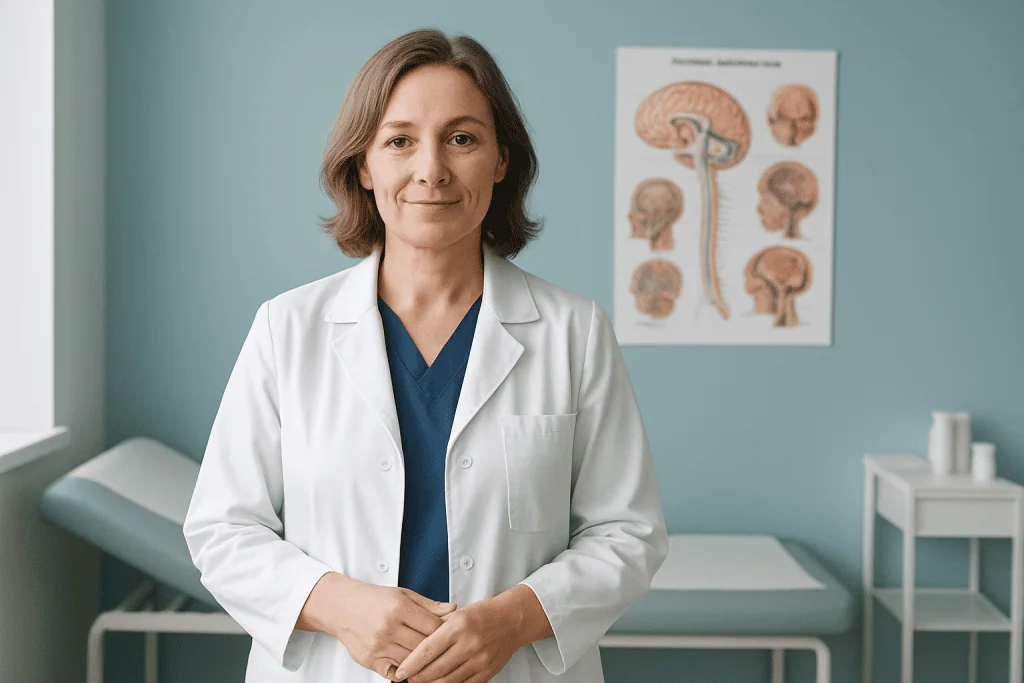
Neuropediatrics, also called pediatric neurology, is the medical specialty for disorders of the brain, spinal cord, nerves and muscles in infants, children and adolescents. Evaluation involves a detailed history, an age-adapted neurological examination and selective tests such as EEG, MRI, blood work or genetic testing, followed by an individualised plan that may include medication, therapy, monitoring or long-term follow-up.
Pediatric Neurology and Neuropediatrics: Care for a Child’s Developing Nervous System
Neuropediatrics — the field most parents will meet under the name pediatric neurology — is the medical specialty that diagnoses and treats disorders of the brain, spinal cord, peripheral nerves and muscles in infants, children and adolescents. It exists as a separate discipline because a child’s nervous system is still developing. A symptom that looks minor in an adult can mean something quite different in a growing child, and every treatment decision has to account for age, developmental stage, school life, family circumstances and the years ahead.
Parents usually arrive at this subject under pressure. When a child has a seizure, misses developmental milestones, develops unusual movements, loses strength or has frequent headaches, families often find themselves searching for answers while frightened. Neurological symptoms are unsettling precisely because they touch the functions that define daily life: movement, learning, speech, sleep, behaviour, balance and awareness. You may be asking whether a symptom is temporary, whether it signals something serious, and whether treatment will affect your child’s future development. Those are reasonable questions, and a structured neuropediatric evaluation is designed to answer them as honestly as the evidence allows.
For international families weighing up care abroad, the decision carries extra layers: a reliable diagnosis, a second opinion, access to specialised testing, or a coordinated plan for a child with a chronic neurological condition. At Acibadem, pediatric neurology care is organised around careful evaluation, evidence-based treatment planning and collaboration between specialists. The aim is to understand the child’s condition as precisely as possible and to recommend care that is medically appropriate, realistic for the family, and attentive to the child’s development — not to promise outcomes that no responsible physician can promise.
What is pediatric neurology and what does it focus on?
Pediatric neurology focuses on disorders of the brain, spinal cord, peripheral nerves, muscles and the neuromuscular junction in children and adolescents. The range is wide: common problems such as febrile seizures, epilepsy, migraine, tics and developmental delay sit alongside complex or rare disorders involving metabolism, genetics, muscle function, movement control, neuroimmunology or brain structure. A single specialty covers all of this because childhood neurological conditions rarely respect tidy boundaries — a seizure disorder may come with learning difficulties, a muscle disease may affect breathing and the heart, and a headache may turn out to be a sleep problem in disguise.
A neuropediatric evaluation is not only about naming a disease. It is about understanding how a child’s nervous system is functioning and how symptoms affect daily life. The physician considers medical history, pregnancy and birth details, developmental milestones, family history, school performance, sleep, behaviour, growth and the physical examination. Depending on the case, the work-up may include electroencephalography, brain or spine imaging, blood and metabolic testing, genetic testing, neuropsychological assessment, rehabilitation evaluation or consultations with other specialties. Some children need only reassurance and observation after careful assessment. Others need an individualised plan for a chronic condition that will evolve as they grow.
The terminology can be confusing, so it is worth stating plainly: neuropediatrics, pediatric neurology, child neurology and children’s neurology all describe the same field. Different countries and hospitals simply prefer different names. Whichever label appears on a clinic door, the training, the conditions covered and the diagnostic approach are essentially the same.
How is neuropediatrics different from adult neurology?
Neuropediatrics differs from adult neurology because the child’s brain, spinal cord, nerves and muscles are still developing, and that changes both what symptoms mean and how they are managed. An adult neurologist assesses a mature nervous system against stable norms; a pediatric neurologist must judge every finding against what is expected for the child’s age — a reflex that is normal in a newborn can be abnormal in a toddler, and a speech pattern that is typical at two may be a concern at four. Medication dosing, testing tolerability, consent, school considerations and the sheer length of follow-up all differ as well. Many childhood conditions also have no adult equivalent, which is why the two specialties train separately.
What is a neuropediatrician for?
A neuropediatrician is the doctor a family is referred to when a child’s symptoms suggest a problem with the nervous system, muscles, development or brain activity — the specialist who examines the child, decides which tests genuinely add information, interprets the results, and builds and follows the treatment plan. In practice the role is as much about coordination as diagnosis. Because pediatric neurological conditions can involve several body systems, neuropediatrics works closely with general pediatrics, neonatologists, pediatric neurosurgeons, child psychiatrists, physiatrists, radiologists, geneticists, metabolic disease specialists, physical and occupational therapists, speech therapists, dietitians, psychologists and intensive care teams when needed. This multidisciplinary approach exists to make sure the plan addresses the whole child, not a single test result or an isolated symptom.
Who May Need Neuropediatric Care?
A child may be referred to a neuropediatric specialist when symptoms point towards the nervous system, muscle function, development or brain activity. Some referrals are urgent — a first seizure, sudden weakness, altered consciousness, a severe headache with warning features, or loss of previously acquired skills. Others build gradually, when parents, teachers or physicians notice developmental delay, learning difficulties, abnormal movements, persistent headaches, coordination problems or unusual muscle tone. Both routes are legitimate; the specialty is designed to handle the frightening acute event and the slow, nagging concern with equal seriousness.
When should a child see a pediatric neurologist?
A child is usually seen by a pediatric neurologist when a symptom is recurrent, unexplained, progressive, or clearly involves brain, nerve or muscle function. Typical reasons for evaluation include:
- Seizures or seizure-like episodes, including abnormal staring spells
- Fainting episodes that need to be distinguished from seizures
- Recurrent or worsening headaches
- Delayed speech, delayed walking or other missed milestones
- Loss of previously acquired skills (developmental regression)
- Poor coordination, clumsiness or balance problems
- Involuntary movements, tics or tremor
- Muscle weakness, low muscle tone or spasticity
- Unusual events during sleep
- Behaviour changes that accompany neurological symptoms
- Abnormal findings on prenatal or postnatal imaging
Diagnosis usually begins with a detailed conversation rather than a machine. Parents are asked when symptoms started, how often they occur, how long they last, whether anything triggers them, and what the child is like before and after each event. Videos recorded at home on a phone are genuinely valuable — often more useful than any single test — particularly for seizures, tics, movement disorders and unusual night-time events, because they let the physician see the event rather than reconstruct it from description.
The neurological examination then evaluates strength, reflexes, muscle tone, coordination, walking pattern, eye movements, sensation, speech and age-appropriate developmental abilities. Further tests are chosen selectively, based on the child’s age, symptoms and examination — not ordered as a routine battery. An EEG may help when the question concerns seizures; MRI may be used when brain or spine structure needs assessment; blood tests can look for inflammation, metabolic disorders, vitamin deficiencies or infection; genetic testing may be recommended when the pattern suggests an inherited condition, early-onset epilepsy, unexplained delay, a neuromuscular disease or a rare syndrome.
Families also seek neuropediatric consultation when a diagnosis already exists but treatment is not working as expected. A child with difficult-to-control seizures, persistent headaches, progressive weakness, developmental regression or ambiguous test results may benefit from a structured second opinion: a systematic review of previous records, imaging, laboratory results and medications, looking for what has been missed, what has been over-called, and what should be done differently.
Conditions Treated in Neuropediatrics
Neuropediatric care covers a broad spectrum of childhood neurological disorders. The sections below describe the main groups, what evaluation looks for in each, and where treatment decisions tend to hinge.
What is the most common pediatric neurological disorder?
Headache disorders — migraine in particular — and epilepsy are among the most common neurological conditions in children, and febrile seizures are among the most common acute neurological events in early childhood. Which problem dominates a given clinic depends on age: febrile seizures cluster in infants and toddlers, developmental concerns in the preschool years, and headache and migraine become more prominent in older children and adolescents. “Common” is reassuring in one sense — most of these conditions are well understood — but frequency says nothing about the individual child, which is why each case still needs its own assessment.
Epilepsy and seizure disorders
Seizures in children may occur because of fever, genetic predisposition, structural brain differences, metabolic problems, infection, previous injury — or for reasons that remain unidentified even after thorough testing. Some seizure disorders improve as children grow; others require long-term medication or additional therapies. Accurate classification of the seizure type and the epilepsy syndrome is the single most consequential step, because treatment choices differ significantly between syndromes and a mislabelled seizure can lead to the wrong medication entirely. Dedicated pediatric epilepsy evaluation covers this classification work, medication planning and, where needed, assessment for non-drug options.
Developmental delay
Developmental delay is another frequent reason for referral. A child may lag in motor skills, speech and language, social communication, cognitive development, or several of these at once. Neuropediatric evaluation helps determine whether the delay is isolated, part of a broader developmental disorder, related to a genetic or metabolic condition, or associated with findings such as low muscle tone, seizures or abnormal head growth. The distinction matters because it changes both the search for a cause and the therapy plan.
Headache and migraine in children
Headache and migraine are common in children and adolescents, but careful assessment is needed to separate primary headache disorders from headaches caused by infection, raised intracranial pressure, vascular conditions, trauma, vision problems, sleep disorders or medication use. Warning features — a sudden severe headache, headache that wakes a child from sleep, neurological deficits, persistent vomiting, or changes in consciousness — shift the evaluation into a different, more urgent category. Most childhood headaches are not dangerous, but the assessment exists precisely to identify the minority that are.
Movement disorders
Movement disorders in children include tics, tremor, dystonia, chorea, myoclonus, ataxia and other involuntary movements. These may be temporary, genetic, immune-related, medication-related, metabolic, or linked to structural changes in the brain. The neuropediatric assessment identifies the pattern of movement — often from home video as much as from the examination — and determines whether observation, medication, rehabilitation, psychological support or further testing is the right response. Many tics, for instance, need explanation and monitoring rather than treatment.
Neuromuscular disorders
Neuromuscular disorders affect the muscles, peripheral nerves, spinal motor neurons or the connection between nerves and muscles. Children may show weakness, delayed walking, frequent falls, difficulty climbing stairs, fatigue, breathing problems, swallowing difficulty or reduced reflexes. Early recognition matters here more than almost anywhere else in the specialty: some neuromuscular conditions now have disease-specific therapies, while others require proactive respiratory, cardiac, orthopaedic and rehabilitation support — including pediatric cardiology assessment where the heart muscle may be involved.
Other conditions within neuropediatric care
The remaining spectrum includes cerebral palsy, neurogenetic disorders, neurocutaneous syndromes, inflammatory and autoimmune disorders of the nervous system, sleep-related neurological events, neonatal seizures, the neurological complications of prematurity, neurodevelopmental effects of metabolic disease, follow-up after traumatic brain injury, and neurological symptoms arising from systemic illness. The pathways vary widely, but the central principle stays constant: identify the cause when possible, treat what can be treated, prevent complications, and support the child’s development throughout.
How Neuropediatric Evaluation and Treatment Are Performed
Neuropediatric care begins before the child enters the examination room. For international patients in particular, previous medical reports, laboratory results, imaging files, EEG recordings, genetic test reports, medication lists, growth charts, vaccination history and developmental assessments are reviewed in advance when they are available. This lets the medical team understand what has already been done — and, just as importantly, avoid repeating tests that do not need repeating.
A typical evaluation follows a recognisable sequence:
- Record review: existing reports, imaging and test results are examined before or at the first visit.
- Detailed history: pregnancy and birth history, neonatal events, milestones, family history, previous illnesses, medications, allergies, school or therapy reports, and a precise description of the symptoms.
- Age-adapted neurological examination: tailored to what an infant, toddler or adolescent can actually do.
- Selective testing: EEG, imaging, laboratory or genetic tests only where they answer a real clinical question.
- Discussion and planning: working diagnosis, treatment options, and what each choice would mean for the child and family.
- Follow-up arrangements: monitoring schedule, therapy referrals and coordination with the child’s physicians at home.
For episodic events, parents are asked about the child’s awareness, eye position, movements, colour change, breathing, duration, recovery time, and whether the event occurred during sleep, fever, stress, exercise or illness. These details are not bureaucratic — they frequently decide whether an event was a seizure at all.
The examination itself changes shape with age. In an infant, the physician observes alertness, feeding pattern, head control, muscle tone, reflexes, eye contact, spontaneous movement and response to sound or touch. In a toddler, the examination leans on walking, reaching, play-based observation, speech, coordination and reflexes — much of it done while the child barely notices being examined. In older children and adolescents, the assessment can be more formal: strength, sensation, balance, gait, coordination, cranial nerves, memory and language.
Diagnostic technology is used selectively rather than reflexively. An electroencephalogram, or EEG, records the brain’s electrical activity and helps evaluate seizures and epilepsy syndromes; it may be performed awake, asleep, or after sleep deprivation depending on the clinical question, and longer monitoring may be recommended when events are unclear or infrequent. Magnetic resonance imaging provides detailed information about brain and spine anatomy without ionising radiation. Ultrasound, computed tomography, angiographic imaging or functional assessments are reserved for specific situations where the expected benefit outweighs the drawbacks.
Laboratory testing may include general blood work, infection or inflammation markers, metabolic screening, enzyme tests, muscle enzymes, vitamin levels, autoimmune markers, or cerebrospinal fluid analysis in selected cases. Genetic testing ranges from a targeted test for one suspected disorder to broader panels or sequencing. Whenever genetics is involved, counselling matters: families should understand what the test can and cannot answer, how results may affect relatives, and what an uncertain finding — which genetic testing regularly produces — actually means.
Treatment is then tailored to the diagnosis. For epilepsy, the plan may include antiseizure medication, a rescue medication plan for prolonged seizures, safety guidance, trigger management and follow-up EEG or imaging when needed. For children whose seizures resist medication, further evaluation may involve prolonged epilepsy monitoring, dietary therapy, neuropsychological testing, or referral to a pediatric epilepsy surgery board to assess surgical or device-based options — with pediatric neurosurgical and pediatric surgery input where an operation is genuinely on the table.
For developmental delay, treatment may combine physical therapy, occupational therapy, speech and language therapy, developmental pediatrics input, educational recommendations and investigation of underlying medical causes. For migraine, care usually involves lifestyle adjustments, acute treatment, preventive medication when appropriate, sleep management, hydration, nutrition guidance and attention to stress, screen use and school routines. For movement disorders, the plan may be observation, medication, behavioural therapy, rehabilitation, or investigation for immune, metabolic or genetic causes.
For neuromuscular disorders, management extends well beyond the diagnosis itself: rehabilitation, orthopaedic monitoring, pulmonary function assessment, nutritional support, cardiac evaluation, genetic counselling, and disease-specific treatment when one exists. The emphasis is on preserving function, reducing complications, supporting mobility, and planning ahead of foreseeable changes rather than reacting to them.
How long all this takes depends on complexity. A straightforward consultation may be completed in a single visit with limited testing. Complex cases may need several days of coordinated appointments when imaging, EEG monitoring, laboratory work, genetics, rehabilitation assessment or other specialty consultations are involved. Recovery is equally variable, because neuropediatrics spans short-term problems and lifelong conditions: some children return to routine activities immediately after a consultation or test, while others begin a structured treatment and follow-up programme.
Throughout, communication with parents is treated as part of the treatment, not an afterthought. You should leave each stage understanding the working diagnosis, the reason for every test, the benefits and possible side effects of any medication, the warning signs to watch for, and the follow-up schedule. When a child travels internationally for care, the plan should also address what happens after the flight home: medication availability, coordination with the local physician, and when reassessment is due.
Why Acting Early Matters
Early evaluation can make a meaningful difference in many pediatric neurological conditions. The developing brain is remarkably adaptable, but it is also vulnerable — to repeated seizures, untreated metabolic problems, progressive neuromuscular weakness, developmental delays left without therapy, and conditions that affect feeding, breathing, movement, learning or safety. Timely diagnosis allows treatment to begin, progression to be monitored, and development to be supported during the periods when support matters most.
In seizure disorders, early classification helps avoid inappropriate medication and identifies the children who need closer monitoring. Recurrent uncontrolled seizures can bring injury, emergency visits, learning difficulties and considerable family disruption. In some epilepsy syndromes, early recognition specifically shapes treatment choices that may influence both seizure control and development.
In developmental delay, waiting too long delays access to the therapies that support speech, movement, learning and social skills. Even when the underlying cause cannot be fully corrected, early intervention helps children build skills and may reduce secondary complications. For neuromuscular conditions, early care can identify respiratory or cardiac risks, guide activity and rehabilitation, and give families time to plan rather than react.
Balance matters here. Not every neurological symptom is dangerous, and not every child needs extensive testing — over-investigation carries its own costs in anxiety, sedation and false trails. Delay becomes genuinely risky when symptoms are progressive, recurrent, unexplained, or accompanied by developmental regression, weakness, altered consciousness, severe headache, persistent vomiting, loss of balance, new vision problems, or changes in behaviour and school performance. A structured neuropediatric evaluation exists to separate the situations that need urgent treatment from those that can be safely watched.
What Are the Benefits of Neuropediatric Care?
The benefits depend on the child’s diagnosis, but families consistently gain three things: clarity about what is happening, direction about what to do, and coordination among the people doing it.
| Benefit | What It Means for You |
|---|---|
| Accurate diagnosis | A careful review of symptoms, examination findings and targeted tests can identify the cause of seizures, delays, headaches, weakness or abnormal movements — or rule serious causes out. |
| Individualised treatment planning | Care is adapted to the child’s age, diagnosis, development, school life, family needs and long-term follow-up requirements. |
| Earlier intervention | Starting appropriate therapy, medication, monitoring or rehabilitation earlier may reduce complications and support developmental progress. |
| Coordinated specialist input | Complex cases can be reviewed with genetics, rehabilitation, neurosurgery, psychiatry, metabolic disease, radiology and intensive care as needed, rather than in disconnected visits. |
| Practical family guidance | Parents learn the warning signs, safety measures, medication use, school considerations, emergency plans and follow-up steps that apply after returning home. |
Neuropediatric Care Timeline
The timeline varies by condition, but most families move through a recognisable pathway from first assessment to diagnosis, treatment planning and follow-up.
| Time Period | What Patients Can Expect |
|---|---|
| Day 1 | Initial consultation, detailed history, neurological examination, review of previous records, and planning of any necessary tests such as EEG, imaging or laboratory studies. |
| First week | Completion of selected tests where appropriate, specialist consultations for complex cases, discussion of preliminary findings, and initiation or adjustment of treatment if needed. |
| First month | Review of medication response, therapy needs, test results and symptom changes. Families may receive a longer-term plan for follow-up, rehabilitation, school support or further investigation. |
| Longer term | Children with chronic neurological conditions may need periodic monitoring as they grow, including medication adjustments, developmental reassessment, therapy planning and coordination with local physicians. |
What Influences Outcomes in Pediatric Neurological Conditions?
Outcomes in neuropediatrics depend on many factors, and no responsible specialist can predict a child’s future from a single visit or a single test. The diagnosis itself, age at onset, severity of symptoms, underlying cause, developmental stage, response to treatment, associated medical conditions and access to ongoing care all shape what happens next. What follows is a candid account of the factors that matter most in each area.
For epilepsy, the important factors include the seizure type, the epilepsy syndrome, EEG findings, imaging results, the cause of the seizures, age at onset, medication response, and whether developmental or learning concerns exist alongside. Some children respond well to the first appropriate medication; others need more complex management. When seizures remain difficult to control, specialised evaluation clarifies whether alternative medications, dietary therapy, a surgical assessment or device-based treatment should be considered.
For developmental delay, outcomes are influenced by the cause of the delay, the number of developmental areas affected, hearing and vision status, seizure control where relevant, family participation, therapy intensity and the child’s learning environment. Early and consistent intervention is valuable, but the expected course differs greatly between children, and honest counselling reflects that range rather than a single trajectory.
For neuromuscular disorders, the specific diagnosis is central. Some conditions are stable, some improve, and others are progressive. Respiratory care, nutrition, cardiac monitoring, orthopaedic management, rehabilitation, a confirmed genetic diagnosis and access to disease-specific treatments — where they exist — all influence the course. A proactive plan lets families anticipate needs rather than respond only during crises.
For headaches and migraine, good results usually depend on identifying the headache type correctly, avoiding medication overuse, improving sleep and hydration, addressing triggers, recognising warning signs, and choosing age-appropriate acute or preventive treatment. Adolescents may also need attention to stress, school pressures, screen habits, menstrual factors and mental health — headaches in this age group rarely improve when only the head is treated.
Finally, family understanding is one of the strongest contributors to a good care experience. Parents who know why a medication was prescribed, how a rescue treatment works, which side effects to watch for, and how to communicate with schools and caregivers are simply better placed to keep the child safe. For international patients, clear discharge documentation and coordination with physicians in the home country carry the same weight as any test performed during the visit.
How Do Doctors Become Pediatric Neurologists?
Becoming a neuropediatrician requires completing medical school and then extended specialist training that combines pediatrics with neurology — the exact structure varies by country, but the path is long everywhere, typically adding many years of supervised training after the medical degree, often followed by further subspecialisation in areas such as epilepsy, neuromuscular disease or neurodevelopment. Families sometimes ask about this because training explains competence: the person examining your child has been trained to read a developing nervous system specifically, not to apply adult neurology to a smaller patient.
Is being a pediatric neurologist hard?
Yes — it is widely regarded as one of the more demanding medical specialties, combining a long training pathway, diagnostically complex cases, emotionally difficult conversations with families, and conditions that must be followed for years rather than weeks. Those same features are why many physicians describe it as a deeply rewarding career: the specialty offers intellectual depth, long-term relationships with children and families, and a field where diagnostics and treatments are advancing steadily. For parents, the practical takeaway is simpler — the difficulty of the specialty is precisely why an experienced pediatric neurologist adds value that a general consultation cannot.
Choosing a Pediatric Neurology Centre
Families researching this field online will encounter well-known programmes, especially North American ones — CHOP neurology at the Children’s Hospital of Philadelphia is a frequent search, as is the New Jersey Pediatric Neuroscience Institute, which families also look up as the NJ Pediatric Neuroscience Institute or simply NJPNI. Large dedicated centres like these illustrate what good neuropediatric care looks like anywhere in the world: subspecialist depth, proper diagnostic infrastructure, multidisciplinary case review and structured follow-up. Wherever your child is seen, those are the features worth checking for, and they matter far more than geography or branding. A centre that examines the child carefully, tests selectively, explains its reasoning and plans the follow-up is doing the job properly.
Why International Families Choose Acibadem for Neuropediatrics
International families typically travel for neuropediatric care when they need diagnostic clarity, coordinated specialist input, access to specific testing, or a second opinion on a complex condition. At Acibadem, pediatric neurology services are built around experienced physicians, modern diagnostic pathways and a care model designed for children and families who may be far from home.
Neurological symptoms in children rarely exist in isolation. A child with seizures may also need developmental assessment, imaging review, genetic testing, medication monitoring or neurosurgical consultation. A child with muscle weakness may need rehabilitation, pulmonary evaluation, cardiac assessment, orthopaedic input and genetic counselling. Acibadem’s multidisciplinary structure allows physicians to collaborate across specialties and, when appropriate, to discuss complex cases in specialist boards — so families receive one integrated opinion rather than several disconnected recommendations.
Diagnostic resources underpin all of this. EEG services, pediatric imaging, laboratory medicine, metabolic testing pathways, neuropsychological assessment, genetic evaluation and rehabilitation services may each contribute to the final plan. Technology here supports judgement rather than replacing it: EEG captures patterns of brain activity, MRI provides detailed structural information, laboratory and genetic testing may identify treatable or inherited causes, and rehabilitation assessment translates a diagnosis into practical function and daily care.
For children who may need hospital-level care, access to pediatric inpatient services and intensive care support within the same environment is essential. Some neurological conditions require urgent management, observation after seizures, treatment of infection or inflammation, monitoring during medication changes, or coordination with surgery. Having pediatric subspecialties under one roof makes the diagnostic and treatment process more efficient — and safer — for children with complex needs.
Acibadem International supports families travelling from abroad with services that may include appointment coordination, medical record transfer, interpreter assistance in multiple languages, hospital navigation and communication with clinical teams. For parents managing a worried child in an unfamiliar city, this practical layer matters: it reduces the logistical uncertainty so attention can stay on the medical questions.
Care plans are personalised rather than standardised. A child with a single uncomplicated febrile seizure does not need the same pathway as an infant with developmental regression or an adolescent with drug-resistant epilepsy. The medical team weighs the urgency of the symptoms, prior evaluations, travel time, family preferences and what follow-up will realistically be feasible after the family returns home. When long-term care is needed, families may receive written recommendations that can be shared with local doctors, schools, therapists and emergency caregivers.
For many families, seeking care abroad is not about replacing the local physician. It is about adding specialised expertise: confirming a diagnosis, reviewing the treatment options, or building a clearer plan. That is the role neuropediatric care at Acibadem is structured to play — thorough assessment, evidence-based recommendations, international communication support, and collaboration among pediatric specialists when the child’s condition requires it.
Moving From Uncertainty to a Plan
When a child has seizures, developmental delay, frequent headaches, unusual movements, weakness, loss of skills or neurological symptoms that remain unexplained, a neuropediatric consultation clarifies what is happening and what should be done next. Some children need urgent treatment, some need careful monitoring, and some need well-founded reassurance after an appropriate assessment. In every case, the priority is the same: understand the child’s condition accurately and build a plan that protects both medical safety and development.
A useful evaluation or second opinion rests on the same raw material wherever in the world it happens: previous medical records, test results, imaging files, EEG reports, medication lists and — often the most revealing item of all — short home videos of the events themselves. Gathered together, these let a specialist see the whole picture rather than fragments of it.
Neuropediatric care works best when parents, physicians, therapists and caregivers operate from the same clear information towards realistic goals. With a careful evaluation and a coordinated plan, families can move from uncertainty towards informed decisions about their child’s health — which is, in the end, what this specialty exists to provide.
Preparation
- Parents should bring previous medical records, growth and development notes, medication lists, and any seizure or symptom videos if available. The doctor may request blood tests, EEG, MRI, or genetic evaluation depending on the child’s symptoms.
Aftercare
- After the consultation, families receive a personalized care plan, which may include medication, therapy referrals, lifestyle guidance, or further tests. Regular follow-up is important to monitor development, treatment response, and any changes in symptoms.
Turkey vs UK, Germany & USA
Neuropediatrics costs vary because children may need different levels of diagnostic testing, specialist review, monitoring, and follow-up care. Comparing countries can help families understand practical factors that influence the overall patient experience.
The overall cost and experience of neuropediatric care depend on the child’s condition, the investigations required, and how care is coordinated for international families.
| Factor | Turkey | UK | Germany | USA |
|---|---|---|---|---|
| Price drivers | Specialist consultation, EEG, imaging, laboratory or genetic tests, inpatient monitoring if needed, and therapy planning. | Private care costs depend on consultant fees, diagnostic tests, and access to specialist pediatric neurology services. | Costs vary by hospital type, specialist involvement, diagnostics, and inpatient or outpatient pathway. | Costs can be strongly influenced by hospital billing, specialist fees, diagnostics, insurance status, and facility charges. |
| Hospital and specialist factors | International hospitals may offer pediatric neurology teams, pediatric imaging support, and coordinated appointments. | Care may be delivered through private pediatric neurology clinics or hospital-based services. | University and specialist hospitals may provide advanced pediatric neurology diagnostics and multidisciplinary input. | Large children’s hospitals and academic centers often provide broad subspecialty access, with variable billing structures. |
| Accreditation and quality | Families may choose hospitals with international accreditation such as JCI and established international patient services. | Quality is influenced by hospital governance, consultant credentials, and pediatric service standards. | Quality is influenced by hospital certification, specialist expertise, and pediatric neurology infrastructure. | Quality is influenced by hospital accreditation, physician credentials, and the scope of pediatric subspecialty services. |
| Waiting time experience | Private international pathways may help coordinate consultations and tests in a planned visit, depending on availability. | Public pathways may involve referral stages, while private access depends on consultant and test availability. | Access can vary by region, referral route, and the need for specialized diagnostics. | Access may be quick in some private settings but depends on provider availability, insurance approvals, and testing capacity. |
| Travel and language logistics | International patient teams may support appointment planning, interpreter services, hospital navigation, and transfer coordination. | English-language care is standard, with travel planning mostly arranged by the family. | Interpreter support may be needed for some families and should be confirmed before travel. | English-language care is standard, while travel, accommodation, and insurance coordination can add complexity. |
| Package inclusions | Packages may include specialist consultation, care coordination, interpreter support, selected diagnostics, and assistance with follow-up planning. | Private care is often billed by consultation, test, and facility component. | Billing may be structured by consultation, diagnostics, hospital stay, and specialist services. | Billing is often itemized across hospital, physician, imaging, laboratory, and facility services. |
What affects your final cost
- The reason for referral, such as seizures, developmental delay, headache, movement disorder, or neuromuscular concern.
- Whether the child needs outpatient assessment only or hospital-based monitoring.
- Diagnostic tests such as EEG, video EEG, MRI, blood tests, metabolic testing, or genetic analysis.
- Need for additional specialists such as pediatric psychiatry, genetics, rehabilitation, ophthalmology, or neurosurgery.
- Medication review, treatment changes, emergency planning, and follow-up requirements.
- Travel, accommodation, interpreter support, medical report translation, and transfer services.
Compare your options
Neuropediatric care is tailored to the child’s symptoms, age, development, and previous medical results. Suitability for each option is decided by a pediatric neurology specialist after assessment.
| Option | What it is | Typical use | Key considerations |
|---|---|---|---|
| Pediatric neurology consultation | A specialist review of symptoms, development, examination findings, medication history, and previous reports. | Initial evaluation for seizures, headaches, developmental concerns, movement symptoms, fainting episodes, or neuromuscular complaints. | Families should bring prior reports, videos of events if available, medication lists, and growth or development records. |
| EEG and video EEG monitoring | Tests that record brain electrical activity, sometimes with video to correlate symptoms and recordings. | Assessment of suspected seizures, epilepsy classification, treatment planning, and evaluation of unusual episodes. | The type and duration of monitoring depend on the child’s symptoms and the specialist’s recommendation. |
| Neuroimaging | Imaging such as MRI used to assess brain or spinal structures when clinically indicated. | Investigation of seizures, developmental delay, headaches with warning signs, weakness, abnormal movements, or suspected structural causes. | Some children may need pediatric anesthesia support, preparation, and safety screening before imaging. |
| Developmental and neurocognitive assessment | Structured evaluation of development, learning, behavior, communication, and daily function. | Developmental delay, autism-related concerns, attention difficulties, learning problems, or follow-up after neurological illness. | Often involves multidisciplinary input and may guide therapy, school recommendations, and family support planning. |
| Genetic, metabolic, and laboratory testing | Targeted or broader tests used when an inherited, metabolic, inflammatory, or systemic cause is suspected. | Unexplained developmental delay, epilepsy, movement disorders, regression, neuromuscular weakness, or family history of neurological disease. | Testing should be selected carefully, and genetic counseling may be recommended before or after results. |
| Treatment and follow-up planning | A personalized plan that may include medication, lifestyle guidance, emergency instructions, therapy referral, or monitoring. | Ongoing care for epilepsy, migraine, movement disorders, neuromuscular conditions, developmental disorders, and chronic neurological symptoms. | Follow-up may be in person or remote when appropriate, and treatment changes should be supervised by the specialist. |
General information only — not medical or financial advice. Final costs depend on the factors above and your individual case; request a free, personalised quote.
Frequently Asked Questions
What affects the cost of neuropediatric care?
Cost depends on the child’s diagnosis, the complexity of the consultation, required tests, need for inpatient monitoring, involvement of other specialists, and follow-up planning. Travel, accommodation, interpreter support, and report translation may also affect the total budget.
How can I get a personalised quote for my child?
You can request a free consultation by sharing the child’s medical history, current symptoms, medication list, previous EEG or MRI reports, laboratory results, and videos of episodes if available. A coordinator can help identify the likely pathway and provide a personalised estimate.
Is an EEG always included in a neuropediatric package?
Not always. EEG or video EEG is recommended only when clinically appropriate, such as for suspected seizures or unexplained episodes. The pediatric neurologist decides which tests are needed after reviewing the child’s symptoms and prior records.
Will my child need to stay in the hospital?
Many neuropediatric assessments are outpatient, but hospital-based care may be recommended for video EEG monitoring, complex investigations, urgent symptoms, or treatment adjustment. The need for admission is determined by the specialist.
Can international families receive support in their language?
International patient services may help with interpreter coordination, appointment scheduling, hospital navigation, and follow-up planning. Families should confirm language needs before travel so arrangements can be prepared.
Is this information medical or financial advice?
No. This is general educational information. A pediatric neurology specialist and the hospital’s international patient team can provide guidance and a personalised quote after reviewing the child’s case.
Medically reviewed by the Acıbadem International Medical Board — August 31, 2026
See our medical review board →
Update history
- PublishedJune 8, 2026
- Medical review approvedAugust 31, 2026
- Last content updateAugust 31, 2026
Trusted care for international patients
Doctors Performing This Treatment

Prof. Dr. Altay Bedük
Neurosurgery
Prof. Dr. Müfit Kalelioğlu
Neurosurgery
Prof. Dr. Memet Özek
Neurosurgery
Prof. Dr. Mehmet Zafer Berkman
Neurosurgery
Prof. Dr. Elif Ilgaz Aydınlar
Neurology
Prof. Dr. Sertaç İşlekel
Neurosurgery
Prof. Dr. Ayşe Sağduyu Kocaman
Neurology
Prof. Dr. Kenan Koç
Neurosurgery
Prof. Dr. Koray Özduman
Neurosurgery
Prof. Dr. Dilaver Kaya
Neurology
Prof. Dr. Deniz Konya
Neurosurgery
Prof. Dr. Kayıhan Uluç
Neurology
Prof. Dr. Hüseyin Hayrı Kertmen
Neurosurgery
Prof. Dr. Melih Bozkurt
Neurosurgery
Prof. Dr. Çağın Şentürk
Interventional Neuroradiology
Prof. Dr. Akın Sabancı
Neurosurgery
Prof. Dr. Erkin Sönmez
Neurosurgery
Prof. Dr. Muammer Doygun
Neurosurgery
Prof. Dr. Hakan Murat Göksel
Neurosurgery
Prof. Dr. Ali Kurtsoy
Neurosurgery
Prof. Dr. Kağan Tun
Neurosurgery
Prof. Dr. Gökhan Bozkurt
Neurosurgery
Prof. Dr. Kamil Kadir Topalkara
Neurology
Prof. Dr. Hakan Seçkin
NeurosurgeryMedical Units
Available at These Hospitals