Nootropics: A Complete Medical Overview

Nootropics include prescription medicines, caffeine, and dietary supplements marketed for brain performance. Benefits depend on the specific substance, the person’s health, sleep, stress, and the reason for use.
Key Takeaways
- Nootropics include prescription medicines, caffeine, and dietary supplements marketed for brain performance.
- Benefits depend on the specific substance, the person’s health, sleep, stress, and the reason for use.
- Natural does not always mean safe; nootropics can cause side effects and interact with medications.
- Prescription stimulants and wakefulness-promoting drugs should only be used under medical supervision.
- Healthy sleep, exercise, nutrition, and treatment of underlying conditions often help cognition more reliably than supplements.
Nootropics are substances used with the goal of improving focus, memory, alertness, or other aspects of mental performance. Some have established medical uses, while many supplements marketed as nootropics have limited evidence, variable quality, and important safety considerations.
What are nootropics?
Nootropics are substances used to support mental functions such as attention, alertness, memory, motivation, or mental stamina. The term may refer to prescription medicines used for specific medical conditions, everyday substances such as caffeine, and dietary supplements sold as “brain boosters” or “cognitive enhancers.” In practice, nootropics are a broad category rather than one single treatment.
From a medical perspective, it helps to separate nootropics into groups. Prescription drugs may be used for conditions such as attention-deficit/hyperactivity disorder, sleep disorders, or cognitive symptoms related to certain neurological illnesses. By contrast, over-the-counter products often combine vitamins, herbal extracts, amino acids, or stimulants and are marketed for productivity, studying, or age-related memory support.
The key point is that evidence is not equal across all nootropics. Some substances have a defined role in medical care, while others have only limited or mixed research behind them. A person considering nootropics benefits from looking beyond marketing claims and focusing on safety, quality, and whether there is a treatable cause for concentration or memory concerns.
How nootropics may affect the brain
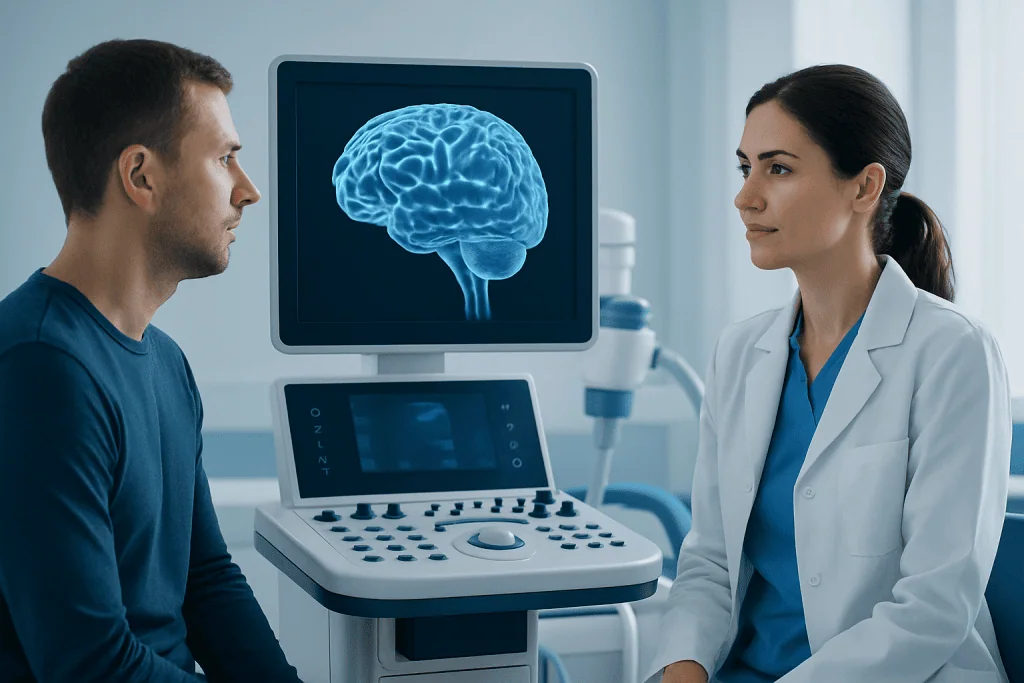
Nootropics do not all work in the same way. Some affect neurotransmitters involved in attention and alertness, such as dopamine or norepinephrine. Others may influence wakefulness pathways, blood flow, or cellular energy use. Caffeine, for example, reduces the feeling of tiredness by blocking adenosine receptors, while prescription stimulants act differently and are used only in selected medical situations.
Many supplement-based nootropics are proposed to support the brain indirectly. They may contain B vitamins, omega-3 fats, plant compounds, or amino acids that are thought to help with general nervous system function. However, improving a nutrient deficiency is very different from enhancing cognition in an otherwise healthy person. If someone has low vitamin B12, iron deficiency, poor sleep, anxiety, or an untreated thyroid disorder, correcting the underlying issue often matters more than adding a supplement.
It is also important to remember that concentration and memory are affected by many factors beyond the brain itself. Stress, low mood, dehydration, pain, medication side effects, and poor sleep can all reduce mental performance. Because of this, the apparent effect of a nootropic may be modest, inconsistent, or difficult to separate from lifestyle factors.
Common types of nootropics

Nootropics are often grouped into prescription medicines, nonprescription stimulants, and supplements. Prescription options may include stimulant medicines used for attention-deficit/hyperactivity disorder or wakefulness-promoting medicines used in selected sleep disorders. These should be used only after a medical assessment because they can have side effects, may not be appropriate for everyone, and can interact with other treatments.
Among nonprescription substances, caffeine is the best-known example. It may help alertness, reaction time, and the feeling of wakefulness, especially in tired individuals. However, too much can lead to jitteriness, palpitations, tremor, anxiety, reflux, or disrupted sleep, which can then worsen concentration the next day.
Supplement-based nootropics vary widely. Products may include ingredients such as ginkgo, ginseng, L-theanine, bacopa, creatine, omega-3 fatty acids, or combinations marketed for memory and focus. The evidence for these is mixed, and product quality can differ from brand to brand. Some formulations contain multiple active ingredients, making it harder to predict effects or identify the cause of side effects.
- Prescription nootropics: used for defined medical conditions under a doctor’s supervision
- Everyday stimulants: caffeine and similar compounds that mainly improve alertness
- Supplements: vitamins, botanicals, amino acids, and blends marketed for brain health
Potential benefits and realistic expectations
The possible benefits of nootropics depend on the person and the reason for use. Someone who is sleep-deprived may feel more alert after caffeine, while a person with a diagnosed condition may benefit from a prescribed treatment tailored to that condition. In contrast, a healthy person with normal sleep and no underlying deficiency may notice little or no improvement from many over-the-counter products.
For memory and focus, expectations should remain realistic. Most nootropics do not transform learning ability or create a large, reliable increase in performance. Even when a product helps, the effect may be subtle, such as feeling less mentally fatigued or finding it easier to stay on task for a period of time. The strongest long-term support for cognitive health usually comes from lifestyle measures, including regular sleep, physical activity, balanced nutrition, stress management, and treatment of medical problems that affect thinking.
If someone is using nootropics because of persistent forgetfulness, reduced attention, daytime sleepiness, or “brain fog,” a medical assessment may be more useful than self-treatment. Conditions such as sleep apnea, depression, anxiety, migraine, thyroid disease, anemia, and some neurological disorders can all affect cognition. If needed, a clinician may suggest a structured evaluation or neurological rehabilitation plan when symptoms relate to recovery or a diagnosed neurological condition.
Risks, side effects, and interactions
Nootropics can cause side effects, and these vary by ingredient. Depending on the product, possible problems include headache, insomnia, anxiety, restlessness, nausea, increased heart rate, increased blood pressure, digestive upset, or dizziness. Some supplements may also affect mood or trigger symptoms in people who are sensitive to stimulants.
Interactions are an important concern. Nootropics may interact with antidepressants, blood thinners, blood pressure medicines, seizure medicines, sedatives, thyroid treatments, and other prescriptions or supplements. Combining several stimulating products can increase side effects. Alcohol and recreational substances can further complicate safety, especially when mixed with prescription agents.
Another issue is product quality. Dietary supplements may differ in purity, ingredient amounts, and consistency. A label may not always reflect exactly what is in the container. This matters because people may take more than intended, combine overlapping ingredients, or use products that contain hidden stimulants. Anyone with heart disease, anxiety, bipolar disorder, pregnancy, breastfeeding, glaucoma, seizures, or liver or kidney problems should be particularly cautious and speak with a qualified doctor before use.
- Common side effects: insomnia, jitteriness, headache, nausea, palpitations
- Higher-risk situations: combining multiple stimulants, using unverified products, taking prescription medicines without supervision
- Special caution: pregnancy, breastfeeding, older age, chronic illness, and children or teenagers
How doctors evaluate memory, focus, or brain fog
When a person seeks medical advice for concentration problems, memory concerns, or mental fatigue, the goal is to identify the cause rather than simply add a stimulant. A doctor usually asks about sleep, stress, mood, work or school demands, nutrition, alcohol intake, medication use, and the timing of symptoms. The pattern often gives important clues. For example, trouble focusing that began after a change in medication may be managed very differently from gradual memory change in an older adult.
Assessment may include a physical examination, review of current medicines and supplements, and sometimes blood tests to look for issues such as anemia, vitamin deficiencies, thyroid imbalance, or metabolic problems. If symptoms suggest a sleep disorder, mental health condition, or neurological problem, the doctor may recommend targeted evaluation. In some cases, cognitive testing or specialist review is appropriate, especially if there is concern for conditions involving memory loss or attention.
Specialists may also look for conditions that are commonly mistaken for a need for nootropics. Persistent headaches, episodes of confusion, sleep-related breathing problems, or untreated anxiety can all impair daily thinking. When symptoms are linked to a known condition, management may involve directed care such as neurology evaluation or, if sleep is a major issue, sleep disorder assessment.
Safer use, self-care, and when to seek medical care
For people considering nootropics, a safer approach starts with clear goals and careful review. It helps to ask what problem is being addressed, whether an underlying medical issue has been ruled out, and whether the expected benefit is realistic. Choosing one product rather than multiple overlapping products can make side effects easier to detect. Reading labels carefully and avoiding megadoses or unverified claims is also important.
Self-care measures often support cognition more reliably than supplements alone. Helpful habits include keeping a regular sleep schedule, staying physically active, eating a balanced diet, managing stress, limiting alcohol, and taking breaks during mentally demanding tasks. Good control of chronic conditions such as diabetes, high blood pressure, depression, and sleep disorders can also improve day-to-day mental function. If memory problems are ongoing, it may be helpful to discuss memory-related disorders with a clinician rather than relying on supplements.
Medical care should be sought if concentration or memory changes are persistent, worsening, or interfering with work, school, driving, or daily life. Urgent assessment is needed for sudden confusion, one-sided weakness, fainting, chest pain, severe palpitations, seizures, or shortness of breath after taking a product. A doctor should also be consulted before using nootropics in pregnancy, breastfeeding, older age, or alongside prescription medicines. Near the end of the care pathway, some patients may choose centers such as Acibadem International, where multidisciplinary specialists in JCI-accredited hospitals evaluate and treat neurological, sleep, and related conditions for international patients.
Frequently asked questions
Are nootropics the same as prescription smart drugs?
Not exactly. Nootropics is a broad term that can include prescription medicines, caffeine, and dietary supplements marketed for focus or memory. Prescription drugs have specific medical indications, while many supplements are sold for general wellness and may have less consistent evidence.
Do nootropics really improve memory and focus?
Some nootropics may improve alertness or help certain symptoms in selected people, but the effect is often modest. Results depend on the substance, the person’s health, sleep, stress level, and whether there is an underlying medical condition affecting cognition.
Are natural nootropics safer than prescription medicines?
Natural does not automatically mean safer. Herbal and supplement-based nootropics can still cause side effects, interact with medicines, and vary in quality. A product’s safety depends on its ingredients, dose, purity, and the health of the person taking it.
Can caffeine be considered a nootropic?
Yes, caffeine is commonly considered a mild nootropic because it can increase alertness and reduce the feeling of fatigue. However, it does not suit everyone, and too much can cause insomnia, anxiety, palpitations, or stomach discomfort.
Who should avoid nootropics unless a doctor recommends them?
People who are pregnant or breastfeeding, children and teenagers, and those with heart rhythm problems, severe anxiety, bipolar disorder, seizures, glaucoma, or liver or kidney disease should be especially cautious. Anyone taking prescription medicines should also check for interactions before starting a product.
When should memory problems or brain fog be medically assessed?
Medical assessment is helpful when symptoms last more than a short period, are getting worse, or interfere with work, school, or daily activities. Urgent care is needed for sudden confusion, weakness, trouble speaking, chest pain, fainting, or severe palpitations after taking a product.
References
- National Center for Complementary and Integrative Health
- U.S. Food and Drug Administration
- National Institute of Mental Health
- National Institute on Aging
- American Academy of Neurology
This article is for general information only and is not a substitute for professional medical advice. Please consult a qualified doctor about your individual situation.
Explore treatments in Turkey — costs, top hospitals & a free quote
JCI-accredited · board-certified surgeons · reply within 24h