Nsclc — Explained by Medical Evidence, Not Myths

NSCLC is the most common form of lung cancer and includes several subtypes, such as adenocarcinoma and squamous cell carcinoma. Early NSCLC may cause few or no symptoms, so persistent cough, chest pain, coughing up blood, or unexplained weight loss should be medically assessed.
Key Takeaways
- NSCLC is the most common form of lung cancer and includes several subtypes, such as adenocarcinoma and squamous cell carcinoma.
- Early NSCLC may cause few or no symptoms, so persistent cough, chest pain, coughing up blood, or unexplained weight loss should be medically assessed.
- Diagnosis usually combines imaging, tissue biopsy, and biomarker testing to guide treatment decisions.
- Treatment may include surgery, radiation therapy, chemotherapy, targeted therapy, immunotherapy, or a combination of these approaches.
- Stopping smoking, avoiding harmful exposures, and following screening advice can help reduce risk or support earlier detection.
NSCLC stands for non-small cell lung cancer, the most common type of lung cancer. It is not one single disease but a group of related lung cancers, and care depends on the tumor’s stage, genetic features, and the person’s overall health.
What NSCLC means
NSCLC means non-small cell lung cancer. It is the broad term used for several lung cancers that behave differently from small cell lung cancer. In practice, this matters because diagnosis, staging, and treatment planning are not the same for every type of lung cancer.
NSCLC includes subtypes such as adenocarcinoma, squamous cell carcinoma, and large cell carcinoma. These cancers can begin in different parts of the lung and may have different molecular changes, which is why doctors often look beyond the name alone before recommending treatment.
Some people think NSCLC is a single disease with one standard treatment path. Medical evidence shows the opposite: modern care is individualized. A person’s stage, tumor location, biopsy results, and biomarker profile all help determine the most appropriate next steps.
Symptoms and how NSCLC may present
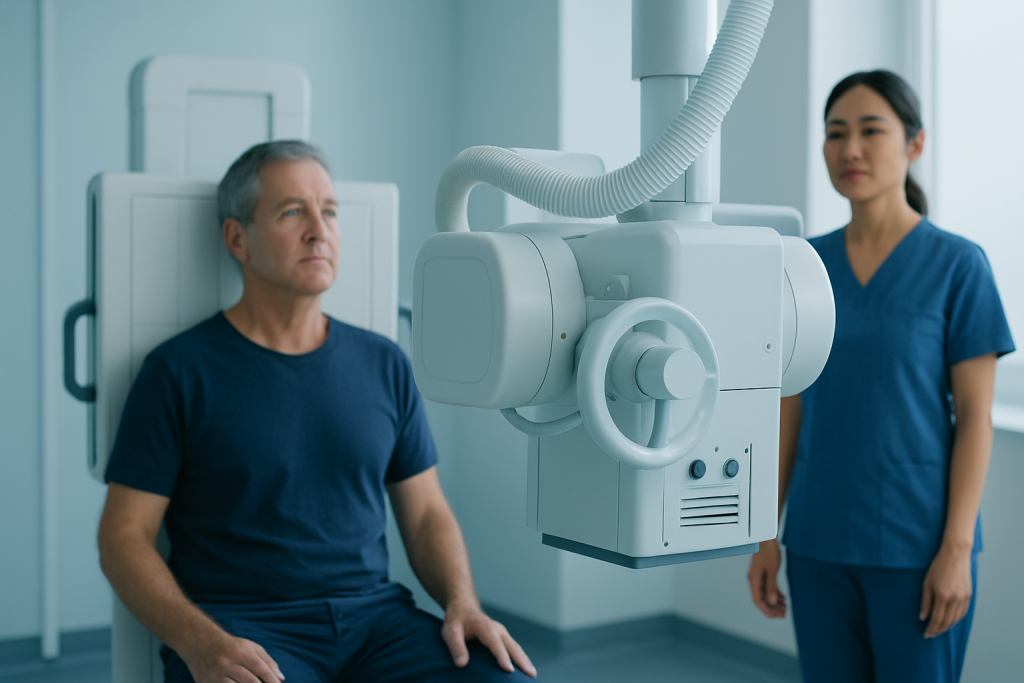
Early NSCLC may not cause noticeable symptoms. When symptoms do appear, they often resemble common respiratory problems at first, which can delay evaluation. This is one reason persistent or changing symptoms deserve medical attention, especially in people with a history of smoking or other risk factors.
Possible symptoms include a cough that does not go away, coughing up blood, shortness of breath, wheezing, chest pain, hoarseness, repeated chest infections, fatigue, and unexplained weight loss. Symptoms may vary depending on where the tumor is located and whether it has affected nearby tissues.
If NSCLC spreads beyond the lungs, it can cause symptoms elsewhere in the body. For example, bone pain, headaches, neurological changes, or liver-related symptoms may occur in some cases. These symptoms are not specific to NSCLC, but they can signal the need for further testing.
- Persistent cough or a change in a long-standing cough
- Chest discomfort or pain
- Shortness of breath or wheezing
- Coughing up blood
- Unexplained tiredness or weight loss
Causes, risk factors, and what increases risk
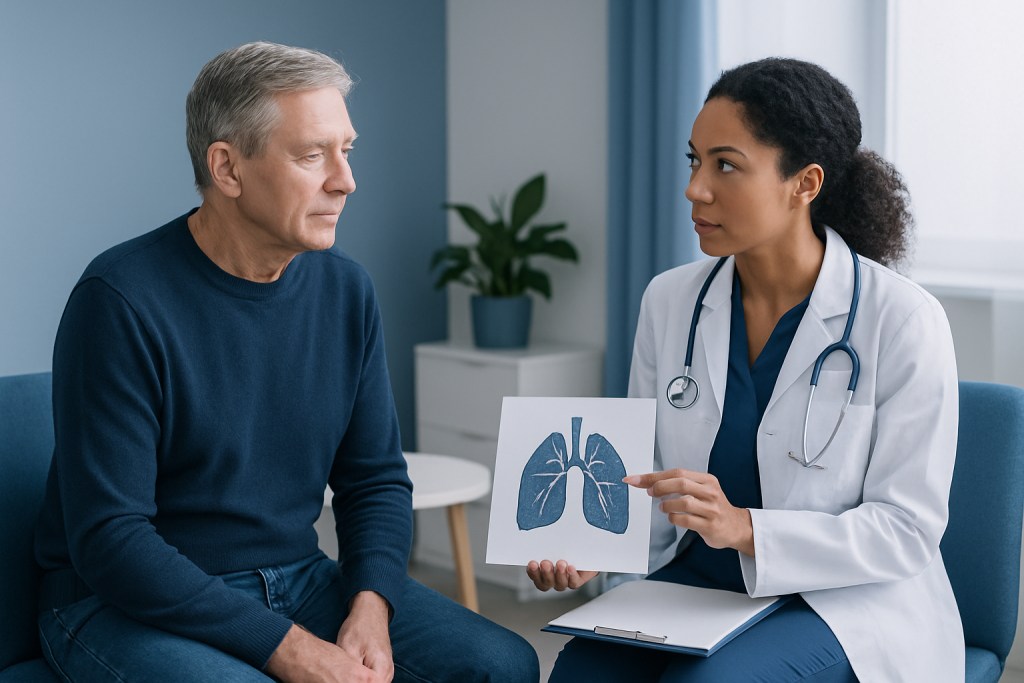
Smoking is the leading risk factor for NSCLC, but it is not the only one. People who have never smoked can also develop NSCLC, especially adenocarcinoma. This is why the condition should not be seen only through the lens of smoking history.
Other risk factors include exposure to secondhand smoke, radon gas, asbestos, air pollution, and some workplace chemicals. Family history, prior radiation to the chest, and chronic lung disease may also contribute to risk in some individuals. In addition, certain genetic changes inside the tumor can influence how the cancer behaves and which treatments may work best.
Risk factors increase the chance of developing NSCLC, but they do not confirm that a person has it. Likewise, having no obvious risk factors does not fully rule it out. A careful evaluation is still needed when symptoms or imaging findings raise concern for lung cancer.
How NSCLC is diagnosed and staged
Doctors usually begin with a medical history, physical examination, and imaging tests. A chest X-ray may detect an abnormality, but a chest CT scan often provides more detail. If a suspicious area is found, further imaging such as PET-CT or brain imaging may be used to understand whether the disease is localized or has spread.
A definite diagnosis requires a tissue sample. This may be obtained through bronchoscopy, needle biopsy, or another procedure depending on the tumor’s location. Pathologists examine the sample under a microscope to confirm NSCLC and identify its subtype.
Biomarker testing is now a standard part of NSCLC care in many patients, especially in advanced disease. These tests look for molecular features such as EGFR, ALK, ROS1, KRAS, and others, as well as markers like PD-L1. The results can help identify whether immunotherapy or a targeted medicine may be appropriate.
Staging describes how far the cancer has spread. In general, early-stage NSCLC is limited to the lung or nearby lymph nodes, while advanced-stage disease has spread more widely. Staging helps guide whether treatment is centered on surgery, radiation, drug therapy, or combined approaches.
Treatment options for NSCLC
NSCLC treatment is personalized. The main factors include stage, tumor subtype, molecular findings, symptoms, and the person’s general health and lung function. A multidisciplinary team often includes chest physicians, radiologists, pathologists, thoracic surgeons, medical oncologists, and radiation oncologists.
For some early-stage tumors, lung cancer surgery may be the main treatment. Surgery aims to remove the tumor and, when needed, nearby lymph nodes. Depending on the case, doctors may recommend additional treatment before or after surgery to reduce the risk of recurrence.
Radiation therapy may be used when surgery is not suitable, when the cancer is in a location that needs local control, or together with drug therapy in more advanced disease. Radiation therapy can also help relieve symptoms in selected situations, such as pain or airway obstruction.
Drug treatment may include chemotherapy, targeted therapy, immunotherapy, or combinations of these approaches. Chemotherapy remains important for many patients, while targeted medicines and immunotherapy can be especially useful when specific biomarkers are present. Doctors discuss the expected goals of treatment, possible side effects, and how response will be monitored over time.
Living with NSCLC: monitoring, support, and self-care
Living with NSCLC often involves ongoing monitoring, even after treatment is completed. Follow-up visits may include imaging, review of symptoms, and management of side effects or long-term changes in breathing, energy, or appetite. This surveillance helps doctors detect recurrence, treatment response, or complications at an earlier stage.
Supportive care is an important part of treatment, not something separate from it. It may include pain control, pulmonary rehabilitation, nutritional support, emotional support, and treatment for symptoms such as cough, breathlessness, or fatigue. Many people benefit from asking early about rehabilitation and symptom management rather than waiting until symptoms become more disruptive.
At home, practical self-care can help: avoiding smoking, staying as physically active as possible, eating regular nourishing meals, keeping vaccination status up to date when advised, and reporting new symptoms promptly. Family support, counseling, and patient education can also make the treatment journey more manageable.
Reducing risk and when to seek medical care
The most effective way to lower the risk of NSCLC is not smoking or stopping smoking. Reducing exposure to secondhand smoke, radon, and occupational lung irritants also matters. People at high risk may benefit from discussing lung cancer screening with a doctor, as screening can sometimes detect disease before symptoms begin.
Medical care should be sought promptly for a cough lasting more than a few weeks, coughing up blood, new or worsening shortness of breath, persistent chest pain, repeated chest infections, unexplained weight loss, or marked fatigue. Urgent assessment is also important for severe breathlessness, significant bleeding, or new neurological symptoms such as weakness, confusion, or seizures.
People already diagnosed with NSCLC should contact their care team if they develop fever, worsening pain, trouble eating or drinking, or side effects that interfere with daily life. Timely communication often allows symptoms to be managed earlier and more safely.
For patients seeking coordinated evaluation and treatment, Acibadem International’s multidisciplinary specialists and JCI-accredited hospitals provide care for international patients with lung cancer and related conditions.
Frequently asked questions
Is NSCLC the same as lung cancer?
NSCLC is one major type of lung cancer, not all lung cancer. It refers to non-small cell lung cancer, which includes several subtypes and is different from small cell lung cancer in behavior and treatment.
What are the first signs of NSCLC?
Some people have no symptoms at first. When symptoms occur, common early signs can include a persistent cough, shortness of breath, chest discomfort, hoarseness, or coughing up blood.
Can someone get NSCLC without smoking?
Yes. Although smoking is the biggest risk factor, NSCLC can also develop in people who have never smoked. Other factors such as radon, air pollution, workplace exposures, and genetic influences may play a role.
Why is biomarker testing important in NSCLC?
Biomarker testing helps doctors look for molecular features within the tumor. These results can guide treatment selection, especially when targeted therapy or immunotherapy may be more suitable than standard approaches alone.
Is NSCLC treatable?
Yes, NSCLC is treatable, and many different treatment options are available. The best approach depends on the stage, tumor characteristics, and the person’s overall health, so treatment plans are individualized.
When should a person see a doctor about possible NSCLC symptoms?
A doctor should assess symptoms such as a cough that does not improve, coughing up blood, chest pain, unexplained weight loss, or persistent shortness of breath. Prompt care is especially important if symptoms are worsening or interfering with daily life.
References
- National Cancer Institute
- American Cancer Society
- National Comprehensive Cancer Network
- American Society of Clinical Oncology
- World Health Organization
This article is for general information only and is not a substitute for professional medical advice. Please consult a qualified doctor about your individual situation.
Oncology care in Turkey — second opinion and treatment plan
JCI-accredited · board-certified surgeons · reply within 24h
Check your numbers in seconds
BMI, calories, due date, blood pressure and 30+ more clinical calculators — free, instant, doctor-reviewed ranges.

More from the Health Library



Related Specialists

Dr. Tekin Münür Ormancioğlu
Ophthalmology
Dr. Utku Alemdaroğlu
Cardiovascular Surgery
Dr. Bedii Ender Topçu
Oral and Dental Health
Prof. Dr. Gül Sağın Saylam
Pediatric Cardiology