

Nucleus Pulposus — Explained by Medical Evidence, Not Myths
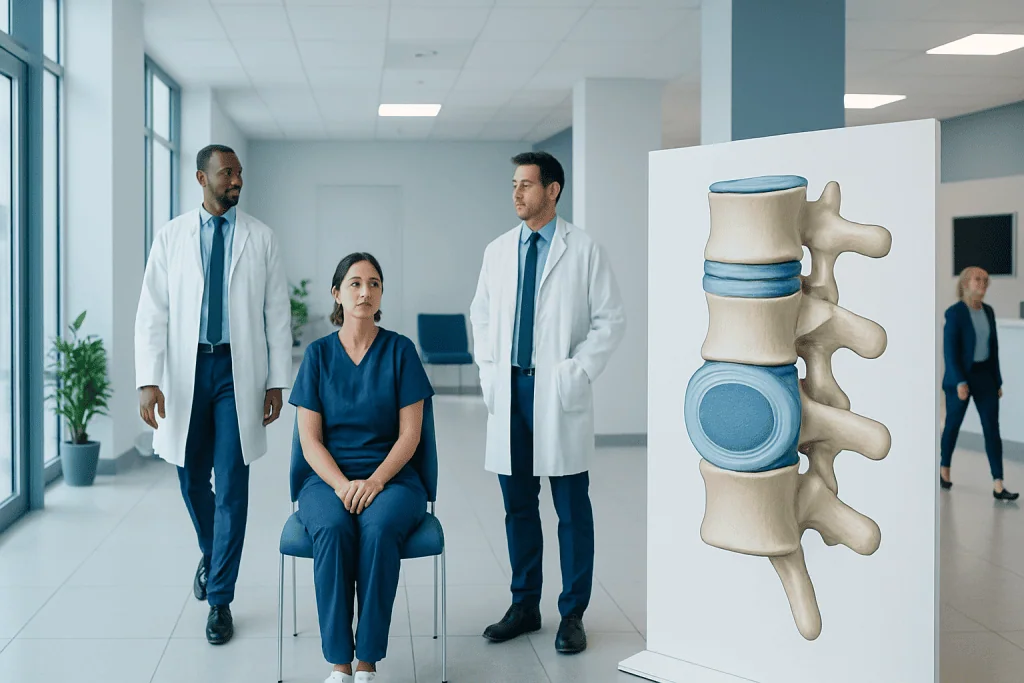
The nucleus pulposus is the inner, cushioning core of a spinal disc. It works with the outer annulus fibrosus to absorb pressure and allow flexible movement.
Key Takeaways
- The nucleus pulposus is the inner, cushioning core of a spinal disc.
- It works with the outer annulus fibrosus to absorb pressure and allow flexible movement.
- Age-related wear, injury, and repetitive strain can cause disc changes involving the nucleus pulposus.
- A herniated disc may occur when nucleus pulposus material pushes through a weakened outer disc layer.
- Many disc-related symptoms improve with conservative treatment, but persistent or severe symptoms need medical evaluation.
The nucleus pulposus is the soft, gel-like center of an intervertebral disc. It helps the spine absorb shock and move smoothly, but when the disc degenerates or herniates, the nucleus pulposus can play a central role in back pain, neck pain, or nerve-related symptoms.
What the nucleus pulposus is
The nucleus pulposus is the soft, jelly-like center of an intervertebral disc, the cushion located between the bones of the spine. Its main job is to distribute pressure, absorb shock, and help the spine move in a controlled way. In simple terms, it acts like the inner filling of a pressure-absorbing pad.
Each spinal disc has two main parts: the nucleus pulposus in the middle and the annulus fibrosus, a tougher outer ring made of fibrous tissue. Together, these structures help the neck and back bend, twist, and carry body weight. The nucleus pulposus contains a high water content early in life, which helps it stay resilient and compressible.
Questions about the nucleus pulposus often come up when a person has back pain, neck pain, or a disc problem seen on imaging. The term itself does not mean disease. Rather, it refers to a normal anatomical structure that can become involved in conditions such as disc degeneration or a herniated disc.
Why it matters in spine health
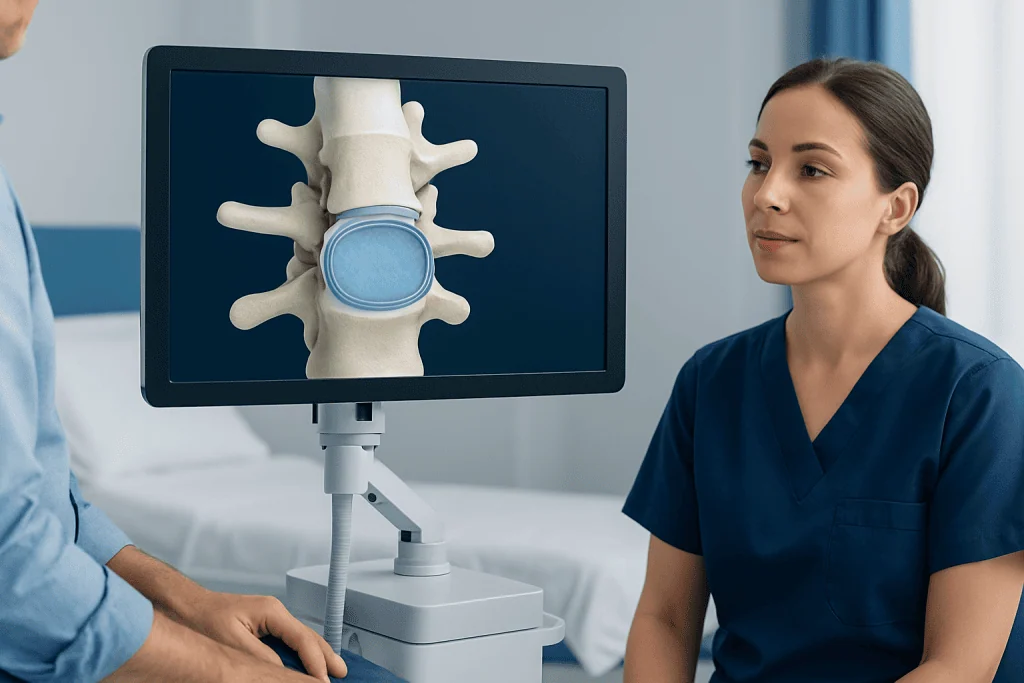
The spine is designed to balance stability with mobility. The nucleus pulposus is important because it helps spread mechanical loads across the disc when a person stands, walks, lifts, or sits. This pressure-sharing role reduces stress on the vertebrae and joints.
When the nucleus pulposus is healthy, it remains well hydrated and functions as a flexible shock absorber. Over time, however, discs naturally lose some water content. This age-related change can reduce disc height and elasticity, making the disc less able to handle daily forces.
If the disc structure weakens, the nucleus pulposus may shift or bulge against the annulus fibrosus. In some cases, it can protrude or escape through a tear in the outer layer. When this happens near a spinal nerve, symptoms such as arm pain, leg pain, tingling, numbness, or weakness may occur.
Not every change seen in a spinal disc causes symptoms. Many people have disc aging or bulging on scans without significant pain. For that reason, doctors interpret imaging alongside symptoms, physical examination findings, and the person’s overall health.
Common problems involving the nucleus pulposus
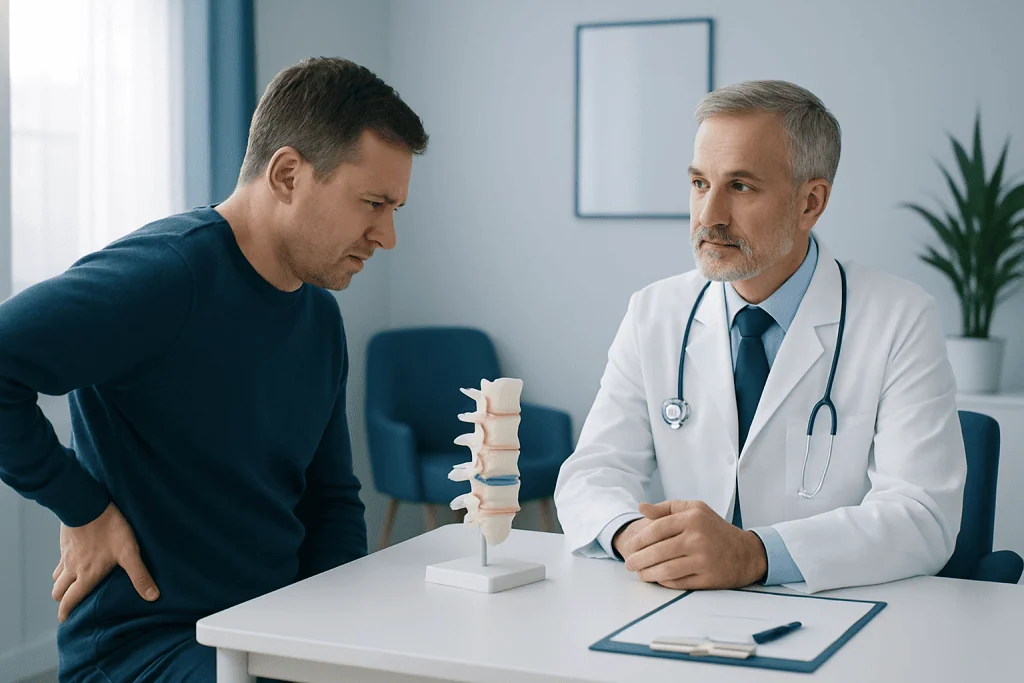
The nucleus pulposus is most often discussed in relation to disc degeneration and disc herniation. In degeneration, the disc gradually loses water and resilience. The nucleus pulposus becomes less gel-like, and the disc may flatten or become less effective at shock absorption.
In a herniated disc, material from the nucleus pulposus moves outward through a weakened or torn annulus fibrosus. This can irritate nearby nerves chemically and mechanically. Depending on the level of the spine involved, symptoms may affect the neck, shoulder, arm, lower back, buttock, or leg.
Related symptoms and conditions may include:
- Localized back or neck pain
- Radiating pain, such as sciatica
- Numbness or tingling in an arm or leg
- Muscle weakness linked to nerve compression
- Stiffness or reduced spinal mobility
Less commonly, severe nerve compression can affect bladder or bowel control or cause major weakness. These symptoms need urgent medical attention because they may suggest a serious spinal emergency.
Causes and risk factors
The most common reason the nucleus pulposus becomes part of a medical problem is gradual wear over time. Aging changes the disc’s water content and internal structure. This makes the disc less flexible and more prone to cracks or bulging.
Mechanical strain can also contribute. Repeated heavy lifting, frequent bending or twisting, poor body mechanics, and jobs or sports that place repetitive stress on the spine may increase the risk of disc injury. A sudden movement or accident can sometimes trigger symptoms in a disc that was already weakened.
Other factors may raise the likelihood of disc-related problems:
- Smoking, which can affect disc nutrition and tissue health
- Excess body weight, which adds load to the spine
- Low levels of physical conditioning or weak core muscles
- Long periods of sitting with poor posture
- Family history of degenerative disc disease
Risk factors do not guarantee a painful condition, and pain severity does not always match scan findings. Some people with obvious disc changes have little discomfort, while others with modest findings may have more noticeable symptoms.
How doctors diagnose disc problems
Diagnosis begins with a medical history and physical examination. A doctor will ask where the pain is felt, whether it travels into an arm or leg, how long symptoms have been present, and what makes them better or worse. They may also check reflexes, muscle strength, sensation, and walking pattern.
In many cases, especially when symptoms are recent and there are no warning signs, initial care may begin without immediate advanced imaging. This is because many episodes of back or neck pain improve with time and conservative treatment.
When symptoms persist, worsen, or suggest nerve compression, imaging may be helpful. MRI is often the most useful test for evaluating discs, nerves, and soft tissues. Depending on the situation, doctors may also use X-rays to assess alignment or CT in selected cases.
If treatment is being planned or symptoms are complex, specialist assessment can guide next steps. This may include evaluation by experts in orthopedics, spine care, physical medicine, pain management, or neurosurgery.
Treatment options and recovery
Treatment depends on the cause of symptoms, their severity, and whether nerves are affected. Many problems involving the nucleus pulposus improve with non-surgical care. Early treatment often includes activity modification, short-term rest from aggravating movements, and a gradual return to normal routines.
Doctors may recommend physical therapy to improve flexibility, posture, and core support. Exercise programs are usually tailored to the person and may focus on strengthening the muscles that stabilize the spine. Pain relief approaches can include heat or ice, supervised exercise, and medications chosen by a qualified clinician.
When pain radiates down an arm or leg because of nerve irritation, treatment may also include more targeted options such as pain management strategies. If significant weakness, ongoing severe pain, or progressive nerve symptoms continue despite conservative care, surgery may be considered. Procedures aim to relieve pressure on the affected nerve while preserving as much normal function as possible.
Recovery varies from person to person. Some improve within weeks, while others need longer rehabilitation. The best results often come from combining symptom control with long-term changes in movement habits, posture, and physical conditioning.
Prevention and self-care for spinal disc health
It is not possible to prevent all age-related changes in the nucleus pulposus, but everyday habits can support overall spine health. Regular physical activity helps maintain strength, flexibility, and circulation to spinal structures. Core and back muscle conditioning may reduce strain on the discs during daily tasks.
Posture and body mechanics matter. Lifting with the legs rather than the back, avoiding sudden twisting under load, and taking breaks from prolonged sitting can all be helpful. A workspace that supports neutral posture may also reduce repetitive stress on the neck and lower back.
Useful self-care habits include:
- Staying physically active within comfortable limits
- Maintaining a healthy body weight
- Stopping smoking if applicable
- Using supportive movement patterns during work and exercise
- Following a clinician-guided rehabilitation plan after injury
For people with recurring symptoms, early management often prevents longer-lasting discomfort. Keeping track of triggers, pacing activities, and seeking advice before pain becomes severe can help protect function and quality of life.
When to seek medical care
Medical care is appropriate when back or neck pain lasts longer than expected, keeps returning, or interferes with sleep, work, walking, or normal daily activity. Evaluation is also important if pain travels into an arm or leg or is accompanied by tingling, numbness, or weakness.
Urgent medical attention is needed for warning signs such as loss of bladder or bowel control, rapidly worsening weakness, numbness around the groin or inner thighs, fever with severe spinal pain, or pain after a significant injury. These symptoms can point to conditions that need prompt treatment.
People with persistent or complex symptoms may benefit from multidisciplinary assessment. Acibadem International’s multidisciplinary specialists in JCI-accredited hospitals diagnose and treat spinal conditions for international patients, including evaluation through physical therapy and rehabilitation and specialist spine care when needed.
Frequently asked questions
Is the nucleus pulposus a disease?
No. The nucleus pulposus is a normal part of the spinal disc. It becomes medically relevant when disc aging, tearing, or herniation causes pain or nerve irritation.
What happens when the nucleus pulposus herniates?
When the outer disc layer weakens or tears, nucleus pulposus material can move outward. This may press on or irritate a nearby nerve, which can cause back or neck pain, sciatica, numbness, tingling, or weakness.
Can nucleus pulposus problems heal without surgery?
Many can. A large number of disc-related symptoms improve with time, activity modification, physical therapy, and other conservative measures. Surgery is usually reserved for persistent pain, progressive nerve symptoms, or urgent neurological problems.
Does a scan showing disc changes always explain pain?
Not always. Disc bulges and degenerative changes are common, especially with age, and may appear on MRI even in people who have no symptoms. Doctors interpret imaging together with the person's symptoms and examination findings.
How can someone protect the nucleus pulposus and spinal discs?
Healthy habits can support disc health even though aging changes cannot be completely prevented. Regular exercise, good lifting technique, avoiding smoking, maintaining a healthy weight, and limiting prolonged poor posture may reduce stress on the discs.
When should someone worry about back pain related to a disc?
Medical evaluation is important if pain lasts, returns often, or spreads into an arm or leg. Urgent care is needed for loss of bowel or bladder control, severe or worsening weakness, numbness in the saddle area, or symptoms after major trauma.
References
- National Institute of Arthritis and Musculoskeletal and Skin Diseases
- American Academy of Orthopaedic Surgeons
- National Institute of Neurological Disorders and Stroke
- North American Spine Society
- MedlinePlus
This article is for general information only and is not a substitute for professional medical advice. Please consult a qualified doctor about your individual situation.
Joint and spine care in Turkey — expert assessment & treatment
JCI-accredited · board-certified surgeons · reply within 24h
Add us as a Preferred Source to see more of our trusted health content across Google Search, AI Overviews and Discover.

More from the Health Library



Related Specialists
Fzt. Murat Özel
Physical Medicine and Rehabilitation
Dr. Fuad Alakbarli
Orthopedic Surgery & Traumatology
Dr. Ali Arikan
Emergency Service
Prof. Dr. Koray Özduman
Neurosurgery