Omentectomy Surgery: Procedure, Recovery and Results

An omentectomy removes the greater omentum, lesser omentum, or both, depending on the medical reason and surgical plan. It is commonly performed alongside surgery for ovarian, stomach, colon, appendix, or peritoneal cancers.
Key Takeaways
- An omentectomy removes the greater omentum, lesser omentum, or both, depending on the medical reason and surgical plan.
- It is commonly performed alongside surgery for ovarian, stomach, colon, appendix, or peritoneal cancers.
- Recovery varies with the surgical approach and any additional procedures; minimally invasive surgery may allow an earlier return to activity.
- Removing the omentum does not usually cause weight loss or major long-term digestive problems by itself.
- Potential risks include bleeding, infection, blood clots, bowel injury, adhesions, and complications related to anesthesia.
- The pathology report after surgery helps guide further treatment, such as chemotherapy or follow-up monitoring.
Omentectomy surgery is an operation to remove part or all of the omentum, a fatty tissue layer inside the abdomen that supports and protects abdominal organs. It is most often performed as part of treatment or staging for cancers that may spread within the abdomen, but may also be needed for other serious abdominal conditions.
Overview: What Is Omentectomy Surgery?
Omentectomy surgery is a procedure that removes some or all of the omentum, an apron-like layer of fatty tissue that hangs from the stomach and lies over the intestines. The omentum contains blood vessels, immune cells, lymphatic tissue, and fat. It helps cushion abdominal organs and can assist the body’s response to inflammation or infection.
Surgeons may remove the omentum when imaging, symptoms, or an existing diagnosis suggests disease in this tissue. Most often, an omentectomy is part of cancer surgery rather than a stand-alone operation. It may be used to remove visible tumor deposits, determine whether cancer has spread, or reduce the amount of tumor remaining before other treatment.
The extent of surgery depends on the reason for treatment. A partial omentectomy removes only the affected area. A total or complete omentectomy removes a larger portion, usually the greater omentum. The procedure may be performed through open abdominal surgery or with laparoscopic or robotic techniques in selected patients.
Why It Is Done and Who May Be a Candidate
An omentectomy may be recommended for people with cancers that can spread across the lining of the abdomen, called the peritoneum. These include ovarian, fallopian tube, primary peritoneal, stomach, colon, appendix, pancreatic, and some uterine cancers. In these settings, removing the omentum can provide important information about the stage of disease and may help reduce visible cancer.
Less commonly, surgeons may remove omental tissue because of a suspicious mass, tissue death caused by impaired blood supply, severe infection, trauma, or an inflammatory condition. The decision is individualized. It is based on the suspected diagnosis, scan findings, overall health, previous abdominal surgery, and whether other organs or tissues also need treatment.
Before an omentectomy surgical procedure, the care team may arrange blood tests, imaging, and an anesthesia assessment. Some patients need nutritional support or treatment for anemia before surgery. When cancer is suspected, the surgical plan is often developed by a multidisciplinary team that may include surgical oncologists, gynecologic oncologists, medical oncologists, radiologists, and pathologists.
For cancer-related operations, omentectomy may form part of cancer surgery designed to remove affected tissue safely while preserving healthy organs whenever appropriate.
Omentectomy Surgery Steps: How the Procedure Works

The exact omentectomy surgery steps vary according to the condition being treated and whether the surgeon is removing only the omentum or performing a larger operation. The procedure is done under general anesthesia, so the patient is asleep and does not feel pain during surgery.
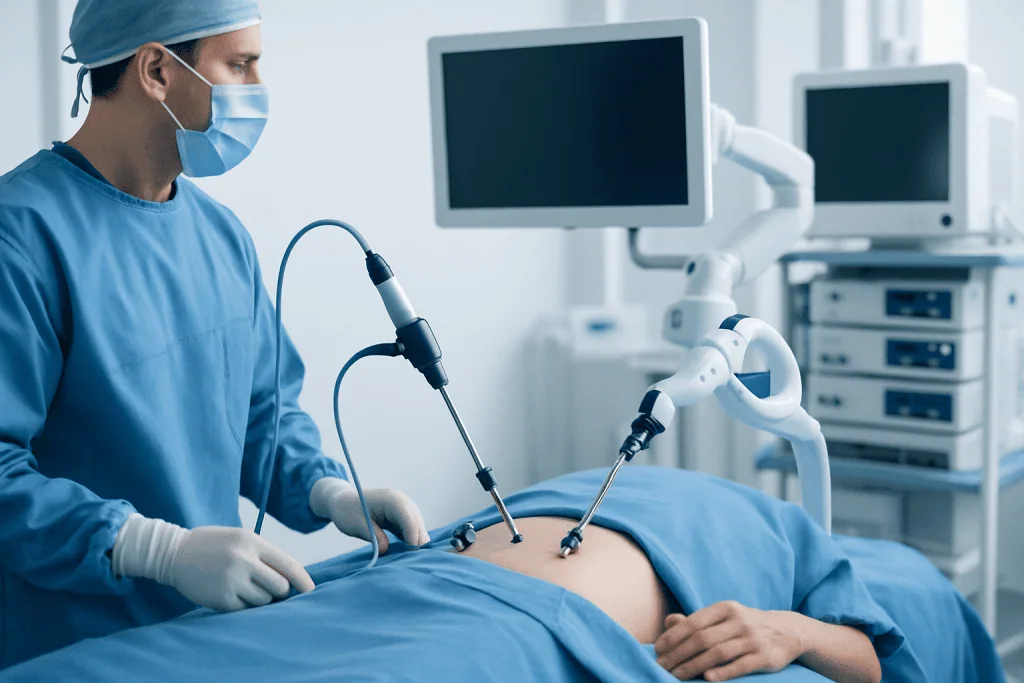
For an open operation, the surgeon makes an incision in the abdomen. For laparoscopic or robotic surgery, several small incisions are made and a camera and specialized instruments are inserted. The surgeon first examines the abdominal cavity, including the peritoneum, bowel, stomach, liver surface, pelvis, and omentum. This inspection helps identify abnormal tissue and determine the appropriate extent of removal.
The omentum is carefully separated from nearby structures using surgical instruments that seal and divide blood vessels. If cancer is present, visible deposits may be removed when this can be done safely. Tissue is sent to a laboratory, where a pathologist examines it under a microscope. The operation may also include removal of lymph nodes, an ovary, part of the bowel, the uterus, or other involved tissue, depending on the diagnosis.
At the end of surgery, the team checks for bleeding and closes the incisions. Some patients temporarily need drains, intravenous fluids, or a urinary catheter. The length of surgery and hospital stay depends much more on any accompanying procedures than on removal of the omentum alone.
Benefits, Risks and Results
The main potential benefit of omentectomy is that it can remove diseased tissue and clarify the diagnosis. In cancer care, pathology results from the omentum may change the cancer stage and help the team recommend the most appropriate next steps. When the omentum contains tumor deposits, removing them may also be an important part of cytoreductive, or tumor-reducing, surgery.
Like all abdominal operations, an omentectomy carries risks. These include bleeding, infection, reactions to anesthesia, blood clots in the legs or lungs, wound problems, injury to nearby organs, and temporary slowing of bowel function. Adhesions, which are bands of scar tissue inside the abdomen, can develop after surgery and occasionally cause bowel obstruction later.
Risk is influenced by the type of procedure, the amount of surgery needed, nutritional status, smoking, diabetes, heart or lung conditions, and whether chemotherapy or prior surgery has affected healing. The surgeon explains the individual balance of expected benefits and risks before consent.
Results are assessed through recovery progress, the final pathology report, and follow-up imaging or oncology appointments where needed. Omentectomy is not automatically curative for cancer. Its role is determined by the cancer type, stage, tumor biology, and whether additional treatments such as chemotherapy are recommended.
Omentectomy Recovery Time and Aftercare
Omentectomy recovery time differs widely because the operation is often combined with other abdominal procedures. After a minimally invasive omentectomy, some people may leave hospital within a few days and gradually return to usual light activities over several weeks. Open surgery or more extensive cancer surgery usually requires a longer hospital stay and a recovery period that may extend for several weeks or longer.
In the first days after surgery, care focuses on pain control, early movement, breathing exercises, prevention of blood clots, and a safe return to eating and drinking. It is common to feel tired, have reduced appetite, and experience abdominal tenderness while healing. The care team will advise when showering, driving, lifting, work, exercise, and sexual activity can be resumed.
Patients should follow instructions on incision care, medications, diet, bowel habits, and scheduled follow-up. Staying hydrated, eating enough protein and calories, walking regularly as advised, and avoiding tobacco can support recovery. Constipation may occur after anesthesia and pain medicines; a clinician can recommend safe measures if needed.
People undergoing cancer-related surgery may receive further treatment after the wounds have healed adequately. Acibadem International’s multidisciplinary specialists and JCI-accredited hospitals diagnose and treat abdominal cancers for international patients, coordinating surgical and oncology care when appropriate.
Do You Lose Weight After Omentum Removal?
Removing the omentum does not usually cause meaningful or lasting weight loss by itself. Although the omentum contains fat, it is only one component of body weight and is not removed as a weight-loss procedure. Omentectomy should not be confused with bariatric surgery.
Some people do lose weight around the time of surgery because of reduced appetite, nausea, changes in diet, stress, or the underlying illness, especially cancer. Weight loss can also occur during chemotherapy or after a larger operation involving the stomach or bowel. Unplanned weight loss should be discussed with the care team, as nutritional support may be helpful.
Most people can digest food normally after an omentectomy alone. If other digestive organs were operated on at the same time, dietary guidance may be more individualized. A surgeon, dietitian, or oncology team can help patients maintain nutrition during recovery.
What Are the Side Effects of Having Your Omentum Removed?
In the short term, expected effects after omentum removal can include abdominal pain or soreness, fatigue, bloating, reduced appetite, constipation, and temporary changes in bowel habits. These usually improve as the anesthesia wears off, activity increases, and the surgical area heals.
Long-term effects from removal of the omentum alone are generally limited. The body has other protective and immune mechanisms within the abdomen. However, any abdominal operation can leave internal scar tissue, and a small number of people may later develop adhesion-related discomfort or bowel obstruction.
Side effects are more likely to reflect the full operation rather than the omentectomy itself. For example, bowel resection, hysterectomy, removal of ovaries, or stomach surgery can have additional effects. Patients should ask their surgeon which symptoms are expected for their specific procedure and which changes should prompt urgent review.
How Serious Is Omentum Cancer? When to Seek Medical Care
“Omentum cancer” usually refers to cancer that has spread to the omentum from another organ, rather than a cancer that started there. Because the omentum is a common location for spread within the abdomen, finding tumor there can indicate more advanced disease. However, seriousness and outlook vary greatly according to the original cancer, how widely it has spread, tumor characteristics, response to treatment, and the person’s overall health.
Rare tumors can arise primarily from omental tissue, but specialist pathology is needed to confirm the diagnosis. A diagnosis involving the omentum should be reviewed by an experienced cancer team, which can explain the pathology findings, available treatment options, and the purpose of surgery in the individual situation.
Medical advice should be sought promptly for persistent or worsening abdominal swelling, ongoing abdominal or pelvic pain, unexplained loss of appetite or weight, repeated vomiting, black or bloody stools, fever with increasing wound redness or drainage, or inability to pass stool or gas after abdominal surgery. After discharge, sudden shortness of breath, chest pain, fainting, or one-sided leg swelling require urgent medical assessment.
Follow-up is particularly important after surgery for ovarian cancer or other abdominal cancers, because the pathology report and recovery assessment help shape the next stage of care.
Frequently asked questions
How long does it take to recover from an omentectomy?
Recovery depends on whether the omentectomy was performed alone or as part of a larger abdominal operation. Minimally invasive procedures may allow recovery over a few weeks, while open or extensive cancer surgery can require several weeks or longer. The surgeon’s activity and follow-up guidance should take priority over a general timeline.
Is an omentectomy a major surgery?
An omentectomy can be a major operation, particularly when it is combined with removal of other organs or treatment for abdominal cancer. A limited laparoscopic procedure may be less invasive, but it still requires general anesthesia and careful postoperative monitoring. The overall complexity depends on the underlying condition and the amount of tissue that must be removed.
Can you live normally without an omentum?
Yes, most people can live normally after removal of the omentum. The body has other tissues and immune mechanisms that support abdominal protection and healing. Any longer-term effects are more often related to the original disease or additional surgery than to omentum removal alone.
Do you lose weight after omentum removal?
Omentum removal is not intended to cause weight loss and does not typically produce substantial long-term weight change by itself. Temporary weight loss may occur because of surgery, reduced appetite, or the condition being treated. Patients who are losing weight unintentionally should discuss this with their clinical team.
What are the side effects of having your omentum removed?
Common early effects include pain, tiredness, bloating, constipation, and reduced appetite. Possible surgical complications include infection, bleeding, blood clots, bowel injury, and adhesions. The individual risk profile depends on the surgical approach and whether other abdominal procedures are performed.
How serious is omentum cancer?
Cancer found in the omentum is often spread from another abdominal or pelvic cancer, and it may indicate more advanced disease. Its seriousness cannot be judged from the location alone, because outlook depends on the cancer type, extent of spread, pathology results, and treatment response. A specialist oncology team can explain what the findings mean for an individual patient.
References
- National Cancer Institute
- American Cancer Society
- American College of Surgeons
- National Health Service
- Society of Gynecologic Oncology
This article is for general information only and is not a substitute for professional medical advice. Please consult a qualified doctor about your individual situation.
Persistent digestive symptoms? Get evaluated in Turkey
JCI-accredited · board-certified surgeons · reply within 24h
Add us as a Preferred Source to see more of our trusted health content across Google Search, AI Overviews and Discover.