

Pediatric Epilepsy Treatment: How It Works, Results and What to Expect

The most effective pediatric epilepsy treatment begins with identifying the seizure type and underlying cause whenever possible. Anti-seizure medicines are often the first treatment and should be taken exactly as prescribed.
Key Takeaways
- The most effective pediatric epilepsy treatment begins with identifying the seizure type and underlying cause whenever possible.
- Anti-seizure medicines are often the first treatment and should be taken exactly as prescribed.
- A seizure diary, videos of events when safe, and regular follow-up help the care team evaluate treatment response.
- Children with drug-resistant epilepsy may be assessed for dietary therapy, neurostimulation or epilepsy surgery.
- Emergency care is needed for a prolonged seizure, repeated seizures without recovery, breathing difficulty or injury.
Pediatric epilepsy treatment is individualized to the child’s seizure type, epilepsy syndrome, development and overall health. Many children achieve good seizure control with medication, while others may benefit from dietary therapy, a neurostimulation device or epilepsy surgery after detailed specialist assessment.
Pediatric Epilepsy Treatment: How It Works
Pediatric epilepsy treatment aims to prevent seizures or reduce their frequency and severity while supporting a child’s learning, behavior, sleep and everyday participation. Epilepsy is diagnosed when a child has a tendency to experience unprovoked seizures, but the treatment plan can look very different from one child to another. The best approach depends on the seizure type, epilepsy syndrome, age, test findings, possible cause and the family’s goals.
For many children, an anti-seizure medicine is the first treatment. These medicines work by stabilizing electrical signaling in the brain, making seizures less likely to start or spread. If medication does not provide sufficient control, specialists may consider nutrition-based therapy, a nerve-stimulation device, or an operation for carefully selected children whose seizures begin in one identifiable brain area.
Care is usually coordinated by a pediatric neurologist or pediatric epileptologist. Depending on the child’s needs, the wider team may include an epilepsy nurse, neurosurgeon, dietitian, psychologist, neuropsychologist, speech and occupational therapists, and school support professionals. Treatment is not only about reducing seizures; it also includes protecting development, safety and quality of life.
Assessment and Candidacy for Treatment Options
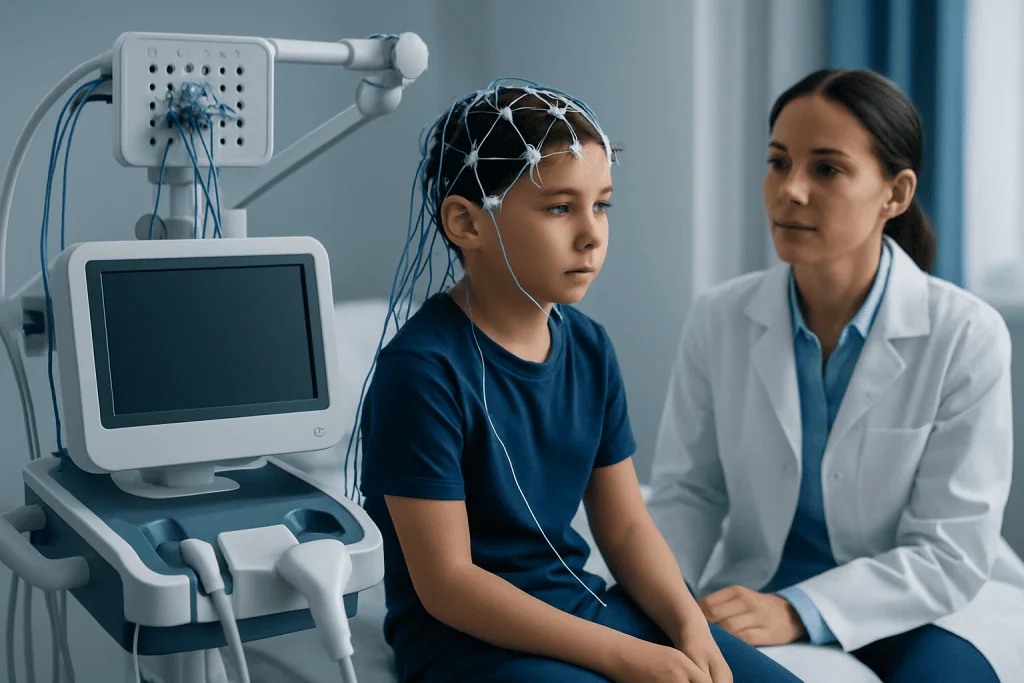
A detailed assessment helps clinicians match treatment to the child rather than using a one-size-fits-all plan. Families are often asked to describe what happens before, during and after an event, how long it lasts, whether the child responds, and how quickly they recover. A seizure diary can identify patterns related to sleep, illness, missed doses or other possible triggers.
Testing may include an electroencephalogram (EEG), which records brain electrical activity, and brain magnetic resonance imaging (MRI), which can identify structural changes. Blood tests, genetic testing, metabolic studies and developmental assessment may also be appropriate. Not every staring spell, shaking episode or fainting event is epilepsy, so confirming the diagnosis is an important first step.
Medication is commonly suitable after a confirmed diagnosis. A child may be evaluated for advanced therapies if seizures continue despite appropriately chosen and tolerated medicines. For children with frequent or drug-resistant seizures, a comprehensive epilepsy evaluation can clarify whether epilepsy surgery or another specialist treatment could be useful.
Treatment Pathway: What Happens Step by Step
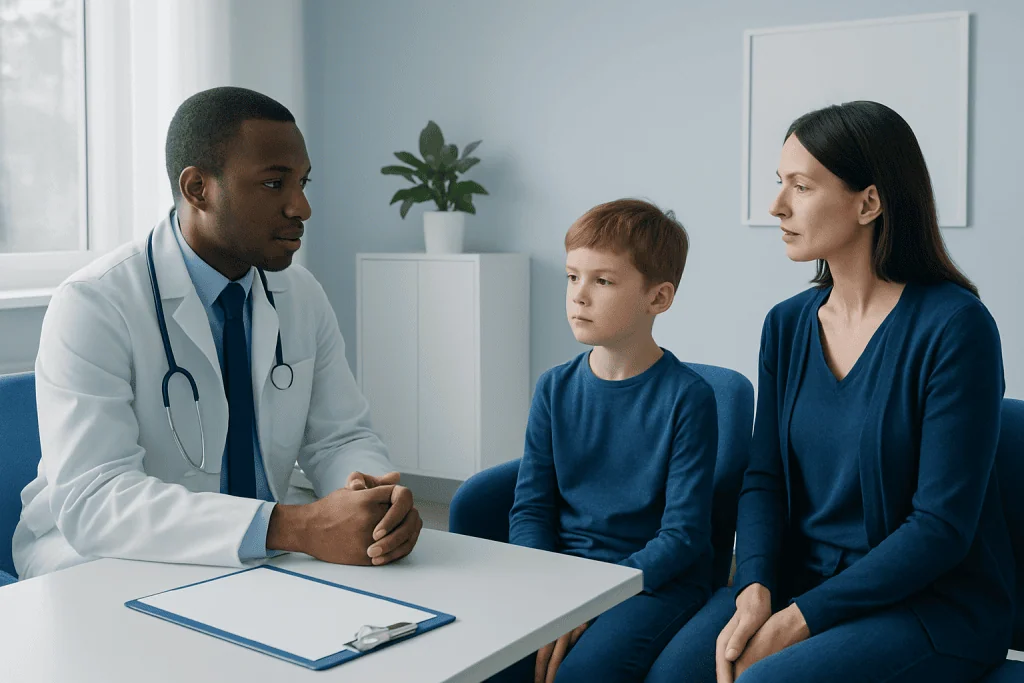
The treatment pathway generally begins with confirming the seizure diagnosis and classifying the epilepsy. The clinician then discusses suitable medicine options, expected benefits, possible side effects and practical issues such as formulations, school routines and what to do if a dose is missed. Families should not stop, start or change anti-seizure medication without medical advice, as sudden changes can increase seizure risk.
After treatment begins, follow-up appointments assess seizure frequency, recovery after seizures, side effects, mood, alertness, sleep, school progress and growth. Some medicines require blood tests or other monitoring. When the first medicine is not effective or causes unacceptable side effects, the specialist may adjust the plan or select another medicine based on the child’s specific epilepsy type.
For drug-resistant epilepsy, the next step is often a structured presurgical or advanced-therapy assessment. This can include prolonged video EEG monitoring, high-resolution MRI, functional imaging, neuropsychological testing and multidisciplinary case review. The aim is to determine whether seizures arise from a region that can be treated safely, or whether options such as a ketogenic diet or neurostimulation are more appropriate.
- Medication: often the first-line approach for seizure prevention.
- Dietary therapy: medically supervised ketogenic or related diets may help selected children.
- Neurostimulation: devices can modify seizure-related brain networks in some cases.
- Surgery: may be considered when seizures come from a defined, treatable brain area.
Benefits, Risks and Recovery Expectations
The potential benefit of pediatric epilepsy treatment is fewer seizures, shorter or less severe seizures, and improved daily functioning. Some children become seizure-free, while others experience meaningful reduction rather than complete control. A realistic treatment goal is agreed with the family and reviewed over time, especially as a child grows and their needs change.
Anti-seizure medicines can cause side effects, although these vary by medicine and child. Possible effects include tiredness, dizziness, changes in appetite, behavior or mood changes, stomach symptoms, rash, and difficulties with attention or coordination. Families should report new or concerning symptoms promptly, especially a rash, severe sleepiness, confusion, mood changes or signs of an allergic reaction.
Dietary therapies require close dietitian and medical supervision because they can affect nutrition, digestion, growth and laboratory values. Neurostimulation and surgery involve procedure-related risks, including infection, bleeding, pain, device issues or neurological changes, depending on the approach. Before any procedure, the team explains the expected benefits, limitations, alternatives and recovery plan in terms appropriate for the child and family.
Recovery differs substantially between treatments. Starting medicine usually does not require time away from normal activities, although early side effects may need monitoring. After epilepsy surgery, hospital stay, recovery time and return to school depend on the procedure and the child’s condition. Follow-up remains essential, and medication may continue for a period even if seizures improve after surgery.
What Triggers Epilepsy in a Child?
Epilepsy itself is not usually caused by a single everyday trigger. It may result from genetic factors, differences in brain development, a brain injury, stroke, infection affecting the brain, metabolic conditions, or an unknown cause. In many children, no specific underlying cause is found, and this does not mean that a parent did anything wrong.
Triggers are different: they are factors that may make a seizure more likely in a child who already has epilepsy. Common examples include missed medication, lack of sleep, fever or illness, emotional stress, flashing lights for a small group with photosensitive epilepsy, and alcohol or recreational substances in adolescents. Some children do not have identifiable triggers.
Keeping a record of seizures and the events around them can help identify individual patterns. Families should focus on regular sleep, consistent medication timing and illness management plans provided by the child’s clinician. Avoiding a suspected trigger is useful, but it does not replace prescribed treatment or regular specialist review.
How to Tell If Epilepsy Medication Is Working
Epilepsy medication is working when seizures stop or become less frequent, shorter, less intense or easier to recover from, without causing unacceptable side effects. Improvement may not be immediate, particularly while a medicine is gradually introduced or adjusted. The child’s clinician will consider the full pattern over time rather than judging success by a single seizure-free day.
A seizure diary is one of the most useful tools. It can include the date and time, what the seizure looked like, duration, recovery, possible triggers, missed or delayed doses, illnesses and side effects. If it is safe to do so, a brief video of a typical event can sometimes help the clinician distinguish seizure types; filming should never delay first aid or emergency help.
It is also important to look beyond visible seizures. Better sleep, alertness, participation at school and emotional well-being can all matter. Conversely, new events, persistent fatigue, behavior changes, declining school performance or troublesome side effects should be discussed with the prescribing team rather than managed by changing the dose at home.
Can Epilepsy in Children Be Cured?
Some childhood epilepsies go into remission, meaning seizures stop for a long period, sometimes after medication is gradually withdrawn under specialist supervision. Other forms are long-term conditions that require ongoing treatment. Whether epilepsy can be considered resolved depends on the epilepsy syndrome, cause, seizure history, EEG findings and how the child responds to treatment.
For selected children with seizures arising from a specific brain area, surgery may offer the possibility of long-term seizure freedom. However, it is not suitable for every child and cannot guarantee a cure. Careful assessment is needed to balance the possibility of improved seizure control against potential risks to important brain functions.
Even when seizures have stopped, follow-up may continue to monitor development, learning and medication decisions. Families should never stop anti-seizure medicine simply because a child has been seizure-free; a clinician can advise whether and when a gradual withdrawal may be safe.
At What Age Do Kids Outgrow Epilepsy?
There is no single age at which children outgrow epilepsy. Some epilepsy syndromes begin in childhood and often improve during later childhood or adolescence, while others may continue into adult life. The outlook depends more on the type and cause of epilepsy than on a child’s age alone.
Children who have been seizure-free for a substantial period may be reviewed to see whether medication is still needed. This decision is individualized and may take into account seizure type, the underlying cause, EEG results, developmental history and the risks of seizure recurrence. Medication changes should always be supervised and gradual when recommended.
Parents and caregivers can ask the epilepsy team about the child’s specific syndrome and likely outlook. Clear discussions about school, sports, sleepovers, adolescence and future independence help families make practical plans while maintaining appropriate safety.
When to Seek Medical Care
Seek urgent emergency care if a seizure lasts longer than five minutes, if seizures occur repeatedly without the child returning to their usual level of awareness between them, or if there is trouble breathing, a serious injury, bluish color, seizure activity in water, or a first seizure. Follow the child’s individualized seizure action plan if one has been provided, including instructions for rescue medicine where prescribed.
During a convulsive seizure, caregivers should place the child on their side if possible, move harmful objects away, cushion the head and time the seizure. Nothing should be put in the child’s mouth, and they should not be restrained. Stay with the child until they are fully awake or medical help arrives.
A prompt medical review is also appropriate for any new seizure-like event, a change in seizure pattern, medication side effects, missed doses followed by seizures, or concerns about development, behavior or learning. Acibadem International’s multidisciplinary specialists and JCI-accredited hospitals assess and treat epilepsy in children, including complex cases requiring coordinated neurological, dietary, psychological and surgical care.
Frequently asked questions
What is the first-line pediatric epilepsy treatment?
For many children, an appropriately selected anti-seizure medicine is the first treatment. The choice depends on the seizure type, epilepsy syndrome, age, other health conditions and potential side effects. Some children need alternatives or additional therapies if seizures continue.
How long does it take for epilepsy medicine to work in a child?
Some medicines begin providing protection soon after reaching an effective dose, while others are introduced gradually over days or weeks. The clinician evaluates seizure control and side effects over follow-up visits. Families should continue the medicine as prescribed unless the care team advises otherwise.
Can a child with epilepsy play sports and attend school?
Most children with epilepsy can attend school and take part in many sports with suitable planning. Teachers, coaches and caregivers should know the child’s seizure action plan and basic first aid. Activities involving water, heights or motor vehicles may need extra safety measures and individualized medical guidance.
What should parents record in a seizure diary?
A diary can record when seizures happen, how long they last, what the child was doing, how they recovered and whether medication was taken on time. It can also note sleep, illness, fever, stress and possible side effects. This information helps the clinical team assess whether treatment is working.
When is epilepsy surgery considered for children?
Surgery may be considered when seizures continue despite appropriate trials of anti-seizure medicines, especially when testing suggests that seizures start in a defined brain area. A comprehensive epilepsy center performs detailed tests to assess expected benefit and safety. Surgery is not appropriate for every child, but it can be valuable for selected cases.
Can fever cause epilepsy in children?
Fever can trigger seizures in some young children, including febrile seizures, which are not the same as epilepsy in most cases. A fever may also lower the seizure threshold in a child who already has epilepsy. A clinician can evaluate whether an event was a febrile seizure, an epileptic seizure or another condition.
References
- World Health Organization
- International League Against Epilepsy
- Centers for Disease Control and Prevention
- National Institute of Neurological Disorders and Stroke
- American Academy of Pediatrics
This article is for general information only and is not a substitute for professional medical advice. Please consult a qualified doctor about your individual situation.
Pediatric Epilepsy in Turkey — costs, top hospitals & a free quote
JCI-accredited · board-certified surgeons · reply within 24h
Add us as a Preferred Source to see more of our trusted health content across Google Search, AI Overviews and Discover.

Neurosurgery
Surgical treatment of the brain, spine and nervous system, including minimally invasive and functional procedures.
72 specialists in this unitMore from the Health Library


Related Specialists

Dr. Korkut Bozan
Emergency Service
Assoc. Prof. Dr. İzgi Alnıak
Psychiatry
Dr. Orçun Orhun
Emergency Service
Dr. Cansu Hemşinlioğlu
Inpatient Clinic Physicians Clinical Service