Pediatric Lyme Disease Treatment Under 8: How It Works, Results and What to Expect

Early Lyme disease in young children is commonly treated with an oral antibiotic selected for the child’s age, weight, symptoms and allergy history. Amoxicillin and cefuroxime are commonly used options for uncomplicated Lyme disease in children under 8; doxycycline may also be appropriate in specific situations.
Key Takeaways
- Early Lyme disease in young children is commonly treated with an oral antibiotic selected for the child’s age, weight, symptoms and allergy history.
- Amoxicillin and cefuroxime are commonly used options for uncomplicated Lyme disease in children under 8; doxycycline may also be appropriate in specific situations.
- The treatment course and expected recovery depend on the form of Lyme disease, such as a skin rash, facial weakness, arthritis or nervous system involvement.
- Symptoms often begin improving during treatment, but tiredness, aches or stiffness can take longer to settle.
- A child with facial drooping, severe headache, neck stiffness, fainting, chest symptoms, marked joint swelling or worsening illness needs prompt medical assessment.
Pediatric Lyme disease treatment under 8 is usually based on an age-appropriate oral antibiotic prescribed after a clinician evaluates the child’s symptoms, tick exposure and test results when needed. Most children recover well, especially when Lyme disease is recognized and treated early.
Overview: how pediatric Lyme disease treatment under 8 works
Pediatric Lyme disease treatment under 8 aims to clear infection caused by Borrelia bacteria after a bite from an infected tick. Treatment is individualized: a clinician considers the child’s age and weight, the type and duration of symptoms, examination findings, medication allergies and whether infection appears limited to the skin or involves joints, nerves or the heart.
For early, uncomplicated Lyme disease, treatment is usually an oral antibiotic taken at home. A typical early sign is an expanding red rash called erythema migrans, which may or may not look like a classic “bull’s-eye.” When this characteristic rash is present alongside a likely tick exposure, clinicians may begin treatment without waiting for blood test results, because early tests can be negative.
Most children respond well to recommended treatment. The purpose of antibiotics is to treat the active bacterial infection; they do not always make every symptom disappear immediately. Families should give medication exactly as prescribed and contact the treating clinician before stopping, changing or sharing any medicine.
How is Lyme disease treated in children under 8 years old?
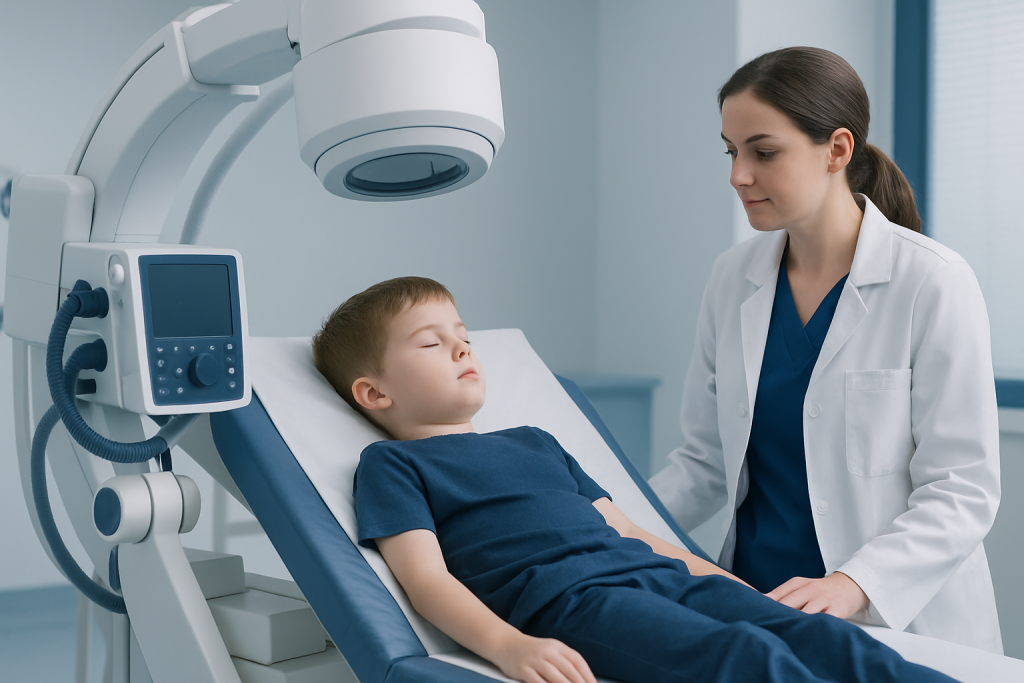
Children under 8 with early Lyme disease are often treated with an oral antibiotic such as amoxicillin or cefuroxime axetil. The clinician chooses the medicine and course length according to current guidance and the child’s individual circumstances. For a child who cannot take a usual first-choice medicine, an alternative may be considered by a pediatrician or infectious diseases specialist.
Disease outside the skin may need a different approach. Lyme arthritis, for example, may require a longer oral course and follow-up to assess whether swelling is resolving. Infection affecting the nervous system or heart can require hospital assessment, specialist care and, in some cases, intravenous antibiotics. These decisions are based on the specific clinical presentation rather than age alone.
Supportive care is also important. Rest, fluids and age-appropriate measures for fever or discomfort can help a child feel better while treatment takes effect. Parents or caregivers should ask the clinician which medicines are suitable for their child and avoid using leftover antibiotics or non-prescribed treatments.
- Early skin disease: usually treated with an oral antibiotic.
- Facial weakness, severe headache or nerve symptoms: requires urgent clinical review.
- Joint swelling: needs assessment and follow-up, particularly if a large joint such as the knee is affected.
- Palpitations, fainting or chest discomfort: requires urgent evaluation for possible heart involvement.
Candidacy and the treatment pathway: step by step
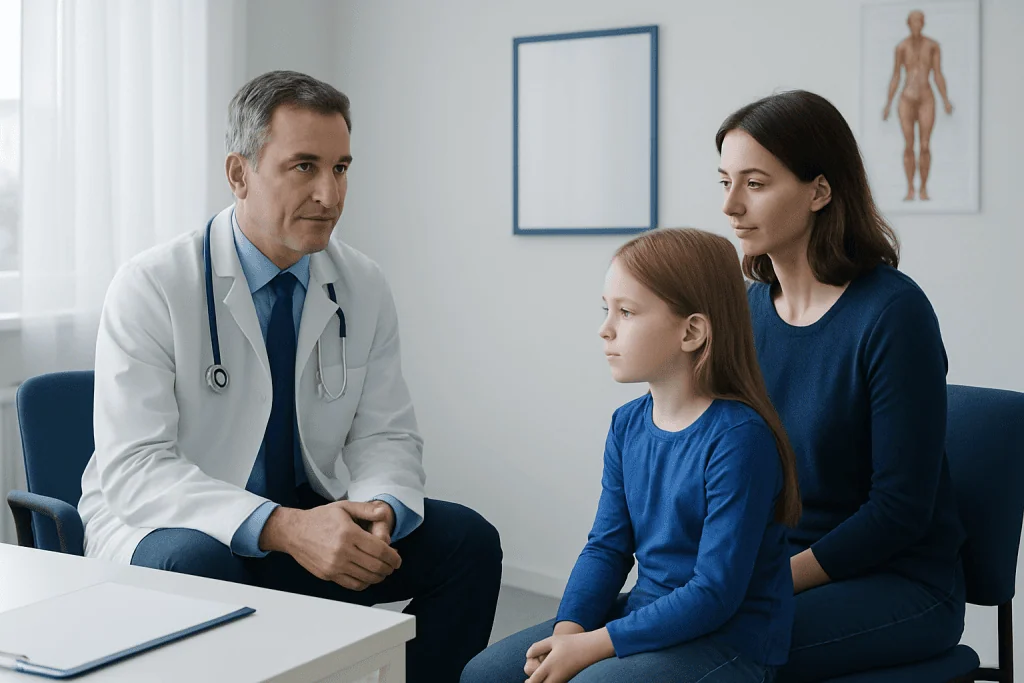
A child may be considered for Lyme disease treatment when there is a compatible illness and a realistic possibility of tick exposure in an area where Lyme disease occurs. An expanding erythema migrans rash is especially important clinically. Other possible symptoms include fever, tiredness, headache, muscle or joint aches, swollen lymph nodes, facial weakness and later, episodes of joint swelling.
The first step is a medical history and examination. The clinician may ask when the tick was noticed, whether it was attached and engorged, when symptoms began, and whether the child has had previous reactions to antibiotics. Photographs of a changing rash can be useful, although they do not replace an examination. Testing may be recommended when symptoms are less specific or suggest later-stage Lyme disease.
Next, the clinician selects the antibiotic, route and duration. Caregivers receive instructions on when and how to give it, what side effects to watch for, and whether follow-up is needed. Blood tests should not be used as a “test of cure,” because antibodies may remain detectable after effective treatment and do not necessarily indicate ongoing infection.
During treatment, the family monitors the child’s symptoms, medication tolerance and hydration. A follow-up visit may be arranged for more complex illness, persistent joint swelling, neurological symptoms or concerns about recovery. If specialist input is needed, pediatric, infectious diseases, neurology, cardiology and rheumatology teams may work together.
Can children under 8 take doxycycline?
Yes. Children under 8 can take doxycycline in selected situations when a clinician determines that it is the best option. Current pediatric guidance recognizes that short courses of doxycycline may be used in children of any age for certain tick-borne infections, including particular presentations of Lyme disease. The choice should be made by a qualified clinician who can weigh the likely benefits and alternatives.
Doxycycline is not automatically the first choice for every young child with Lyme disease. For many uncomplicated cases, other oral antibiotics are effective and may be preferred. Doxycycline can be particularly useful when it offers clinical advantages, such as covering another possible tick-borne infection or when the child cannot use another recommended antibiotic.
Parents should not decide on doxycycline based on age alone or use a medication supplied for another family member. The prescribing clinician will consider allergies, other medicines, the child’s ability to take oral treatment, sun sensitivity, stomach side effects and the form of suspected Lyme disease.
How long does Lyme treatment take to work?
Many children begin to feel better within several days of starting an appropriate antibiotic, particularly when treatment begins during early infection. Fever and general unwellness may improve first, while the rash can take longer to fade. The rash may continue to look noticeable for a short time after treatment starts, but it should not keep steadily expanding.
Recovery is not identical for every child. Fatigue, aches or reduced energy can persist for days or weeks after the infection has been treated, especially if symptoms were present for longer before treatment. This does not automatically mean the antibiotic has failed or that more antibiotics are needed. The child’s clinician should assess symptoms that do not improve, return after improvement or become more severe.
Joint swelling can take longer to settle than an early rash, even after bacteria have been treated. Follow-up helps distinguish expected inflammation during recovery from a need to reconsider the diagnosis or management plan. Families should complete the prescribed course unless a clinician advises otherwise.
How serious is Lyme disease in children?
Lyme disease is usually treatable, and most children recover well with early recognition and appropriate antibiotics. However, it should be assessed promptly because untreated infection can sometimes spread beyond the skin. Possible later manifestations include facial nerve weakness, meningitis-like symptoms, heart rhythm disturbances and inflammation of one or more joints.
Serious complications are uncommon, but they require timely care. A child with new facial drooping, severe or persistent headache, stiff neck, confusion, weakness, fainting, shortness of breath, chest pain, a racing heartbeat or marked swelling of a joint should be assessed urgently. These symptoms can have causes other than Lyme disease, so medical evaluation is important.
Some symptoms attributed to Lyme disease may have another explanation, including viral infections, skin reactions, juvenile inflammatory conditions or other tick-borne illnesses. A careful assessment supports accurate diagnosis and avoids unnecessary treatment. Ongoing symptoms deserve review, but they should be approached with a broad, evidence-based medical evaluation.
Benefits, risks and recovery at home
The key benefit of prompt antibiotic treatment is that it treats active Lyme infection and lowers the chance of complications associated with untreated disease. Oral treatment is convenient for many children because it can usually be given at home. A clinician can advise on practical steps such as giving the medicine with food when appropriate and what to do if a dose is vomited or missed.
Antibiotics can cause side effects, including nausea, abdominal discomfort, loose stools, rash or yeast overgrowth. Serious allergic reactions are uncommon but need emergency care; warning signs include difficulty breathing, swelling of the face or mouth, widespread hives, collapse or severe weakness. Caregivers should report new or troubling side effects to the prescribing team.
Recovery is supported by sleep, fluids, regular meals as tolerated and a gradual return to school, play and sports as energy returns. Children with fever, significant pain, fatigue, joint swelling or neurological symptoms may need temporary adjustments to normal activities. The treating clinician can advise when return to full activity is appropriate.
Acibadem International’s multidisciplinary specialists and JCI-accredited hospitals can assess and treat Lyme disease and related concerns for international patients when coordinated pediatric care is needed.
When to seek medical care
A child should be seen by a healthcare professional if an attached tick was found and the child develops an expanding rash, fever, flu-like symptoms, unusual tiredness, headache, facial weakness or new joint pain or swelling in the days or weeks afterward. Parents should also arrange assessment when a rash is changing or spreading and its cause is uncertain.
Urgent medical care is appropriate for severe headache, neck stiffness, confusion, fainting, chest pain, breathing difficulty, palpitations, new weakness, a drooping face, inability to walk normally, severe dehydration or rapidly worsening illness. These signs need prompt assessment whether or not Lyme disease is the cause.
Tick prevention remains valuable after recovery. In grassy or wooded settings, caregivers can use suitable tick repellents, dress children in long sleeves and trousers when practical, perform tick checks after outdoor activity and remove attached ticks promptly with fine-tipped tweezers. A clinician can advise whether any preventive treatment is appropriate after a high-risk tick bite; it is not needed after every bite.
Frequently asked questions
How is Lyme disease treated in children under 8 years old?
Treatment usually involves an age- and weight-appropriate oral antibiotic prescribed by a clinician. Amoxicillin and cefuroxime are common options for uncomplicated early Lyme disease, while the treatment plan may differ for joint, heart or nervous system involvement. The exact medicine and duration depend on the child’s symptoms and medical history.
How long does Lyme treatment take to work?
Many children start to feel better within a few days of beginning the right antibiotic. The rash, tiredness, aches or joint symptoms may take longer to resolve, sometimes days to weeks. A child whose symptoms worsen, fail to improve or return should be reviewed by a clinician.
How serious is Lyme disease in children?
Most children recover well with timely diagnosis and treatment. Without treatment, Lyme disease can occasionally affect the joints, nerves or heart, which is why compatible symptoms should be assessed promptly. Facial weakness, severe headache, neck stiffness, fainting, chest symptoms or major joint swelling require urgent medical attention.
Can children under 8 take doxycycline?
Yes, a clinician may prescribe a short course of doxycycline for a child under 8 when it is medically appropriate. It is not necessary for every case of Lyme disease, and other effective antibiotics are often used for uncomplicated illness. The decision should be individualized by a qualified healthcare professional.
Does every tick bite require antibiotics for a child?
No. Most tick bites do not lead to Lyme disease, and preventive antibiotics are not routinely needed after every bite. A clinician may consider prevention in limited high-risk circumstances, based on the tick type, likely duration of attachment, local Lyme activity and the child’s health. Monitoring for symptoms after a tick bite is important.
Can a child go back to school during Lyme disease treatment?
Many children can return to school when fever has settled and they have enough energy to participate comfortably. A gradual return may be helpful if fatigue, pain or joint swelling persists. The child’s clinician can provide individualized advice if symptoms affect mobility, concentration or daily activities.
References
- Centers for Disease Control and Prevention
- American Academy of Pediatrics
- Infectious Diseases Society of America
- European Centre for Disease Prevention and Control
This article is for general information only and is not a substitute for professional medical advice. Please consult a qualified doctor about your individual situation.
Lyme Disease in Turkey — costs, top hospitals & a free quote
JCI-accredited · board-certified surgeons · reply within 24h
Add us as a Preferred Source to see more of our trusted health content across Google Search, AI Overviews and Discover.

More from the Health Library


Related Specialists

Prof. Dr. Işık Aslay
Radiation Oncology
Prof. Dr. Murat Saruç
Gastroenterology
Dt. Tubahan Kaya
Oral & Dental Health
Asst. Prof. Dr. Kemal Ünal
Gastrointestinal Oncology Unit Clinical Service