Pediatric Movement Disorders: Tics, Tremor, and Specialist Evaluation

Tics and tremor are among the most common pediatric movement concerns, but they have different patterns and causes. Most children are evaluated through a detailed history, neurological examination, and review of development, medications, stressors, and family history.
Key Takeaways
- Tics and tremor are among the most common pediatric movement concerns, but they have different patterns and causes.
- Most children are evaluated through a detailed history, neurological examination, and review of development, medications, stressors, and family history.
- Urgent assessment is needed if abnormal movements begin suddenly with weakness, confusion, seizures, fever, severe headache, or loss of skills.
- Treatment may include reassurance, education, behavioral therapy, school support, medication when needed, and management of associated conditions such as ADHD or anxiety.
- A pediatric neurologist or movement disorders specialist can help families understand the diagnosis and create an individualized care plan.
Pediatric movement disorders include tics, tremor, dystonia, chorea, myoclonus, and other involuntary movements that can affect a child’s comfort, school life, and confidence. Many are manageable, and a careful specialist evaluation helps distinguish common, temporary patterns from conditions that need targeted treatment.
Overview
Pediatric movement disorders are conditions in which a child has movements that are too much, too little, too fast, too slow, repetitive, or difficult to control. Some movements are brief and harmless, while others may interfere with writing, eating, speaking, walking, sleep, or social confidence. The term includes tics, tremor, dystonia, chorea, myoclonus, stereotypies, and movement changes related to neurological, genetic, metabolic, autoimmune, medication-related, or developmental conditions.
In children, movement symptoms are interpreted differently than in adults because the nervous system is still developing. A movement that looks unusual may be part of normal development, a habit-like behavior, a response to stress or fatigue, or a sign of an underlying neurological condition. Careful observation is often more useful than a single test, especially when symptoms come and go.
Tics and tremor are two frequent reasons families seek specialist advice. Tics are sudden, repetitive movements or sounds, such as blinking, shoulder shrugging, throat clearing, or sniffing. Tremor is a rhythmic shaking movement, often noticed when a child holds a posture, reaches for an object, writes, or feels anxious. Both can be concerning for families, but many children improve with time, education, and appropriate support.
Common Types: Tics, Tremor, and Other Movements
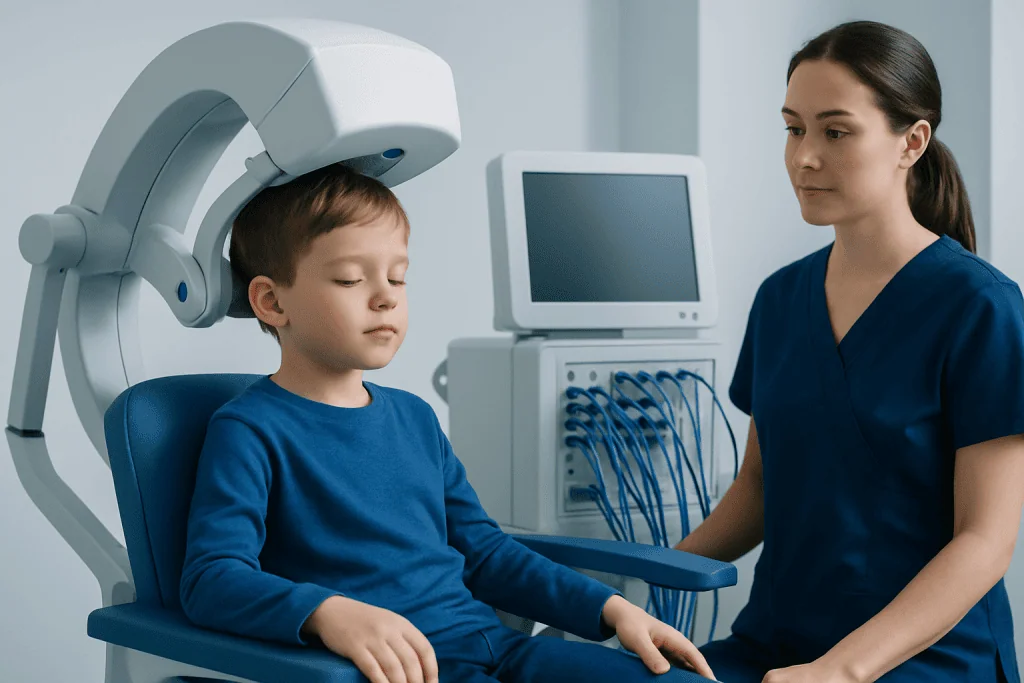
Tics are usually brief, repeated movements or vocalizations that may change in type, intensity, and location over time. Motor tics may include eye blinking, facial grimacing, head jerking, shoulder movements, or touching behaviors. Vocal tics may include throat clearing, coughing, humming, squeaking, sniffing, or repeating words. Some children describe a sensation or urge before the tic and temporary relief afterward.
Tremor is a back-and-forth rhythmic movement. It may be most visible in the hands but can also affect the head, voice, legs, or trunk. An action tremor appears during movement, such as writing or using utensils. A postural tremor appears when holding a position, such as arms outstretched. Less commonly, a resting tremor occurs when a body part is relaxed.
Other pediatric movement disorders include dystonia, in which muscles contract and cause twisting postures; chorea, which causes flowing, irregular, dance-like movements; myoclonus, which causes sudden jerk-like movements; and stereotypies, which are repetitive movements such as hand flapping or body rocking, often seen in early childhood. Describing the timing, triggers, body parts involved, and whether the child can briefly suppress the movement helps clinicians identify the movement type.
Symptoms and Patterns Parents May Notice

Symptoms may be constant, occasional, or only present during certain activities. Families may first notice repeated blinking, facial movements, hand shaking, unusual postures, clumsiness, changes in handwriting, difficulty using utensils, voice changes, or repetitive sounds. Videos recorded at home can be very helpful because movements may not appear during a clinic visit.
Tics often increase with stress, excitement, tiredness, or focused attention on the tic. They may decrease when a child is deeply engaged in an activity, relaxed, or asleep. Tics can be misunderstood as intentional behavior, but they are involuntary or only partly suppressible. Asking a child to stop repeatedly can increase stress and may make symptoms more noticeable.
Tremor may become more visible during fine motor tasks, such as buttoning clothes, drawing, handwriting, using a spoon, or playing an instrument. Some tremors are mild and cause little difficulty, while others affect schoolwork or daily independence. A clinician will ask whether the tremor occurs at rest or with action, whether it is one-sided or both-sided, and whether it is associated with weakness, balance problems, headaches, medication use, or changes in alertness.
- Features to record include the child’s age when symptoms began, how often they occur, what makes them better or worse, and whether they happen during sleep.
- Families should note any new medicines, recent infections, injuries, emotional stressors, school difficulties, or developmental changes.
- Teachers may provide useful observations about handwriting, attention, fatigue, social impact, and symptoms in the classroom.
Causes and Risk Factors
The causes of pediatric movement disorders vary widely. Some are primary neurological conditions, such as Tourette syndrome, essential tremor, or childhood-onset dystonia. Others are secondary to medications, thyroid or metabolic disorders, infections, autoimmune inflammation, brain injury, genetic conditions, or exposure to certain substances. In many children with tics, no dangerous cause is found, and the condition follows a fluctuating course.
Tic disorders are more common in childhood and often begin in the early school years. Tourette syndrome is diagnosed when both motor and vocal tics have been present for more than one year, although the exact pattern may change over time. Tics may occur alongside attention-deficit/hyperactivity disorder, anxiety, obsessive-compulsive symptoms, sleep difficulties, or learning concerns. Addressing these associated issues can be as important as treating the tics themselves.
Pediatric tremor may be familial, meaning other relatives have similar shaking, or it may occur as part of another condition. Tremor can be worsened by stress, lack of sleep, caffeine, fever, low blood sugar, or certain medicines. Because tremor has many possible causes, the clinician considers the child’s age, development, neurological examination, and overall health before deciding whether tests are needed.
Risk factors that may guide evaluation include a family history of tics or tremor, developmental delay, prematurity or previous brain injury, recent medication changes, autoimmune or thyroid disease, and sudden onset of symptoms. The presence of progressive weakness, loss of coordination, regression of skills, seizures, or changes in behavior may prompt more urgent investigation.
Specialist Evaluation and Diagnosis
A specialist evaluation usually begins with a detailed history. The clinician asks when the movements started, how they look, how long they last, whether the child can suppress them, what triggers them, and whether there are associated symptoms such as pain, headaches, weakness, learning concerns, anxiety, or sleep problems. A home video can help confirm the movement type and reduce the need for repeated descriptions.
The neurological examination assesses strength, reflexes, coordination, eye movements, sensation, walking, balance, speech, posture, and development. The clinician may also observe handwriting, drawing, reaching, and holding postures. For suspected tics, the diagnosis is usually clinical, meaning it is based on the history and examination rather than a blood test or scan.
Testing is individualized. Many children with typical tics do not need extensive testing. If tremor or another movement disorder has atypical features, tests may include blood tests for thyroid function or metabolic issues, medication review, neuroimaging, electroencephalography when seizures are a concern, or genetic testing in selected cases. The goal is not to test every child, but to use the right tests when the history and examination suggest they are helpful.
The evaluation also considers the effect on daily life. A mild tic that does not bother the child may need only education and monitoring. A tremor that affects handwriting, eating, or self-esteem may require occupational therapy, school accommodations, or medical treatment. The best diagnosis includes both the medical label and the practical impact on the child and family.
Treatment Options
Treatment depends on the diagnosis, severity, cause, and the child’s needs. Not every pediatric movement disorder requires medication. For many tic disorders, the first step is education: helping the child, parents, and teachers understand that tics are not misbehavior, often fluctuate, and may improve over time. Reducing stress, improving sleep, and avoiding unnecessary attention to the tic can help.
Behavioral therapy may be recommended for children with tics that cause distress or interfere with school or social life. Comprehensive Behavioral Intervention for Tics, often called CBIT, teaches awareness of tics and competing responses that can reduce their impact. This approach is structured and supportive, and it works best when the child is old enough to participate actively.
Medication may be considered when tics, tremor, dystonia, or other movements significantly affect daily function, cause pain, or contribute to emotional distress. The choice of medicine depends on the movement type and any associated conditions such as ADHD, anxiety, sleep difficulty, or obsessive-compulsive symptoms. Families should discuss benefits, side effects, and monitoring with a qualified doctor before starting or stopping any medication.
Supportive therapies can be very important. Occupational therapy may help with handwriting, utensils, dressing, posture, and classroom strategies. Physical therapy may help children with balance, gait, stiffness, or coordination difficulties. Speech and language therapy may support voice, swallowing, or communication issues when relevant. In complex cases, a multidisciplinary team may include pediatric neurology, psychiatry or psychology, rehabilitation specialists, genetics, and developmental pediatrics.
Prevention, Self-care, and School Support
Many pediatric movement disorders cannot be fully prevented, especially when they are genetic or neurodevelopmental. However, families can reduce triggers that worsen symptoms and support a child’s confidence. Regular sleep, balanced meals, hydration, physical activity, and predictable routines may help overall nervous system health. Limiting excess caffeine and discussing medication side effects with a doctor are also sensible steps.
For tics, a calm and accepting approach is often helpful. Parents and teachers are encouraged to avoid scolding, teasing, or repeatedly asking the child to stop. Instead, they can focus on reducing embarrassment, allowing short breaks if needed, and supporting the child’s strengths. If tics are disruptive in class, private planning with the school is preferable to public correction.
For tremor, practical adaptations can make daily tasks easier. These may include weighted pens, pencil grips, extra time for handwriting, keyboard use, alternative test formats, stable seating, or occupational therapy strategies. The aim is not to lower expectations but to remove unnecessary barriers so the child can participate fully.
- Parents can keep a symptom diary noting sleep, stress, illness, screen time, school events, medications, and movement severity.
- Children may benefit from age-appropriate explanations that reduce fear and self-blame.
- School staff should be informed when symptoms affect learning, handwriting, speech, or social interaction.
When to See a Doctor
Families should seek medical advice when a child develops repeated tics, shaking, unusual postures, jerking movements, loss of coordination, or movements that interfere with school, eating, dressing, sleep, or social life. A pediatrician can begin the assessment and refer to a pediatric neurologist or movement disorders specialist when needed.
Prompt evaluation is especially important if symptoms start suddenly or are associated with weakness, severe headache, fever, confusion, seizures, fainting, trouble walking, vision changes, neck stiffness, recent head injury, or loss of previously learned skills. These features do not always mean something serious, but they deserve timely medical assessment.
A specialist can help distinguish tics from seizures, tremor from weakness or coordination problems, and benign developmental movements from conditions that need treatment. At Acibadem International, multidisciplinary specialists in JCI-accredited hospitals evaluate and manage pediatric neurological conditions for international patients, including movement disorders, using individualized diagnostic and treatment plans.
Frequently asked questions
Are tics in children always a sign of Tourette syndrome?
No. Many children have temporary motor or vocal tics that do not meet the criteria for Tourette syndrome. Tourette syndrome is diagnosed when both motor and vocal tics have been present for more than one year, although the exact tics may change over time.
Can a child stop tics by trying harder?
Tics are involuntary or only partly controllable. Some children can suppress them briefly, but this may take effort and can be uncomfortable. Supportive strategies and behavioral therapy are usually more helpful than asking the child to stop repeatedly.
What is the difference between a tic and a tremor?
A tic is usually a sudden, brief, repeated movement or sound, such as blinking or throat clearing. A tremor is a rhythmic shaking movement that often appears when holding a posture or using the hands. A clinician can usually tell the difference through history, observation, and neurological examination.
Does every child with tremor need a brain scan?
Not every child with tremor needs imaging. Testing depends on the child’s symptoms, examination findings, age of onset, medication history, and whether there are warning signs such as weakness, loss of coordination, headaches, or progressive symptoms. A doctor will recommend imaging only when it is clinically useful.
Can stress cause pediatric movement disorders?
Stress does not usually cause neurological movement disorders by itself, but it can make tics, tremor, and some other movements more noticeable. Fatigue, excitement, illness, and attention to the movement may also increase symptoms. Reducing stress can help comfort and function, but persistent or concerning movements should still be evaluated.
How are pediatric movement disorders treated?
Treatment depends on the type and cause of the movement, how much it affects daily life, and whether other conditions are present. Options may include education, monitoring, behavioral therapy, school accommodations, occupational or physical therapy, and medication when symptoms are significantly impairing. The care plan should be individualized by a qualified clinician.
When should parents seek urgent medical care for unusual movements?
Urgent care is recommended if movements begin suddenly with confusion, seizure-like episodes, fever, severe headache, weakness, trouble walking, fainting, vision changes, or loss of developmental skills. These symptoms need timely assessment to rule out conditions that require immediate treatment.
References
- American Academy of Neurology
- Child Neurology Foundation
- Movement Disorder Society
- National Institute of Neurological Disorders and Stroke
- American Academy of Pediatrics
This article is for general information only and is not a substitute for professional medical advice. Please consult a qualified doctor about your individual situation.
Movement Disorders in Turkey — costs, top hospitals & a free quote
JCI-accredited · board-certified surgeons · reply within 24h