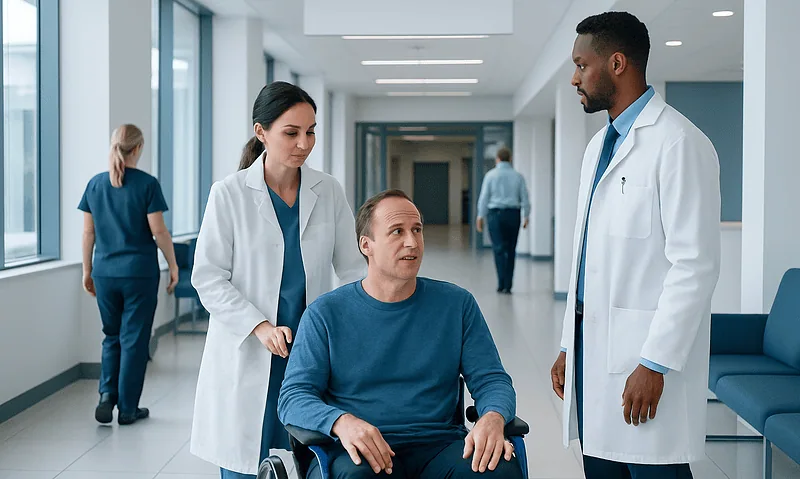
Physical Therapy Prosthetic Leg Mean: How It Works, Results and What to Expect
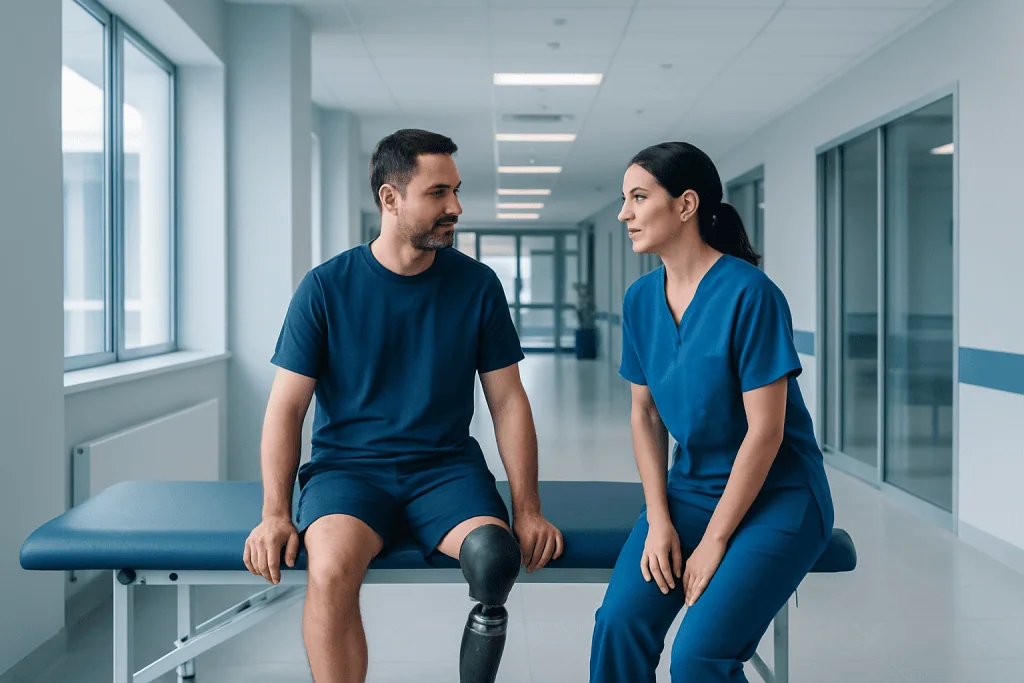
Prosthetic leg rehabilitation begins before or after fitting and continues as strength, comfort and walking needs change. Physical therapists teach safe transfers, balance, gait techniques, stair use and strategies for daily activities.
Key Takeaways
- Prosthetic leg rehabilitation begins before or after fitting and continues as strength, comfort and walking needs change.
- Physical therapists teach safe transfers, balance, gait techniques, stair use and strategies for daily activities.
- Walking progress varies widely; a natural-looking gait may be possible for many people but depends on several individual factors.
- Socket comfort, skin health, pain control and correct prosthetic alignment are essential for successful training.
- Ongoing reviews are important because the residual limb and prosthetic fit can change over time.
Physical therapy for a prosthetic leg means a structured rehabilitation program that helps a person learn to use an artificial limb safely, comfortably and as independently as possible. It includes strengthening, balance training, gait practice, skin care education and adjustments to daily activities, with progress tailored to the person’s health, amputation level and goals.
What Does Physical Therapy for a Prosthetic Leg Mean?
Physical therapy prosthetic leg mean rehabilitation designed to help a person use an artificial leg safely and effectively after limb loss. The therapist works with the person, prosthetist and medical team to build strength, protect the residual limb, improve balance and develop practical walking skills. The aim is not to make every person walk in exactly the same way, but to support comfortable, safe movement and meaningful independence.
Training is individualized. A person’s amputation level, healing, circulation, other health conditions, prior mobility, home environment and personal priorities all shape the plan. Some people focus on moving safely at home, while others work toward community walking, sports, work tasks or more demanding activities.
A prosthetic leg is only one part of rehabilitation. The socket, liner, suspension system, knee or ankle components and footwear must fit and function well. Even a technically advanced device may be difficult to use if the socket causes pressure, the alignment is unsuitable or the wearer has not had sufficient training.
How Prosthetic Leg Rehabilitation Works
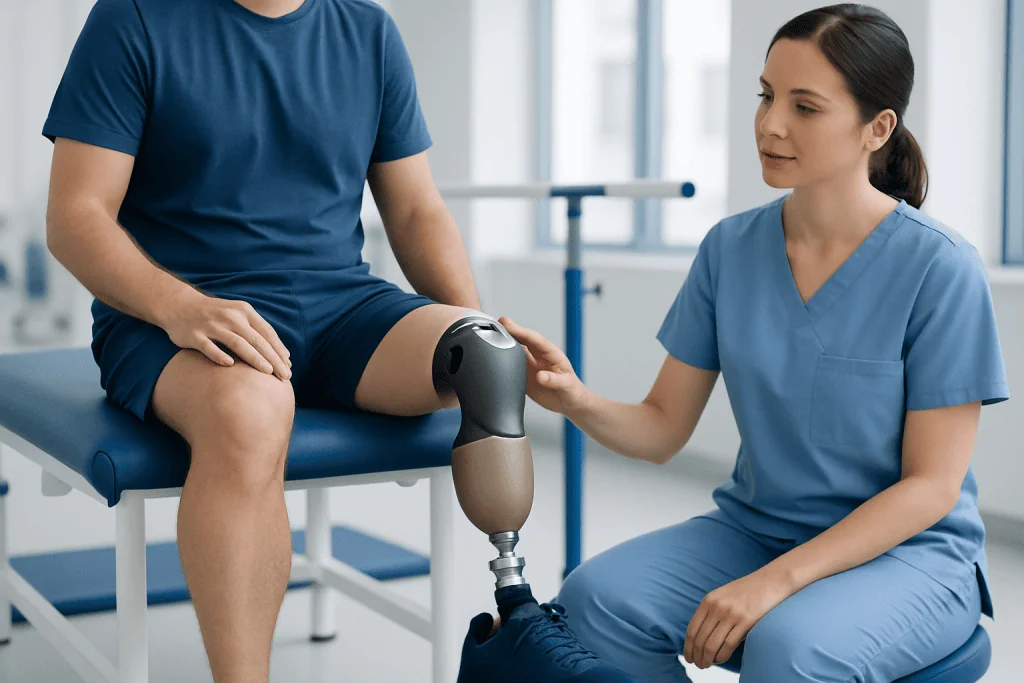
Rehabilitation commonly starts with an assessment of wound healing, swelling, range of motion, muscle strength, pain, balance and current mobility. The physical therapist also asks about daily routines, work, transport, family support and the surfaces the person needs to walk on. This information helps the team set realistic, measurable goals.
Before a permanent prosthesis is fitted, therapy may include positioning, gentle movement, strengthening of the hips and core, transfer practice and use of mobility aids. These early steps can help prevent joint stiffness and build the physical control needed for later prosthetic training. A rehabilitation physician, surgeon and prosthetist may review progress together when needed.
Once the prosthesis is fitted, therapy usually progresses from standing and weight shifting to controlled stepping, walking on level ground, turning, uneven surfaces, ramps and stairs. The therapist observes gait and may coordinate with the prosthetist when changes in alignment, socket fit or components could improve comfort and function.
- Residual-limb skin inspection and daily prosthesis care
- Strengthening for the hips, trunk and remaining leg
- Balance, fall-prevention and confidence-building exercises
- Gait training with or without a cane, walker or crutches
- Practice for transfers, stairs, dressing, driving or work-related tasks
Who May Benefit and What Happens Step by Step
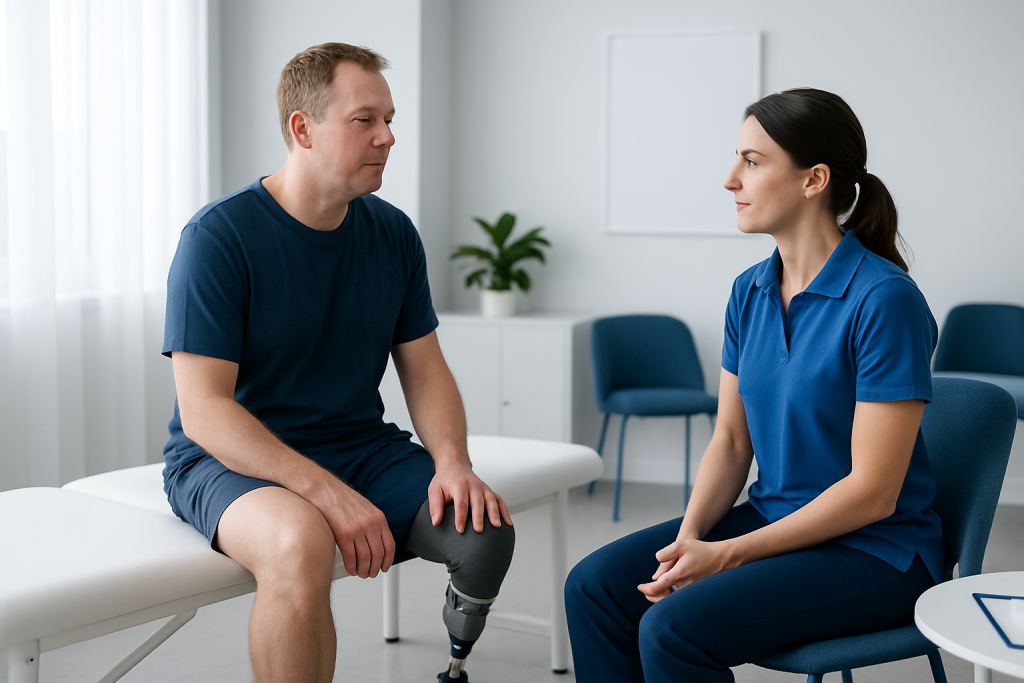
Most people who have had a leg amputation can benefit from rehabilitation, whether or not they ultimately use a prosthesis full time. Candidacy for a prosthetic leg is considered individually. Important factors include wound healing, limb shape, circulation, heart and lung health, strength, vision, balance, cognition, pain, motivation and access to follow-up care. Older age alone does not determine whether someone can learn to use a prosthesis.
The process often begins with recovery after surgery and management of swelling. When the surgical team confirms that the limb is healing appropriately, the person may be measured for a temporary or definitive prosthesis. The prosthetist creates and adjusts the socket, while the therapy team helps the person gradually become accustomed to loading the limb and moving with it.
During initial sessions, the person learns how to put on and remove the device, check the skin, use the suspension system and recognize when fit has changed. Training then advances to standing in parallel bars or with an aid, controlled weight transfer, step placement and walking. Later sessions focus on endurance, variable terrain, carrying objects, community mobility and strategies for getting up after a fall when appropriate.
For people recovering from limb loss related to circulation problems, diabetes or trauma, coordinated care may also address wound healing, vascular health, nutrition and emotional adjustment. Rehabilitation should be paused or modified if there are signs of skin injury, infection, unstable medical conditions or uncontrolled pain.
Recovery Timeline, Benefits and Possible Challenges
There is no single recovery timeline for walking with a prosthetic leg. Some people begin supervised standing and stepping within weeks of healing and fitting, while others need months of preparation, fitting adjustments and practice. Progress can be slower after an above-knee amputation, with significant vascular disease, after multiple surgeries, or when there are balance, heart, lung or neurological concerns.
Benefits of well-planned therapy may include safer transfers, improved balance, greater confidence, less reliance on assistance and more efficient movement. Regular exercise can also help maintain joint mobility and strengthen the remaining leg and trunk. However, rehabilitation does not remove every challenge associated with limb loss, and the prosthesis may need repeated adjustments as the residual limb changes.
Possible difficulties include skin irritation, blisters, sweating, socket pressure, swelling, fatigue, low back pain, falls, phantom sensations or pain, and frustration during adjustment. These concerns should be discussed early rather than worked through alone. A change in gait or a new pressure point can often be addressed by reviewing fit, alignment, footwear, activity level or exercise technique.
Acibadem International’s multidisciplinary specialists and JCI-accredited hospitals support assessment, prosthetic rehabilitation and follow-up for international patients, with care plans coordinated around individual mobility goals.
How Long Does It Take to Walk Normally With a Prosthetic Leg?
The time needed to walk comfortably with a prosthetic leg varies substantially. Some people can take supported steps soon after they receive a well-fitting device, while developing a safe and efficient walking pattern often takes weeks to months of regular practice. For others, especially those with an above-knee amputation or medical conditions affecting strength and balance, progress may take longer.
“Normally” can mean different things. A therapist usually focuses on safe, sustainable walking that fits the person’s own body and daily needs rather than a perfect appearance. A smooth gait may improve as strength, confidence, socket comfort and prosthetic alignment improve, but occasional use of a cane or other aid may remain the safest option for some people.
Consistent therapy, home exercises and timely prosthetic adjustments can support progress. The care team should reassess any sudden decline in walking ability, because it may signal a fit problem, skin issue, pain condition or medical change.
What Are the Disadvantages of a Prosthetic Leg?
A prosthetic leg can improve mobility for many people, but it also requires ongoing care and adaptation. The socket can cause heat, sweating, rubbing or pressure areas, particularly when the residual limb changes in size. Daily skin checks and prompt reporting of redness, blisters or open areas are important, especially for people with reduced sensation or diabetes.
Walking with a prosthesis usually requires more concentration and energy than walking before amputation. Certain surfaces, crowded environments, stairs and uneven ground may be more difficult. The device may require maintenance, periodic replacement of parts and repeated fitting visits as activity needs and body shape change.
Some people experience persistent phantom pain, joint pain in the remaining limb or back discomfort. Emotional adjustment can also take time. Rehabilitation can include practical coping strategies and referral for pain, mental health or social support when needed; asking for help is a normal part of recovery.
Do People With Prosthetic Legs Get Tired of Walking?
Yes, many people find that walking with a prosthetic leg uses more energy and can cause fatigue, particularly early in rehabilitation. The amount of extra effort depends on the level of amputation, prosthetic components, socket comfort, fitness, walking surface and other health conditions. Above-knee prosthetic walking generally demands more energy than below-knee prosthetic walking.
Fatigue often improves with gradual conditioning, efficient gait training, appropriate device alignment and pacing activities. A therapist may teach ways to plan rest breaks, use mobility aids appropriately and build walking distance safely. It is usually better to increase activity gradually than to push through pain or severe tiredness.
New or marked fatigue should be discussed with a clinician, especially when accompanied by shortness of breath, chest discomfort, dizziness, fever, worsening pain or skin changes. These symptoms may not be caused by the prosthesis itself and deserve medical assessment.
Can You Walk Without a Limp With a Prosthetic Leg?
Many people can achieve a smooth, confident walking pattern with a prosthetic leg, particularly when the socket fit, alignment and rehabilitation plan are well matched to their needs. However, not everyone will walk without a visible limp. The outcome depends on factors such as amputation level, hip and core strength, range of motion, pain, balance, limb length, prosthetic design and other medical conditions.
A limp is not always a sign of poor effort. It may be a useful signal that the prosthesis needs adjustment or that pain, weakness, fear of falling or joint stiffness needs attention. Physical therapists analyze walking patterns and can work with the prosthetist to make practical changes.
The safest goal is comfortable, stable walking with the lowest practical strain on the body. Comparing progress with another prosthetic user is rarely helpful, because each person’s anatomy, health and rehabilitation pathway are different.
When to Seek Medical Care
Contact the surgical, rehabilitation or prosthetic team promptly for persistent redness that does not fade after removing the prosthesis, blisters, open skin, drainage, a bad odor, increasing swelling, fever or a sudden change in socket fit. These may indicate pressure injury, infection or another problem requiring assessment. Do not continue wearing a device over damaged skin unless the care team advises it.
Urgent medical evaluation is needed for chest pain, severe shortness of breath, fainting, sudden one-sided weakness, or a painful swollen remaining leg. These symptoms can have causes unrelated to the prosthesis and should not be delayed.
Regular follow-up remains valuable even when walking is going well. It allows the team to review comfort, skin health, fall risk, component wear and changing activity goals. A qualified clinician can also guide return to work, exercise, driving and other activities safely.
Frequently asked questions
What does physical therapy for a prosthetic leg include?
It commonly includes strengthening, balance training, gait practice, transfer training, stair practice and education about skin care and prosthetic use. The program is adjusted to the person’s amputation level, health, device and daily goals. Therapists also communicate with prosthetists when fit or alignment changes may help.
How often is physical therapy needed after receiving a prosthetic leg?
The schedule varies with healing, experience, medical needs and goals. Therapy may be more frequent during early fitting and gait training, then become less frequent as the person gains confidence and continues a home program. Additional sessions may be useful after a new device, a change in fit or a decline in mobility.
Is pain normal when learning to use a prosthetic leg?
Muscle fatigue and mild discomfort while adapting can occur, but ongoing pain, skin breakdown or sharp pressure should not be ignored. A painful socket may need adjustment, and phantom pain or other pain conditions may need medical treatment. The person should tell the rehabilitation team about new or worsening symptoms.
Can a prosthetic leg be worn all day?
Some people eventually wear a prosthesis for most waking hours, while others use it for selected activities or shorter periods. Wearing time is increased gradually based on skin tolerance, comfort, strength and clinical guidance. Daily removal for skin inspection and hygiene is important.
What exercises help with prosthetic leg walking?
Programs often include hip and core strengthening, flexibility work, balance exercises, weight shifting and walking drills. Exercises should be chosen by a physical therapist because needs differ after below-knee and above-knee amputation. Safe technique is more important than doing a large number of exercises.
What should a person do if the prosthetic socket feels loose or tight?
They should stop and check the residual limb and follow their clinician’s instructions for socks or volume-management systems. A persistent fit change, pain or skin mark should be reported to the prosthetist or rehabilitation team. Avoid making unadvised modifications to the device.
References
- World Health Organization
- American Academy of Physical Medicine and Rehabilitation
- American Physical Therapy Association
- Amputee Coalition
- National Institute of Arthritis and Musculoskeletal and Skin Diseases
This article is for general information only and is not a substitute for professional medical advice. Please consult a qualified doctor about your individual situation.
Joint and spine care in Turkey — expert assessment & treatment
JCI-accredited · board-certified surgeons · reply within 24h
Add us as a Preferred Source to see more of our trusted health content across Google Search, AI Overviews and Discover.