Postprandial Hypotension — Explained by Medical Evidence, Not Myths

Postprandial hypotension means blood pressure falls after meals rather than staying stable. Symptoms may include dizziness, lightheadedness, weakness, blurred vision, or fainting after eating.
Key Takeaways
- Postprandial hypotension means blood pressure falls after meals rather than staying stable.
- Symptoms may include dizziness, lightheadedness, weakness, blurred vision, or fainting after eating.
- It is more common in older adults and in people with diabetes, Parkinson’s disease, high blood pressure, or autonomic nervous system problems.
- Treatment usually focuses on meal timing, meal size, fluid intake, medication review, and managing underlying conditions.
- Medical evaluation is important if symptoms are frequent, severe, or linked to falls, chest pain, or loss of consciousness.
Postprandial hypotension is a drop in blood pressure that happens after eating, most often within 30 to 120 minutes of a meal. It can cause dizziness, weakness, blurred vision, or fainting, and it is more common in older adults and people with certain medical conditions or medications.
Overview: what postprandial hypotension means
Postprandial hypotension is a medically recognized condition in which blood pressure drops after a meal. In simple terms, the body does not adjust circulation well enough during digestion, so less blood reaches the brain and other organs for a period of time. This can lead to symptoms such as lightheadedness, fatigue, blurred vision, or even fainting.
After eating, the digestive system naturally needs more blood flow to help absorb nutrients. In most people, the heart rate increases slightly and blood vessels in other parts of the body tighten enough to keep blood pressure steady. In postprandial hypotension, these normal adjustments are weaker or delayed, so blood pressure falls more than it should.
The condition is seen most often in older adults, but it can also occur in younger people with nerve-related disorders, diabetes, or certain heart and circulation problems. It may overlap with other forms of low blood pressure, including orthostatic hypotension, where blood pressure drops on standing.
How it feels: common signs and symptoms
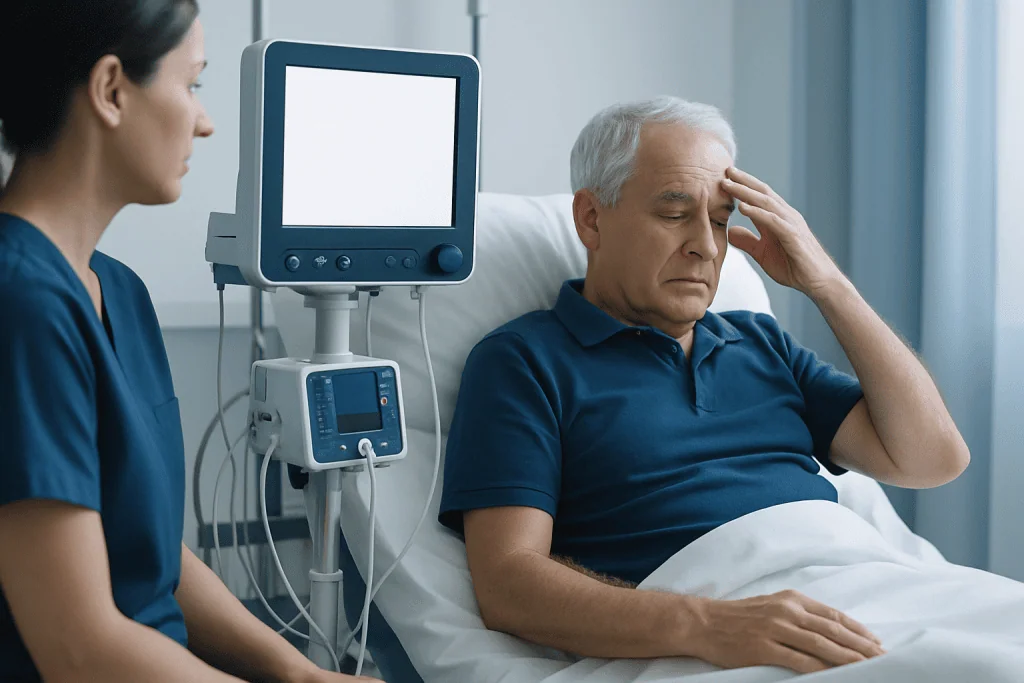
Symptoms usually begin within about 30 to 120 minutes after eating. Some people notice only mild lightheadedness, while others develop more obvious weakness or unsteadiness. The severity often depends on the size and composition of the meal, hydration level, room temperature, and any medicines taken around mealtime.
Common symptoms can include:
- Dizziness or feeling faint after meals
- Weakness or unusual tiredness
- Blurred or dim vision
- Nausea
- Trouble concentrating
- Shakiness
- Falls or near-falls
- Fainting in more severe cases
Not everyone experiences the same pattern. Some people feel worse after breakfast, while others are most affected after large evening meals. Symptoms may be more noticeable after carbohydrate-heavy meals, because these can trigger stronger shifts in blood flow and hormone responses during digestion.
Because dizziness and fainting can have many causes, these symptoms should not be assumed to be harmless. They may reflect postprandial hypotension, but they can also occur with dehydration, heart rhythm problems, medication effects, or other conditions that need medical attention.
Why it happens: causes and risk factors

The main reason postprandial hypotension happens is that blood is redirected to the stomach and intestines after eating, but the body does not compensate well enough elsewhere. Normally, nerve signals tighten blood vessels and help the heart maintain pressure. When this response is impaired, blood pressure can drop too much.
Age is one of the strongest risk factors. As people get older, blood vessels may become less responsive and the autonomic nervous system may react more slowly. Conditions that affect the nerves controlling blood pressure can also increase risk, including diabetes-related nerve damage and neurologic disorders such as Parkinson’s disease.
Other contributors include high blood pressure, heart disease, dehydration, prolonged bed rest, and some medications. Medicines for high blood pressure, diuretics, nitrates, and certain drugs used for depression or Parkinson’s disease may make symptoms more likely in some individuals. Large meals, alcohol, and meals rich in rapidly absorbed carbohydrates can also trigger stronger blood pressure drops.
Sometimes postprandial hypotension exists alongside other circulation problems, such as standing-related blood pressure drops or episodes of irregular heartbeat. This is one reason a proper medical assessment matters. The goal is not only to identify the post-meal blood pressure fall but also to understand what underlying factors are driving it.
How doctors diagnose it
Diagnosis begins with a detailed history. A doctor will usually ask when symptoms happen, how soon they start after meals, how long they last, what the person was eating, and whether there have been falls or fainting episodes. Medication timing, fluid intake, and other medical conditions are also important clues.
Blood pressure measurement before and after meals is central to diagnosis. Readings may be taken while seated or lying down and then repeated at intervals after eating to look for a meaningful drop. In some cases, home blood pressure monitoring with a symptom diary helps reveal patterns that are not obvious during a short clinic visit.
Additional tests may be used to rule out related causes of dizziness or fainting. Depending on the clinical picture, a doctor may recommend blood tests, heart rhythm evaluation, or more structured blood pressure testing. For some patients, a comprehensive internal medicine check-up helps assess whether diabetes, dehydration, anemia, heart conditions, or medication effects are contributing.
If symptoms are frequent, severe, or associated with collapse, doctors may also investigate the heart and blood vessels more closely. This can include cardiology evaluation when there is concern about arrhythmia, valve disease, or another cardiovascular cause of post-meal symptoms.
Treatment options and day-to-day management
Treatment is individualized and usually starts with practical measures rather than urgent intervention. The aim is to reduce symptom-triggering blood pressure drops and lower the risk of falls or injury. Management often works best when both the meal pattern and any contributing medical issues are addressed together.
Doctors commonly recommend smaller, more frequent meals instead of large meals. Drinking water before meals may help some people, and limiting alcohol can reduce symptoms. In some cases, reducing rapidly absorbed carbohydrates and spreading carbohydrate intake more evenly through the day can make the post-meal blood pressure response less dramatic.
Medication review is another key part of treatment. A doctor may adjust the timing or dose of blood pressure medicines or other drugs if they appear to worsen symptoms after meals. People should not stop prescribed medicines on their own, because untreated high blood pressure or heart disease can also be harmful.
When symptoms are linked to an underlying condition, treatment focuses there as well. Better glucose management may help if diabetes-related autonomic nerve damage is involved, and treatment of related neurologic or cardiovascular problems may improve overall stability. In selected cases, specialists may use additional therapies based on the person’s overall health and symptom severity. If blood pressure issues are part of a broader heart and circulation assessment, hypertension care may be included in the management plan.
Prevention and self-care strategies
Many people can reduce symptoms with consistent habits. Eating smaller meals more often during the day is one of the most widely used approaches. Some people also do better when they avoid very hot meals or showers immediately after eating, since heat can widen blood vessels and encourage a further drop in blood pressure.
Helpful self-care steps may include:
- Drinking enough fluids throughout the day unless a doctor has advised fluid restriction
- Having smaller meals rather than one or two very large meals
- Limiting alcohol, especially with meals
- Sitting for a short time after eating and standing up slowly
- Tracking which foods or meal sizes trigger symptoms
- Reviewing medication timing with a doctor or pharmacist
Some people find gentle walking after a meal helpful, while others feel safer resting briefly. The best approach varies. Because the condition can increase fall risk, it is sensible to use extra caution with stairs, driving, or walking alone if symptoms are likely after meals.
Family support can also be important, especially for older adults. Keeping a blood pressure log and noting symptoms after meals can make appointments more productive and help doctors tailor advice more precisely.
When to seek medical care
Medical care is advisable if dizziness, weakness, or fainting keeps happening after meals, especially in older adults or people with chronic illness. A doctor should also assess symptoms that interfere with daily life, cause falls, or begin after a new medication is started.
Urgent medical attention is needed if post-meal symptoms occur with chest pain, shortness of breath, severe palpitations, one-sided weakness, confusion, or loss of consciousness. These signs may point to a problem beyond simple blood pressure fluctuation and should not be ignored.
Even when symptoms seem mild, repeated episodes deserve evaluation because they can increase the risk of injury and may signal an underlying condition that can be treated. Near the end of the diagnostic journey, some patients benefit from multidisciplinary care. Acibadem International’s multidisciplinary specialists and JCI-accredited hospitals evaluate and treat postprandial hypotension and related conditions for international patients.
Frequently asked questions
What is postprandial hypotension?
Postprandial hypotension is a drop in blood pressure that happens after eating. It usually occurs because the body does not adjust blood flow well enough while the digestive system is working, leading to symptoms such as dizziness or weakness.
How soon after eating can postprandial hypotension happen?
Symptoms often begin within 30 to 120 minutes after a meal. The exact timing varies from person to person and may depend on meal size, meal content, hydration, and medication timing.
Who is most at risk for postprandial hypotension?
Older adults are affected more often than younger adults. Risk is also higher in people with diabetes, Parkinson’s disease, high blood pressure, autonomic nervous system disorders, dehydration, or certain medications that lower blood pressure.
Can postprandial hypotension be prevented?
It can often be reduced, though not always completely prevented. Smaller meals, good hydration, careful standing after meals, limiting alcohol, and reviewing medications with a doctor can all help lower the chance of symptoms.
Is postprandial hypotension dangerous?
It can be concerning because it increases the risk of falls, injuries, and fainting. It also deserves attention because dizziness after meals can sometimes be confused with heart rhythm problems or other medical conditions.
What foods can make postprandial hypotension worse?
Large meals and meals high in rapidly absorbed carbohydrates may trigger stronger symptoms in some people. Alcohol may also worsen blood pressure drops, so it helps to notice personal triggers and discuss them with a doctor.
Should someone check blood pressure at home after meals?
Home blood pressure checks can be useful if a doctor recommends them. Measuring before and after meals and keeping a symptom diary may help show patterns and support a more accurate diagnosis.
References
- National Institute on Aging
- National Heart, Lung, and Blood Institute
- American Heart Association
- Merck Manual Professional Edition
- Mayo Clinic
This article is for general information only and is not a substitute for professional medical advice. Please consult a qualified doctor about your individual situation.
Explore treatments in Turkey — costs, top hospitals & a free quote
JCI-accredited · board-certified surgeons · reply within 24h
Check your numbers in seconds
BMI, calories, due date, blood pressure and 30+ more clinical calculators — free, instant, doctor-reviewed ranges.