Preseptal Cellulitis Treatment: How It Works, Results and What to Expect

Preseptal cellulitis is a bacterial infection of the eyelid and tissues in front of the eye socket, not the deeper orbit. Antibiotics are the main treatment; oral medicines may be suitable for mild cases, while severe cases may need hospital-based intravenous treatment.
Key Takeaways
- Preseptal cellulitis is a bacterial infection of the eyelid and tissues in front of the eye socket, not the deeper orbit.
- Antibiotics are the main treatment; oral medicines may be suitable for mild cases, while severe cases may need hospital-based intravenous treatment.
- A clinician should assess possible orbital cellulitis when there is pain with eye movement, reduced vision, bulging of the eye or restricted eye movement.
- Symptoms often start improving within 24 to 48 hours of effective treatment, although swelling can take longer to fully settle.
- Children, people with severe symptoms and those who cannot be closely monitored may need more urgent assessment or hospital care.
Preseptal cellulitis treatment usually involves antibiotics, monitoring and care for the source of infection, such as a sinus, skin wound or eyelid problem. Most people begin to improve within 24 to 48 hours, but urgent reassessment is important if eye movement, vision or general health worsens.
Overview: how preseptal cellulitis treatment works
Preseptal cellulitis treatment works by treating a bacterial infection in the eyelid and the soft tissues in front of the bony eye socket. The aim is to clear the infection promptly, reduce pain and swelling, and ensure it has not spread behind the eye into the orbit. A clinician may recommend oral antibiotics for a mild, uncomplicated infection in a well person who can be reviewed closely.
More severe illness, young age, significant swelling, fever, an uncertain diagnosis or concern about deeper infection can require assessment in hospital. In these situations, treatment may include intravenous antibiotics, eye examinations and imaging. The approach is individualized because infections around the eye need careful distinction from orbital cellulitis, which affects deeper tissues and is more urgent.
Preseptal cellulitis is sometimes called periorbital cellulitis. Although it can look striking because the eyelid becomes red and swollen, many cases respond well when treatment starts early and follow-up instructions are followed carefully.
Who needs treatment and how is the diagnosis confirmed?
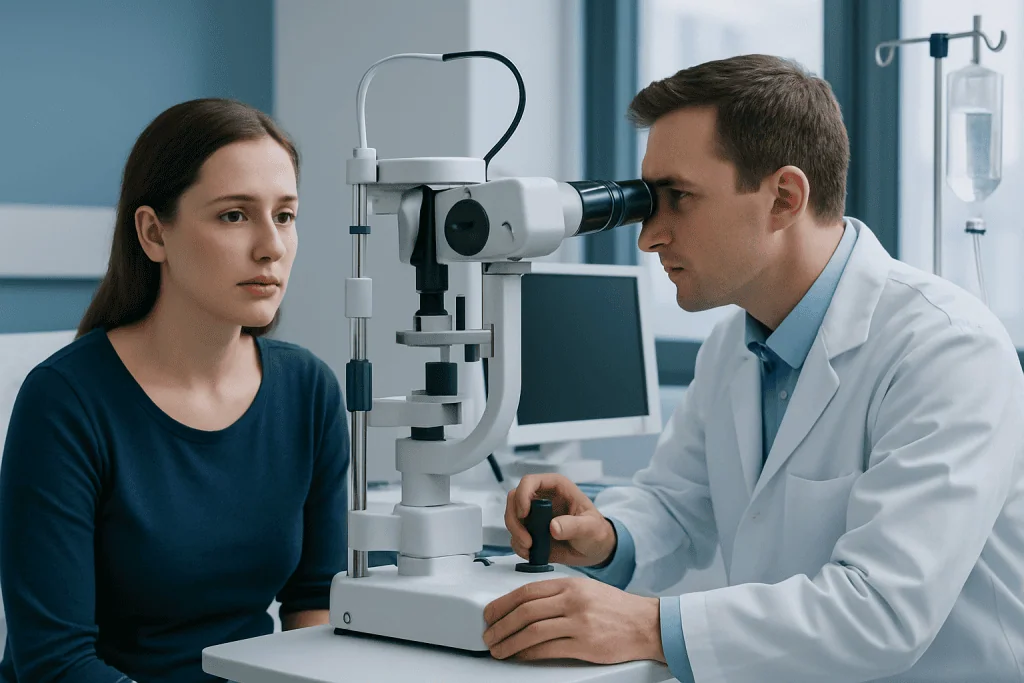
Anyone with suspected preseptal cellulitis should be assessed by a qualified clinician, particularly children. Diagnosis is based on symptoms, medical history and a careful examination of the eyelids and eyes. The clinician checks vision, pupil responses, eye movements, eye position, temperature and signs of a nearby infection, injury or bite.
Preseptal cellulitis is more likely when swelling and redness are limited to the eyelid while vision and eye movement remain normal. However, eyelid swelling can also occur with allergies, a stye, an insect bite, trauma or other infections. These conditions may need different care, so self-diagnosis is not reliable.
CT or MRI imaging is not necessary in every case. It may be advised if examination findings raise concern for orbital cellulitis, if the eyelid is too swollen to assess the eye properly, if symptoms do not improve as expected, or if a sinus infection or abscess is suspected. Blood tests or cultures may be considered in selected people who are systemically unwell or need hospital treatment.
How did I get preseptal cellulitis?

Preseptal cellulitis develops when bacteria enter tissues around the eyelid. It can follow a small cut, scratch, insect bite, eyelid infection, stye, blocked tear drainage, skin infection or facial injury. In children, it may also occur after an upper respiratory infection or in association with sinus disease.
The responsible bacteria vary by person, age, local resistance patterns and the original source of infection. For this reason, clinicians choose antibiotics according to the suspected cause, severity, allergy history and local guidance. A wound, eyelid abscess or another clear source may need additional treatment alongside antibiotics.
It is not generally considered contagious through ordinary day-to-day contact. However, good hand hygiene, avoiding rubbing the eyes and not sharing face towels or eye cosmetics are sensible precautions when there is discharge, an open skin lesion or an associated eye infection.
Treatment step by step: antibiotics, monitoring and source control
The first step is a clinical assessment to confirm that the infection is likely preseptal rather than orbital. If the person is well, has normal vision and eye movements, and can return promptly for review, a clinician may prescribe oral antibiotics. The exact medicine and treatment duration depend on individual factors and should be taken exactly as prescribed, even when swelling begins to improve.
Hospital-based care may be recommended for infants and young children, people with severe infection or fever, those who are vomiting or unable to take oral medication, people with impaired immunity, or anyone with possible orbital involvement. Intravenous antibiotics may be started and later changed to oral medication once the person is clearly improving.
A clinician may also treat contributing problems, such as a skin wound, a stye, sinus infection or an abscess. Surgical drainage is not routine for uncomplicated preseptal cellulitis, but it can be needed if an abscess is identified. If sinus disease is contributing, assessment by ear, nose and throat specialists may be appropriate; treatment can be coordinated with sinus surgery when surgery is clinically necessary for the underlying condition.
- Take antibiotics at the scheduled times and do not share them with others.
- Attend the planned review, commonly within 24 to 48 hours for outpatient treatment.
- Use comfort measures recommended by the clinician, such as a clean cool compress if appropriate.
- Avoid contact lenses and eye makeup until the eyelid has healed and a clinician says they can be resumed.
How long does it take for preseptal cellulitis to go away with antibiotics?
With an effective antibiotic and appropriate care, preseptal cellulitis commonly begins to improve within 24 to 48 hours. Fever and discomfort may settle early, while eyelid puffiness, redness or bruised-looking discoloration can take several more days to resolve. The full recovery time varies with the severity of infection, the cause and the person’s overall health.
It is important not to judge recovery only by the appearance of the eyelid. A clinician may schedule follow-up to confirm that vision remains normal, eye movements are comfortable and the infection is responding. Symptoms that are unchanged or worsening after 24 to 48 hours need reassessment rather than simply waiting longer.
People should complete the prescribed antibiotic course unless their treating clinician changes the plan. Stopping early can allow infection to return or may make it harder to know whether the original treatment was adequate.
Benefits, risks and recovery expectations
The main benefit of prompt preseptal cellulitis treatment is resolution of infection while reducing the chance that a more serious infection is missed. Most patients recover without lasting eye problems when the condition is accurately diagnosed, treated and monitored. Follow-up is a central part of care because the status of the eye can change during the early course of an infection.
Antibiotics can cause side effects, including nausea, diarrhea, rash or yeast infection. A severe allergic reaction is uncommon but requires urgent care; symptoms may include widespread hives, swelling of the lips or face, wheezing, breathing difficulty or faintness. People should tell their clinician about previous medication allergies and all medicines they take.
The key clinical risk is that an infection initially thought to be preseptal may actually involve the orbit or progress despite treatment. This is why clinicians emphasize review and urgent safety-net advice. Imaging, specialist eye assessment and intravenous treatment may be required if deeper infection is suspected.
For international patients, Acibadem International’s multidisciplinary specialists and JCI-accredited hospitals can assess and treat infections around the eye, coordinating ophthalmology, pediatrics, infectious diseases and ENT care when needed.
How to know if preseptal cellulitis is getting worse?
Preseptal cellulitis may be getting worse if eyelid redness or swelling spreads rapidly, pain increases, fever develops or persists, or the person feels increasingly unwell. Lack of any improvement after 24 to 48 hours of prescribed treatment is also a reason to contact the treating clinician promptly.
Changes affecting the eye itself are especially important. Urgent assessment is needed for pain when moving the eye, difficulty moving the eye, double vision, reduced or changed vision, a bulging eye, severe headache, unusual drowsiness or repeated vomiting. These signs can suggest orbital involvement or another complication and should not be managed at home.
Parents and caregivers should seek reassessment sooner if a child is difficult to wake, refuses fluids, appears much more unwell, or cannot cooperate with an eye examination. Taking a daily photograph in consistent lighting can sometimes help document swelling, but it should never replace clinical review.
Is preseptal cellulitis an emergency? When to seek medical care
Preseptal cellulitis requires timely medical assessment because it occurs close to the eye and can resemble orbital cellulitis. It is not always a hospital emergency when a clinician has confirmed a mild case, vision and eye movements are normal, and reliable follow-up is in place. Even then, treatment should not be delayed.
Emergency care is appropriate if there is reduced vision, pain with eye movement, limited eye movement, double vision, eye bulging, severe headache, confusion, marked sleepiness, high fever, rapid deterioration or inability to take prescribed medicine. Babies, very young children and people with reduced immunity should be assessed with a lower threshold for urgent care.
People should also seek medical advice for a red, swollen eyelid that is new, painful or accompanied by fever, especially after a wound, bite, sinus symptoms or recent facial infection. Prompt evaluation helps clinicians provide the right treatment and protect eye health.
Frequently asked questions
What is the difference between preseptal cellulitis and orbital cellulitis?
Preseptal cellulitis affects the eyelid and tissues in front of the eye socket. Orbital cellulitis affects tissues behind the orbital septum and may cause pain with eye movement, restricted eye movement, bulging of the eye or vision changes. Orbital cellulitis requires urgent hospital assessment and treatment.
Can preseptal cellulitis be treated at home?
A clinician may prescribe oral antibiotics for selected mild cases, allowing treatment outside hospital with close follow-up. It should not be managed with home remedies alone, because an examination is needed to exclude deeper eye infection. Any worsening symptoms or failure to improve should be reported promptly.
How long does it take for preseptal cellulitis to go away with antibiotics?
Many people show clear early improvement within 24 to 48 hours after starting an effective antibiotic. Remaining eyelid swelling may take several days or longer to fully settle. If there is no improvement within that early period, the treating clinician should reassess the diagnosis and treatment plan.
How to know if preseptal cellulitis is getting worse?
Worsening redness, swelling, pain, fever or general illness can indicate that treatment is not working as expected. Pain with eye movement, vision changes, double vision, a bulging eye or trouble moving the eye are urgent warning signs. These symptoms need immediate medical assessment.
How did I get preseptal cellulitis?
The infection often follows bacteria entering through a minor skin break, insect bite, eyelid infection, stye or facial injury. It can also be associated with sinus or upper respiratory infections, especially in children. A clinician may look for and treat the original source as part of care.
Is preseptal cellulitis an emergency?
It needs prompt medical evaluation, but a confirmed mild case may sometimes be treated with oral antibiotics and planned review. It becomes an emergency if there are eye movement problems, pain on moving the eye, vision changes, eye bulging, severe headache, confusion or rapid worsening. Young children and people with weakened immune systems need particular caution.
References
- American Academy of Ophthalmology
- American Academy of Pediatrics
- Merck Manual Professional Edition
- National Health Service
- Mayo Clinic
This article is for general information only and is not a substitute for professional medical advice. Please consult a qualified doctor about your individual situation.
Cellulitis in Turkey — costs, top hospitals & a free quote
JCI-accredited · board-certified surgeons · reply within 24h