Progestin: What Patients Need to Know

Progestin is a synthetic form of progesterone used in contraception, hormone therapy, and some gynecologic treatments. Different progestins act slightly differently, so benefits and side effects can vary from one medication to another.
Key Takeaways
- Progestin is a synthetic form of progesterone used in contraception, hormone therapy, and some gynecologic treatments.
- Different progestins act slightly differently, so benefits and side effects can vary from one medication to another.
- Common side effects may include spotting, breast tenderness, mood changes, headaches, or bloating, but many people tolerate treatment well.
- Progestin may help protect the uterine lining when estrogen is used after menopause in people who still have a uterus.
- Patients should seek medical advice promptly for severe pain, heavy bleeding, chest symptoms, or signs of a serious reaction.
Progestin is a man-made hormone that acts like progesterone, a natural hormone involved in the menstrual cycle, pregnancy, and reproductive health. It is commonly used in birth control, hormone therapy, and several gynecologic conditions, and its effects depend on the type, dose, and reason it is prescribed.
Overview: what progestin is and why it is used
Progestin is a synthetic hormone designed to act in ways similar to progesterone, a hormone naturally produced by the body. Progesterone helps regulate the menstrual cycle, supports pregnancy, and affects tissues such as the uterus, cervix, and breasts. Because natural hormones can be difficult to use in some medicines, progestins were developed to provide predictable effects in contraception and hormone treatment.
Patients may encounter progestin in birth control pills, hormonal intrauterine devices, implants, injections, menopausal hormone therapy, and treatments for abnormal uterine bleeding or conditions such as endometriosis. Some medications contain progestin alone, while others combine it with estrogen. The best choice depends on a person’s age, symptoms, medical history, and treatment goals.
Although people often talk about “progestin” as if it were a single medicine, it is actually a broad group of medications. Different progestins can have different strengths and effects on bleeding patterns, skin, mood, fluid retention, and cholesterol. That is why two people using different hormonal medications may have different experiences even though both contain a progestin.
How progestin works in the body
Progestin works by attaching to progesterone receptors in different tissues. In the uterus, it can make the lining thinner and more stable, which is one reason it is used to manage heavy or irregular bleeding. In the cervix, it can thicken cervical mucus, making it harder for sperm to pass. In some forms of contraception, it also helps prevent ovulation.
When estrogen is given after menopause to someone who still has a uterus, adding a progestin often lowers the risk of excess growth of the uterine lining. This is important because unopposed estrogen can increase the risk of endometrial changes over time. For this reason, progestin is a key part of many hormone therapy plans for symptom relief.
Progestin can also reduce menstrual pain and may suppress tissue growth linked to certain gynecologic conditions. In some patients, doctors use it to help control symptoms related to uterine fibroids or to support fertility-related treatment plans. The exact effect depends on the formulation, whether it is taken daily or cyclically, and the underlying health issue being treated.
Common uses of progestin

One of the most familiar uses of progestin is birth control. Progestin may be part of combination contraceptive pills or used alone in progestin-only pills, injections, implants, and hormonal IUDs. These methods vary in how long they last and how reliably they prevent pregnancy when used correctly. Patients discussing options for fertility and reproductive care should ask how hormonal medicines may fit into their broader plan.
Progestin is also used in menopausal hormone therapy, especially for people who still have a uterus and take estrogen for hot flashes or other symptoms. In this setting, the progestin helps protect the uterine lining. It may be given every day or on a scheduled cycle, depending on the treatment approach and how the patient responds.
Other uses include treatment for abnormal uterine bleeding, painful periods, and some cases of polycystic ovary syndrome (PCOS). Doctors may also prescribe progestin to help regulate cycles when periods are infrequent or to treat thinning or thickening changes in the uterine lining. In selected situations, specialist teams in gynecology or reproductive medicine may combine hormonal treatment with imaging or procedural care to better understand persistent symptoms.
Possible side effects and risks
Like all medicines, progestin can cause side effects, but not everyone has them. Common effects may include breakthrough bleeding or spotting, changes in menstrual flow, breast tenderness, bloating, acne, headaches, or mood changes. Some people also notice changes in appetite, sleep, or sex drive. These symptoms are often mild and may improve after the body adjusts to treatment.
The chance of side effects can depend on the type of progestin, how it is taken, the dose, and whether estrogen is also part of the treatment. For example, a progestin-only method may affect bleeding differently than a combined pill. A long-acting injection may also have different effects than an IUD or tablet. If a patient develops bothersome symptoms, a clinician may suggest adjusting the regimen rather than stopping all treatment immediately.
Serious side effects are less common but require prompt medical attention. These may include heavy bleeding, severe pelvic pain, fainting, signs of a blood clot, chest pain, sudden shortness of breath, severe headache, vision changes, or symptoms of an allergic reaction. Some hormone-containing medicines may not be appropriate for people with certain medical conditions, such as liver disease, some cancers, or a history of clotting disorders, so full medical review is important before starting treatment.
- Common: spotting, irregular periods, breast tenderness, bloating, headache, mood changes
- Sometimes discussed with a doctor: acne, weight fluctuation, sleep changes, reduced libido
- Urgent concerns: severe pain, heavy bleeding, chest symptoms, one-sided leg swelling, sudden neurologic symptoms
Who may benefit and who may need extra caution
Progestin may benefit patients who need reliable contraception, symptom relief from menstrual problems, or protection of the uterine lining during estrogen therapy. It may also be useful when estrogen is not recommended, since some contraceptive methods contain progestin alone. This can be important for patients who are breastfeeding or for those who have specific reasons to avoid estrogen-containing medication.
However, a careful medical history matters. A doctor may ask about migraine with aura, smoking status, prior blood clots, liver disease, unexplained vaginal bleeding, breast disease, high blood pressure, and current medications. These details help determine which hormonal options are safest and whether a non-hormonal method may be better.
Patients should also mention pregnancy plans, recent childbirth, and any history of depression or significant mood symptoms. Hormonal treatment can often be tailored, and a patient who does not tolerate one form of progestin may do well with another. Personalized selection is especially important if there is complex reproductive or uterine health history, including previous surgery or concerns such as uterine fibroids.
How doctors evaluate progestin-related concerns
If symptoms begin after starting progestin, evaluation usually starts with a review of the medication type, timing, and pattern of symptoms. A doctor may ask when bleeding occurs, whether doses have been missed, and whether there are new headaches, mood changes, or pain. In many cases, symptom timing offers important clues about whether the medicine is the likely cause.
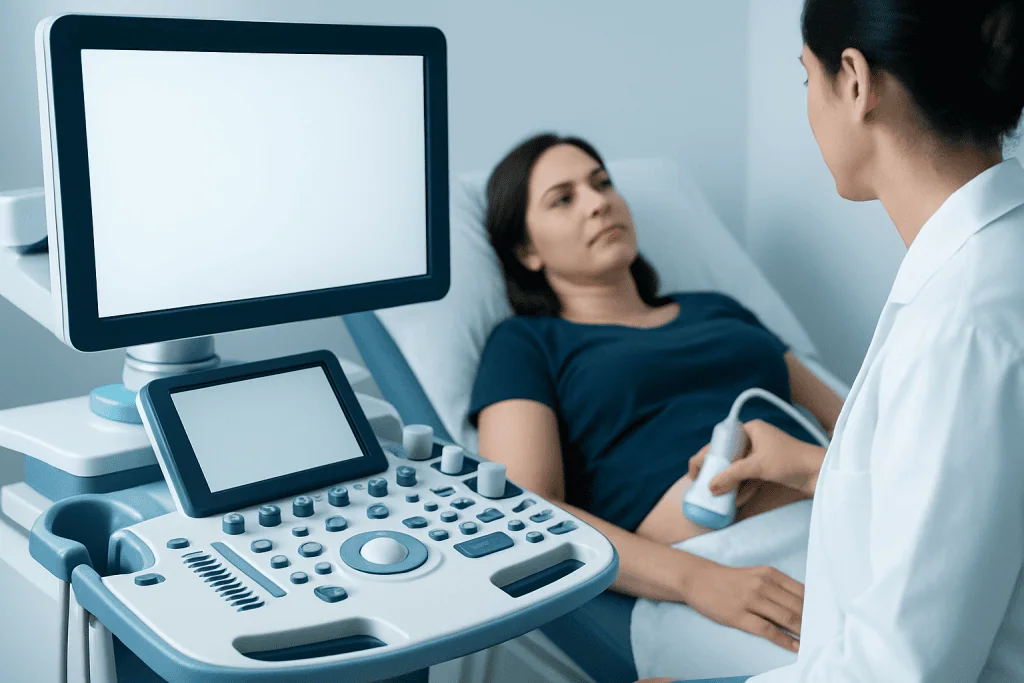
Depending on the concern, tests may include a pregnancy test, blood work, pelvic exam, or imaging of the uterus and ovaries. This is especially important for persistent heavy bleeding, severe pain, or bleeding after menopause. Sometimes clinicians also look for unrelated causes such as thyroid problems, infection, structural uterine changes, or other hormone disorders.
Diagnostic care may be combined with specialist procedures if needed. For example, patients with ongoing abnormal bleeding may be assessed through gynecologic imaging or minimally invasive evaluation, and some may go on to treatment such as hysteroscopy if their doctor needs a closer look inside the uterus. The aim is not only to address medication side effects, but also to avoid missing another condition that needs treatment.
Treatment choices, self-care, and follow-up
If progestin causes mild side effects, doctors often recommend monitoring symptoms for a short period because adjustment can take time. For some patients, taking medication at a different time of day, using a different formulation, or switching to another delivery method may help. It is generally safest not to stop prescribed hormonal treatment without discussing it first, especially if it is being used for contraception or for a diagnosed medical condition.
Good follow-up is important when symptoms continue. A doctor may decide to change the dose, move from a pill to a device, or consider a non-hormonal option. If heavy bleeding persists or imaging shows another issue, procedural treatment may be discussed. In selected cases, management may include options such as laparoscopy when a condition like endometriosis is suspected or needs treatment.
Self-care can support overall comfort but should not replace medical review when symptoms are significant. Helpful steps may include tracking bleeding and symptoms in a calendar, taking medicines exactly as prescribed, keeping follow-up appointments, and asking about interactions with other drugs or supplements. Near the end of a treatment discussion, some patients also choose care in specialized centers; Acibadem International’s multidisciplinary specialists and JCI-accredited hospitals diagnose and treat gynecologic and hormonal conditions for international patients.
When to seek medical care
Patients should contact a doctor if they have side effects that are persistent, disruptive, or confusing, especially if symptoms started soon after beginning a new hormonal medicine. Medical advice is also important for missed periods when pregnancy is possible, bleeding between periods that becomes frequent, or menopausal bleeding that occurs after treatment has been adjusted.
Urgent medical care is recommended for severe pelvic pain, very heavy vaginal bleeding, chest pain, trouble breathing, sudden one-sided leg swelling, fainting, severe headache, confusion, weakness, or vision changes. These symptoms do not always mean progestin is the cause, but they should be assessed promptly because they can signal a more serious problem.
Anyone with a history of clotting disorders, hormone-sensitive cancer, significant liver disease, or unexplained vaginal bleeding should seek professional guidance before starting or continuing progestin. A qualified clinician can weigh the benefits and risks, review safer alternatives if needed, and create a treatment plan that matches the patient’s overall health goals.
Frequently asked questions
Is progestin the same as progesterone?
No. Progesterone is the hormone the body naturally makes, while progestin is a synthetic hormone designed to act in similar ways. Both can affect the uterus and menstrual cycle, but specific medicines may differ in their effects and side effects.
What is progestin most commonly used for?
Progestin is commonly used in birth control and menopausal hormone therapy. It is also used to manage abnormal uterine bleeding, painful periods, and some hormone-related gynecologic conditions.
Can progestin cause weight gain?
Some patients notice weight changes or fluid retention while using hormonal medicines, but the experience varies. Weight changes are not the same for every progestin or delivery method, so it is best to discuss persistent concerns with a doctor.
Does progestin stop periods?
It can change bleeding patterns, and in some people periods become lighter or stop altogether, especially with certain long-acting methods. In others, irregular spotting may happen, particularly during the first months of use.
Is progestin safe for everyone?
No medication is right for everyone. Safety depends on a person's age, medical history, smoking status, risk of blood clots, liver health, and the reason the medicine is being used.
When should someone call a doctor about progestin side effects?
A doctor should be contacted for persistent or bothersome bleeding, mood changes, headaches, or pain that do not improve. Urgent care is needed for severe bleeding, chest pain, trouble breathing, sudden leg swelling, fainting, or neurologic symptoms.
References
- American College of Obstetricians and Gynecologists
- U.S. Food and Drug Administration
- National Institute for Health and Care Excellence
- World Health Organization
- Office on Women's Health
This article is for general information only and is not a substitute for professional medical advice. Please consult a qualified doctor about your individual situation.
Explore treatments in Turkey — costs, top hospitals & a free quote
JCI-accredited · board-certified surgeons · reply within 24h
Check your numbers in seconds
BMI, calories, due date, blood pressure and 30+ more clinical calculators — free, instant, doctor-reviewed ranges.