Prostate Cancer Treatment Success Rate: How It Works, Results and What to Expect

Treatment success is assessed differently for localized and advanced prostate cancer, including cure, PSA control, survival, symptoms and quality of life. Localized prostate cancer is often curable with surgery or radiation, while some low-risk cancers can be safely monitored with active surveillance.
Key Takeaways
- Treatment success is assessed differently for localized and advanced prostate cancer, including cure, PSA control, survival, symptoms and quality of life.
- Localized prostate cancer is often curable with surgery or radiation, while some low-risk cancers can be safely monitored with active surveillance.
- Advanced prostate cancer may not always be curable, but modern hormone therapy, targeted treatments, chemotherapy and radiopharmaceuticals can control it for long periods.
- Treatment decisions should be individualized using cancer stage, Gleason Grade Group, PSA, imaging findings, life expectancy and personal priorities.
- Regular PSA testing, follow-up imaging when needed, and early discussion of new symptoms are important after treatment.
Prostate cancer treatment success rate is not one fixed number: it depends on whether the cancer is confined to the prostate, its grade and PSA level, the treatment selected, and a person’s overall health. Many localized prostate cancers can be cured, while treatments for recurrent or metastatic cancer can often control the disease for years and support a good quality of life.
Prostate Cancer Treatment Success Rate: What Does It Mean?
The prostate cancer treatment success rate varies substantially from person to person. In early-stage disease that is confined to the prostate, success commonly means eliminating the cancer permanently; surgery or radiation can often achieve this goal. In cancer that has spread beyond the prostate, success more often means controlling growth, extending life, preventing complications, easing symptoms, and maintaining daily function.
Doctors do not rely on a single percentage to describe an individual outlook. They consider the cancer’s stage, PSA blood-test level, biopsy findings such as Gleason Grade Group, imaging results, genetic features in some cases, age, other health conditions, and the chosen treatment. It is therefore helpful to discuss prognosis in terms of a personal risk group rather than comparing one person’s outcome with general statistics.
Prostate cancer is often slow-growing, particularly when detected early. Some cancers need prompt treatment, while others can be monitored safely for a time. A urologist, radiation oncologist and medical oncologist can help explain which approach is most likely to offer benefit while limiting unnecessary side effects.
How Prostate Cancer Treatment Works
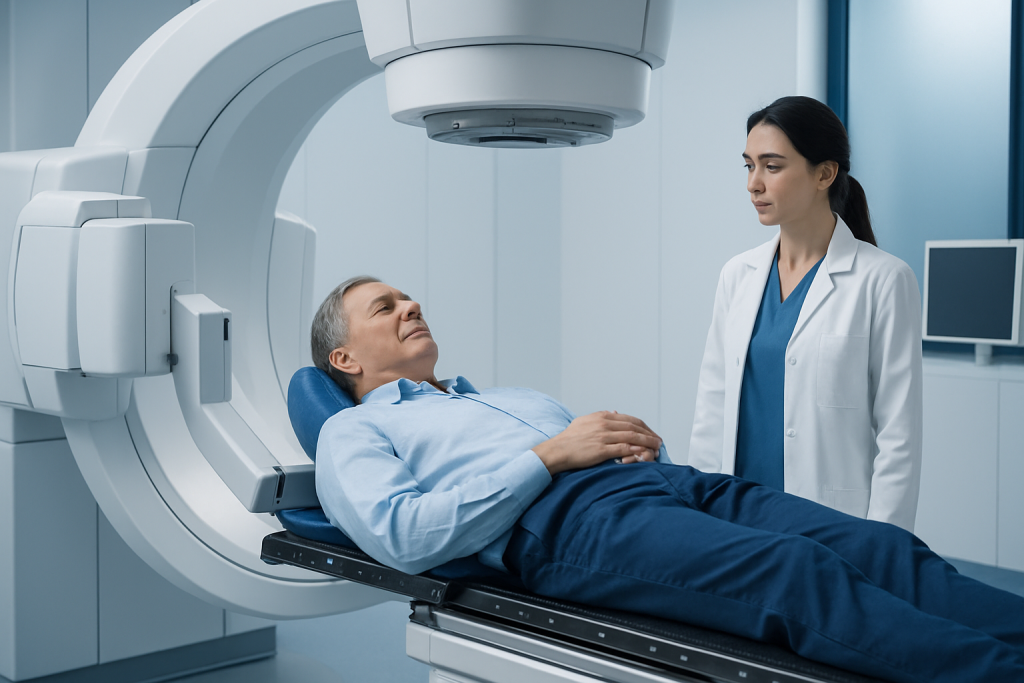
Treatment is designed around where the cancer is located and how likely it is to grow or spread. For low-risk localized prostate cancer, active surveillance may be appropriate. This is structured monitoring with repeat PSA tests, examinations, MRI scans and sometimes repeat biopsies, with curative treatment started if there are signs that the cancer is changing.
For localized cancer that requires treatment, surgery removes the prostate and nearby tissues that may contain cancer. Radiation therapy delivers carefully planned radiation to destroy cancer cells in the prostate; some people also receive temporary hormone therapy to improve radiation effectiveness. These treatments aim to cure cancer that has not spread to distant organs.
For recurrent, locally advanced or metastatic disease, hormone therapy lowers or blocks testosterone, which prostate cancer cells commonly use to grow. Depending on the situation, this may be combined with newer hormone-blocking medicines, chemotherapy, immunotherapy for selected tumors, targeted medicines for certain inherited or tumor gene changes, or radiopharmaceutical treatment. Information about prostate cancer can help patients understand how disease extent guides these choices.
Who Is a Candidate and How Is a Treatment Plan Chosen?
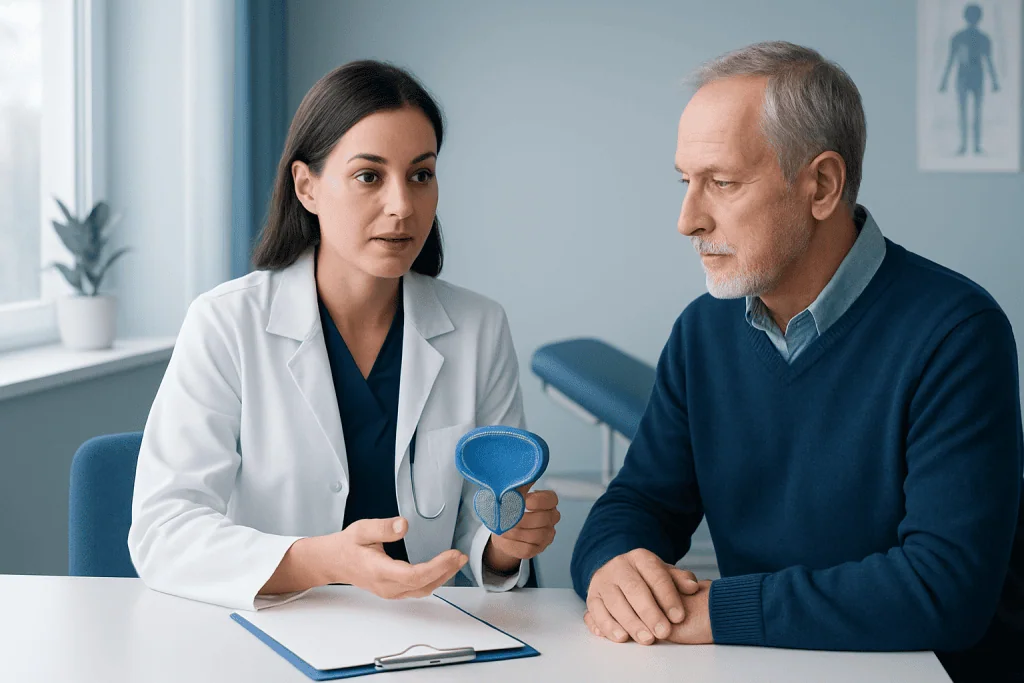
Every person with prostate cancer should have an individualized treatment discussion. Key details include PSA level and trend, digital rectal examination findings, prostate biopsy results, Gleason Grade Group, MRI or PET imaging where indicated, and whether cancer is localized, regional, recurrent or metastatic. Doctors also consider urinary, bowel and sexual function before treatment, as well as general fitness for a procedure.
Active surveillance may suit selected people with low-risk cancer and some favorable intermediate-risk cancers. Curative surgery or radiation may be recommended for cancer that is localized but more likely to grow. Treatment choices can differ even among people with the same stage because preserving sexual function, avoiding surgery, minimizing treatment visits, or treating urinary obstruction may matter differently to each individual.
For advanced disease, the cancer’s prior treatments and molecular testing can guide the next step. A multidisciplinary review may involve urology, medical oncology, radiation oncology, radiology, pathology, nuclear medicine, specialist nursing, rehabilitation and supportive-care professionals. This approach helps balance cancer control with quality of life.
What Happens During Treatment and Recovery?
Before treatment, patients usually have a review of biopsy and imaging results, baseline PSA testing and discussions about possible effects on bladder, bowel and sexual health. For surgery, pre-operative assessments check whether anesthesia is safe and provide instructions on recovery. For radiation, planning scans are used to map the prostate and protect nearby organs such as the bladder and rectum.
During prostatectomy, the surgeon removes the prostate under anesthesia and reconnects the urinary tract. A urinary catheter is generally used temporarily afterward. With external-beam radiation, treatment is usually delivered in short outpatient sessions over a schedule determined by the radiation team. Hormone therapy may be administered by injections, tablets, or both, depending on the medicine and treatment plan.
Recovery varies. After surgery, fatigue, discomfort and temporary urinary leakage are common early concerns; pelvic-floor rehabilitation may help continence recovery. Following radiation, some people experience short-term urinary frequency, bowel changes or tiredness. Hormone therapy can cause hot flushes, reduced sexual desire, fatigue, weight changes and effects on bone and metabolic health, so ongoing monitoring is important. Prostatectomy may be considered when surgery is the most suitable curative option.
Follow-up usually includes PSA tests at planned intervals. After prostate removal, PSA is expected to become very low or undetectable. After radiation, PSA tends to decline more gradually. A rising PSA does not always have the same meaning after every treatment, so results should be interpreted by the treating team.
Benefits, Risks and Quality of Life
The central potential benefit of treatment for localized prostate cancer is cure. For advanced cancer, treatment can shrink or slow tumors, reduce the risk of bone pain and other complications, and allow many people to continue important activities. Supportive care, including pain management, exercise guidance, bone health assessment, nutrition support and emotional care, is part of comprehensive cancer treatment.
All treatments can have side effects. Surgery may affect urinary control and erections, while radiation can cause urinary irritation, bowel symptoms and erectile difficulties that may develop gradually. Hormone therapy can affect energy, mood, sexual function, muscle mass, bones and cardiovascular or metabolic health. Not everyone experiences the same effects, and many can be treated or improved with timely support.
It is reasonable for patients to ask how each option may affect cancer control, recovery time, continence, erections, fertility, work, travel and everyday routines. Decisions should be shared, informed and unhurried where the cancer’s risk level allows. A second opinion can also be useful when treatment options appear equally appropriate.
Can a Man Live 20 Years With Prostate Cancer?
Yes. Many men live 20 years or longer after a prostate cancer diagnosis, especially when the cancer is localized, low risk, or successfully treated. Some prostate cancers grow so slowly that a person may never develop symptoms or need immediate treatment, which is one reason active surveillance can be appropriate for carefully selected patients.
Long-term outlook is more variable for higher-grade, recurrent or metastatic cancer. However, survival cannot be predicted from stage alone. Response to treatment, general health, access to follow-up care and the biology of the individual tumor all influence outcomes.
Rather than focusing only on a time estimate, patients may find it more useful to ask their specialist about their risk group, treatment goals, PSA trend and what follow-up will look like. These details give a more meaningful picture of an individual prognosis.
Can Prostate Cancer Be Cured If It Has Spread?
When prostate cancer has spread to distant organs or bones, it is generally not considered curable with current standard treatments. It can nevertheless often be treated effectively for a prolonged period. Modern systemic therapies can lower PSA, shrink or stabilize cancer, delay symptoms and help preserve quality of life.
In selected situations where spread is limited to a small number of sites, doctors may combine systemic treatment with radiation to the prostate and/or particular metastases. This is an evolving area of care, and the potential benefit depends on the pattern of spread, prior treatment and the individual’s health.
Testing tumor tissue or blood for certain gene changes may identify people who could benefit from targeted treatments. Regular review is important because treatment can be adjusted when the cancer changes or side effects become difficult to manage.
Is Advanced Prostate Cancer Classed as Terminal? Can You Live a Normal Life With Stage 4 Prostate Cancer?
Advanced prostate cancer is not automatically described as terminal. Stage 4 cancer includes disease that has spread nearby or to distant parts of the body, and outcomes differ widely between these situations. While metastatic prostate cancer is usually managed as a long-term condition rather than cured, many people respond well to treatment and live for years.
Many people with stage 4 prostate cancer continue to work, spend time with family, travel and take part in valued activities, particularly when symptoms are controlled. What feels like a normal life is personal, and it may include adjustments for treatment appointments, fatigue, sexual changes or other side effects. Open communication with the care team can help maintain independence and comfort.
It is important to report new bone pain, weakness, numbness, difficulty passing urine, worsening fatigue or unintentional weight loss promptly. These symptoms do not always indicate an emergency, but they may need assessment and treatment. Acibadem International’s multidisciplinary specialists and JCI-accredited hospitals diagnose and treat prostate cancer for international patients.
When to Seek Medical Care
A person should arrange medical assessment for persistent urinary changes, such as a weak stream, difficulty starting urination, blood in urine or semen, new erectile difficulties, or pelvic discomfort. These symptoms are often caused by non-cancerous conditions, including prostate enlargement or infection, but they should be discussed with a clinician when they persist or cause concern.
Anyone with a known prostate cancer diagnosis should contact their care team about new or worsening bone pain, unexplained weight loss, marked fatigue, difficulty passing urine, leg swelling, weakness, numbness or changes in bowel or bladder control. Sudden weakness, numbness around the groin, or loss of bladder or bowel control requires urgent medical attention because it can indicate pressure on the spinal cord.
Routine follow-up remains important even when a person feels well. PSA monitoring and scheduled reviews help clinicians detect recurrence or treatment effects early, when there may be more options for management.
Frequently asked questions
What is the success rate of treatment for localized prostate cancer?
Localized prostate cancer often has an excellent outlook, and surgery or radiation can cure many people. However, a personal estimate depends on PSA level, Gleason Grade Group, tumor stage, imaging results and overall health. A treating specialist can explain the expected cancer-control outcome for the individual risk group.
Which prostate cancer treatment is most effective?
There is no single best treatment for everyone. Active surveillance, surgery and radiation may all be appropriate for different forms of localized cancer, while advanced cancer commonly needs systemic treatment such as hormone therapy with other medicines when indicated. The most effective option is the one matched to the cancer’s risk, extent and the person’s priorities.
Can prostate cancer return after treatment?
Yes, prostate cancer can recur after surgery or radiation, especially when the original cancer had higher-risk features. Follow-up PSA testing is the main way to look for recurrence before symptoms develop. If cancer returns, further radiation, hormone therapy or other treatments may be considered depending on where it has recurred.
How is treatment success monitored after prostate cancer treatment?
PSA blood tests are central to follow-up. After prostatectomy, PSA should usually become very low, whereas after radiation it often falls gradually over time. Doctors may also use examinations, MRI, PET imaging or other tests if PSA results or symptoms suggest recurrence.
Does stage 4 prostate cancer always cause symptoms?
No. Some people with stage 4 prostate cancer have few or no symptoms when it is found on scans or blood tests. Others may develop bone pain, tiredness, urinary symptoms or weight loss. Treatment and regular monitoring can often control symptoms and reduce the risk of complications.
Can lifestyle changes improve prostate cancer outcomes?
Lifestyle measures do not replace medical treatment, but they can support general health during and after care. Regular physical activity suited to a person’s condition, a balanced diet, not smoking, limiting alcohol and protecting bone health can be helpful. A clinician can provide individualized advice, particularly for people receiving hormone therapy.
References
- National Cancer Institute
- American Cancer Society
- European Association of Urology
- National Comprehensive Cancer Network
- World Health Organization
This article is for general information only and is not a substitute for professional medical advice. Please consult a qualified doctor about your individual situation.
Prostate Cancer in Turkey — costs, top hospitals & a free quote
JCI-accredited · board-certified surgeons · reply within 24h
Add us as a Preferred Source to see more of our trusted health content across Google Search, AI Overviews and Discover.