Cholecystolithiasis Treatment: How It Works, Results and What to Expect

Gallstones that cause no symptoms often do not require active treatment. Laparoscopic cholecystectomy is the standard definitive treatment for symptomatic gallstones.
Key Takeaways
- Gallstones that cause no symptoms often do not require active treatment.
- Laparoscopic cholecystectomy is the standard definitive treatment for symptomatic gallstones.
- Surgery removes the gallbladder rather than the stones alone, preventing new gallstones from forming there.
- Medicines to dissolve selected cholesterol stones work slowly and are not suitable for most people.
- Urgent assessment is important for severe or persistent pain, fever, jaundice, vomiting, or dark urine.
Cholecystolithiasis treatment depends on whether gallstones cause symptoms or complications. Many silent gallstones need no treatment, while recurrent pain, inflammation, bile duct blockage, or pancreatitis commonly require removal of the gallbladder, usually with minimally invasive surgery.
Overview: How Cholecystolithiasis Treatment Works
Cholecystolithiasis treatment is tailored to the person’s symptoms, the type and location of gallstones, and whether complications are present. Gallstones are hardened deposits, usually made largely of cholesterol or bilirubin pigments, that form in the gallbladder. If they do not cause symptoms, they are often found incidentally during imaging and may be safely monitored rather than treated.
When gallstones cause repeated biliary pain or lead to inflammation, infection, blockage of a bile duct, jaundice, or pancreatitis, the usual definitive treatment is removal of the gallbladder. This operation is called cholecystectomy and is most often performed through several small abdominal incisions using a camera and surgical instruments.
The liver continues to make bile after gallbladder removal. Instead of being stored in the gallbladder, bile flows more continuously into the intestine. Most people can digest a normal diet after recovery, although some notice temporary changes in bowel habits.
What Is the Most Common Symptom of Cholelithiasis?
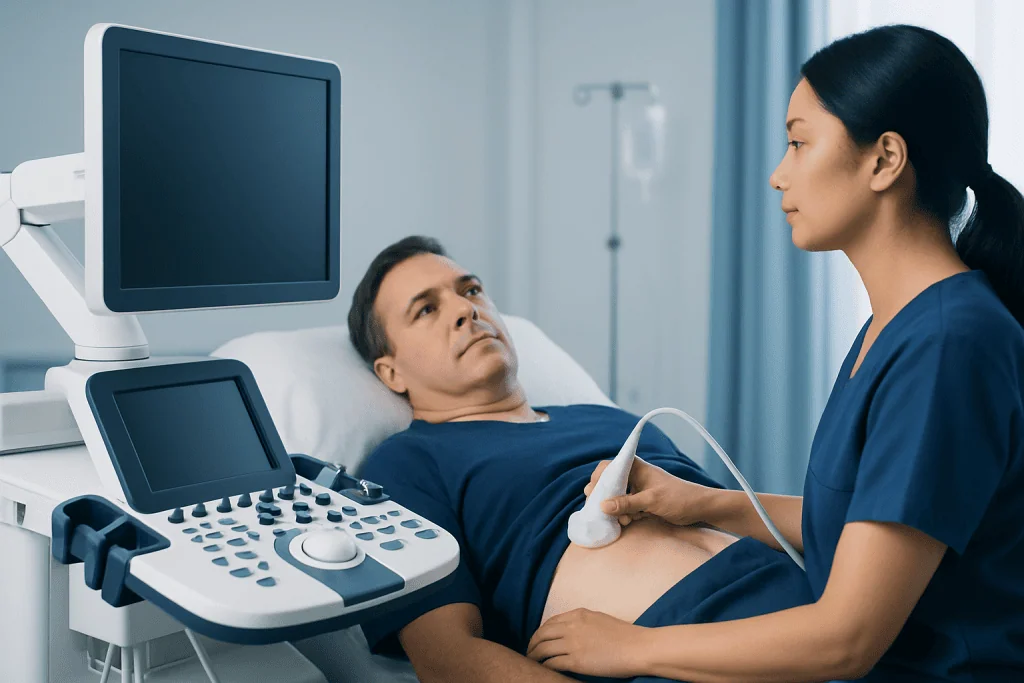
The most common symptom of cholelithiasis is biliary colic: a steady, often intense pain in the upper right or upper middle abdomen. It can begin after a meal, particularly a rich or fatty meal, but it may also occur at other times. The discomfort can spread to the right shoulder blade or back and may last from minutes to several hours.
Some people experience nausea or vomiting with an attack. Biliary colic occurs when a gallstone temporarily blocks the outlet of the gallbladder. The pain generally settles when the stone moves and the blockage resolves, but repeated episodes are common once symptoms have started.
Not all abdominal pain is caused by gallstones. A clinician may consider other digestive, liver, pancreatic, urinary, heart, or musculoskeletal conditions, especially when the pain pattern is unusual. Imaging and blood tests help clarify the cause.
When Does Cholecystolithiasis Require Surgery?
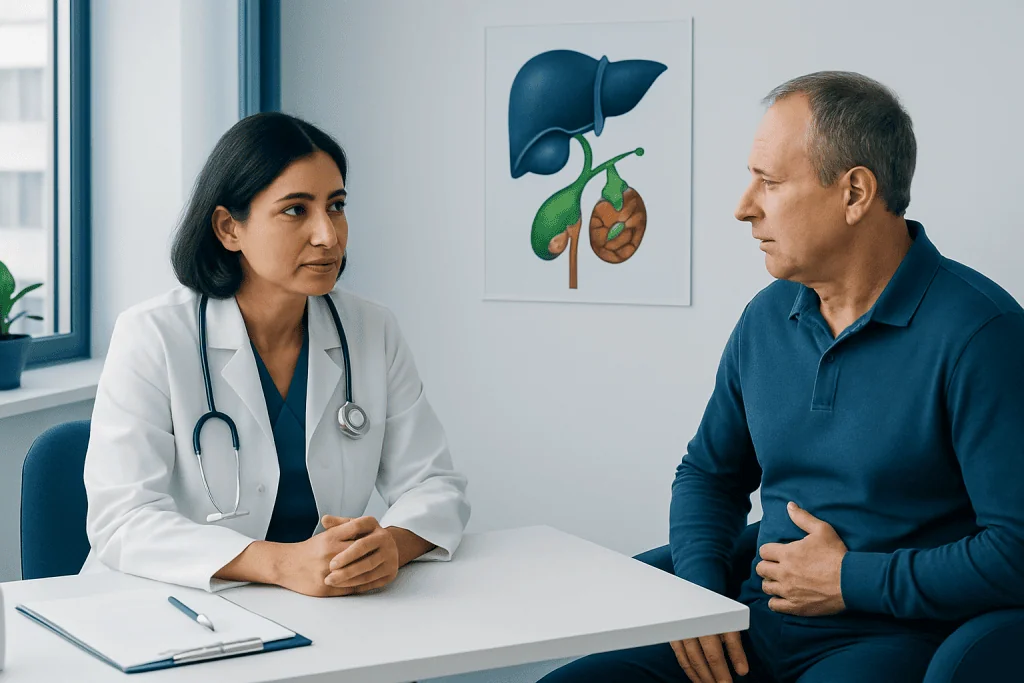
Cholecystolithiasis generally requires surgery when gallstones are causing recurring biliary colic or complications. These include acute cholecystitis, which is inflammation of the gallbladder; stones in the common bile duct; cholangitis, a serious bile duct infection; gallstone pancreatitis; or gallstone-related jaundice.
For most people with symptomatic gallstones, laparoscopic cholecystectomy offers the most reliable long-term solution because it removes the organ where the stones form. Removing individual stones without removing the gallbladder is rarely a durable option, as new stones may develop.
Timing depends on the clinical situation. An acute attack may require hospital assessment, pain control, fluids, antibiotics when infection is suspected, and surgery during the same admission or after inflammation is controlled. People with significant medical conditions may need additional assessment to decide on the safest approach.
- Symptoms that recur or interfere with daily activities
- Inflammation or infection of the gallbladder
- Stones or obstruction in the main bile duct
- Gallstone-related pancreatitis or jaundice
The Procedure: Step by Step
Before surgery, the care team reviews symptoms, medical history, medicines, allergies, and imaging results. Ultrasound is the usual first test for gallstones. Blood tests may check liver and pancreatic function, particularly when there is concern that a stone has entered the bile duct. Additional imaging, such as MRCP, may be used when needed.
Laparoscopic cholecystectomy is performed under general anesthesia. The surgeon makes several small incisions, inflates the abdomen with gas to create working space, and uses a laparoscope to view the gallbladder. The cystic duct and blood vessel are identified and secured, then the gallbladder is separated from the liver and removed through a small incision.
If a bile duct stone is suspected or confirmed, it may be removed with ERCP, an endoscopic procedure performed through the mouth and digestive tract, before or after gallbladder surgery. In some situations, such as severe inflammation, scarring, bleeding, or unclear anatomy, the operation may need to be converted to open surgery through a larger incision for safety.
People considering surgery can discuss laparoscopic cholecystectomy with a surgeon, including the expected approach and whether additional bile duct evaluation is appropriate.
Candidacy, Benefits, Risks and Results
Suitable candidates for surgery commonly include people with confirmed gallstones and typical symptoms, as well as those who have developed complications. Age alone does not determine candidacy. The decision is based on symptoms, overall health, prior abdominal operations, heart and lung function, medicines such as blood thinners, and the expected benefit of treatment.
The main benefit of cholecystectomy is prevention of future gallbladder attacks and gallbladder-related complications. Most people experience relief from typical biliary pain after surgery. However, surgery may not resolve abdominal symptoms that were caused by another condition, which is why careful evaluation before an operation is important.
Possible risks include bleeding, wound infection, blood clots, anesthetic reactions, bile leakage, injury to nearby structures including the bile duct, and the need for open surgery. These complications are uncommon but should be reviewed during informed consent. Some people have loose stools, bloating, or food intolerance after surgery; these symptoms often improve over time and can usually be managed with dietary adjustments.
Recovery Timeline and Everyday Care
After an uncomplicated laparoscopic procedure, many people go home the same day or after an overnight stay, depending on their health and local clinical practice. Mild incision pain, fatigue, shoulder-tip discomfort from the surgical gas, and temporary bloating can occur in the first days. Prescribed pain relief, gentle movement, and wound-care instructions support recovery.
Light activities are often resumed within several days, while return to work, exercise, driving, and heavier lifting should follow the surgeon’s individual advice. Recovery after open surgery is longer because the incision is larger. Follow-up may include checking healing, reviewing pathology results when applicable, and discussing ongoing digestive symptoms.
There is no universally required lifelong diet after gallbladder removal. During early recovery, smaller meals and limiting very fatty foods may reduce nausea, cramping, or loose stools. A balanced diet with fiber, fluids, and gradual return to usual foods is appropriate for many people unless the clinical team advises otherwise.
How Long Does It Take to Dissolve Gallstones?
Medicines that dissolve gallstones are used only in selected situations, usually for small cholesterol stones in people who cannot have surgery or who have a specific reason to avoid it. These medicines may take months to years to work, and they do not treat every stone type. Even when stones dissolve, they can return after treatment is stopped.
Because medical dissolution is slow and has limited suitability, it is not the standard choice for people with recurring painful symptoms or gallstone complications. Shock-wave treatment and similar stone-directed approaches are also used infrequently for gallbladder stones because recurrence remains possible when the gallbladder stays in place.
A clinician can explain whether observation, medication, endoscopic treatment, or surgery best fits the individual situation. The presence of bile duct stones is assessed separately, because these stones may need timely endoscopic removal.
What Is the Prognosis for Cholecystolithiasis?
The prognosis for cholecystolithiasis is generally very good. Many people with silent gallstones never develop symptoms and do not need treatment. For those with symptomatic stones, timely evaluation and appropriate treatment can usually control pain and reduce the risk of further gallbladder-related events.
After gallbladder removal, most people return to normal activities and have no major long-term dietary limitations. A small number may continue to have digestive symptoms or develop pain from causes unrelated to gallstones, so ongoing or new symptoms should be assessed rather than assumed to be part of recovery.
Acibadem International’s multidisciplinary specialists and JCI-accredited hospitals support diagnosis and treatment planning for international patients with gallstone disease, including surgical and endoscopic care when indicated.
When to Seek Medical Care
Medical assessment is appropriate for new or recurring upper abdominal pain, especially when it is severe, lasts more than a few hours, wakes a person from sleep, or occurs with nausea and vomiting. A doctor can determine whether gallstones are responsible and whether treatment is needed.
Urgent medical care is needed for abdominal pain with fever or chills, yellowing of the skin or eyes, dark urine, pale stools, persistent vomiting, fainting, confusion, or worsening illness. These signs can indicate infection, bile duct obstruction, or pancreatitis and should not be managed at home.
Until assessment, it may help to avoid meals that reliably trigger symptoms and to follow individualized advice from a qualified clinician. Self-treatment should not delay evaluation of severe or persistent pain.
Frequently asked questions
Can gallstones be treated without removing the gallbladder?
Yes, symptom-free gallstones usually do not need treatment, and selected cholesterol stones may sometimes be treated with medication. However, medication is slow, does not work for all stones, and stones can recur. For recurrent symptoms or complications, gallbladder removal is usually the definitive treatment.
Is laparoscopic gallbladder surgery painful?
The procedure is performed under general anesthesia, so the person is asleep during surgery. Some discomfort at the incision sites, fatigue, bloating, or shoulder-tip pain can occur afterward, but these symptoms are usually temporary. The surgical team provides an individualized pain-management plan.
Can a person live normally without a gallbladder?
Yes. The liver continues to produce bile, which flows directly into the intestine after the gallbladder is removed. Most people return to their normal eating pattern after recovery, though some may benefit from temporarily reducing very fatty foods.
Can gallstones come back after cholecystectomy?
Gallstones cannot form again in a removed gallbladder. Rarely, stones may be present or later form in the bile ducts, which are separate from the gallbladder. New jaundice, pain, fever, or digestive symptoms should be evaluated by a clinician.
What tests diagnose cholecystolithiasis?
Abdominal ultrasound is commonly the first test because it can detect gallstones and signs of gallbladder inflammation. Blood tests may assess liver and pancreatic function. MRCP, CT, or endoscopic tests may be used when there is concern about stones in the bile ducts.
What should a person eat while waiting for gallstone treatment?
There is no single gallstone diet, but smaller meals and reducing foods that clearly trigger attacks, often very fatty meals, may help some people. A balanced diet with adequate fluids is generally appropriate. Dietary changes do not remove stones or replace medical assessment when symptoms are significant.
References
- National Institute of Diabetes and Digestive and Kidney Diseases
- National Health Service
- American College of Gastroenterology
- Society of American Gastrointestinal and Endoscopic Surgeons
This article is for general information only and is not a substitute for professional medical advice. Please consult a qualified doctor about your individual situation.
Persistent digestive symptoms? Get evaluated in Turkey
JCI-accredited · board-certified surgeons · reply within 24h
Add us as a Preferred Source to see more of our trusted health content across Google Search, AI Overviews and Discover.
Check your numbers in seconds
BMI, calories, due date, blood pressure and 30+ more clinical calculators — free, instant, doctor-reviewed ranges.

More from the Health Library


Related Specialists

Dt. Şükrü Efe Aydın
Oral and Dental Health
Assoc. Prof. Dr. Seher Tanrıkulu
Endocrinology
Dr. Soysal Turhan
Cardiovascular Surgery
Prof. Dr. Kerem Bilsel
Orthopedic Surgery & Traumatology