Que Es Un Endoscopio: Preparation, Procedure and Results
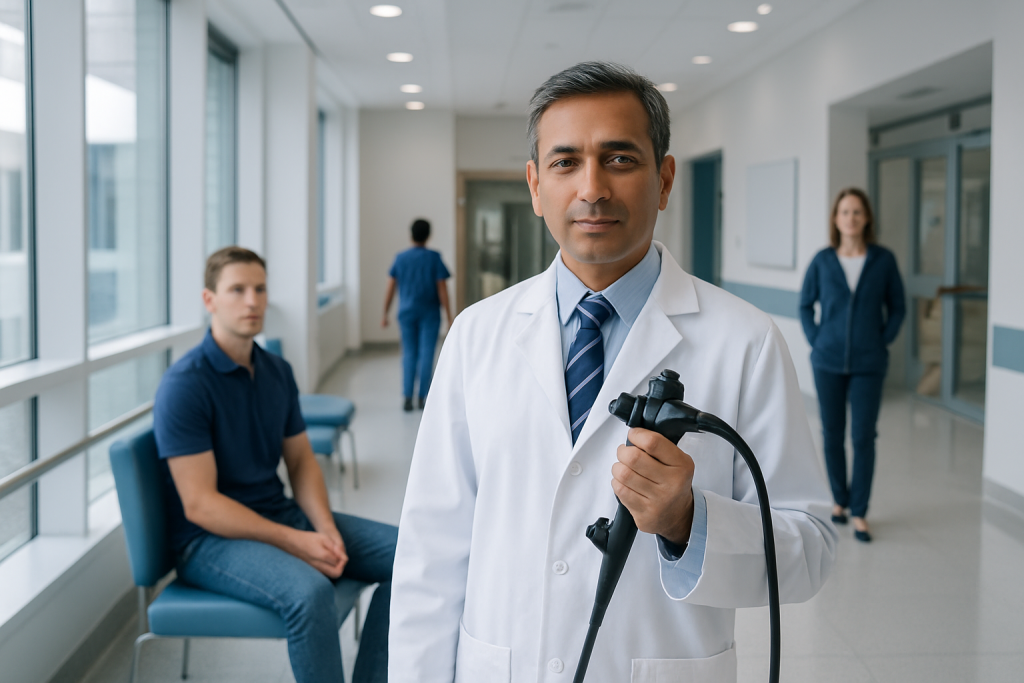
An endoscope is a thin, flexible or rigid tube with a camera and light used to view internal body structures. The type of endoscopy, preparation and recovery depend on the body area being examined.
Key Takeaways
- An endoscope is a thin, flexible or rigid tube with a camera and light used to view internal body structures.
- The type of endoscopy, preparation and recovery depend on the body area being examined.
- Doctors may use endoscopy to investigate symptoms, take biopsies, remove small growths or control bleeding.
- Sedation is common for some procedures, so patients may need a responsible adult to take them home.
- Serious complications are uncommon, but new severe pain, fever, heavy bleeding or breathing difficulty need urgent medical assessment.
Que es un endoscopio: it is a medical instrument with a light and camera that allows doctors to examine areas inside the body without open surgery. Endoscopy can help identify the cause of symptoms, obtain tissue samples and, in some cases, treat a problem during the same procedure.
What Is an Endoscope?
Que es un endoscopio is Spanish for “what is an endoscope?” An endoscope is a slender medical instrument fitted with a light and camera. It sends images to a monitor, allowing a doctor to inspect the lining of organs or body spaces in real time without making a large surgical incision.
In English, endoscopio is called an endoscope, while endoscopia is called endoscopy. Some endoscopes are flexible and passed through a natural opening, such as the mouth or rectum. Others are rigid instruments used through a small incision or during procedures involving the nose, throat, joints or urinary tract.
Endoscopy is not one single test. Upper gastrointestinal endoscopy examines the esophagus, stomach and first part of the small intestine; colonoscopy examines the large bowel; bronchoscopy examines the airways; and cystoscopy examines the bladder. The clinician selects the procedure based on symptoms, medical history and the area that needs assessment.
How an Endoscope Works and What It Can Show
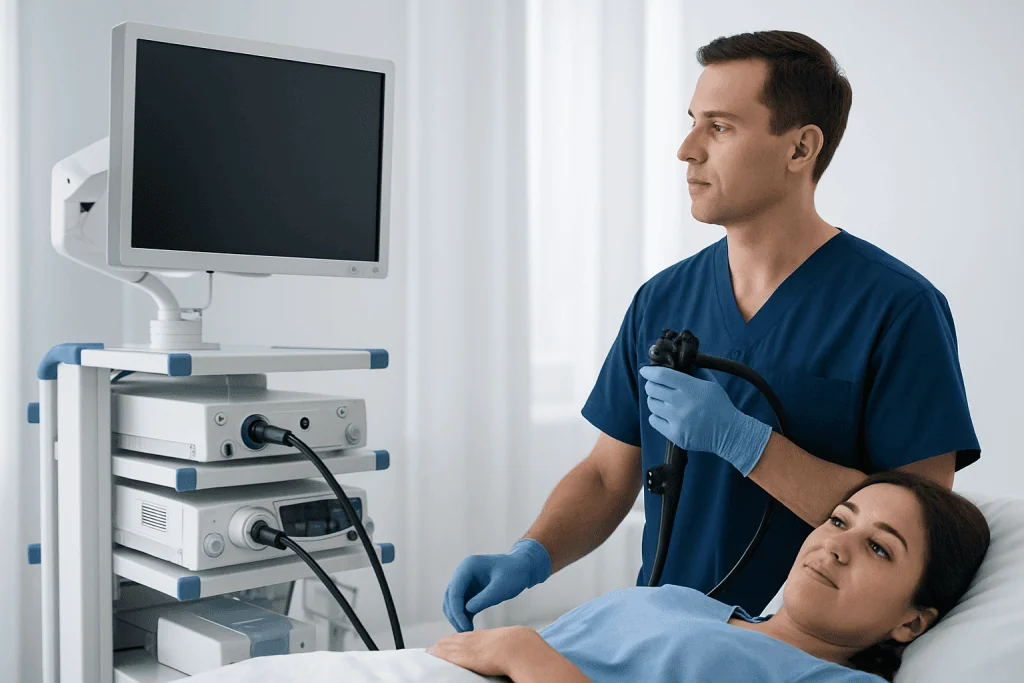
The camera at the tip of the endoscope transmits magnified images to a monitor. The doctor gently advances the instrument while viewing the images, often using air, carbon dioxide or sterile fluid to improve visibility. Most modern flexible endoscopes also have channels that allow small tools to pass through the device.
These tools can collect a biopsy, remove certain polyps, stop minor bleeding, widen a narrowed area or retrieve an object when clinically appropriate. A biopsy means taking a small tissue sample for laboratory examination. Having a biopsy does not by itself mean cancer is suspected; biopsies are also used to assess inflammation, infection and other non-cancerous conditions.
An endoscopic examination may help clarify symptoms such as persistent swallowing difficulty, abdominal pain, nausea, vomiting, gastrointestinal bleeding, altered bowel habits, unexplained anemia or chronic cough. It may also be used to monitor known conditions, including inflammatory bowel disease, when a specialist considers it useful.
Who May Need Endoscopy?

A doctor may recommend endoscopy when symptoms, laboratory results or imaging findings require a closer look. It can be an important diagnostic tool, but it is not automatically necessary for every digestive, respiratory or urinary symptom. The expected benefit should be weighed against the preparation, sedation needs and small risk of complications.
Before scheduling the procedure, the clinical team reviews current symptoms, previous operations, heart and lung conditions, sleep apnea, allergies, pregnancy status and medicines. Blood-thinning medicines, diabetes medicines and injectable weight-management medicines may require individual instructions. Patients should not stop prescribed treatment unless their clinician tells them to do so.
Endoscopy may be postponed or modified if a person has an acute illness, unstable medical condition or cannot safely receive sedation. Alternatives may include blood tests, stool tests, ultrasound, CT, MRI or other imaging, depending on the clinical question. The referring clinician can explain why endoscopy is preferred or whether another test is reasonable.
Preparation and Endoscopia Instrucciones
Preparation is specific to the examination. For an upper endoscopy, people are commonly asked not to eat or drink for a set period beforehand so the stomach is empty. For colonoscopy, the bowel must be cleaned with a prescribed preparation plan, often involving a temporary dietary change and a laxative solution. Exact endoscopia instrucciones should always come from the hospital or endoscopy unit.
Patients should tell the team about all prescription medicines, over-the-counter products, vitamins and herbal supplements. They should also report allergies, implanted devices, prior reactions to anesthesia, bleeding disorders and any possibility of pregnancy. Instructions for insulin, anticoagulants and other medicines must be individualized by the prescribing clinician and procedure team.
Many examinations use sedative medication to support comfort. If sedation is planned, patients generally need a responsible adult to accompany them home and should avoid driving, operating machinery, drinking alcohol, signing important documents or making major decisions for the rest of the day. Patients can ask in advance whether sedation, local anesthetic spray or no sedation is expected.
What Happens During the Procedure?
On arrival, staff confirm identity, medical history, medicines, allergies and consent. Vital signs are checked, and an intravenous line may be placed if sedation is planned. The doctor explains the procedure, possible interventions and key risks, giving the patient an opportunity to ask questions before it begins.
During upper endoscopy, a numbing throat spray and/or sedation may be used, and the endoscope is usually passed through the mouth. During colonoscopy, the scope is passed through the rectum. The patient is positioned comfortably, monitored throughout and usually remains able to breathe independently. The duration varies according to the procedure and whether treatment such as biopsy or polyp removal is needed.
Doctors may take photographs or video images for the medical record. If a finding can safely be addressed immediately, an intervention may be performed during the same examination. For example, colonoscopy can identify and remove some polyps, while upper endoscopy can help assess upper digestive symptoms and obtain biopsies when needed.
Endoscopy teams follow infection-prevention procedures between patients. An endoscope protocol includes cleaning, leak testing, high-level disinfection or sterilization as appropriate, drying, storage and documentation. Endoscope reprocessing guidelines are designed to reduce infection risk and are overseen through established quality and safety processes.
Recovery, Results, Benefits and Risks
After the examination, the patient rests in a recovery area until alert enough to leave safely. Mild bloating, gas, a sore throat or temporary cramping can occur, especially after gastrointestinal endoscopy. These effects usually settle within hours. Recovery from sedation may continue through the day, even when a person feels well.
The doctor may share initial visual findings before discharge. If biopsies were taken or tissue was removed, laboratory results take longer and are communicated according to the hospital’s usual process. A normal-looking examination can still be clinically useful, as it may help rule out certain causes and guide the next steps in care.
The benefits of endoscopy include direct visualization, the ability to obtain tissue samples and the possibility of treating selected problems without major surgery. Risks depend on the procedure and a person’s health, but can include reaction to sedation, bleeding, infection, aspiration or a tear in the organ wall. Serious complications are uncommon, and the team takes precautions to reduce them.
Patients should follow their discharge instructions carefully. It is important to contact the treating team promptly for increasing or severe pain, persistent vomiting, fever, chest pain, shortness of breath, fainting, black stools, heavy rectal bleeding or vomiting blood. These symptoms may have other causes but require timely assessment after an endoscopic procedure.
When to Seek Medical Care
Non-urgent medical advice is appropriate for persistent digestive symptoms, trouble swallowing, unexplained weight loss, recurrent vomiting, ongoing changes in bowel habits, anemia or blood in the stool. A clinician can assess the symptoms and decide whether endoscopy, imaging or another investigation is most suitable.
Urgent medical care is needed for vomiting blood, black or bloody stools, severe or worsening abdominal pain, fainting, significant breathing difficulty, chest pain or signs of severe dehydration. These symptoms do not always mean a serious condition, but they should not be managed with self-care alone.
People with known digestive conditions may also need periodic specialist review. Depending on the diagnosis, care may include evaluation for gastritis, reflux-related problems, ulcers, bowel inflammation or other causes of symptoms. The most appropriate plan is based on the individual’s history, examination and test results.
Planning Endoscopic Care
Before an appointment, patients may find it helpful to write down symptoms, when they began, factors that improve or worsen them, previous test results and a complete medicine list. They can also ask what type of scope will be used, whether biopsies or treatment may be performed, how to prepare and when results are expected.
For people traveling for care, it is particularly important to plan for pre-procedure assessment, a safe recovery period after sedation and follow-up for pathology results. Acibadem International’s multidisciplinary specialists and JCI-accredited hospitals diagnose and treat digestive and other conditions requiring endoscopic assessment for international patients.
Endoscopy is often part of a broader diagnostic pathway rather than a final answer on its own. Clear communication with the clinical team, careful preparation and appropriate follow-up help ensure that the result is understood in the context of the person’s overall health.
Frequently asked questions
Que es un endoscopio en español?
Un endoscopio es un instrumento médico delgado con una cámara y una luz. Permite al médico observar el interior del cuerpo y, en algunos casos, tomar biopsias o realizar tratamiento durante el mismo procedimiento.
Is an endoscopy painful?
Endoscopy is usually not described as painful, although it can cause temporary pressure, bloating, gagging or cramping depending on the procedure. Local anesthetic and/or sedation may be used to improve comfort. The care team can discuss the comfort measures available before the examination.
How long does an endoscopy take?
The examination itself often takes a relatively short time, but the full visit includes check-in, preparation, recovery and discharge instructions. Timing varies by procedure and may be longer if biopsies, polyp removal or other treatment is needed. The endoscopy unit can provide a more individualized estimate.
Can a doctor see cancer during endoscopy?
An endoscope can show areas that look abnormal, such as a growth, ulcer or inflamed tissue. However, visual appearance alone usually cannot confirm cancer. A biopsy and laboratory assessment are commonly needed to establish a diagnosis.
What should a patient do after sedation for endoscopy?
A patient should have a responsible adult take them home and stay available as advised by the clinical team. Driving, alcohol, machinery and important decisions should be avoided for the rest of the day or for the period specified in discharge instructions. Normal activities can often resume the next day if recovery is uncomplicated.
How are endoscopes cleaned between patients?
Reusable endoscopes undergo a structured reprocessing process that includes cleaning, testing, disinfection or sterilization when required, drying and proper storage. Healthcare facilities use formal protocols and quality controls to support safe reuse. Patients may ask the endoscopy unit about its infection-prevention practices.
References
- American Society for Gastrointestinal Endoscopy
- National Institute of Diabetes and Digestive and Kidney Diseases
- National Health Service
- World Gastroenterology Organisation
- Centers for Disease Control and Prevention
This article is for general information only and is not a substitute for professional medical advice. Please consult a qualified doctor about your individual situation.
Persistent digestive symptoms? Get evaluated in Turkey
JCI-accredited · board-certified surgeons · reply within 24h
Add us as a Preferred Source to see more of our trusted health content across Google Search, AI Overviews and Discover.

More from the Health Library

Related Specialists
Dr. Mahmut Ercüment Cengiz
Gynecology & Obstetrics
Dr. Cem Tekin Baran
Orthopedic Surgery & Traumatology
Dr. Emre Mirçik
Radiology
Dr. Anil Karaağaç
Cardiovascular Surgery