Responsive Neurostimulation: How Neuromodulation Adapts to Brain Signals
Responsive neurostimulation detects abnormal brain activity and responds automatically with electrical stimulation. It is mainly used for selected people with focal seizures that have not been controlled well with medication.
Key Takeaways
- Responsive neurostimulation detects abnormal brain activity and responds automatically with electrical stimulation.
- It is mainly used for selected people with focal seizures that have not been controlled well with medication.
- The goal is usually seizure reduction, not an instant cure, and benefits often build gradually over months to years.
- Careful testing is needed to confirm whether a person is a good candidate for the device.
- Regular follow-up helps specialists review brain-signal data and adjust settings for the best results.
Responsive neurostimulation is a form of neuromodulation that monitors brain activity and responds in real time with gentle electrical stimulation. It is most often used for some people with drug-resistant focal epilepsy to help reduce seizure frequency over time.
Overview of Responsive Neurostimulation
Responsive neurostimulation is a medical treatment that uses an implanted device to watch for unusual electrical activity in the brain and respond when needed. It belongs to a broader group of treatments called neuromodulation, which use targeted electrical signals to influence nerve activity. In epilepsy care, this approach is designed to interrupt seizure activity as it begins, rather than providing continuous stimulation all the time.
The treatment is most commonly discussed for people with focal epilepsy, meaning seizures start in one or two specific areas of the brain. These individuals may continue to have seizures despite trying appropriate anti-seizure medications. For carefully selected patients, responsive neurostimulation may become part of a broader epilepsy treatment plan that can also include medicines, lifestyle adjustments, and sometimes other procedures.
The system is implanted by a neurosurgical team and connected to leads placed at or near the seizure focus. The device records brain signals, looks for patterns linked to the person’s seizures, and delivers brief stimulation when those patterns are detected. This individualized response is what makes the therapy “responsive.”
Responsive neurostimulation does not work the same way for every person, and it is not suitable for all seizure types. However, for the right candidate, it may help reduce seizure frequency and improve day-to-day functioning. Many patients also value the ongoing brain-activity data, which can help epilepsy specialists better understand and manage the condition, including epilepsy.
How the Device Adapts to Brain Signals
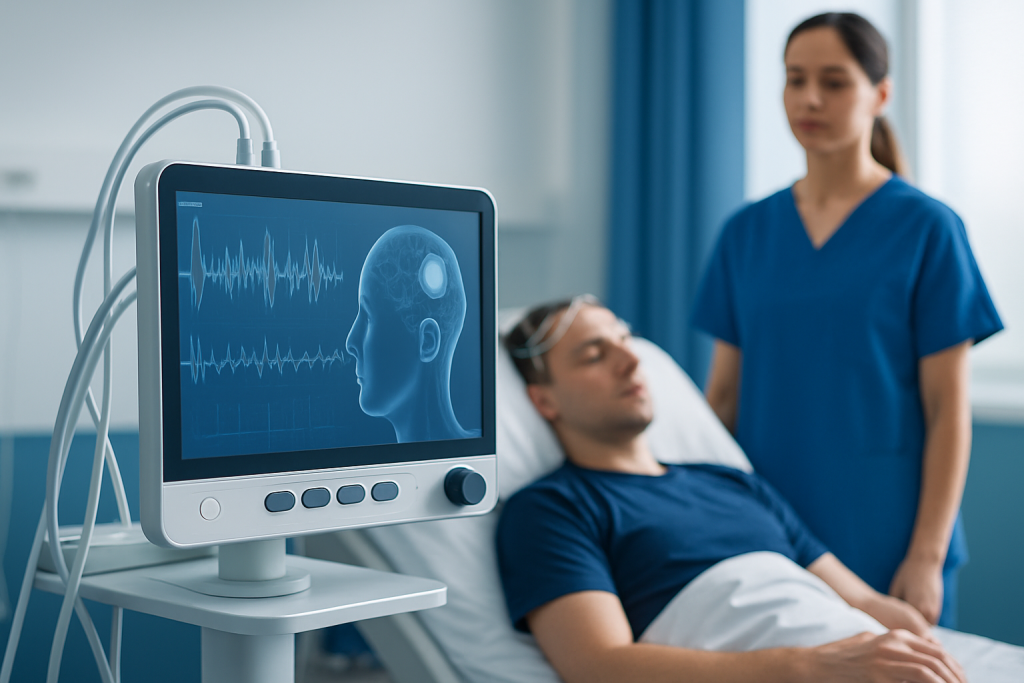
The brain communicates through electrical activity. In epilepsy, certain patterns of electrical firing can become abnormal and may lead to a seizure. A responsive neurostimulation system is programmed to recognize these patterns in a specific patient. When the device detects activity that suggests a seizure may be starting, it sends a small electrical pulse intended to disrupt that activity before it fully develops.
This process happens automatically and continuously in the background. Unlike some forms of stimulation that deliver pulses at set intervals, responsive neurostimulation is designed to react to the brain’s own signals. That is why it is often described as a “closed-loop” system. The loop includes monitoring, detection, response, and later review by the medical team.
After implantation, the device is adjusted over time. Specialists review stored recordings and use that information to refine the detection and stimulation settings. This means the therapy can become more personalized as more brain-signal data is collected. Improvement is often gradual because programming usually needs several follow-up visits and careful fine-tuning.
For patients and families, it may help to think of the system as a highly specialized monitoring-and-response tool rather than a simple on-off treatment. It does not replace the brain’s normal function, and it usually does not eliminate the need for ongoing medical care. Instead, it adds a responsive layer of seizure control within a larger neuromodulation treatment plan.
Who May Be a Candidate
Responsive neurostimulation is usually considered for people with focal seizures that continue despite appropriate medication treatment. In many cases, these patients have tried more than one anti-seizure medicine without enough benefit or with side effects that limit treatment. The therapy may be especially relevant when seizures arise from one or two clearly identified areas of the brain.
Not everyone with epilepsy is a candidate. Some people may do better with medication changes, dietary therapy, or another implanted device. Others may benefit more from epilepsy surgery if the seizure focus can be safely removed. The best option depends on seizure type, where seizures start, overall health, memory and language considerations, and the person’s goals and daily life.
A specialist evaluation often includes several factors:
- Whether seizures are focal or generalized
- How often seizures happen and how disabling they are
- Results of EEG, brain imaging, and other tests
- Whether seizure onset is localized to one or two areas
- Whether resective surgery is possible and appropriate
- How well medications have worked so far
Because treatment decisions can be complex, patients are often assessed in a dedicated epilepsy center by neurologists, neurosurgeons, neurophysiologists, and imaging specialists. This team approach helps identify whether responsive neurostimulation, epilepsy surgery, or another option is the best fit.
Symptoms and Conditions It Is Used For
Responsive neurostimulation does not treat a symptom in the same way a pain reliever treats a headache. Instead, it is used to help manage seizures caused by abnormal electrical activity in the brain. The symptoms a patient experiences depend on where seizures begin. Some focal seizures cause staring spells, unusual sensations, confusion, or repetitive movements, while others can impair awareness or spread to become more severe.
People considered for this therapy often have ongoing seizures that interfere with work, school, safety, sleep, independence, or emotional well-being. Recurrent seizures may also increase the risk of injury, affect driving eligibility, and place strain on family life. For these patients, reducing seizure frequency can make a meaningful difference even if seizures do not disappear completely.
Responsive neurostimulation is most strongly associated with drug-resistant focal epilepsy. Drug-resistant epilepsy generally means seizures continue despite appropriate trials of anti-seizure medications. It may also be considered when the seizure focus is in an area of the brain where removal surgery could carry a high risk to important functions such as speech, movement, or memory.
Because seizure disorders can overlap with other neurologic conditions, the diagnostic process may include evaluation for structural brain causes, scar tissue, prior injury, or abnormalities seen on imaging. In some patients, specialists may also investigate related concerns through advanced brain MRI and prolonged EEG monitoring.
Diagnosis and Pre-Surgical Evaluation
Before responsive neurostimulation is recommended, doctors need to confirm the diagnosis and map where seizures start. This usually begins with a detailed medical history, including descriptions of seizure episodes, medication trials, side effects, and any triggers such as sleep loss or stress. Family observations are often very helpful, because the patient may not remember every event clearly.
Tests commonly include electroencephalography, or EEG, to record brain activity, and MRI to look for structural abnormalities. Some patients also undergo prolonged video-EEG monitoring in a specialized unit so doctors can compare symptoms with electrical changes in the brain. Additional tests may include neuropsychological assessment, PET or other imaging studies, and sometimes invasive monitoring if seizure localization remains uncertain.
The goal of this evaluation is not only to decide whether a person has epilepsy, but also to determine the exact seizure type and whether the seizure focus can be clearly identified. This is essential because responsive neurostimulation works best when the medical team knows where abnormal activity begins. The evaluation also helps compare this treatment with alternatives such as medication adjustment, resective surgery, or other forms of stimulation.
Patients often find this stage lengthy, but it is one of the most important parts of care. A thorough workup supports safer planning and more personalized treatment decisions. In experienced centers, epilepsy specialists and neurosurgeons review the findings together before recommending implantation or another path forward.
Treatment, Implantation, and Follow-Up
If responsive neurostimulation is chosen, surgery is performed to implant the neurostimulator and place leads in or on the brain at the seizure focus. The exact placement depends on where seizures begin. The procedure is carefully planned using pre-surgical testing, and patients are monitored closely during recovery. The device is not usually expected to provide maximum benefit immediately after surgery.
After implantation, the system is programmed and adjusted over multiple visits. The device records brain activity, and those recordings help the epilepsy team learn which patterns are most important for that individual. Detection settings and stimulation parameters can then be refined. This follow-up phase is a core part of treatment and often continues long term.
Most patients continue taking anti-seizure medications, especially in the early period after implantation. Over time, some treatment plans may be adjusted based on seizure control and specialist advice. The aim is typically to reduce seizure burden and improve quality of life while balancing effectiveness, side effects, and safety.
As with any surgery or implanted device, there are risks and limitations that should be discussed in detail with the care team. These may include surgical complications, infection, discomfort, or the possibility that seizures improve less than hoped. For appropriate candidates, though, responsive neurostimulation can be an important option within a comprehensive neurosurgery and epilepsy care program.
Living With the Device and Self-Care
Life with responsive neurostimulation includes both medical follow-up and everyday self-care. Patients are usually asked to attend regular appointments so the care team can review device data and make programming adjustments. These visits are a normal part of treatment, especially in the first months. Over time, the information collected by the device can help doctors understand seizure patterns more clearly.
Good seizure management still matters even with an implanted device. Patients are often encouraged to take medicines exactly as prescribed, keep a seizure diary, get enough sleep, manage stress, and avoid known personal triggers when possible. Alcohol use, missed medication doses, and sleep deprivation can worsen seizure control for some people.
Useful self-care steps may include:
- Following the medication plan carefully
- Keeping follow-up appointments for device checks
- Tracking seizures, warning symptoms, and possible triggers
- Discussing driving, sports, work, and travel safety with the doctor
- Seeking support for mood, memory, or anxiety concerns if needed
Near the end of the care journey, patients may also want to know where advanced treatment is available. Acibadem International’s multidisciplinary specialists and JCI-accredited hospitals diagnose and treat complex epilepsy and neuromodulation conditions for international patients, with individualized evaluation and follow-up planning.
When to See a Doctor
Anyone with suspected seizures should be evaluated by a qualified doctor, ideally a neurologist. Episodes of loss of awareness, unexplained staring, repetitive movements, sudden confusion, unusual sensory experiences, or convulsions all deserve medical attention. Early diagnosis can help guide treatment and reduce the impact of ongoing seizures on daily life.
People already diagnosed with epilepsy should seek review if seizures continue despite treatment, if side effects from medication are difficult to manage, or if seizure patterns change. A specialist should also be consulted if seizures cause injuries, interrupt school or work, or make independence and safety harder to maintain. These situations may signal the need for a more advanced epilepsy evaluation.
Urgent medical care is needed after a prolonged seizure, repeated seizures without recovery between them, serious injury during a seizure, or new trouble breathing afterward. Emergency assessment is also important when a first seizure occurs during pregnancy, after a head injury, or together with fever or signs of severe illness.
For people living with drug-resistant focal epilepsy, asking about all available treatment options is reasonable. A comprehensive epilepsy center can explain whether responsive neurostimulation, medication changes, surgery, or another approach may be most suitable for long-term care.
Frequently asked questions
What is responsive neurostimulation?
Responsive neurostimulation is an implanted therapy that monitors brain activity and delivers electrical stimulation when it detects patterns linked to seizures. It is mainly used for certain people with drug-resistant focal epilepsy.
Is responsive neurostimulation a cure for epilepsy?
It is generally not considered a cure. The main goal is to reduce seizure frequency and severity over time, often as part of a broader treatment plan that may still include medication.
Who is most likely to benefit from this treatment?
People with focal seizures that continue despite appropriate medication treatment may be candidates, especially when seizures start in one or two identifiable brain areas. A detailed evaluation is needed to decide whether the therapy is appropriate and safe.
How long does it take to see results?
Benefits are often gradual rather than immediate. Many patients need repeated follow-up visits so the device can be programmed and adjusted based on recorded brain activity.
Will a person still need epilepsy medication after implantation?
In many cases, yes. Responsive neurostimulation is commonly used alongside anti-seizure medications, although the treatment plan may be reviewed over time depending on seizure control and side effects.
What tests are needed before implantation?
Evaluation often includes a neurologic exam, seizure history, EEG, MRI, and prolonged video-EEG monitoring. Some patients may also need neuropsychological testing or additional imaging to identify where seizures begin.
Is responsive neurostimulation the same as other brain stimulation therapies?
No, it works differently from therapies that provide continuous or scheduled stimulation. Responsive neurostimulation is designed to detect a person’s own abnormal brain signals and respond automatically in real time.
References
- World Health Organization
- International League Against Epilepsy
- National Institute of Neurological Disorders and Stroke
- American Epilepsy Society
- National Institute for Health and Care Excellence
This article is for general information only and is not a substitute for professional medical advice. Please consult a qualified doctor about your individual situation.
Neuromodulation in Turkey — costs, top hospitals & a free quote
JCI-accredited · board-certified surgeons · reply within 24h
Add us as a Preferred Source to see more of our trusted health content across Google Search, AI Overviews and Discover.