Sacrocolpopexy: What Patients Need to Know

Sacrocolpopexy is a surgical repair for pelvic organ prolapse, especially prolapse affecting the top of the vagina after hysterectomy or significant uterine prolapse. The procedure usually uses a surgical mesh to attach the vagina to the sacrum and improve long-term support.
Key Takeaways
- Sacrocolpopexy is a surgical repair for pelvic organ prolapse, especially prolapse affecting the top of the vagina after hysterectomy or significant uterine prolapse.
- The procedure usually uses a surgical mesh to attach the vagina to the sacrum and improve long-term support.
- It can be performed through open, laparoscopic, or robotic-assisted surgery, depending on the patient’s needs and the surgeon’s approach.
- Recovery takes time, and patients usually need to avoid heavy lifting and vaginal intercourse for several weeks.
- A specialist evaluation helps determine whether surgery, pelvic floor therapy, or a pessary is the best option.
Sacrocolpopexy is a surgical procedure used to correct pelvic organ prolapse by restoring support to the top of the vagina or uterus. Patients often consider it when symptoms such as pelvic pressure, a vaginal bulge, or bladder and bowel difficulties affect daily life and other treatments have not helped enough.
Overview: what sacrocolpopexy is and why it is done
Sacrocolpopexy is an operation that treats pelvic organ prolapse by lifting and supporting the top of the vagina, or sometimes the uterus, when the normal pelvic tissues have weakened. In simple terms, it helps restore anatomy when organs in the pelvis drop downward and create symptoms such as a vaginal bulge, pressure, discomfort, or problems with urination and bowel movements.
During the procedure, the surgeon attaches supportive material, most often a surgical mesh designed for abdominal use, between the vagina and the sacrum, the triangular bone at the base of the spine. This creates a suspension that helps hold the vagina in a more natural position. In selected cases, sacrocolpopexy may be combined with hysterectomy or other pelvic floor procedures, depending on what has prolapsed and what symptoms are present.
Sacrocolpopexy is not the first treatment for every patient with prolapse. Some people improve with pelvic floor exercises, lifestyle changes, or a pessary, which is a removable device placed in the vagina for support. Surgery is generally considered when symptoms are bothersome, persistent, or significantly interfere with comfort, activity, sexual function, or quality of life.
Because pelvic floor disorders can affect the bladder, bowel, and reproductive organs together, evaluation often involves a broader look at urologic health and pelvic support. The goal is not only to correct anatomy, but also to improve function and daily comfort in a safe, individualized way.
Symptoms and who may benefit from sacrocolpopexy
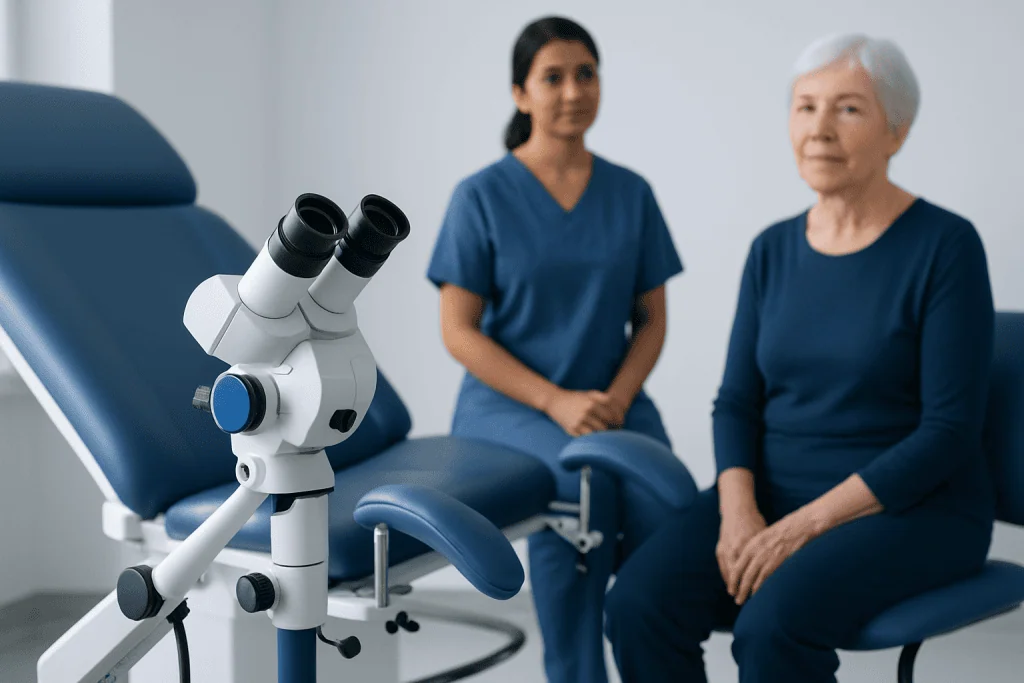
The symptoms that lead someone to consider sacrocolpopexy can vary. Many patients describe a feeling of heaviness or pressure in the pelvis, a bulge at the vaginal opening, or the sensation that something is “falling out.” These symptoms may become more noticeable after standing for a long time, lifting, exercising, or at the end of the day.
Pelvic organ prolapse can also affect nearby organs. Some people have urinary urgency, leakage, difficulty starting urination, incomplete bladder emptying, or repeated urinary tract symptoms. Others notice constipation, the need to press on the vagina or perineum to pass stool, or discomfort during sexual activity. Not every symptom is caused by prolapse alone, which is why careful assessment matters.
Sacrocolpopexy is often discussed for people with vaginal vault prolapse, especially after hysterectomy, and for some with uterine prolapse when long-lasting support is desired. It may also be considered in those with recurrent prolapse after previous surgery. However, the best treatment depends on age, general health, prior operations, future pregnancy plans, sexual activity, symptom pattern, and personal preference.
A specialist may compare sacrocolpopexy with other prolapse repairs and explain whether treatment for related bladder problems is also needed. For patients who also have urine leakage, an assessment may include whether a separate procedure for urinary incontinence treatment could be helpful at the same time or later.
Causes, risk factors, and how prolapse develops
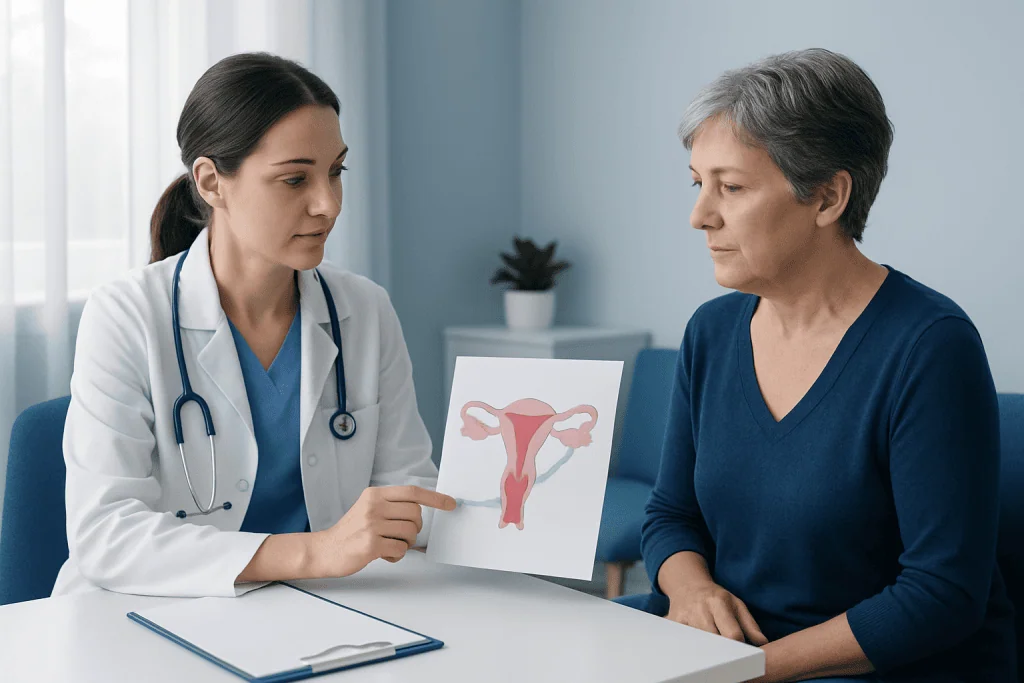
Pelvic organ prolapse develops when the muscles, ligaments, and connective tissues that support the pelvic organs become stretched or weakened. This support system can change gradually over many years. Pregnancy and vaginal childbirth are common contributors because they place pressure on the pelvic floor and may injure supportive tissues.
Other risk factors include aging, menopause, chronic constipation, repeated heavy lifting, long-term cough, obesity, and previous pelvic surgery such as hysterectomy. Some patients may also have an inherited tendency toward weaker connective tissue. Usually, prolapse is caused by a combination of these factors rather than a single event.
Not everyone with risk factors develops symptoms, and not every prolapse requires surgery. Mild prolapse may cause little or no discomfort and can sometimes be managed with observation or non-surgical measures. What matters most is whether the prolapse causes symptoms and how much it affects quality of life.
Since pelvic floor disorders often overlap, the doctor may also look for conditions such as kidney stones or other urinary problems if symptoms suggest them, although these are different conditions with different causes. A thorough evaluation helps separate prolapse-related symptoms from other pelvic or urinary concerns.
How doctors diagnose prolapse before sacrocolpopexy
Diagnosis begins with a detailed medical history and pelvic examination. The clinician asks about pressure, bulging, bladder and bowel function, sexual symptoms, previous surgeries, childbirth history, and how symptoms change during daily activities. This discussion helps clarify whether surgery is likely to improve the problems the patient is experiencing.
The pelvic exam often includes checking prolapse while the patient is lying down and sometimes while straining or coughing. Doctors may use a standardized system to describe how far the pelvic organs have descended. This is useful for planning treatment and for discussing whether the prolapse mainly affects the front wall of the vagina, the back wall, the top of the vagina, the uterus, or several areas at once.
Additional testing is sometimes needed, especially when bladder symptoms are prominent. This may include urinalysis, measurement of post-void residual urine, bladder function tests, or imaging in selected cases. If symptoms suggest complex pelvic floor problems, patients may be referred to specialists in urology or urogynecology for a more complete assessment.
Good diagnosis also includes discussing goals and expectations. Some patients mainly want relief from the bulge sensation, while others are equally concerned about urinary leakage, sexual function, or avoiding future recurrence. These priorities help guide whether sacrocolpopexy is the right procedure and whether additional treatments should be combined with it.
Treatment options and what happens during surgery
Treatment for pelvic organ prolapse ranges from observation to surgery. If symptoms are mild, some patients choose watchful waiting with follow-up. Non-surgical options can include pelvic floor physical therapy, bowel and bladder habit changes, weight management, and a pessary. These measures do not remove prolapse permanently, but they can reduce symptoms and may delay or avoid surgery for some people.
When symptoms are moderate to severe, sacrocolpopexy may offer a durable repair. It can be performed through open abdominal surgery, laparoscopic surgery, or robotic-assisted surgery. In general, minimally invasive approaches use smaller incisions and may allow faster recovery, but the most suitable method depends on anatomy, prior operations, the surgeon’s expertise, and overall health.
During sacrocolpopexy, the surgeon places a strip of mesh or another support material to connect the top of the vagina to the sacrum. If the uterus is still present, the surgery may preserve it in selected cases or may be combined with hysterectomy. If prolapse affects other compartments of the pelvis, additional repairs may be done during the same operation. For some patients, the procedure is part of broader robotic surgery planning.
As with any operation, there are potential risks, including bleeding, infection, injury to nearby organs, pain, constipation, urinary problems, blood clots, recurrence of prolapse, or mesh-related complications in selected cases. A surgeon should explain the expected benefits, alternatives, and possible risks in a balanced way so the patient can make an informed decision.
Recovery, self-care, and long-term prevention
Recovery after sacrocolpopexy varies by the surgical approach and the patient’s general health. Many people need several weeks before they feel ready for normal routines, and full healing may take longer. Common short-term experiences include tiredness, temporary pelvic discomfort, and changes in bowel or bladder habits that usually improve as healing progresses.
After surgery, patients are typically advised to avoid heavy lifting, straining, and vaginal intercourse for a period recommended by their surgeon. Walking is often encouraged early because it supports circulation and recovery. Good hydration, a fiber-rich diet, and stool-softening strategies can help reduce constipation and protect the repair.
Long-term pelvic floor care still matters after successful surgery. Steps that may lower strain on the pelvic floor include maintaining a healthy weight, treating chronic cough, avoiding repeated heavy lifting when possible, and managing constipation. Pelvic floor rehabilitation may also be recommended to improve support and function over time.
Follow-up visits are important so the team can check healing, address symptoms, and discuss a safe return to activity. Near the end of care planning, some patients choose evaluation in centers experienced in complex pelvic surgery; Acibadem International’s multidisciplinary specialists in JCI-accredited hospitals diagnose and treat this condition for international patients when advanced assessment or surgery is needed.
When to seek medical care
Medical advice is appropriate if a patient notices a persistent vaginal bulge, pelvic pressure, difficulty emptying the bladder, recurrent urinary symptoms, bowel difficulty linked to pelvic pressure, or discomfort that interferes with daily life. These symptoms are often treatable, and early assessment can help clarify whether the problem is prolapse or another condition.
Prompt medical attention is especially important if there is severe pain, fever, inability to urinate, heavy vaginal bleeding, new leg swelling, chest pain, or shortness of breath after surgery. These symptoms do not always mean a serious complication, but they should be assessed quickly.
Patients should also contact their doctor if prolapse symptoms worsen suddenly, if a pessary becomes uncomfortable or difficult to manage, or if urinary leakage appears after prolapse is reduced. For people considering surgery, consultation with an experienced pelvic floor specialist helps match treatment to symptoms, anatomy, and personal goals.
Seeking care is not only about deciding on an operation. A proper evaluation may show that lifestyle measures, pelvic floor therapy, or another treatment plan is the better next step. The most helpful decision is usually the one based on a clear diagnosis and an individualized discussion of options.
Frequently asked questions
Is sacrocolpopexy a major surgery?
Sacrocolpopexy is a significant pelvic operation, but it is commonly performed and can often be done with minimally invasive techniques such as laparoscopy or robotic assistance. Whether it feels like major surgery to a patient depends on the approach used, overall health, and whether other procedures are done at the same time.
How long does recovery from sacrocolpopexy take?
Many patients start feeling better over several weeks, but full healing can take longer. Doctors usually advise avoiding heavy lifting and vaginal intercourse for a period of time to protect the repair, and follow-up appointments help guide a safe return to normal activities.
Can prolapse come back after sacrocolpopexy?
Yes, prolapse can recur after any repair, although sacrocolpopexy is often chosen because it can provide durable support. The chance of recurrence depends on factors such as tissue strength, previous surgeries, chronic straining, weight, and the pattern of prolapse.
Does sacrocolpopexy use mesh?
In many cases, yes. Sacrocolpopexy often uses a surgical mesh placed through the abdomen to support the vagina, which is different from older vaginal mesh procedures that received widespread attention. A surgeon should explain the material being used, its purpose, and the possible benefits and risks for the individual patient.
Will sacrocolpopexy help bladder symptoms?
It may improve some bladder symptoms related to prolapse, especially if the prolapse is affecting bladder emptying or causing pressure. However, not all urinary symptoms come from prolapse, so separate testing or treatment may be needed for urgency or stress incontinence.
Are there alternatives to sacrocolpopexy?
Yes. Alternatives can include pelvic floor physical therapy, pessary use, watchful waiting, and other surgical repairs done through the vagina or abdomen. The best option depends on symptom severity, anatomy, medical history, and the patient’s preferences.
References
- American College of Obstetricians and Gynecologists
- National Institute of Diabetes and Digestive and Kidney Diseases
- American Urogynecologic Society
- National Health Service
- Mayo Clinic
This article is for general information only and is not a substitute for professional medical advice. Please consult a qualified doctor about your individual situation.
Persistent digestive symptoms? Get evaluated in Turkey
JCI-accredited · board-certified surgeons · reply within 24h