Broken Jaw: A Complete Medical Overview
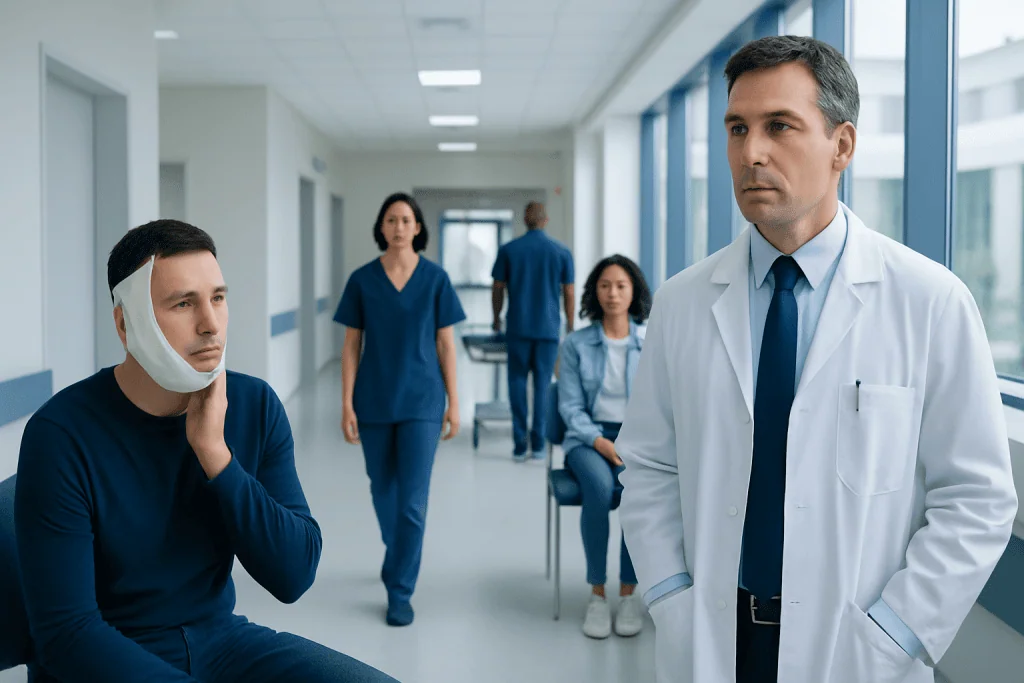
A broken jaw usually happens after facial trauma and may cause pain, swelling, trouble chewing, and a changed bite. Problems with breathing, heavy bleeding, severe swelling, or an inability to close the mouth need urgent care.
Key Takeaways
- A broken jaw usually happens after facial trauma and may cause pain, swelling, trouble chewing, and a changed bite.
- Problems with breathing, heavy bleeding, severe swelling, or an inability to close the mouth need urgent care.
- Diagnosis typically involves a physical exam and imaging such as X-rays or CT scans.
- Treatment depends on how severe the fracture is and may include pain control, a soft diet, jaw stabilization, or surgery.
- Following aftercare instructions is important to support healing and reduce complications.
A broken jaw is a fracture of the lower jawbone, usually caused by trauma, that can affect pain, speech, eating, and the way the teeth fit together. Prompt medical evaluation helps protect the airway, confirm the injury, and guide treatment for proper healing.
Overview
A broken jaw, also called a mandibular fracture, is a break in the lower jawbone. It is different from a dislocated jaw, where the joint moves out of place without the bone necessarily breaking. Because the lower jaw plays a central role in speaking, chewing, swallowing, and maintaining the bite, this injury should be assessed promptly by a qualified doctor.
Broken jaw injuries most often happen after direct trauma to the face. Common causes include falls, sports injuries, road traffic accidents, workplace trauma, and physical assault. The force of the injury may cause a simple crack in one area or multiple breaks that affect alignment and stability.
The effects of a broken jaw vary from person to person. Some people mainly notice pain and swelling, while others have a visible change in the shape of the jaw, numbness, or difficulty opening and closing the mouth. A careful evaluation helps distinguish a fracture from severe bruising, dental injury, or related facial trauma such as facial trauma.
Symptoms and Signs
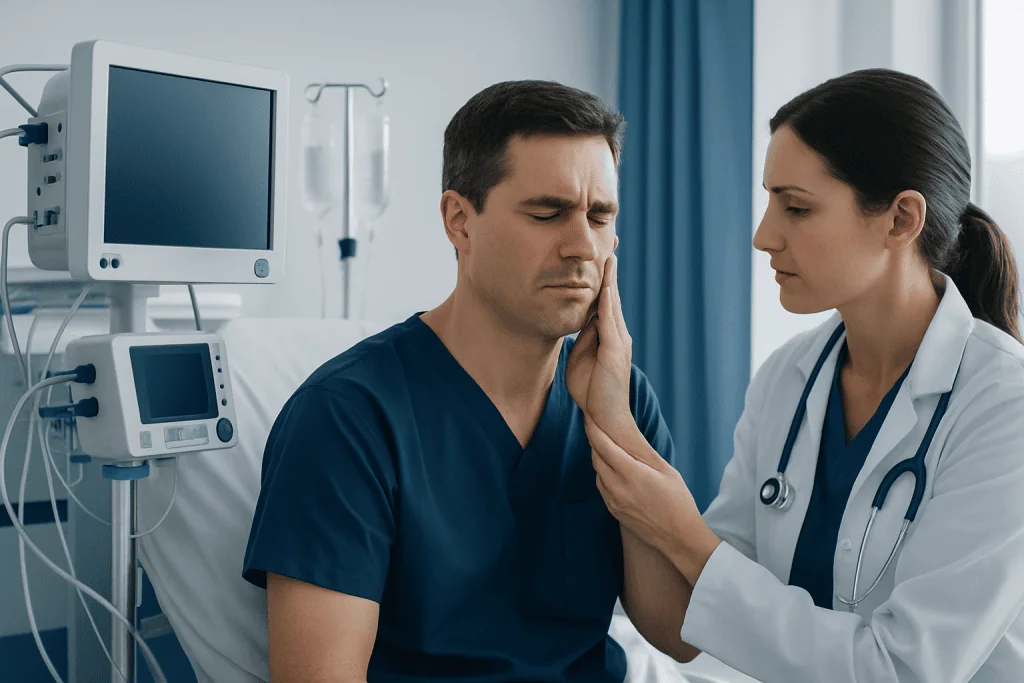
The symptoms of a broken jaw often begin immediately after the injury, although swelling can make them more noticeable over the next several hours. Pain is usually felt in the jaw, chin, or area near the ears, and it often becomes worse with talking, chewing, or trying to open the mouth wide.
One of the most important clues is a change in the bite. People may feel that the upper and lower teeth no longer meet normally, or that the jaw shifts when they try to close the mouth. This can suggest that the broken parts of the bone are no longer lined up properly.
Other symptoms may include:
- Swelling or bruising of the jaw, face, or gums
- Tenderness over the jawbone
- Difficulty opening the mouth fully
- Loose, broken, or displaced teeth
- Bleeding inside the mouth
- Numbness of the lower lip or chin
- Clicking, grinding, or an abnormal feeling with jaw movement
- Speech changes or drooling due to pain or poor jaw control
Not every jaw injury is a fracture, but severe pain, a changed bite, or numbness after trauma should not be ignored. In some cases, a broken jaw occurs together with a jaw dislocation, which can add difficulty closing the mouth and may require separate treatment.
Causes and Risk Factors
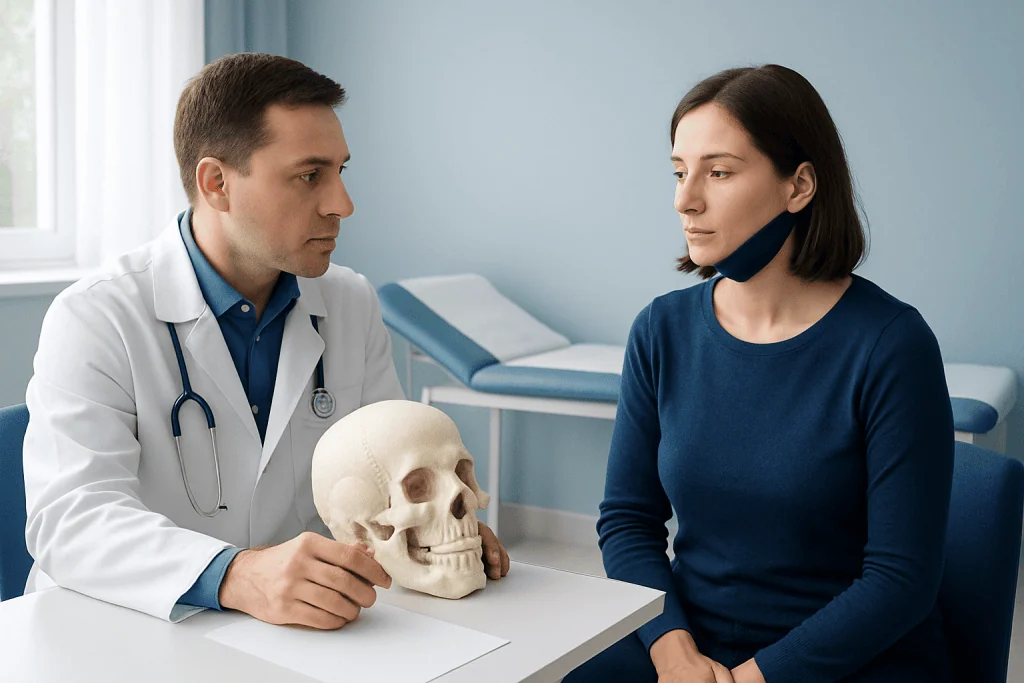
A broken jaw is usually caused by significant force applied to the lower face. Motor vehicle collisions are a classic cause, but many fractures also happen during contact sports, cycling accidents, falls at home, and blows to the face. The location and pattern of the fracture often reflect the direction and strength of the impact.
Certain factors can raise the risk of jaw fracture or make injury more severe. These include not using protective equipment during sports, riding without a helmet, alcohol use associated with accidents, and activities with a higher chance of facial trauma. Older adults may be more vulnerable to injury from falls, while younger adults may be more likely to experience sports- or assault-related trauma.
Dental and bone health can also influence outcomes. Missing teeth, previous jaw surgery, or underlying bone weakness may affect how the force is distributed through the jaw. Although a fracture can happen in an otherwise healthy jaw, people with poor bone quality or certain medical conditions may have a more complex recovery.
Diagnosis
Diagnosis starts with a medical history and physical examination. The doctor will ask how the injury happened, whether there was loss of consciousness, and what symptoms are present. They will check the alignment of the teeth, inspect the mouth for cuts or bleeding, look for swelling or deformity, and gently feel the jaw for tenderness or movement that should not be there.
Because the jaw is close to the airway and is part of a broader facial structure, evaluation also focuses on breathing, swallowing, and other possible injuries. If the person has head, neck, or facial trauma, the medical team may assess several areas at once. In more complex cases, maxillofacial surgery assessment may be part of the care pathway.
Imaging is usually needed to confirm the diagnosis and show exactly where the fracture is located. X-rays may be used for straightforward injuries, but CT scans are often preferred because they provide more detailed views of the jaw and nearby bones. Imaging helps guide whether the jaw can heal with conservative support or whether stabilization or surgery is more appropriate.
Treatment Options
Treatment for a broken jaw depends on the type of fracture, whether the bone is displaced, whether teeth are injured, and whether the person can maintain a safe airway and adequate nutrition. The goals are to control pain, restore normal bite and jaw function, and allow the bone to heal in proper alignment.
For some stable fractures, treatment may be conservative. This can include pain relief, a soft or liquid diet, rest for the jaw, and close follow-up. Doctors may recommend limiting wide mouth opening and avoiding hard or chewy foods while healing is monitored. If there are cuts inside the mouth or an open fracture, antibiotics and wound care may also be needed.
More significant fractures may require stabilization. This can involve devices that help keep the jaw aligned while healing, or an operation to reposition and secure the bone with plates and screws. In selected cases, oral and maxillofacial surgery is used to restore alignment and protect long-term function. If teeth are damaged, dental treatment may also be needed as part of recovery.
After treatment, follow-up is important to check healing, bite position, pain control, and mouth opening. Recovery time varies with the severity of the injury, age, overall health, and whether surgery was needed. People should follow all medical instructions carefully and ask before returning to sports, strenuous work, or activities that risk another facial injury.
Recovery, Self-Care, and Prevention
Healing from a broken jaw usually requires patience and consistent self-care. During recovery, many people need a soft or liquid-based diet for a period of time to reduce stress on the jaw. Good hydration and balanced nutrition are important because eating may be less comfortable than usual.
Oral hygiene also matters. Keeping the mouth clean can lower the risk of infection, especially if there are cuts inside the mouth or if devices have been used to stabilize the jaw. Doctors may advise gentle rinsing, careful tooth brushing, and avoiding tobacco, which can impair healing.
People should take prescribed medicines only as directed and attend follow-up appointments. They should not try to force the jaw open or test chewing strength too early. In some cases, guided jaw exercises or rehabilitation are introduced later to improve movement after the bone has healed enough.
Prevention focuses mainly on reducing facial trauma. Useful steps include wearing seat belts, using helmets for cycling and similar activities, wearing mouthguards and face protection in contact sports, improving home safety to reduce falls, and seeking support when interpersonal violence is a concern.
When to Seek Medical Care
Any suspected broken jaw should be assessed by a medical professional, especially after a significant hit to the face. Prompt care can help detect problems with alignment, bleeding, damaged teeth, or associated facial injuries before they lead to more difficult treatment later.
Urgent or emergency care is especially important if there is trouble breathing, heavy bleeding, severe swelling, loss of consciousness, repeated vomiting, inability to swallow saliva, or a jaw that cannot be opened or closed. These symptoms can signal a more serious injury or an airway risk.
A person should also seek medical attention if the bite feels different, a tooth becomes loose after trauma, there is numbness in the lower lip or chin, or pain and swelling are getting worse instead of better. Multidisciplinary specialists at Acibadem International, in JCI-accredited hospitals, diagnose and treat jaw injuries for international patients when advanced imaging, surgical care, or coordinated follow-up is needed.
Frequently asked questions
How can someone tell if a broken jaw is different from a bruised jaw?
A bruised jaw can cause pain and swelling, but a broken jaw is more likely to cause a changed bite, numbness, difficulty moving the jaw, or abnormal movement of the bone. Because these injuries can look similar at first, imaging and a medical examination are often needed to confirm the diagnosis.
Is a broken jaw always an emergency?
A broken jaw should always be medically assessed, but not every case is a life-threatening emergency. It becomes urgent if there is trouble breathing, heavy bleeding, severe swelling, inability to swallow, or signs of head or neck injury.
Can a broken jaw heal on its own?
Some stable fractures can heal with conservative care, but they still need medical supervision to make sure the bones remain aligned and the bite stays normal. Untreated fractures may heal poorly and lead to long-term pain, chewing problems, or facial asymmetry.
How long does it take for a broken jaw to heal?
Healing time varies depending on the severity of the fracture, the person's overall health, and whether surgery was needed. Many people need several weeks for bone healing, followed by additional time for swelling, stiffness, and normal jaw function to improve.
What foods are usually recommended during recovery from a broken jaw?
Doctors commonly advise soft foods or liquids that do not require strong chewing, especially early in recovery. Suitable choices may include soups, yogurt, smoothies, mashed foods, and other nutrient-rich options that are easy to swallow.
Can a broken jaw affect the teeth or cause numbness?
Yes. A jaw fracture can damage teeth, change how the teeth fit together, or affect nearby nerves. Numbness of the lower lip or chin can happen when the nerve in the lower jaw is irritated or injured, and this should be assessed by a doctor.
References
- American Association of Oral and Maxillofacial Surgeons
- American Academy of Otolaryngology–Head and Neck Surgery
- National Institute of Dental and Craniofacial Research
- Mayo Clinic
- MedlinePlus
This article is for general information only and is not a substitute for professional medical advice. Please consult a qualified doctor about your individual situation.
Joint and spine care in Turkey — expert assessment & treatment
JCI-accredited · board-certified surgeons · reply within 24h