Selling Plasma: What Patients Need to Know

Selling plasma refers to compensated plasma donation, usually at specialized collection centers. People must meet age, weight, health, and screening requirements before donating.
Key Takeaways
- Selling plasma refers to compensated plasma donation, usually at specialized collection centers.
- People must meet age, weight, health, and screening requirements before donating.
- Common short-term effects include tiredness, bruising, lightheadedness, and dehydration.
- Frequent donation may not be appropriate for people with certain health conditions or low protein, low iron, or poor vein access.
- Anyone with persistent symptoms after donation should seek medical advice.
Selling plasma usually means receiving compensation for donating plasma at a licensed collection center. For many healthy adults it can be done safely, but eligibility rules, possible side effects, and personal medical history all matter.
Overview: what selling plasma means
Selling plasma generally means donating plasma at a regulated center in exchange for compensation. Plasma is the liquid part of blood, and it carries proteins, antibodies, clotting factors, and other substances the body needs. Collected plasma may be used to make important medical products for patients with immune deficiencies, bleeding disorders, burns, and other serious conditions.
During plasma donation, a machine removes blood, separates the plasma, and returns the red blood cells and some other components to the donor. This process is called plasmapheresis. It is different from standard whole-blood donation, and it usually takes longer because the blood is processed through specialized equipment.
For many healthy adults, selling plasma can be safe when it is done at a properly licensed center that follows donor screening and infection-control standards. Even so, it is not suitable for everyone. A person’s overall health, medications, hydration, nutrition, vein health, and donation frequency can all affect whether plasma donation is appropriate.
How plasma donation works and why screening matters
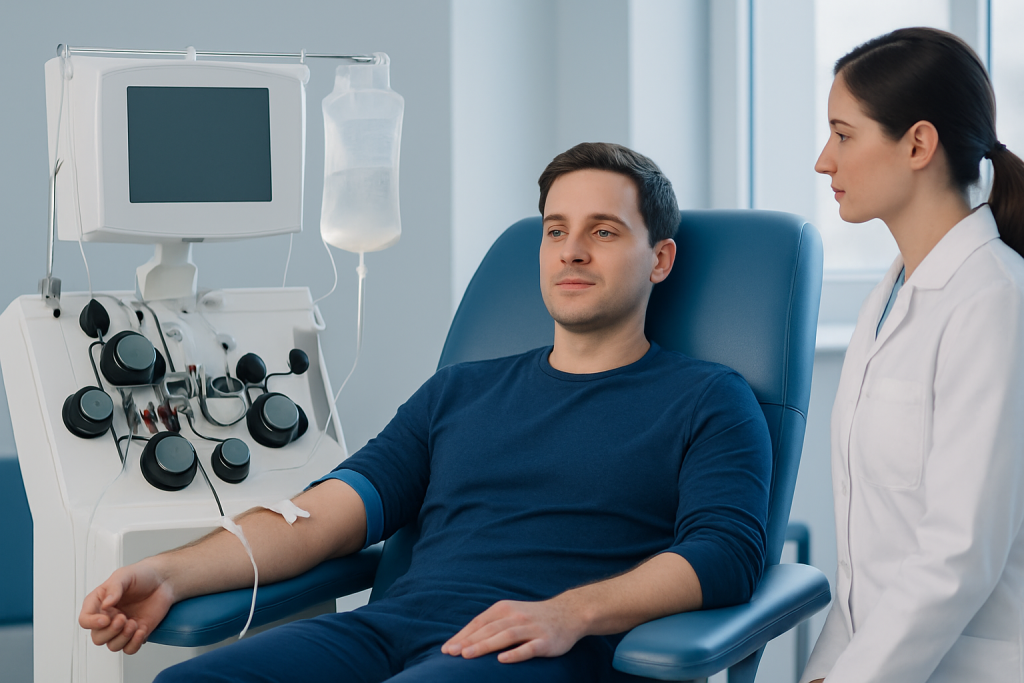
Before donation, the center usually reviews identity, medical history, travel history, and recent symptoms. Staff also check basic health measures such as temperature, pulse, blood pressure, weight, and a small blood sample to assess factors like protein or hemoglobin levels. These checks help protect both the donor and the people who may eventually receive plasma-derived treatments.
If a person is eligible, a needle is placed into a vein, usually in the arm. Blood passes through the machine, plasma is collected, and the remaining components are returned to the body with a small amount of fluid. Many people feel well during the procedure, but some may feel cold, tired, or briefly lightheaded.
Screening matters because some medical conditions can increase risk during or after donation. People with a history of significant anemia, fainting, certain heart conditions, active infection, recent surgery, uncontrolled high blood pressure, or poor vein access may need to postpone donation or avoid it altogether. In some cases, doctors may also look more closely at blood-related problems such as anemia.
Who may be able to donate and who may need to wait

Eligibility rules vary by country and center, but plasma donors generally need to meet minimum age and weight requirements, feel well on the day of donation, and pass medical screening. The center may ask about recent illness, pregnancy, vaccination, travel, tattoos or piercings, medications, and past medical conditions. People should answer these questions honestly, even if they feel healthy, because some issues only become clear through screening.
A temporary delay is common after a fever, infection, dental procedure, surgery, or recent blood donation. Some medications may also affect eligibility, depending on why they are prescribed and whether they could affect donor safety or plasma quality. People taking blood thinners, living with uncontrolled chronic disease, or recovering from a major illness should speak with a doctor before considering donation.
Certain health concerns deserve extra caution. These include recurrent fainting, severe dehydration, low body weight, untreated nutritional deficiency, active skin infection at the needle site, or a bleeding disorder. Individuals with known problems affecting clotting or platelets may need evaluation for a condition such as hemophilia or other blood disorders before any blood-product donation is considered.
Possible side effects and risks
Most side effects from plasma donation are mild and short-lived. Common problems include bruising at the needle site, mild pain, tiredness, thirst, and brief dizziness. Some people feel weak afterward, especially if they have not eaten well, are dehydrated, or are sensitive to needle procedures.
Less commonly, a donor may experience fainting, nausea, prolonged bleeding from the puncture site, or irritation caused by the anticoagulant used during plasmapheresis. This may lead to tingling around the mouth, chills, muscle cramps, or a general sense of feeling unwell during the procedure. Staff are trained to stop the donation and provide immediate support if this happens.
Frequent donation can also affect the body’s protein balance, iron stores, or overall energy in some people. This does not happen to everyone, but it is one reason regular screening is important. If a person repeatedly feels unwell after donation, develops persistent fatigue, or notices easy bruising or paleness, medical evaluation may be needed and may include tests such as blood tests.
- Common: bruising, fatigue, thirst, lightheadedness
- Occasional: fainting, nausea, tingling, prolonged bleeding
- Reasons to stop and seek advice: repeated poor tolerance, delayed recovery, new symptoms after donation
How to prepare and recover safely
Good preparation can reduce the chance of side effects. Donors are usually advised to sleep well, drink enough fluids, eat regular balanced meals, and avoid arriving on an empty stomach. Wearing clothing with sleeves that can be easily rolled up may also make the process smoother.
After donation, it is sensible to rest briefly, drink water, and eat a snack if one is offered or available. Heavy lifting and strenuous exercise are often best avoided for the rest of the day, especially if the arm feels sore or if there was any lightheadedness. People should also keep the dressing on the needle site for the time recommended by staff and watch for continued bleeding or significant swelling.
Nutrition matters over time, especially for people who donate more than once. A balanced diet with adequate protein, iron, and fluids supports recovery. If there are concerns about low iron, recurrent tiredness, or nutritional problems, a clinician may suggest evaluation and personalized advice rather than continuing to donate without review.
When selling plasma may not be the best choice
Even if a person technically meets basic eligibility rules, plasma donation may still be a poor fit for some individuals. Those with chronic fatigue, unstable medical conditions, difficult venous access, frequent migraines triggered by dehydration, or a history of strong reactions to needles may find the process too physically demanding. In these cases, protecting personal health should come first.
People with kidney disease, uncontrolled diabetes, severe heart disease, active autoimmune disease, or significant nutritional deficiency should not assume plasma donation is safe simply because they feel reasonably well on a given day. A physician can help weigh possible risks and decide whether donation is appropriate. If there are concerns about dehydration, circulation, or fainting, a broader medical review may be more useful than repeated attempts to donate.
Sometimes, symptoms that appear after donation are not caused by donation itself but reveal an underlying health issue. Ongoing weakness, shortness of breath, chest discomfort, or unexplained bruising should not be ignored. Depending on the situation, doctors may use tests such as a general medical check-up or more specific assessments to look for the cause.
When to seek medical care
Most people feel back to normal within a short time after donating plasma. Medical care should be sought promptly if there is persistent dizziness, fainting, chest pain, trouble breathing, severe arm pain, major swelling, signs of infection at the needle site, or bleeding that does not stop with pressure. These symptoms are uncommon, but they deserve attention.
A doctor should also be consulted if a person experiences ongoing tiredness, repeated headaches after donation, marked paleness, frequent bruising, or symptoms that return after each session. These may suggest dehydration, low iron, low protein, or another medical issue that needs evaluation. In some cases, assessment by specialists in hematology care may be appropriate.
For international patients who need evaluation of blood-related symptoms or medical clearance questions, Acibadem International’s multidisciplinary specialists and JCI-accredited hospitals diagnose and treat a wide range of related conditions. The most important step, however, is to seek care from a qualified clinician whenever symptoms are persistent, concerning, or unexplained.
Frequently asked questions
Is selling plasma the same as donating blood?
No. Selling plasma usually refers to compensated plasma donation using plasmapheresis, while blood donation often refers to donating whole blood. Plasma donation takes longer because the blood is separated and some components are returned to the donor.
Is selling plasma safe?
For many healthy adults, plasma donation is generally safe when it is done at a regulated center with proper screening. Mild side effects such as tiredness, bruising, or lightheadedness can still happen. Safety depends on overall health, donation frequency, and whether the donor follows preparation and recovery advice.
Who should avoid selling plasma?
People with active illness, significant anemia, dehydration, uncontrolled chronic disease, bleeding problems, or frequent fainting may need to avoid or delay donation. Pregnancy, recent surgery, certain medications, or recent infection can also affect eligibility. A doctor can help if there is uncertainty.
Can selling plasma make a person weak?
Some people feel temporarily tired or weak after donation, especially if they did not hydrate well or eat beforehand. Usually this improves with rest, fluids, and food. Repeated or prolonged weakness should be medically assessed.
How often can a person sell plasma?
The allowed frequency depends on local regulations and the center’s rules. Centers set limits to help protect donor health and plasma quality. Even if frequent donation is permitted, it may not be suitable for every individual.
What should a person do before donating plasma?
It helps to sleep well, drink enough fluids, and eat a balanced meal before the appointment. Avoiding donation when ill, feverish, or poorly hydrated is also important. If there are medical conditions or regular medications, the donor should mention them during screening.
References
- U.S. Food and Drug Administration
- American Red Cross
- AABB
- World Health Organization
- National Heart, Lung, and Blood Institute
This article is for general information only and is not a substitute for professional medical advice. Please consult a qualified doctor about your individual situation.
Explore treatments in Turkey — costs, top hospitals & a free quote
JCI-accredited · board-certified surgeons · reply within 24h
Check your numbers in seconds
BMI, calories, due date, blood pressure and 30+ more clinical calculators — free, instant, doctor-reviewed ranges.