Bullae — Explained by Medical Evidence, Not Myths

Bullae are blisters larger than 5 millimeters and can develop from irritation, burns, infection, or inflammatory skin disease. They should not usually be popped at home because the overlying skin helps protect against infection.
Key Takeaways
- Bullae are blisters larger than 5 millimeters and can develop from irritation, burns, infection, or inflammatory skin disease.
- They should not usually be popped at home because the overlying skin helps protect against infection.
- Diagnosis focuses on the appearance, location, symptoms, and possible triggers, and sometimes includes swabs, blood tests, or a skin biopsy.
- Treatment depends on the cause and may include wound care, dressings, medicines, or specialist treatment for an underlying condition.
- Medical care is especially important if bullae are painful, widespread, infected, recurring, or involve the mouth, eyes, or genitals.
Bullae are large, fluid-filled blisters that form when the top layers of skin separate and fill with clear fluid, blood, or pus. They are a sign rather than a disease itself, so proper care depends on identifying the underlying cause, which may range from friction and burns to infection or autoimmune skin conditions.
What bullae are and why they form
Bullae are large fluid-filled blisters that appear when layers of the skin separate and fluid collects in the space between them. In simple terms, they are bigger than ordinary blisters. A bulla may contain clear fluid, blood, or, if infection is present, cloudy or yellow fluid. The skin over the blister can feel tight and tender, and the area around it may look red or irritated.
Importantly, bullae are not a diagnosis on their own. They are a visible sign that the skin has been damaged or affected by another process. Common triggers include rubbing, burns, allergic reactions, infection, and certain immune-related skin disorders. Because the causes vary widely, the best treatment is not simply to cover the blister, but to understand why it appeared.
Bullae can form anywhere on the body, but they are often seen on the feet, hands, arms, legs, or areas exposed to heat or friction. In some people, they occur as a one-time event after a clear injury. In others, repeated or unexplained bullae may point to a skin condition that needs medical attention, such as pemphigus vulgaris.
What bullae look and feel like
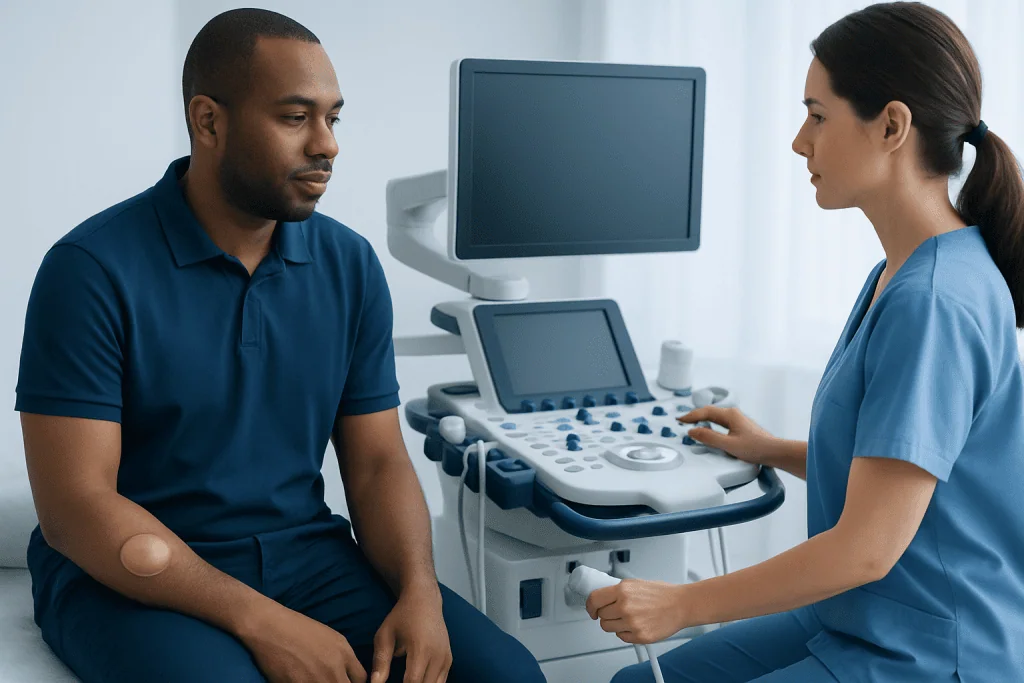
A bulla usually appears as a raised pocket of fluid under the skin. It may be round or irregular in shape and can range from mildly uncomfortable to quite painful, depending on the cause and location. If the roof of the blister stays intact, it can protect the skin underneath while healing begins. If it breaks, the exposed skin may feel sore and become more vulnerable to infection.
Symptoms vary. Some bullae are associated only with local irritation, while others come with itching, burning, redness, swelling, fever, or a general feeling of illness. Bullae caused by friction often develop on pressure points, such as the heels. Burn-related bullae may appear after contact with heat, steam, chemicals, or sun exposure. Autoimmune or inflammatory causes may produce fragile blisters, widespread rash, or sores in the mouth.
Possible features include:
- Large, fluid-filled blisters on the skin
- Pain, tenderness, or burning
- Itching or surrounding redness
- Clear, bloody, or cloudy fluid inside the blister
- Raw skin if the blister breaks
- Signs of infection, such as warmth, pus, or worsening redness
Because appearance alone does not always reveal the cause, similar-looking bullae can require very different treatments. For that reason, persistent, unusual, or widespread blistering should be assessed by a qualified doctor.
Common causes and risk factors

The most familiar cause of bullae is physical damage to the skin. Repeated rubbing from shoes, sports equipment, or manual work can create enough shear force to separate the upper skin layers. Heat and burns are another common cause, including scalds, hot surfaces, sunburn, and chemical exposure. In these situations, the bulla is part of the skin’s response to injury.
Bullae can also develop because of medical conditions. Skin infections, including bacterial or viral infections, may produce blistering. Contact dermatitis, eczema, or drug reactions can cause inflamed skin with blisters. Some people develop bullae due to autoimmune blistering disorders, in which the immune system attacks structures that normally hold the skin together. Examples include bullous pemphigoid and pemphigus.
Certain factors make bullae more likely or more serious:
- Poorly fitting footwear or repetitive friction
- Burns from heat, sunlight, chemicals, or electricity
- Skin infections
- Allergies or irritant exposure
- Autoimmune skin disease
- Diabetes or reduced sensation in the feet
- Older age and more fragile skin
- Some medications associated with blistering reactions
People with diabetes, poor circulation, or nerve damage should take blisters seriously, especially on the feet. Even a seemingly minor bulla can progress to skin breakdown or infection if pressure continues or healing is impaired.
How doctors diagnose bullae
Diagnosis begins with a careful history and skin examination. A doctor will usually ask when the blister appeared, whether it is painful or itchy, whether there was friction or a burn, and whether other symptoms are present. The location, size, number, and fragility of the bullae can provide important clues. A recent new medication, exposure to chemicals, or a history of skin disease may also help narrow the cause.
When the cause seems straightforward, such as friction or a minor burn, additional testing may not be needed. If infection is suspected, a sample may be taken for laboratory testing. If the bullae are recurrent, widespread, unexplained, or involve the mouth or other mucous membranes, the doctor may recommend blood tests or a skin biopsy. A biopsy can help identify autoimmune blistering disorders and guide treatment.
Some patients may need assessment by a dermatologist, wound care specialist, or another clinician depending on the pattern and severity. In selected cases, diagnostic support may include a skin biopsy to examine tissue changes under the microscope. Accurate diagnosis matters because treatment for a simple blister is very different from treatment for infection, severe drug reactions, or autoimmune disease.
Treatment options and skin care
Treatment depends on the cause, the size of the bullae, and whether the skin is intact. In many uncomplicated cases, the first goals are to protect the blister, reduce friction, and keep the area clean. The roof of the blister is often best left in place because it acts as a natural dressing. Covering the area with a clean, non-stick dressing can help prevent further damage.
If a bulla is very large, painful, tense, or likely to rupture in an awkward place, a clinician may drain it in a sterile way while preserving the overlying skin when possible. Home popping is generally discouraged because it increases the risk of infection and delays healing. Broken bullae require gentle cleansing and appropriate dressings. Ongoing wound management may involve wound care support, especially for foot blisters, burns, or fragile skin.
Specific treatment may include:
- Protective dressings and pressure relief
- Topical treatments for inflammation or itching
- Antibiotics if a bacterial infection is confirmed or strongly suspected
- Treatment of burns or chemical injuries
- Stopping a triggering medication under medical guidance
- Specialist treatment for autoimmune blistering disorders
When bullae result from an underlying inflammatory or autoimmune condition, management may need dermatology-led care. In some cases, doctors may discuss advanced options such as dermatology treatment or broader planning for the condition responsible for blistering. The best approach is individualized and should be based on a confirmed diagnosis.
Prevention and self-care at home
Prevention focuses on reducing skin injury and managing underlying conditions. For friction-related bullae, well-fitting shoes, moisture-wicking socks, protective padding, and gradual increases in activity can help. Hands can be protected with gloves during repetitive tasks. If heat exposure is a risk, basic burn prevention measures, such as careful handling of hot liquids and sun protection, are important.
At home, bullae should be handled gently. The area can be washed with mild soap and water, then covered with a clean dressing if needed. Pressure and rubbing should be minimized. If the blister breaks, the skin should be kept clean and monitored for signs of infection. Harsh antiseptics, home remedies that irritate the skin, and picking at loose skin are best avoided.
People with conditions that affect healing, especially diabetes, should check their skin regularly and seek help early for foot blisters or wounds. General self-care steps include:
- Wear properly fitting footwear and breathable clothing
- Use protective dressings on areas prone to rubbing
- Avoid known allergens or irritants
- Protect skin from burns and excessive sun exposure
- Manage chronic conditions that affect circulation or healing
- Follow medical advice for any recurring skin disorder
If bullae keep returning or appear without an obvious trigger, self-care alone is not enough. A medical evaluation can help identify whether the skin is reacting to infection, medication, or an immune-related condition.
When to seek medical care
Medical care is recommended if bullae are large, very painful, keep coming back, or appear without a clear cause. Prompt assessment is also important if blistering involves the mouth, eyes, genitals, or large areas of the body. These patterns may suggest a more serious skin disorder that needs timely treatment.
A doctor should also be consulted if there are signs of infection, such as increasing redness, warmth, swelling, pus, fever, or red streaks on the skin. People with diabetes, poor circulation, weakened immunity, or nerve damage should seek advice early even for a small blister, particularly on the feet. Delays can lead to slower healing and a higher risk of complications.
In some situations, coordinated specialist care is helpful to diagnose the cause and plan treatment. Acibadem International’s multidisciplinary specialists and JCI-accredited hospitals diagnose and treat blistering skin conditions for international patients when further evaluation is needed.
Frequently asked questions
Are bullae the same as regular blisters?
Bullae are a type of blister, but they are larger than typical small blisters. In medical use, the term usually refers to fluid-filled blisters bigger than 5 millimeters. The cause can be simple, such as friction, or more complex, such as infection or autoimmune disease.
Should a bulla be popped at home?
In most cases, no. The skin covering the blister helps protect the area underneath from infection and further injury. If a bulla is very painful or under tension, it is safer to ask a healthcare professional whether drainage is appropriate.
Can bullae be a sign of an infection?
Yes, some bullae are caused by bacterial or viral skin infections, and others can become infected after they form. Warning signs include pus, increasing redness, warmth, swelling, or fever. A doctor can decide whether testing or antibiotics are needed.
Do bullae always mean a serious disease?
No. Many bullae are caused by friction, burns, or temporary skin irritation and heal with simple care. However, recurrent, widespread, or unexplained bullae may point to an underlying disorder and should be evaluated.
How long do bullae take to heal?
Healing time depends on the cause, size, location, and whether the blister stays intact. Simple friction or minor burn bullae may improve within days to a couple of weeks. Healing may take longer if there is infection, ongoing pressure, or an underlying skin condition.
When are bullae an emergency?
Urgent medical attention is needed if blistering is widespread, follows a serious burn, affects the eyes or mouth, or is accompanied by fever, severe pain, or rapidly worsening skin changes. People with diabetes or reduced foot sensation should also seek prompt care for foot bullae. These situations can carry a higher risk of complications.
References
- American Academy of Dermatology
- National Health Service
- MedlinePlus
- National Institute of Arthritis and Musculoskeletal and Skin Diseases
- Merck Manual Consumer Version
This article is for general information only and is not a substitute for professional medical advice. Please consult a qualified doctor about your individual situation.
Explore treatments in Turkey — costs, top hospitals & a free quote
JCI-accredited · board-certified surgeons · reply within 24h