

Spinal Stenosis: Leg Pain, Numbness, and Treatment Options
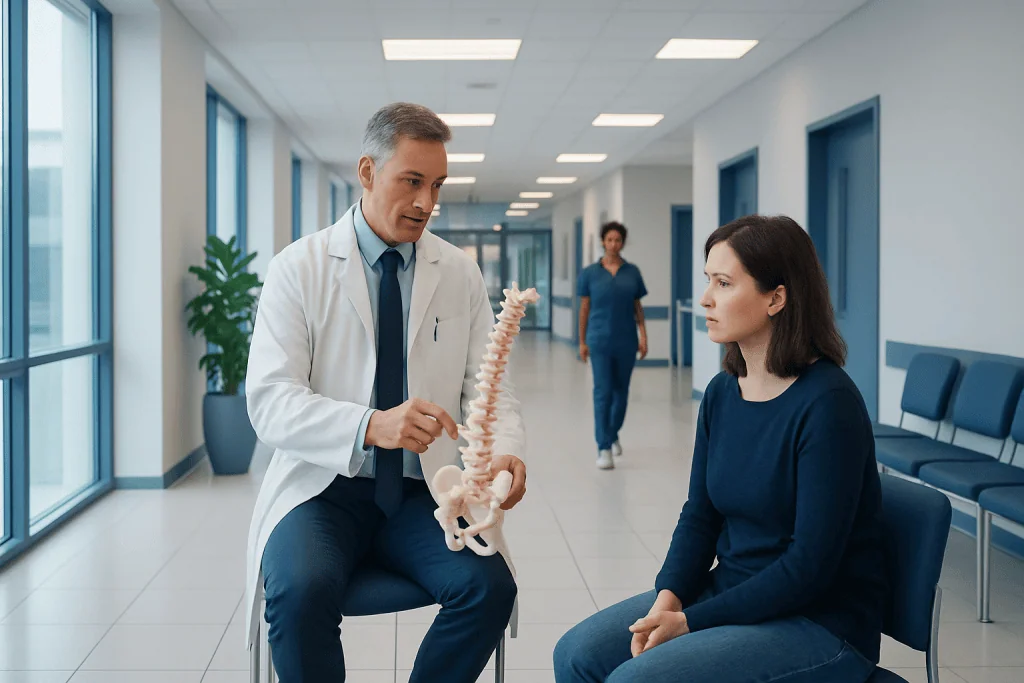
Spinal stenosis most often develops gradually with age-related changes in the spine, especially in the lower back and neck. Common symptoms include leg pain, numbness, tingling, weakness, and difficulty walking or standing for long periods.
Key Takeaways
- Spinal stenosis most often develops gradually with age-related changes in the spine, especially in the lower back and neck.
- Common symptoms include leg pain, numbness, tingling, weakness, and difficulty walking or standing for long periods.
- Diagnosis usually involves a medical history, physical and neurological examination, and imaging such as MRI or CT when needed.
- Treatment may include activity modification, physical therapy, pain-relieving medicines, injections, and, in selected cases, surgery.
- Urgent medical care is needed for new loss of bladder or bowel control, severe weakness, or rapidly worsening numbness.
Spinal stenosis is a narrowing of the spinal canal that can press on nerves and cause back pain, leg pain, numbness, or walking difficulty. Many people improve with non-surgical care, while some need procedures or surgery when symptoms affect daily life or nerve function.
Overview
Spinal stenosis means that the space inside the spine has become narrower. This narrowing can reduce the room available for the spinal cord or the nerve roots that travel from the spine to the arms and legs. When these nerves are irritated or compressed, symptoms such as pain, numbness, tingling, heaviness, or weakness may develop.
The condition can occur in different parts of the spine. Lumbar spinal stenosis affects the lower back and is a common cause of leg pain or walking difficulty in older adults. Cervical spinal stenosis affects the neck and may involve the spinal cord, so symptoms can sometimes include hand clumsiness, balance problems, or changes in walking.
Spinal stenosis often develops slowly over years. Some people have narrowing on imaging scans but few or no symptoms, while others have symptoms that interfere with standing, walking, work, sleep, or daily activities. The goal of care is not only to look at the scan, but to understand how the person’s symptoms, examination findings, and overall health fit together.
Symptoms
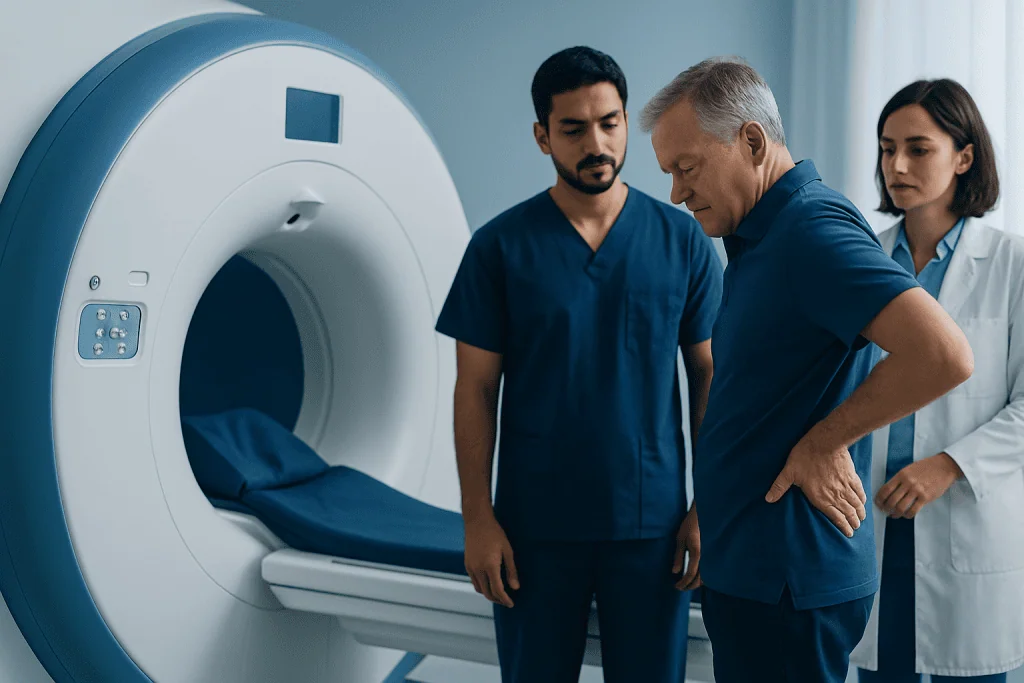
Symptoms depend on where the narrowing occurs and which nerves are affected. In lumbar spinal stenosis, pain may begin in the lower back or buttock and travel into one or both legs. Many people describe aching, cramping, heaviness, numbness, or tingling that worsens when standing or walking and improves when sitting or bending forward.
This walking-related discomfort is sometimes called neurogenic claudication. A person may notice that walking uphill or leaning on a shopping cart is easier than standing upright or walking downhill. Symptoms may vary from day to day and can be influenced by posture, activity level, inflammation, and general physical conditioning.
Possible symptoms of spinal stenosis include:
- Lower back, buttock, thigh, calf, or foot pain
- Numbness, tingling, or a pins-and-needles sensation
- Leg weakness, heaviness, or reduced endurance while walking
- Neck pain with arm symptoms in cervical stenosis
- Hand clumsiness, balance problems, or unsteady walking when the spinal cord is affected
Symptoms should be assessed by a qualified doctor, especially if they are progressive. Not all leg pain is caused by the spine; circulation problems, hip or knee disease, nerve conditions, and other medical issues can cause similar symptoms.
Causes and Risk Factors
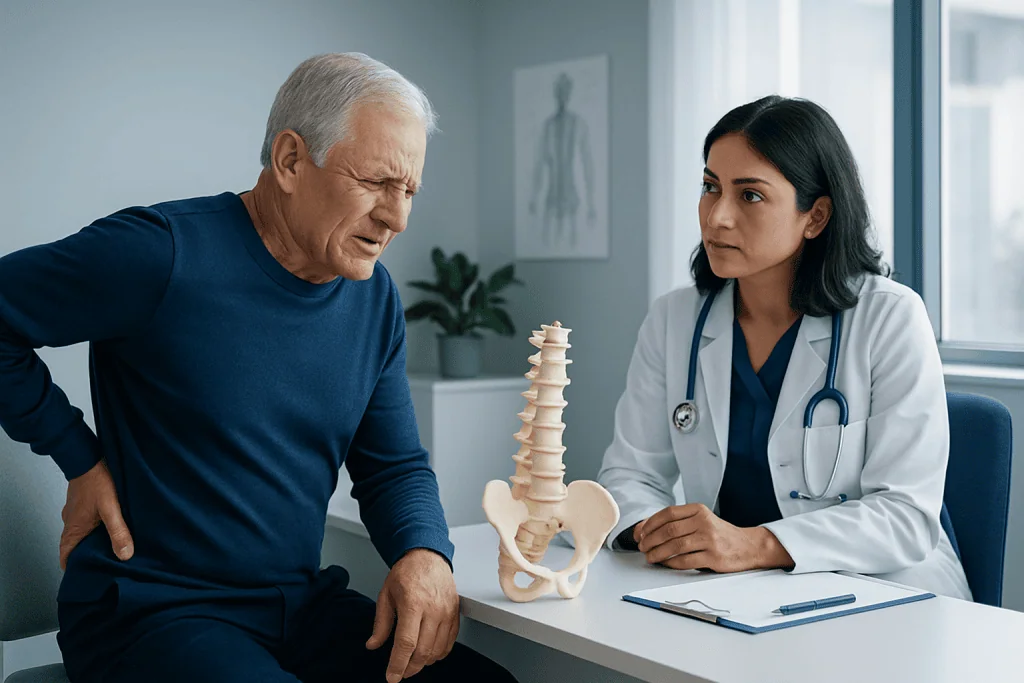
The most common cause of spinal stenosis is gradual wear-and-tear change in the spine. As discs lose height and joints enlarge with arthritis, the spinal canal and nerve openings can become tighter. Thickening of spinal ligaments, bone spurs, and bulging discs may all contribute to reduced space around the nerves.
Some people are born with a naturally narrower spinal canal, which may make symptoms appear earlier in life if additional degenerative changes occur. Less commonly, spinal stenosis may be related to previous injury, spinal surgery, inflammatory conditions, tumors, infection, or certain bone disorders. These causes are not as common, but they are important for doctors to consider when symptoms or imaging findings are unusual.
Risk factors may include increasing age, a history of osteoarthritis, previous spinal injury, physically demanding work over many years, and genetic or structural features of the spine. Smoking, low physical activity, excess body weight, and poor muscle conditioning may also make back symptoms harder to manage, although they are not the only causes of stenosis.
It is important for patients to understand that spinal stenosis is not a sign of personal failure or simply “bad posture.” It is usually a structural condition influenced by age, anatomy, and overall spinal health. A tailored management plan can often reduce symptoms and improve function.
Diagnosis
Diagnosis begins with a careful medical history. The doctor will ask where the pain travels, what makes it better or worse, how far the person can walk, whether there is numbness or weakness, and whether bladder, bowel, or balance symptoms are present. Information about previous injuries, medical conditions, medicines, and prior treatments is also important.
A physical examination may include checking posture, spinal movement, reflexes, muscle strength, sensation, and walking pattern. The doctor may also examine the hips, knees, and circulation in the legs to rule out other causes of pain. In cervical stenosis, hand function, coordination, and signs of spinal cord involvement may be evaluated.
Imaging is used when symptoms suggest nerve compression, symptoms persist despite initial care, or surgery is being considered. MRI is commonly used because it shows discs, nerves, ligaments, and the spinal canal in detail. CT scans, X-rays, or CT myelography may be used in certain situations, such as when MRI is not suitable or when bony anatomy needs detailed assessment.
Electrodiagnostic tests, such as nerve conduction studies or electromyography, may be recommended if the diagnosis is unclear or if peripheral nerve problems are suspected. The best treatment plan is based on the whole clinical picture, not on imaging findings alone, because the degree of narrowing on a scan does not always match the severity of symptoms.
Treatment Options
Treatment for spinal stenosis is individualized. Many people begin with non-surgical treatment, especially when symptoms are mild to moderate and there is no significant or worsening nerve damage. Conservative care aims to reduce pain, improve walking tolerance, support posture and strength, and help the person stay active safely.
Non-surgical treatment may include physical therapy, guided exercises, activity modification, weight management when appropriate, and medicines for pain or inflammation. Some patients benefit from learning positions that open the spinal canal, strengthening the abdominal and hip muscles, and improving flexibility. Medicines should be used only as advised by a healthcare professional, especially in older adults or people with kidney, stomach, heart, or blood pressure concerns.
Spinal injections may be considered for selected patients. Epidural steroid injections or other image-guided procedures may reduce inflammation around irritated nerves and provide temporary symptom relief. They do not reverse the narrowing itself, and the expected benefits, risks, and limits should be discussed with a spine specialist.
Surgery may be considered when symptoms remain disabling despite appropriate non-surgical care, when walking ability is severely limited, or when there is progressive neurological deficit. Common surgical approaches include decompression procedures, such as laminectomy, to create more room for the nerves. In some cases, spinal fusion may be recommended if there is instability or deformity. The decision is made after reviewing symptoms, examination findings, imaging, general health, and the patient’s goals.
Prevention and Self-Care
Not all cases of spinal stenosis can be prevented, particularly when narrowing is related to age or inherited anatomy. However, healthy lifestyle habits can help protect spinal function, reduce pain triggers, and support recovery. Staying active within comfortable limits is often more helpful than prolonged bed rest, which can weaken muscles and reduce mobility.
Exercise programs should be safe and realistic. Many people with lumbar stenosis tolerate cycling, water exercise, or walking with short rest breaks better than long periods of upright standing. Flexion-based exercises, gentle stretching, and core and hip strengthening may be recommended by a physiotherapist, but exercises should be adjusted if they increase leg pain, numbness, or weakness.
Helpful self-care strategies may include:
- Using short, frequent walks instead of pushing through long painful distances
- Taking sitting breaks when leg symptoms increase
- Maintaining a healthy weight to reduce mechanical stress on the spine
- Avoiding smoking, which can affect tissue health and healing
- Using supportive footwear and safe walking aids when recommended
- Following a home exercise plan designed by a qualified professional
Self-care should complement, not replace, medical advice. Patients should avoid starting intense exercise, spinal manipulation, or strong pain medicines without guidance if they have significant nerve symptoms, osteoporosis, prior spine surgery, or other medical conditions.
When to See a Doctor
A person should see a doctor if back or neck pain is accompanied by leg or arm numbness, tingling, weakness, or walking difficulty. Medical evaluation is also recommended when symptoms last more than a few weeks, interfere with daily activities, or keep returning despite rest and self-care. Early assessment can help identify the cause and guide safe treatment.
Urgent medical care is needed if there is new loss of bladder or bowel control, numbness in the saddle area, severe or rapidly worsening weakness, major balance problems, fever with back pain, unexplained weight loss, or pain after a significant injury. These symptoms do not always mean a serious condition is present, but they need prompt evaluation.
Patients with known spinal stenosis should also seek reassessment if their usual symptoms change, walking distance suddenly decreases, or numbness becomes constant. Regular follow-up can help adjust therapy, monitor nerve function, and decide whether additional imaging or specialist care is needed.
For international patients, Acibadem International provides evaluation and treatment of spinal conditions through multidisciplinary specialists in JCI-accredited hospitals. Care decisions are based on clinical assessment, imaging when appropriate, and the individual patient’s health needs and preferences.
Frequently asked questions
Is spinal stenosis the same as a herniated disc?
No. A herniated disc is one possible cause of nerve compression, while spinal stenosis refers to narrowing of the spinal canal or nerve openings. Spinal stenosis may involve several changes at once, including arthritis, thickened ligaments, bone spurs, and disc bulging.
Why does bending forward make lumbar spinal stenosis feel better?
Bending forward can slightly increase the space available for nerves in the lower back. This is why some people feel better when sitting, leaning on a shopping cart, or cycling. The pattern is helpful for diagnosis, but a doctor should confirm the cause of symptoms.
Can spinal stenosis improve without surgery?
Many people manage symptoms successfully with non-surgical treatment such as physical therapy, activity modification, and appropriate medicines. These treatments do not remove the narrowing, but they can reduce irritation, improve strength, and increase walking tolerance. Surgery is usually considered when symptoms remain severe or nerve function is at risk.
Is walking good for spinal stenosis?
Walking can be beneficial, but it may need to be adapted. Shorter walks with rest breaks, walking on level ground, or using a slight forward-leaning posture may be more comfortable. A physiotherapist can help design an activity plan that maintains fitness without worsening nerve symptoms.
When is surgery recommended for spinal stenosis?
Surgery may be recommended when pain, numbness, or walking limitation remains significant despite appropriate non-surgical care. It may also be considered sooner if there is progressive weakness, spinal cord compression, or serious neurological symptoms. The decision depends on symptoms, examination findings, imaging results, and overall health.
Can spinal stenosis cause permanent nerve damage?
Some nerve symptoms can become longer lasting if compression is severe or progressive, particularly when weakness or spinal cord involvement is present. However, many patients do not develop permanent damage and can be managed effectively. Prompt medical evaluation is important when symptoms worsen or neurological changes appear.
References
- American Academy of Orthopaedic Surgeons
- National Institute of Arthritis and Musculoskeletal and Skin Diseases
- North American Spine Society
- Mayo Clinic
- National Health Service
This article is for general information only and is not a substitute for professional medical advice. Please consult a qualified doctor about your individual situation.
Joint and spine care in Turkey — expert assessment & treatment
JCI-accredited · board-certified surgeons · reply within 24h

More from the Health Library


Related Specialists

Dt. Egemen Sezen
Oral & Dental Health
Dr. Tuna Durakoğlugil
Anesthesiology
Dt. Yasemin Çakmakçı
Oral & Dental Health
Ceyhun Cesur
Aesthetic Plastic & Reconstructive Surgery