

Stomach Cramps Chemotherapy: How It Works, Results and What to Expect
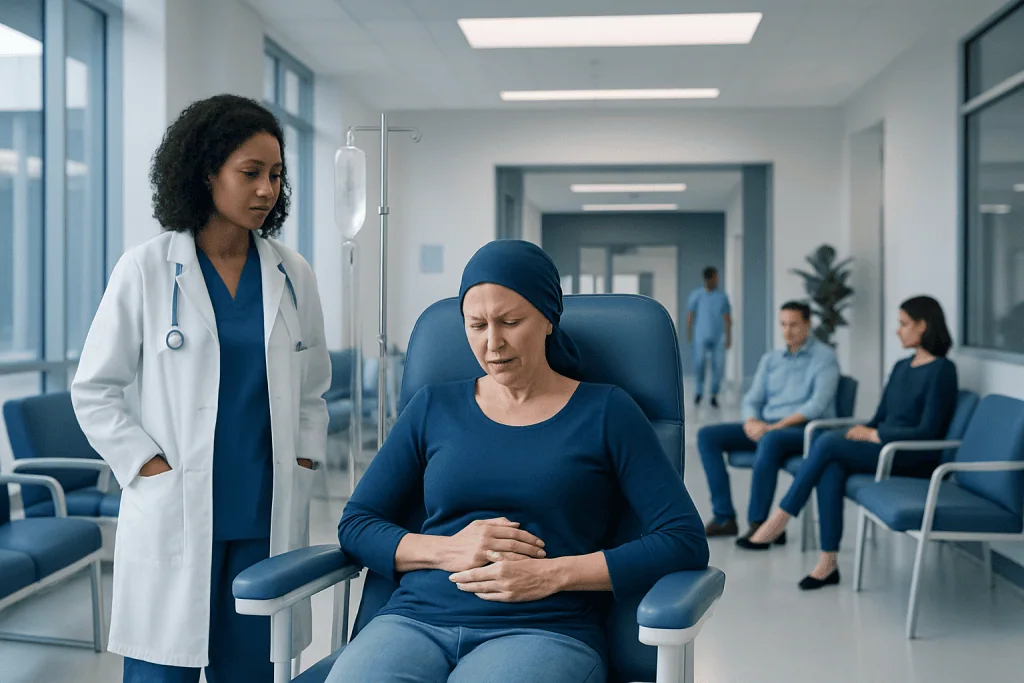
Chemotherapy-related stomach cramps may be linked to nausea, constipation, diarrhea, bowel irritation, or medicines used alongside cancer treatment. The safest relief plan depends on the cause, so patients should tell their oncology team about new or changing abdominal pain.
Key Takeaways
- Chemotherapy-related stomach cramps may be linked to nausea, constipation, diarrhea, bowel irritation, or medicines used alongside cancer treatment.
- The safest relief plan depends on the cause, so patients should tell their oncology team about new or changing abdominal pain.
- Hydration, small meals, gentle movement, and prescribed supportive medicines may help some people manage mild symptoms.
- Severe pain, fever, repeated vomiting, a swollen abdomen, blood in stool, or inability to pass stool or gas requires urgent medical advice.
- Treatment response cannot be judged by stomach symptoms alone; scans, examinations, and blood tests are more reliable.
Stomach cramps during chemotherapy can result from treatment effects on the digestive tract, constipation, diarrhea, infection, or other causes. Mild, short-lived cramping is common for some people, but new, severe, or persistent abdominal pain should always be discussed with the oncology team.
Overview: why stomach cramps can happen during chemotherapy
Stomach cramps chemotherapy can cause are usually related to temporary changes in the digestive system or to supportive medicines given during cancer care. Chemotherapy targets rapidly dividing cells, which can include cells lining the stomach and intestines. This may lead to nausea, indigestion, diarrhea, constipation, bloating, or cramping.
Not every abdominal symptom is caused directly by chemotherapy. Cancer itself, reduced food and fluid intake, stress, infection, surgery, radiation therapy, and pain medicines can also affect bowel function. Because abdominal pain has several possible causes, patients should report it to their cancer care team rather than trying to manage significant symptoms alone.
Many cramps are mild and improve with individualized supportive care. However, severe or worsening pain can occasionally signal a problem requiring urgent treatment, such as dehydration, bowel blockage, inflammation, or infection. Early communication helps the oncology team protect comfort, nutrition, and treatment continuity.
How chemotherapy affects the digestive system
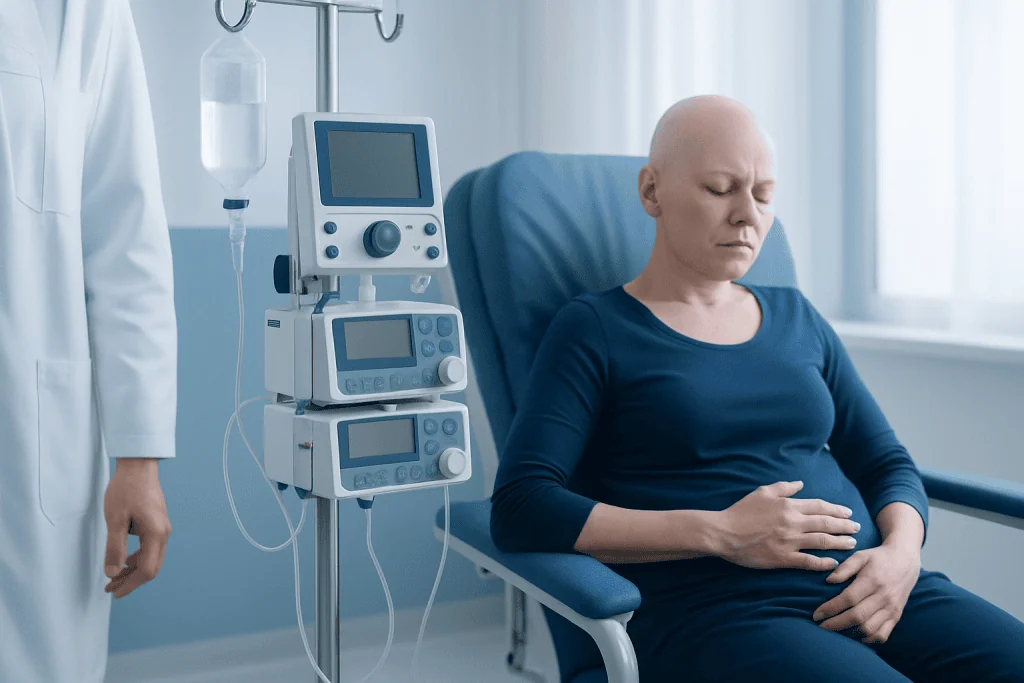
Chemotherapy is a systemic treatment, meaning that it circulates through the bloodstream to reach cancer cells throughout the body. Different medicines work in different ways, but many interfere with cell division or damage cancer-cell DNA. Since the digestive tract renews its lining quickly, it can be sensitive to these medicines.
Effects may begin during treatment, in the days afterward, or at a later point in a treatment cycle. The timing varies with the chemotherapy regimen, other cancer treatments, the person’s baseline bowel habits, and any medicines used to prevent nausea or control pain. For example, some anti-nausea medicines and opioid pain relievers can contribute to constipation, while other treatments may cause loose stools or intestinal irritation.
Chemotherapy is carefully planned around the cancer type, stage, overall health, previous treatments, and treatment goal. A clinician may adjust supportive medicines, schedule, or dose when side effects are difficult to control. Patients should not skip, delay, or change cancer medicines without guidance from their oncology team.
Who may be more likely to develop chemo-related cramps
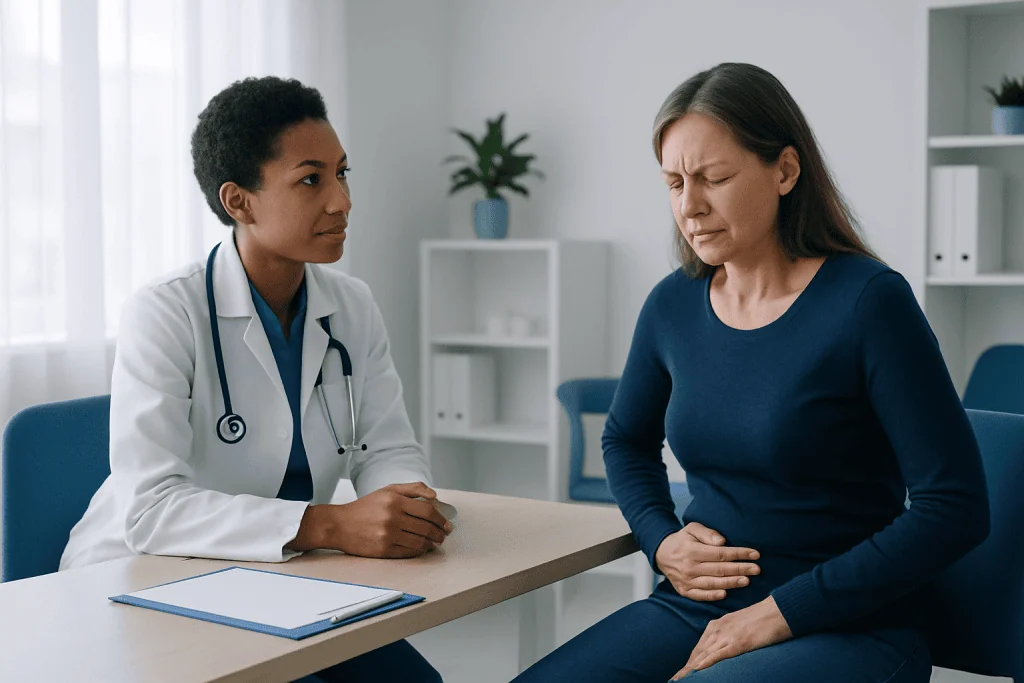
Anyone receiving chemotherapy can develop gastrointestinal symptoms, although the likelihood differs by drug combination. People who have a history of irritable bowel syndrome, inflammatory bowel disease, prior abdominal surgery, digestive cancers, or chronic constipation may need closer symptom monitoring. Radiation involving the abdomen or pelvis can also add to bowel irritation.
Low fluid intake, reduced eating, limited activity, and changes in usual routines can slow the bowel and increase cramping. Older adults and people taking multiple medicines may have additional risks for constipation or medication interactions. Diabetes, kidney disease, and electrolyte imbalances can further influence digestive symptoms and require tailored advice.
Before treatment begins, the oncology team usually reviews current medicines, allergies, bowel habits, medical conditions, and nutritional concerns. Patients can help by keeping a simple symptom record that notes when cramps occur, their severity, bowel movements, food intake, temperature, and any medicines taken. This information can make the cause easier to identify.
What helps chemo stomach cramps?
What helps chemotherapy stomach cramps depends on whether the main trigger is constipation, diarrhea, gas, nausea, medication irritation, or another problem. The oncology team may recommend or prescribe medicines for nausea, bowel regulation, acid-related symptoms, or pain. It is important to use only medicines approved by the team, including over-the-counter laxatives, antidiarrheal products, herbal remedies, and supplements.
For mild symptoms, practical measures may include sipping fluids regularly, eating smaller meals more often, and choosing simple foods that are easier to tolerate. Gentle walking or other clinician-approved movement may support bowel activity if constipation is contributing. A warm pack over the abdomen may be soothing for some people, but it should not be used if there is fever, new severe pain, reduced sensation, or concern for infection.
Food choices should be adapted to the symptom pattern. A person with diarrhea may be advised to avoid greasy foods, alcohol, and foods that are hard to digest, while a person with constipation may need fluids and a care-team-approved bowel plan. Dietary advice should be individualized, especially for people at risk of dehydration, kidney problems, or low white blood cell counts.
- Contact the cancer care team if cramps last more than a short time, return repeatedly, or interfere with eating, drinking, sleep, or daily activities.
- Do not use enemas, rectal suppositories, or rectal thermometers unless the oncology team specifically approves them, as they may be unsafe with low blood counts.
- Ask for help early; side-effect management is an important part of cancer treatment.
What are good signs that chemo is working?
Stomach cramps, nausea, fatigue, hair loss, or other side effects are not reliable signs that chemotherapy is working. Some people have significant side effects and others have very few, yet both may respond well to treatment. Likewise, worsening side effects do not necessarily mean that chemotherapy is more effective.
Oncology teams evaluate treatment response through planned assessments. These may include physical examinations, blood tests, tumor-marker tests when appropriate, and imaging such as CT, MRI, PET, or ultrasound scans. For some blood cancers, bone marrow tests or specialized laboratory tests may also be used.
Patients may notice improvements in cancer-related symptoms, such as less pain, better breathing, improved appetite, or increased energy. These changes can be encouraging, but they still need to be interpreted alongside formal clinical assessments. The treating oncologist can explain what response measures are relevant for the individual cancer and treatment plan.
What week of chemo is the hardest?
There is no single hardest week of chemotherapy for everyone. Some side effects occur on infusion day or within the first few days, while others may peak several days later. Blood counts often fall at a predictable point after certain regimens, commonly called the nadir, but the exact timing depends on the medicines used.
For many people, the first cycle can feel challenging because the body and household routine are adjusting to a new treatment schedule. Later cycles may bring cumulative fatigue, changes in appetite, or bowel effects. However, supportive care can often be refined from one cycle to the next based on the symptoms a person experiences.
Patients should ask their oncology nurse or doctor when side effects and low blood counts are most likely with their specific regimen. Knowing this timing can help them plan meals, work, travel, caregiving, and infection precautions. Any new or severe symptom should be reported regardless of where it falls in the cycle.
How long does chemo stomach pain last?
Mild chemotherapy-related stomach pain may last hours to a few days, but the duration varies widely. Cramping from constipation may persist until bowel function is restored, while diarrhea or intestinal irritation may continue for longer depending on the treatment and its cause. Symptoms that do not improve between cycles need assessment rather than waiting for the next appointment.
The care team may ask about the location and type of pain, its relationship to meals and bowel movements, whether there is bloating or vomiting, and whether the person has passed stool or gas. They may arrange blood tests, stool testing, imaging, or a physical examination if symptoms suggest infection, inflammation, obstruction, or another complication.
Recovery often improves with prompt symptom control, adequate fluids, nutrition support, and adjustments to supportive medicines. If chemotherapy is the likely cause, the oncology team may consider changes that preserve cancer treatment while improving tolerability. Patients should avoid assuming that ongoing abdominal pain is an expected side effect.
When to seek medical care
Patients should call their oncology team promptly for new, persistent, or worsening abdominal cramps. The team should also be contacted for diarrhea lasting more than a day, constipation that does not respond to the prescribed plan, poor oral intake, or pain that prevents normal activities. It is especially important to report symptoms early during chemotherapy because dehydration and infection can develop quickly.
Urgent medical care is needed for severe or rapidly worsening abdominal pain, fever or chills, repeated vomiting, a hard or swollen abdomen, fainting, confusion, blood in stool or vomit, black stools, or inability to pass stool or gas with significant bloating. These symptoms may have causes unrelated to chemotherapy, but they should not be ignored.
Acibadem International’s multidisciplinary specialists and JCI-accredited hospitals support international patients undergoing cancer diagnosis and treatment, including management of treatment-related symptoms. A patient’s own oncology team remains the best first contact for individualized advice, particularly during active chemotherapy.
Frequently asked questions
Can chemotherapy cause stomach cramps without diarrhea?
Yes. Chemotherapy-related cramps can occur with constipation, gas, nausea, changes in eating patterns, or irritation of the digestive tract, even without diarrhea. Pain should be reported to the oncology team, particularly if it is persistent, severe, or associated with vomiting or bloating.
Should a patient take pain medicine for chemo stomach cramps?
A patient should ask the oncology team before taking pain medicine, including non-prescription options. Some medicines can irritate the stomach, increase bleeding risk, mask fever, or worsen constipation, so the safest choice depends on the person’s treatment and health history.
Can dehydration make stomach cramps worse during chemotherapy?
Yes. Dehydration can contribute to constipation, weakness, dizziness, and muscle or abdominal cramping. People who are vomiting or having diarrhea should contact their care team early for individualized guidance on fluids and possible treatment.
Do stomach cramps mean chemotherapy should be stopped?
Not necessarily. Mild cramps can often be managed while treatment continues, but the oncology team needs to evaluate the cause and severity. They may adjust supportive care or, when appropriate, modify the treatment plan safely.
Is constipation common during chemotherapy?
Constipation is common for some people during chemotherapy, particularly when anti-nausea medicines, opioid pain relievers, dehydration, lower activity levels, or reduced food intake are involved. A clinician can recommend a bowel plan that is appropriate for the patient’s blood counts and medications.
Can a patient eat normally when they have chemo-related cramps?
Many people tolerate small, frequent meals better than large meals when they have cramps or nausea. The best foods depend on whether constipation, diarrhea, or another issue is present, so patients should ask their oncology team or a dietitian for tailored advice if symptoms continue.
References
- National Cancer Institute
- American Cancer Society
- American Society of Clinical Oncology
- National Comprehensive Cancer Network
- Macmillan Cancer Support
This article is for general information only and is not a substitute for professional medical advice. Please consult a qualified doctor about your individual situation.
Chemotherapy in Turkey — costs, top hospitals & a free quote
JCI-accredited · board-certified surgeons · reply within 24h
Add us as a Preferred Source to see more of our trusted health content across Google Search, AI Overviews and Discover.

Hematology Department
17 specialists in this unitMore from the Health Library



Related Specialists

Prof. Dr. Gülsan Sucak
Hematology
Dr. Büşra Nur Enez Baş
Acibadem Life Clinical Service
Dt. Barış Konuk
Oral Dental & Maxillofacial Surgery
Dr. Mehmet Akif Akman
Emergency Service