Stroke Rehab: An Evidence-Based Patient Guide
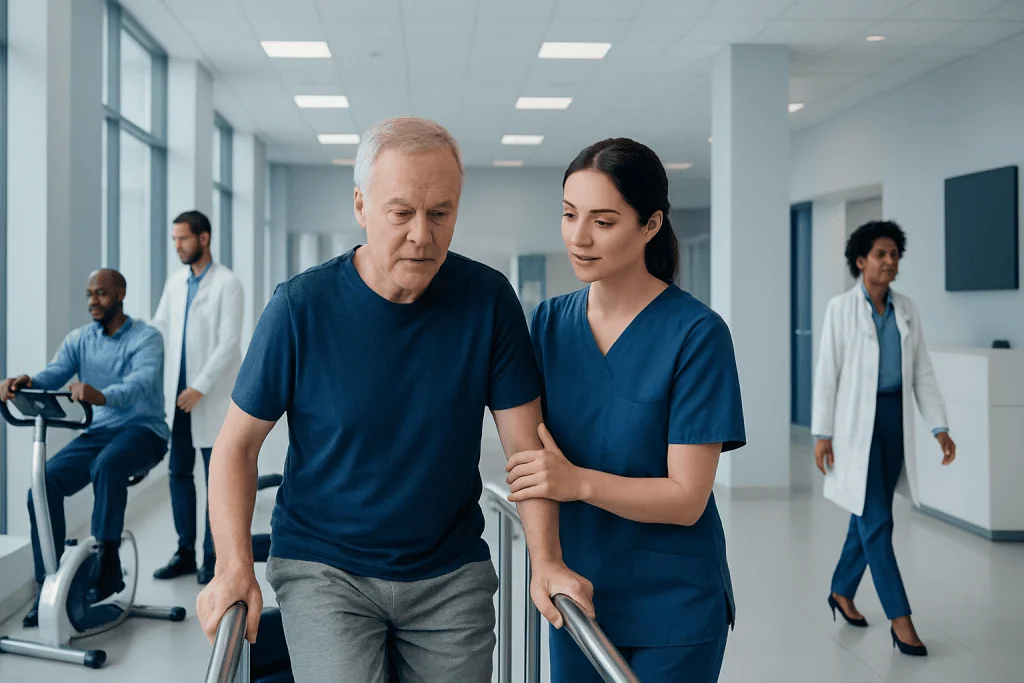
Stroke rehabilitation starts as early as medically safe and can continue for months or longer. A multidisciplinary team addresses movement, speech, swallowing, thinking, mood and independence.
Key Takeaways
- Stroke rehabilitation starts as early as medically safe and can continue for months or longer.
- A multidisciplinary team addresses movement, speech, swallowing, thinking, mood and independence.
- Recovery differs greatly between individuals and may continue beyond the first weeks after a stroke.
- Consistent, meaningful practice and family support can help people make the most of rehabilitation.
- New or worsening stroke symptoms require emergency medical assessment, not routine rehabilitation.
Stroke rehab is a structured, individualized program that helps a person regain physical, communication, thinking and daily-living abilities affected by stroke. It usually begins soon after medical stabilization and evolves over time according to the person’s goals, needs and progress.
Overview: What Stroke Rehab Is
Stroke rehab, also called stroke rehabilitation, is a coordinated program that helps people recover skills affected by a stroke and adapt to lasting changes. It may improve walking, arm and hand use, communication, swallowing, memory, attention, mood and the ability to manage everyday activities such as washing, dressing, eating and returning to community life. The overall aim is to support the greatest possible independence, safety and quality of life.
Rehabilitation is not one single procedure. It is a continuing process that combines assessment, goal setting, supervised therapy, education and practice at home. A person’s plan is tailored to the type and severity of stroke, affected brain areas, other health conditions, home environment, personal priorities and available support.
Many people begin rehabilitation in hospital after their condition is stable. They may then continue in an inpatient rehabilitation unit, outpatient clinic, home-based program or community setting. The care pathway can change as needs change, and progress should be reviewed regularly rather than judged against a fixed timetable.
How Stroke Rehabilitation Works
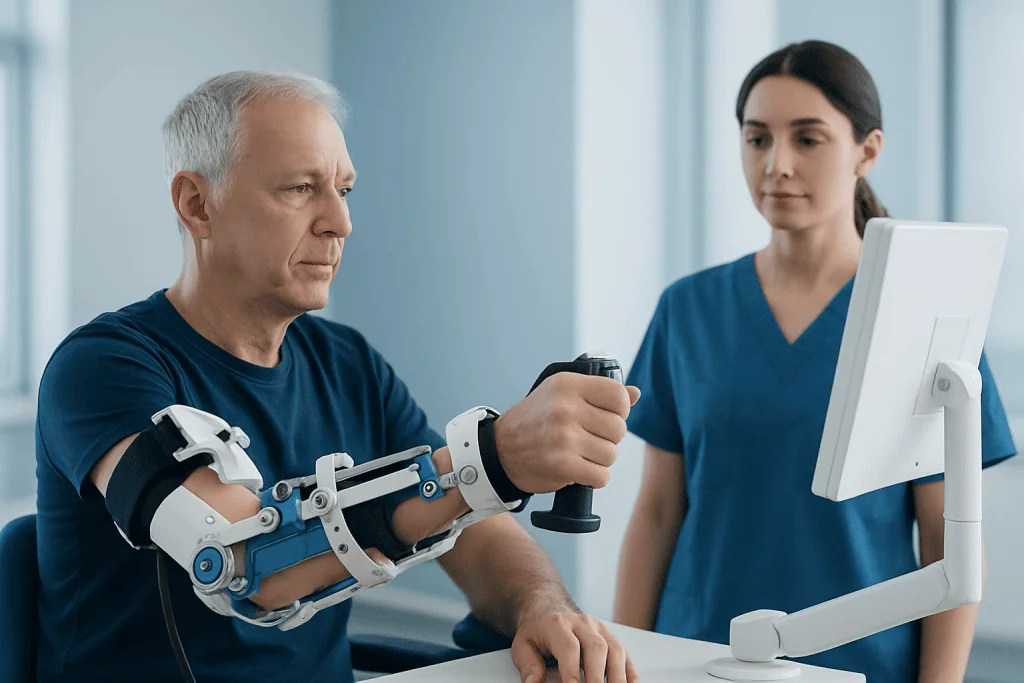
After a stroke, rehabilitation uses the brain’s ability to reorganize and form new connections, often called neuroplasticity. Repeated, purposeful practice can help a person relearn activities, develop new ways to complete a task and make the best use of abilities that remain. Improvement is often gradual, so therapy focuses on achievable goals that matter to the individual.
A rehabilitation physician, neurologist or stroke specialist may coordinate care with physiotherapists, occupational therapists, speech and language therapists, rehabilitation nurses, psychologists, dietitians and social workers. Depending on individual needs, the team may also involve orthotists, vocational specialists, continence specialists and family caregivers.
Therapy may include task-specific movement practice, balance and walking training, upper-limb exercises, communication therapy, swallowing assessment and treatment, cognitive rehabilitation, fatigue management and emotional support. Assistive devices, mobility aids and home adaptations may also make daily activities safer. Rehabilitation is closely linked to preventing another stroke through management of risk factors and follow-up care.
Who May Benefit and How Needs Are Assessed
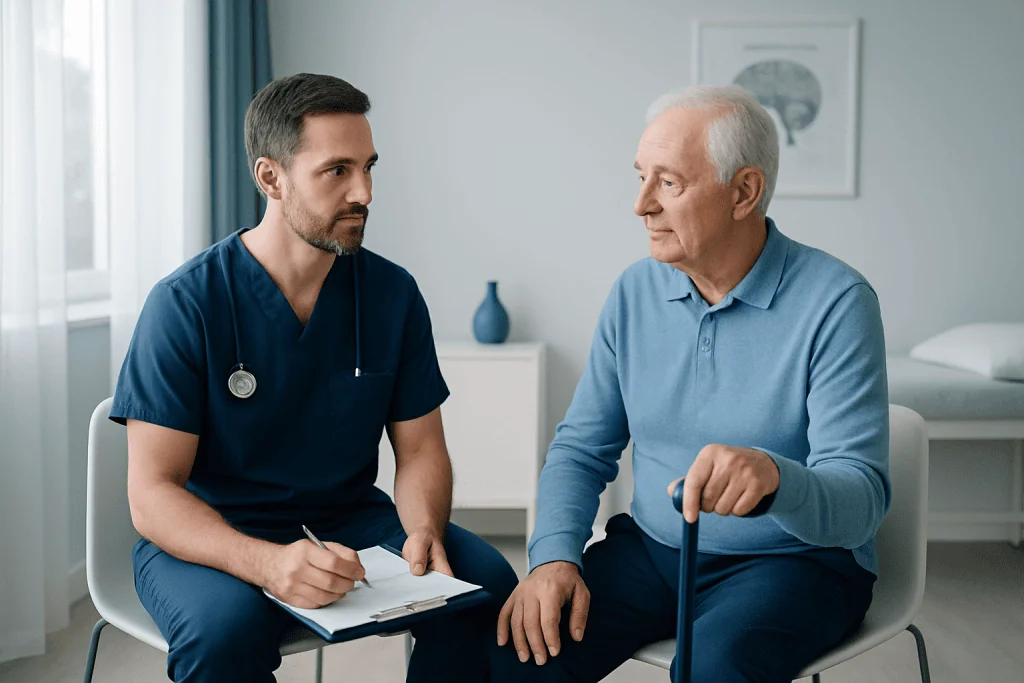
Most people who have had an ischemic stroke or hemorrhagic stroke can benefit from some form of rehabilitation. The intensity, setting and priorities vary widely. A person with mild symptoms may need help returning to work, driving, exercise or complex daily responsibilities, while someone with more significant disability may need intensive support with mobility, self-care, communication and safe swallowing.
Before creating a plan, the team assesses strength, coordination, sensation, balance, vision, speech, language, swallowing, memory, attention, mood, pain, fatigue and ability to carry out daily tasks. They also consider medical stability, medication needs, pre-stroke function, family support, home layout and practical barriers such as transport.
Rehabilitation remains appropriate even when recovery is incomplete or the stroke occurred some time ago. Goals may shift from restoring a function to improving safety, reducing pain or stiffness, supporting participation, using adaptive strategies and helping the person live as independently as possible. People with complications such as shoulder pain, spasticity, falls, depression or swallowing difficulties may need additional targeted input.
What Happens Step by Step
In the acute hospital phase, the clinical team first treats the stroke and ensures that the person is medically stable. Early rehabilitation may include safe positioning, gentle movement, sitting out of bed, screening for swallowing difficulties, communication support and education for the patient and family. Preventing complications such as pressure injuries, falls, joint stiffness and aspiration is an important early priority.
Next, the rehabilitation team agrees on practical, person-centered goals. Examples include transferring safely from bed to chair, walking to the bathroom, using the affected hand during meals, being understood in conversation, managing medications or returning home. Goals are reviewed as progress is made and may be divided into smaller, measurable steps.
During active therapy, sessions are chosen according to need and tolerance. Physiotherapy commonly addresses walking, balance, strength and endurance. Occupational therapy focuses on everyday tasks, upper-limb function and adapting the home or workplace. Speech and language therapy can address speech, language, cognition and swallowing. Psychological care may help with adjustment, anxiety, low mood and post-stroke changes in behavior or motivation.
Before discharge or a transition to another setting, the team develops a continuing plan. This can include exercises, strategies for safe daily activities, equipment recommendations, caregiver training, follow-up appointments and advice about stroke prevention. If specialist rehabilitation is needed, stroke rehabilitation services can coordinate therapies around an individual’s medical and functional goals.
Recovery Timeline, Benefits and Possible Challenges
Recovery after stroke is different for every person. Some early improvements may occur in the first days and weeks, particularly as swelling or temporary disruption in brain function settles. Many people make meaningful gains during the first several months, but improvement can continue later with appropriate practice, treatment of complications and ongoing participation in daily life.
The benefits of stroke rehab may include greater independence with personal care, safer mobility, improved arm or hand use, clearer communication, better swallowing safety, stronger confidence and increased participation in family, work and social activities. Rehabilitation can also help caregivers understand safe ways to provide assistance without taking over tasks the person can practise independently.
Rehabilitation itself is generally safe when individualized and monitored, but there can be challenges. Fatigue, muscle or joint pain, falls, frustration, low mood, communication problems and uneven progress are common concerns after stroke. Some people develop spasticity, in which muscles become abnormally tight, or shoulder pain related to weakness and reduced movement. The team can modify therapy, address symptoms and refer to other specialists when needed.
It is helpful to remember that progress is not always linear. A plateau does not necessarily mean rehabilitation has failed; it may be a time to reassess goals, intensity, barriers or supportive treatments. Regular review helps ensure the program remains meaningful and safe.
Self-Care, Prevention and Support at Home
Practice outside formal therapy can reinforce skills, but it should follow the rehabilitation team’s guidance. Short, regular sessions of meaningful activities are often more manageable than exhausting exercise. Family members can encourage participation, allow adequate time for tasks and use communication strategies recommended by the speech and language therapist.
Preventing another stroke is an essential part of long-term recovery. This may involve taking prescribed medicines as directed, attending follow-up appointments, managing blood pressure, diabetes or cholesterol when relevant, stopping smoking, limiting alcohol where advised, being physically active within safe limits and following an eating pattern recommended by the care team. These steps should be individualized, especially for people with heart, kidney or mobility conditions.
A safe home environment can reduce avoidable injuries. Depending on needs, helpful changes may include clear walking paths, good lighting, grab bars, a shower seat, supportive footwear and appropriate mobility equipment. A therapist can advise on transfers, stairs, bathing and kitchen activities. Caregivers should also seek support, as their own wellbeing is important to sustainable care.
- Keep a written list of medications, appointments and rehabilitation goals.
- Ask the team about safe exercises and how much activity is appropriate.
- Report new pain, falls, coughing during meals, worsening mood or a decline in function.
- Consider local stroke survivor, caregiver and communication support groups.
When to Seek Medical Care
New stroke symptoms need urgent emergency care. A person should seek emergency help immediately for sudden facial weakness, arm weakness or numbness, speech or language difficulty, vision loss, severe dizziness or loss of balance, a sudden severe headache, confusion or sudden difficulty walking. Even if symptoms improve quickly, they may represent a transient ischemic attack and require prompt assessment.
Contact the stroke or rehabilitation team promptly for concerns that are not sudden emergencies, such as repeated falls, new or worsening swallowing problems, chest symptoms during exercise, increasing pain or stiffness, skin breakdown, marked fatigue, new confusion, symptoms of depression or difficulty coping at home. Early review can help prevent complications and adjust the rehabilitation plan.
Acibadem International’s multidisciplinary specialists and JCI-accredited hospitals provide assessment and rehabilitation planning for international patients after stroke. Care is individualized, with coordination between stroke medicine, rehabilitation and allied health professionals where appropriate.
Frequently asked questions
When should stroke rehab begin?
Stroke rehabilitation often begins in hospital as soon as the person is medically stable. Early activity is carefully adapted to the person’s condition, and the rehabilitation plan becomes more intensive or specialized as appropriate.
How long does stroke rehabilitation last?
There is no single timeline for stroke rehabilitation. Some people need short-term therapy, while others continue rehabilitation and home practice for months or longer as their goals and needs evolve.
Can a person recover fully after a stroke?
Some people recover many affected abilities, while others have longer-lasting changes. Recovery depends on many factors, including the stroke’s location and severity, general health, access to rehabilitation and consistent participation in therapy.
What therapies are used in stroke rehab?
Stroke rehab may include physiotherapy, occupational therapy, speech and language therapy, swallowing therapy, cognitive rehabilitation, psychological support and nursing care. The combination is chosen according to the individual’s symptoms and priorities.
Is it normal to feel very tired during stroke recovery?
Fatigue is common after stroke and can affect concentration, mood and participation in therapy. A rehabilitation team can help identify contributing factors, balance activity with rest and review whether medical issues may be involved.
What should caregivers do during stroke rehabilitation?
Caregivers can support rehabilitation by encouraging safe practice, attending education sessions and learning recommended communication and transfer techniques. They should also protect their own health and ask for support when caregiving becomes overwhelming.
References
- World Health Organization
- American Stroke Association
- National Institute of Neurological Disorders and Stroke
- European Stroke Organisation
- National Institute for Health and Care Excellence
This article is for general information only and is not a substitute for professional medical advice. Please consult a qualified doctor about your individual situation.
Explore treatments in Turkey — costs, top hospitals & a free quote
JCI-accredited · board-certified surgeons · reply within 24h