Swollen Ankles Explained: Common Triggers and Red Flags

Swollen ankles usually happen when fluid collects in the tissues, a process called edema. Both ankles swelling together often points to fluid retention or circulation issues, while one-sided swelling may suggest injury, infection, or a blood clot.
Key Takeaways
- Swollen ankles usually happen when fluid collects in the tissues, a process called edema.
- Both ankles swelling together often points to fluid retention or circulation issues, while one-sided swelling may suggest injury, infection, or a blood clot.
- Warning signs include sudden swelling, chest pain, shortness of breath, calf pain, fever, or red and hot skin.
- Evaluation may include a physical exam, blood and urine tests, and imaging such as ultrasound depending on the suspected cause.
- Self-care like leg elevation, movement, and reducing excess salt may help mild cases, but persistent swelling should be assessed by a doctor.
Swollen ankles are commonly linked to temporary fluid retention, standing for long periods, minor injury, or vein problems. They can also signal a more important heart, kidney, liver, or blood clot issue, especially when swelling appears suddenly, affects one leg, or comes with pain, shortness of breath, or skin changes.
What swollen ankles usually mean
Swollen ankles usually mean that extra fluid has built up in the soft tissues around the ankle and lower leg. This is called edema. In many people, it happens for a simple reason such as standing or sitting too long, hot weather, pregnancy, or a mild sprain. The swelling may feel tight, make shoes fit differently, and improve after rest.
At the same time, swollen ankles are a symptom rather than a diagnosis. They can also be linked to vein problems, side effects of medicines, arthritis, infection, or conditions affecting the heart, kidneys, liver, or lymphatic system. Looking at whether the swelling affects one ankle or both, how quickly it appeared, and whether there is pain or breathlessness helps narrow down the cause.
A useful way to think about ankle swelling is that it can come from three broad mechanisms: fluid retention, inflammation, or blocked drainage. Fluid retention may happen when the body holds onto salt and water or when blood flow in the veins is less efficient. Inflammation is more common after injury or infection. Blocked drainage can occur in vein disease or lymphedema, when lymph fluid does not move normally.
Common signs and patterns to notice
Swollen ankles can look and feel different depending on the cause. Some people notice mild puffiness at the end of the day. Others see deeper swelling that leaves an indentation after pressing a finger into the skin for a few seconds, known as pitting edema. The skin may feel stretched, shiny, heavy, or uncomfortable.
The pattern matters. Swelling in both ankles is often associated with fluid retention, chronic venous insufficiency, pregnancy, or medication effects. Swelling in one ankle or one leg is more concerning for a local problem such as a sprain, cellulitis, a cyst behind the knee, or a deep vein clot. If one leg also becomes painful, warm, or red, prompt assessment is important because deep vein thrombosis needs urgent medical attention.
Other symptoms can provide clues. Breathlessness, fatigue, or swelling that extends into the lower legs may point toward heart or kidney-related causes. Joint pain or morning stiffness can suggest arthritis. Fever, redness, or tenderness can fit with infection. Numbness, skin ulcers, or visible varicose veins may indicate circulation problems such as varicose veins or chronic vein disease.
Common triggers and underlying causes

Many everyday triggers can lead to swollen ankles. Long periods of sitting during travel, standing for work, hot weather, or eating very salty foods may encourage temporary fluid retention. Pregnancy can also increase pressure in the leg veins and cause mild swelling, especially later in the day. Minor injuries such as ankle sprains may cause swelling along with bruising and pain.
Medicines are another common explanation. Certain blood pressure medicines, hormones, anti-inflammatory drugs, and some diabetes medications can cause the body to retain fluid or widen blood vessels in a way that promotes swelling. A doctor or pharmacist can review whether a current medicine could be contributing.
Circulation issues are especially important in adults. Chronic venous insufficiency happens when leg veins have trouble sending blood back toward the heart, leading to aching, heaviness, and swelling that often worsens by evening. In some people, lymphatic drainage is reduced, causing firmer swelling called lymphedema. When needed, specialists may investigate these problems further and offer options such as varicose vein treatment.
Systemic conditions can also cause ankle swelling. Heart failure may lead to fluid collecting in the legs, lungs, or abdomen. Kidney disease can affect the body’s fluid balance, while liver disease can change protein levels and pressure in the blood vessels. Less common causes include thyroid disease, severe malnutrition, inflammatory arthritis, and infection. Because the list is broad, the overall symptom pattern is more helpful than swelling alone.
Red flags that should not be ignored
Most swollen ankles are not emergencies, but certain features deserve prompt medical care. Swelling that appears suddenly, especially in one leg, should not be dismissed. The same is true if there is calf pain, significant tenderness, red or warm skin, or swelling after a period of immobility such as a long flight, recent surgery, or illness. These features raise concern for a clot in a deep vein.
Swollen ankles with chest pain, sudden shortness of breath, fainting, or coughing up blood need urgent emergency evaluation. These symptoms can indicate a serious problem involving the heart or lungs. Severe swelling with rapidly worsening skin tightness, new confusion, reduced urine output, or major weakness also needs immediate attention.
There are other warning signs that are less dramatic but still important. These include swelling with fever, spreading redness, open sores, darkening skin, or swelling that keeps returning without an obvious explanation. People who already live with heart, kidney, liver, or vascular disease should seek assessment sooner if ankle swelling changes suddenly or becomes harder to control.
How doctors find the cause
Diagnosis starts with a careful history and physical examination. A doctor will ask when the swelling began, whether it affects one side or both, how it changes through the day, and whether there was travel, injury, pregnancy, medication use, or previous vein problems. They will also ask about breathlessness, chest discomfort, fever, joint symptoms, and urinary changes.
On examination, the doctor checks the ankles, lower legs, skin temperature, pulses, and whether the swelling is pitting or firm. They may look for varicose veins, signs of infection, joint inflammation, or skin changes caused by poor venous return. Blood pressure, heart and lung findings, and the abdomen can offer clues to a more general medical cause.
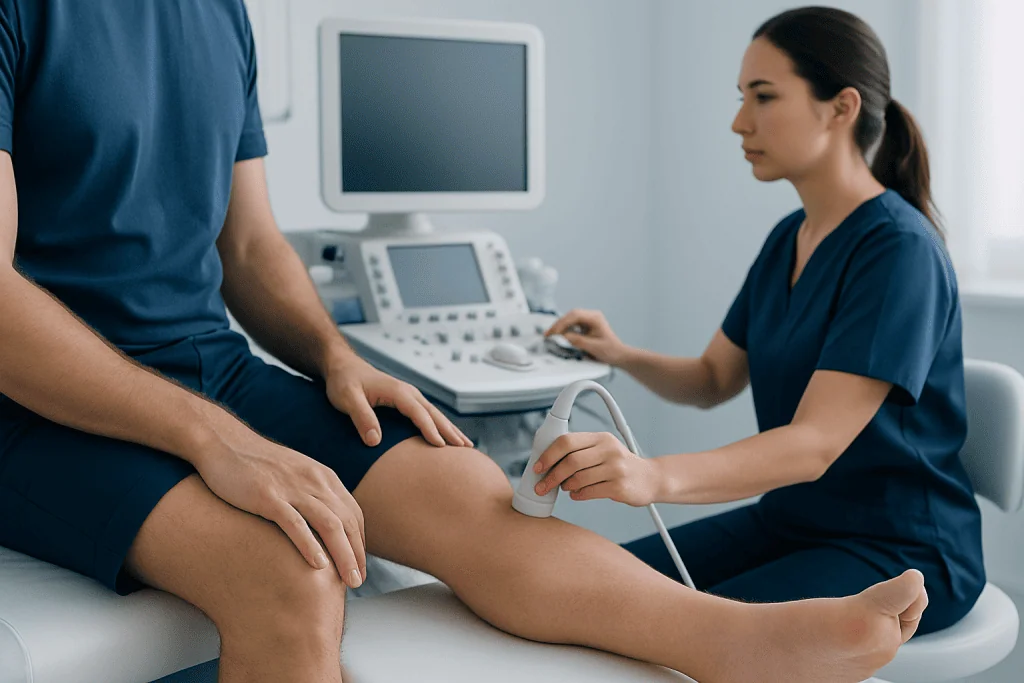
Tests are chosen based on the suspected cause rather than used routinely in everyone. Blood and urine tests may help assess kidney function, liver function, thyroid levels, infection, inflammation, or protein levels. If a blood clot is possible, an ultrasound of the leg veins is often used. If heart-related causes are suspected, tests may include an electrocardiogram, echocardiography, or other cardiology assessment. In selected cases, imaging or specialist review in nephrology, vascular medicine, or orthopedics may be appropriate.
Treatment and practical ways to reduce swelling
Treatment depends on the cause. For a mild strain or sprain, rest, ice, elevation, and temporary activity adjustment may be enough. If swelling is related to long sitting or standing, moving the ankles regularly, walking breaks, and leg elevation often help. Compression socks can be useful for some people, but they should be used carefully and ideally after medical advice if circulation problems are suspected.
When an underlying condition is identified, treatment focuses on that problem. Venous disease may improve with exercise, compression, and procedures when needed. Heart, kidney, or liver-related swelling usually requires broader medical management. If infection is present, it may need antibiotics. If a clot is diagnosed, the person needs urgent treatment and follow-up, and some patients may require DVT treatment.
Self-care can also make day-to-day symptoms easier to manage. Helpful measures may include reducing excess salt intake, staying hydrated, avoiding very tight socks or clothing around the calves, and maintaining regular physical activity. People with excess weight may benefit from gradual weight reduction because this can reduce pressure on the legs and veins. It is important not to start or stop prescribed medicines without speaking to a doctor.
For international patients who need more detailed evaluation, Acibadem International’s multidisciplinary specialists and JCI-accredited hospitals diagnose and treat causes of ankle swelling, including vascular and heart-related conditions, with care plans tailored to the underlying problem.
When to seek medical care
Medical care is recommended if swollen ankles last more than a few days, keep coming back, or are getting worse. A doctor should also assess swelling that is painful, affects only one leg, starts after a new medicine, or comes with visible varicose veins, skin discoloration, or ulcers. Ongoing symptoms can often be managed more effectively once the cause is clear.
Urgent care is needed if swelling is sudden, severe, or associated with calf pain, warmth, redness, fever, chest pain, or shortness of breath. These signs can point to a blood clot, infection, or a problem affecting the heart or lungs. Pregnant people should seek prompt advice if swelling is sudden or marked, especially if there is headache, visual disturbance, or upper abdominal pain.
If the swelling follows an injury and the person cannot bear weight, the ankle looks deformed, or the pain is severe, timely assessment is also important. Early evaluation can help rule out fracture, tendon injury, or damage that may need more than simple home care.
Can swollen ankles be prevented?
Not every case can be prevented, but many people can lower their risk by supporting healthy circulation. Simple habits include avoiding sitting or standing in one position for long periods, taking movement breaks during travel, flexing the ankles regularly, and elevating the legs when possible after a long day. Comfortable footwear and prompt treatment of ankle injuries may also help.
For people who already have vein disease or repeated swelling, prevention often means managing the condition consistently. This may include wearing compression garments if recommended, staying active, and following a care plan for conditions such as heart disease, kidney disease, or diabetes. Those with known heart failure should report any change in leg swelling to their healthcare team because it can be a sign that treatment needs adjustment.
A balanced diet, limiting excess salt, and keeping follow-up appointments are also useful. Because swollen ankles can have many different causes, prevention is most effective when it is matched to the person’s overall health and medical history.
Frequently asked questions
Are swollen ankles always a sign of a serious problem?
No. Swollen ankles are often caused by temporary fluid retention, standing too long, hot weather, or a minor injury. However, sudden swelling, one-sided swelling, or swelling with pain, redness, breathlessness, or chest pain should be assessed quickly.
Why are my ankles swollen at the end of the day?
Gravity can cause fluid to collect in the lower legs after long periods of sitting or standing, so swelling often becomes more noticeable later in the day. This is common with mild edema or vein-related circulation problems, but persistent swelling still deserves medical review.
What is the difference between swelling in one ankle and both ankles?
Swelling in both ankles more often suggests fluid retention, medicine side effects, pregnancy, or chronic vein problems. Swelling in one ankle or one leg is more likely to come from a local issue such as injury, infection, or a blood clot, especially if it is painful or sudden.
Can dehydration cause swollen ankles?
Dehydration does not usually directly cause ankle swelling, but poor fluid balance and high salt intake can sometimes contribute to the body holding onto water. It is still important to look for more common causes such as prolonged standing, venous problems, medicines, or medical conditions affecting the heart, kidneys, or liver.
Should a person exercise if they have swollen ankles?
Gentle movement often helps mild swelling because the calf muscles support blood flow back toward the heart. Walking and ankle flexing can be useful, but exercise should be avoided if there is a new injury, severe pain, or concern for a blood clot until a doctor advises it is safe.
What tests might be needed for swollen ankles?
Not everyone needs extensive testing. Depending on the symptoms, a doctor may recommend blood and urine tests, an ultrasound of the leg veins, heart tests, or other imaging to check for circulation problems, organ-related causes, inflammation, or injury.
References
- National Health Service
- American Heart Association
- National Institute of Diabetes and Digestive and Kidney Diseases
- Centers for Disease Control and Prevention
- American Academy of Orthopaedic Surgeons
This article is for general information only and is not a substitute for professional medical advice. Please consult a qualified doctor about your individual situation.
Explore treatments in Turkey — costs, top hospitals & a free quote
JCI-accredited · board-certified surgeons · reply within 24h
Check your numbers in seconds
BMI, calories, due date, blood pressure and 30+ more clinical calculators — free, instant, doctor-reviewed ranges.