

Tattoo Removal Results: Procedure, Recovery and Results

Laser tattoo removal breaks tattoo pigment into smaller particles that the immune system can gradually clear. Several treatments, spaced weeks apart, are commonly needed; complete removal cannot be guaranteed.
Key Takeaways
- Laser tattoo removal breaks tattoo pigment into smaller particles that the immune system can gradually clear.
- Several treatments, spaced weeks apart, are commonly needed; complete removal cannot be guaranteed.
- Redness, swelling, tenderness and temporary blistering may occur after treatment and usually settle with appropriate aftercare.
- Professional assessment is important for darker skin tones, previous scarring, active skin conditions and complex or coloured tattoos.
- Medical advice is needed promptly for signs of infection, significant pain, spreading redness or an unusual wound reaction.
Tattoo removal results are usually gradual rather than immediate. Most tattoos fade over several laser sessions, but the final outcome depends on ink colour, tattoo depth, skin characteristics, location and how the skin heals.
Overview: What tattoo removal results can people expect?
Tattoo removal results are typically seen as progressive fading over a series of treatments. Modern laser techniques target tattoo pigment while aiming to protect surrounding skin, but tattoos do not all respond in the same way. Some may clear almost completely, while others leave faint pigment, colour changes in the skin, or subtle textural differences.
The most predictable approach is usually laser tattoo removal. It is performed by delivering short pulses of light energy into the tattoo, breaking pigment into smaller fragments. The body’s immune system then gradually removes these fragments over the following weeks. A qualified dermatologist or laser specialist can assess likely outcomes before treatment begins.
Results depend on factors including the tattoo’s colours, age, size, location, depth and whether it was professionally or amateur applied. Skin tone, sun exposure, smoking, immune health and a history of keloid or raised scarring can also affect healing and the final appearance.
How laser tattoo removal works
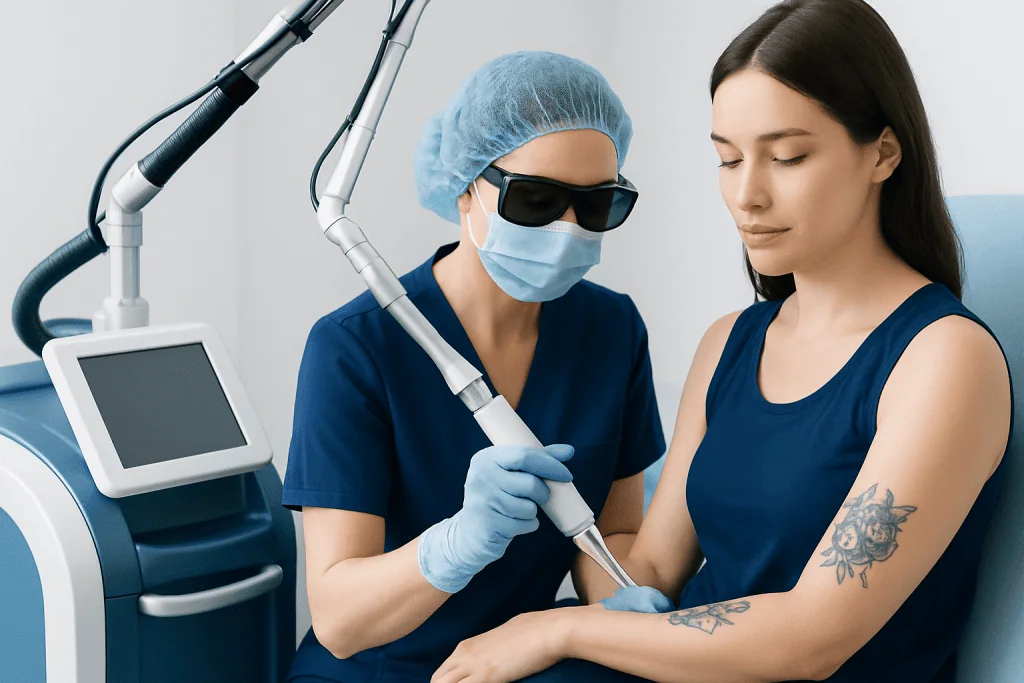
Laser treatment uses a wavelength of light selected to be absorbed by tattoo pigment. When the pigment absorbs this energy, it breaks into much smaller particles. The laser pulse is extremely brief, helping limit heating of nearby tissue, although some temporary inflammation is expected as part of the skin’s healing response.
Different pigments absorb different wavelengths. Black and dark-blue inks often respond well because they absorb a broad range of laser energy. Green, blue, red, yellow and white inks can be more variable and may require specialised laser settings or more sessions. Some cosmetic tattoo pigments can darken temporarily after treatment because of their chemical makeup.
Sessions are separated by a healing interval, often several weeks or longer. This gives the skin time to repair and allows the body to clear disrupted pigment. Treating too frequently does not necessarily improve tattoo removal results and may raise the chance of skin irritation or scarring.
Laser removal may be discussed alongside other dermatologic care when appropriate. People with concerns about changing moles, persistent rashes or suspicious skin lesions should have these assessed before cosmetic laser treatment rather than assuming they are related to tattoo ink.
Candidacy and planning for treatment

Many healthy adults with unwanted tattoos may be candidates for laser removal. A consultation should include an examination of the tattoo and surrounding skin, discussion of medical history, medication use, allergies, healing history and previous laser procedures. A test spot may be recommended, particularly for coloured ink, darker skin tones, permanent makeup or a history of pigment changes.
Removal may be postponed when there is an active skin infection, open wound, severe eczema flare, recent tanning or sunburn in the area. Pregnancy is also commonly a reason to defer elective laser treatment because there is limited research on cosmetic laser procedures during pregnancy.
People who form keloids or thick raised scars, take medicines that increase photosensitivity, have immune-system conditions, or have a history of poor wound healing need individual advice. These factors do not always rule out treatment, but they can change the treatment plan and the balance of potential benefits and risks.
Realistic expectations are central to good planning. The goal may be complete clearance, substantial fading, or lightening a tattoo before a cover-up. A clinician can explain which objective is most achievable for the particular tattoo.
Step by step: What happens during tattoo removal?
Before the session, the clinician confirms the treatment plan, reviews aftercare instructions and may take photographs to monitor progress. The treatment area is cleaned, and protective eyewear is worn by everyone in the room. Depending on the tattoo and the clinic’s protocol, a cooling device, topical anaesthetic or another pain-control method may be used.
During treatment, the laser handpiece is placed over the tattoo and delivers pulses across the inked area. Many people describe the sensation as quick snaps against the skin, with heat or stinging. Treatment time varies with the tattoo’s size and complexity, but the laser portion is often relatively brief.
Immediately afterward, the tattoo may look pale or frosted for a short time. Redness, swelling and pinpoint bleeding can occur. The area is usually cooled and covered with a clean dressing, and the person receives guidance on washing, moisturising, sun protection and activities to avoid while healing.
For people seeking specialist assessment and treatment planning, laser tattoo removal can be considered within a dermatology-led care plan. The appropriate laser and treatment interval should be based on the individual tattoo and skin characteristics.
How long does it take to recover from tattoo removal?
Initial recovery from tattoo removal commonly takes about one to two weeks, although the skin may continue to settle for longer. Redness, warmth, tenderness and mild swelling are common in the first few days. Small blisters, crusting or peeling may develop and should be allowed to heal naturally.
Most people can return to usual daily activities promptly, provided the treated area is protected from friction, contamination and excessive heat. Strenuous exercise, swimming pools, hot tubs and saunas may need to be avoided for a short period, particularly if there are blisters or broken skin. The clinician’s specific instructions should take priority.
Visible tattoo fading continues well beyond the surface recovery period. The immune system gradually clears pigment over several weeks after each session. This is why appointments are normally spaced apart rather than scheduled close together.
Keeping the area clean, using recommended dressings or moisturisers, avoiding picking, and applying broad-spectrum sun protection once the skin is intact can support healing. Sun exposure can increase the risk of uneven pigmentation and may affect future treatment settings.
Is tattoo removal 100% successful?
No. Tattoo removal is not 100% successful for every person or every tattoo. Some tattoos can become nearly invisible, but complete clearance cannot be promised. Even when most pigment clears, a faint shadow, residual colour or subtle change in skin texture may remain.
Black ink often has a favourable response, while certain bright inks, layered cover-up tattoos and deeply placed professional pigment can be harder to remove. White, yellow, fluorescent and some red pigments may respond unpredictably. Tattoo location can matter too, as areas with stronger circulation may clear pigment more efficiently than hands, feet or lower legs.
Skin healing is also part of the outcome. Temporary darkening or lightening of the skin can occur, especially after sun exposure or in people prone to pigment changes. These changes often improve with time, but occasionally they can persist.
A thorough consultation helps a person understand the likely degree of fading, number of sessions and possible limitations. Photographs taken before and between sessions can provide a more reliable view of progress than day-to-day inspection.
What are the downsides of tattoo removal?
The main downsides of tattoo removal are that it requires time, repeated appointments and patience. Treatment can be uncomfortable, and the tattoo fades gradually rather than disappearing after one session. Some pigments are resistant, so the final result may not match the person’s preferred outcome.
Expected short-term effects include redness, swelling, tenderness, itching, pinpoint bleeding, blistering and crusting. Less common risks include infection, prolonged healing, scarring and changes in skin colour. The risk may be higher if aftercare is not followed, if the treated skin is exposed to sunlight, or if a person has a tendency to form abnormal scars.
Rarely, an allergic reaction to ink can occur as pigment is disturbed, or pigment can become darker instead of lighter. A clinician should be informed about any prior tattoo reaction, including chronic itch, swelling or rash within the tattoo. Treatment should not be performed over a suspicious skin lesion without medical evaluation.
Choosing appropriately trained clinicians, using suitable equipment and following aftercare instructions can reduce avoidable risks. It is important to avoid non-medical removal methods, acid-based products or aggressive abrasion techniques, which can cause burns, infection and permanent scarring.
What can I expect after 3 sessions of tattoo removal?
After three tattoo removal sessions, many people notice measurable fading, but the amount varies widely. Some tattoos may appear noticeably lighter, with gaps or patchy clearing in the pigment. Others, especially dense professional tattoos or tattoos with difficult colours, may show only modest change at this stage.
It is normal for different colours and parts of the same tattoo to fade at different rates. Black outlines may respond differently from coloured shading, and areas where ink was applied more deeply can persist longer. The clinician may adjust laser settings or treatment intervals based on skin response and progress.
Three sessions are usually too early to judge the final result. The skin and immune system need time between treatments, and continuing improvement can occur for weeks after the most recent appointment. The number of total sessions is individual and should be reviewed periodically rather than assumed in advance.
If the aim is a cover-up rather than complete removal, three sessions may sometimes create enough lightening for a tattoo artist to work with. This decision should be made only after the treated skin has healed fully and the laser clinician confirms that further recovery is not needed.
When to seek medical care
Contact the treating clinic or seek medical advice if redness is spreading rather than improving, pain becomes severe, swelling increases after the first days, or there is pus, fever or feeling unwell. These symptoms can indicate infection or another complication that needs timely assessment.
Medical advice is also important for large or painful blisters, a rash beyond the treated area, persistent hives, marked skin darkening or lightening, or a wound that is not healing as expected. Do not pop blisters, scratch crusts or apply unadvised products, as this can increase the risk of infection and scarring.
Acibadem International’s multidisciplinary specialists and JCI-accredited hospitals can assess tattoo-removal suitability and manage skin concerns for international patients. A dermatologist can also advise if a pre-existing skin condition may affect treatment safety or recovery.
Frequently asked questions
How many sessions are needed for tattoo removal?
The number of sessions varies according to the tattoo’s size, colours, depth, location and the person’s skin response. Many tattoos need multiple treatments spaced several weeks apart. A clinician can provide an estimated range after examining the tattoo, but the exact number cannot be guaranteed in advance.
Does tattoo removal hurt?
Laser tattoo removal can be uncomfortable, often described as a snapping, stinging or hot sensation. Cooling methods and local pain-relief options may be used depending on the treatment area and clinic protocol. Discomfort is usually short-lived because the laser treatment itself is relatively quick.
Can tattoos be removed completely?
Some tattoos can fade very substantially or appear nearly removed, especially certain black-ink tattoos. However, complete removal is not possible in every case, and minor pigment, skin-colour change or texture change may remain. Coloured, layered and deeply inked tattoos can be more challenging.
How should skin be cared for after tattoo removal?
The treated area should be kept clean, protected and allowed to heal without picking blisters or crusts. The treating clinician may recommend a dressing, gentle moisturiser and temporary avoidance of swimming, friction and intense heat. Once the skin has healed, sun protection is important to reduce pigment changes.
Can tattoo removal cause scarring?
Scarring is uncommon when laser treatment is appropriately performed and aftercare is followed, but it is a possible risk. The chance may be higher in people with a history of keloids, poor wound healing, infection or repeated trauma to healing skin. A consultation should include discussion of individual scarring risk.
When can the next tattoo removal session be done?
The next session is generally scheduled only after the skin has healed and the body has had time to clear pigment fragments. This is often several weeks or longer, depending on the skin response, tattoo features and clinician’s plan. Shortening the interval without medical guidance may increase irritation without improving results.
References
- American Academy of Dermatology
- U.S. Food and Drug Administration
- National Health Service
- DermNet
This article is for general information only and is not a substitute for professional medical advice. Please consult a qualified doctor about your individual situation.
Explore treatments in Turkey — costs, top hospitals & a free quote
JCI-accredited · board-certified surgeons · reply within 24h

More from the Health Library


Related Specialists

Fzt. Murat Özel
Physical Medicine and Rehabilitation
Prof. Dr. Murat Karaman
Otorhinolaryngology
Prof. Dr. Selda Özçirpici
Physical Medicine & Rehabilitation
Dr. Hafsa Hicret Bülbül Göktaş
Neurology