Treatment of Acute Lymphoblastic Leukaemia: How It Works, Results and What to Expect
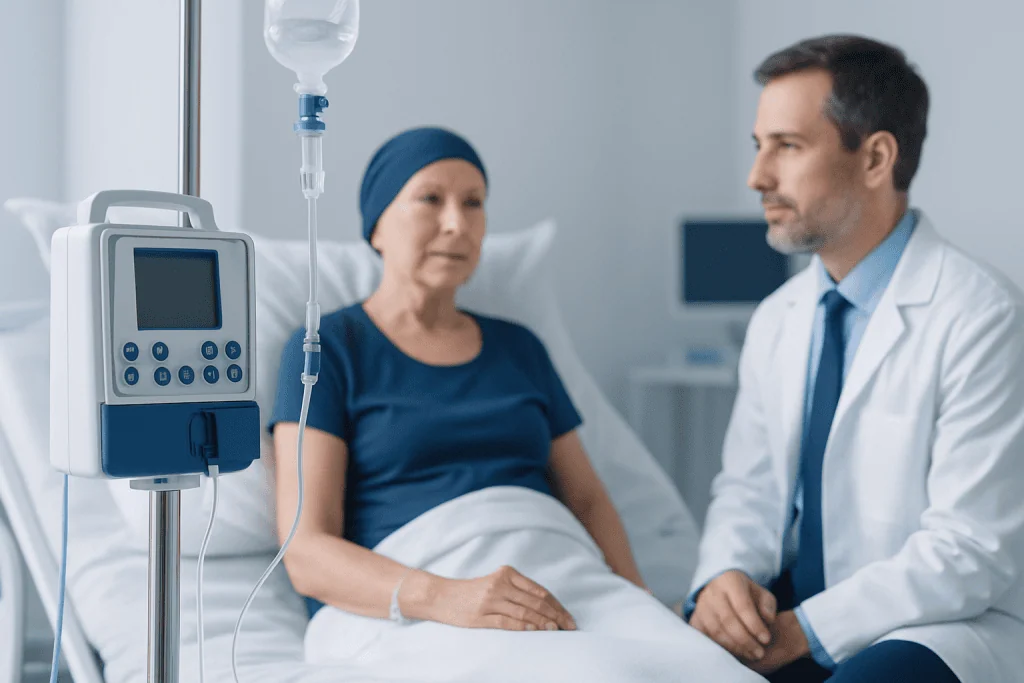
ALL is a fast-growing blood cancer, but modern treatment can often achieve remission and may be curative for many people. Treatment usually includes induction, consolidation or intensification, and maintenance therapy, often with preventive treatment for the brain and spinal fluid.
Key Takeaways
- ALL is a fast-growing blood cancer, but modern treatment can often achieve remission and may be curative for many people.
- Treatment usually includes induction, consolidation or intensification, and maintenance therapy, often with preventive treatment for the brain and spinal fluid.
- Targeted medicines, immunotherapy and stem cell transplantation may be recommended for certain ALL subtypes or when disease returns.
- Regular blood tests, bone marrow assessments and infection prevention are important throughout treatment.
- Urgent medical assessment is needed for fever or signs of infection during chemotherapy, as low blood counts can make infections serious.
Treatment of acute lymphoblastic leukaemia (ALL) is usually started promptly and follows carefully planned phases designed to bring the disease into remission, eliminate remaining leukaemia cells and reduce the chance of relapse. The most appropriate plan depends on a person’s age, overall health, ALL subtype, genetic findings and response to early treatment.
Overview: How treatment of acute lymphoblastic leukaemia works
Treatment of acute lymphoblastic leukaemia (ALL) aims first to achieve remission, meaning that leukaemia cells can no longer be detected with standard tests and healthy blood-cell production begins to recover. It then continues for months or sometimes years to destroy very small numbers of cells that may remain and to lower the risk of the disease returning. Although ALL develops quickly, treatment plans are highly structured and are adapted over time according to the person’s response.
ALL begins in immature white blood cells called lymphoblasts. These abnormal cells multiply in the bone marrow and can crowd out cells that normally make red blood cells, platelets and infection-fighting white blood cells. Treatment therefore commonly combines several medicines given in stages, rather than relying on one procedure alone. Some people also need targeted therapy, immunotherapy, radiation in selected circumstances, or a stem cell transplant.
Care is usually coordinated by a haematologist-oncologist with support from specialist nurses, pharmacists, pathologists, infectious-disease clinicians, nutrition professionals and psychosocial services. The treatment pathway may differ substantially between children, adolescents and adults, and between B-cell ALL and T-cell ALL. Acute lymphoblastic leukaemia information can help patients understand the disease alongside its treatment plan.
Who may be a candidate and how treatment is planned
Nearly everyone diagnosed with ALL needs active treatment, usually beginning soon after diagnosis. Before therapy starts, the clinical team confirms the ALL type using blood and bone marrow tests. Tests may examine chromosomes, genes and cell-surface markers because these results can identify higher-risk disease and help select medicines, including targeted treatments.
Doctors also consider age, fitness, heart, liver and kidney function, previous medical conditions, pregnancy status where relevant, and whether leukaemia has spread to the central nervous system. These factors help the team balance treatment intensity with safety. Older adults or people with significant health conditions may receive modified regimens intended to remain effective while reducing treatment-related harm.
A key part of planning is measuring minimal residual disease (MRD). MRD testing uses sensitive laboratory methods to look for tiny numbers of leukaemia cells that remain after treatment, even when routine microscopy suggests remission. MRD results can guide decisions about additional medicines, immunotherapy or whether a stem cell transplant should be considered.
What happens during treatment: the main phases

Induction therapy is the first phase. It commonly uses combination chemotherapy, sometimes together with a targeted medicine or immunotherapy. The goal is remission. This phase often requires close monitoring in hospital or frequent outpatient visits because treatment can lower blood counts and raise the risk of infection, bleeding and fatigue.
Consolidation or intensification therapy follows remission. It uses further treatment to remove residual cells that could cause relapse. Patients also receive central nervous system prophylaxis, usually through medicines placed into the fluid around the spinal cord during a lumbar puncture. This is important because leukaemia cells may sometimes be protected from standard bloodstream chemotherapy in the brain and spinal fluid.
Maintenance therapy is used in many ALL protocols after intensive phases are complete. It is generally less intensive and may last for an extended period, with regular monitoring and treatment adjustments. The exact sequence and duration vary by protocol and individual risk factors.
For some forms of B-cell ALL, targeted medicines can be added when specific genetic changes are present. Immunotherapies may help the immune system recognize leukaemia cells and can be used for persistent or relapsed disease in selected cases. Chemotherapy treatment remains a central component of care, but the combination of therapies is individualized.
The role of stem cell transplant, targeted therapy and immunotherapy
An allogeneic stem cell transplant replaces blood-forming cells with donor stem cells after intensive treatment. It may be considered for people whose ALL has high-risk features, does not respond adequately to initial therapy, remains detectable by MRD testing, or returns after remission. The donor immune system can also help attack remaining leukaemia cells, an effect known as graft-versus-leukaemia.
A transplant is not necessary for every person with ALL. It carries important risks, including severe infection, organ complications and graft-versus-host disease, in which donor immune cells attack healthy tissues. The decision requires detailed discussion of potential benefits, alternatives, donor availability and the person’s overall health. Bone marrow and stem cell transplantation may be evaluated by a specialist transplant team when appropriate.
Targeted therapy can be particularly important in ALL with the Philadelphia chromosome or related genetic changes. Immunotherapies, including antibody-based treatments and CAR T-cell therapy in carefully selected settings, have expanded options for some people with relapsed or refractory ALL. These treatments may have specific side effects and need specialist monitoring, so they are selected according to disease characteristics and prior treatment.
Recovery timeline, expected benefits and possible risks
Recovery is different for every person. The most intensive early phases of treatment can involve weeks of close monitoring and, for some people, hospital stays. Blood counts often fall before recovering, and transfusions, antibiotics or other supportive treatments may be needed. Returning to usual activities is gradual and depends on energy levels, blood counts, complications and the treatment schedule.
Remission may be achieved after induction therapy, but this does not mean treatment is finished. Consolidation and maintenance are crucial because they reduce the chance that undetectable cells will lead to relapse. Follow-up usually includes regular examinations, blood tests and, at planned points, bone marrow or MRD testing. Long-term follow-up also checks for late effects of therapy, such as changes in fertility, heart health, bone health, learning or emotional wellbeing.
Common treatment effects can include tiredness, nausea, mouth soreness, hair loss, reduced appetite, bruising or bleeding, and lowered resistance to infection. Effects vary with the medicines used. Some complications need urgent treatment, especially fever during low white blood cell counts, unusual bleeding, chest pain, breathing difficulty, severe abdominal pain or confusion. The care team provides individualized guidance on symptoms to report and how to access urgent support.
- Potential benefit: treatment can bring ALL into remission and, for many patients, offers the possibility of long-term disease-free survival.
- Short-term risks: infection, low blood counts, bleeding, nausea, organ stress and treatment reactions.
- Long-term considerations: relapse monitoring, fertility preservation where relevant, vaccination planning and surveillance for late effects.
Can you live a long life after acute lymphoblastic leukemia?
Yes. Many people who achieve lasting remission after ALL treatment can live for many years, and some are considered cured. Individual outlook depends on factors such as age, ALL subtype, genetic changes, how quickly remission is reached, MRD results and whether the disease returns. It is important not to compare one person’s outlook directly with another’s, because these factors can differ considerably.
Long-term survivorship care is an important part of treatment. Follow-up visits help identify relapse early and monitor for possible late effects, while also supporting physical activity, emotional health, work or school return, fertility concerns and preventive healthcare. A treating haematology team is best placed to explain an individual prognosis based on current test results and response to therapy.
Can you fully recover from acute lymphoblastic leukemia?
ALL can be cured in some people, particularly when treatment produces a deep, sustained remission. Doctors may use the term remission during and soon after therapy because ongoing monitoring is needed to confirm that leukaemia does not return. A durable remission after completion of treatment is a very encouraging outcome.
Even after successful treatment, regular follow-up remains essential. This is not meant to create alarm; it is a routine way to monitor health, manage late effects and provide timely support if any concerns arise. If ALL relapses, further treatment may still be possible and may include immunotherapy, targeted therapy, clinical trials or stem cell transplantation, depending on the situation.
How fast does acute lymphoblastic leukemia progress?
ALL is an acute leukaemia, which means it can progress over days to weeks rather than over many months or years. Without treatment, increasing numbers of abnormal cells can interfere with normal blood-cell production and may lead to worsening fatigue, infections, bruising or bleeding. For this reason, specialist assessment and treatment planning usually begin promptly after diagnosis.
Prompt treatment does not mean that every decision must be rushed without explanation. The team needs enough time to complete essential diagnostic and genetic testing, assess immediate risks and prepare supportive care. In some cases, treatment begins while further laboratory details are being finalized, then is refined when the results are available.
What is the most effective treatment for acute lymphoblastic leukemia?
There is no single best treatment for every person with ALL. The most effective approach is a risk-adapted combination plan, usually built around multi-agent chemotherapy given in phases, with central nervous system prevention and close MRD monitoring. Targeted medicines, immunotherapy or stem cell transplantation can provide important additional benefit for people with particular disease features or treatment responses.
For example, ALL with certain genetic changes may respond especially well when a targeted medicine is combined with chemotherapy. A person with persistent MRD or relapsed ALL may benefit from an immunotherapy or transplant assessment. The most suitable plan should be discussed with a specialist team that can explain the treatment goals, expected timeline, alternatives and potential side effects in clear terms.
When to seek medical care and practical self-care
Anyone with symptoms that may suggest a blood disorder, such as unexplained persistent fatigue, frequent infections, fever, unusual bruising or bleeding, bone pain, swollen lymph nodes, shortness of breath or unintentional weight loss, should arrange a timely medical assessment. These symptoms can have many causes and do not necessarily mean ALL, but they deserve evaluation when persistent or concerning.
During ALL treatment, patients should follow their care team’s instructions on infection prevention, food safety, oral care, activity and medication use. They should contact the treating team urgently for fever, chills, new cough, shortness of breath, uncontrolled vomiting or diarrhoea, severe headache, confusion, painful urination, a rash with fever, or any unusual bleeding. People should not take new supplements, herbal products or over-the-counter medicines without checking with their oncology team.
Acibadem International’s multidisciplinary specialists and JCI-accredited hospitals provide diagnosis and treatment planning for international patients with ALL, including access to coordinated haematology, oncology and transplant services where indicated. Support from family, mental health professionals, social workers and patient organizations can also make the treatment period more manageable.
Frequently asked questions
How long does treatment for acute lymphoblastic leukaemia last?
The intensive early phases generally take several months, while maintenance therapy in many treatment plans may continue for a longer period. The overall timeline depends on age, ALL subtype, risk category, response to treatment and whether a transplant or additional therapies are needed.
Is acute lymphoblastic leukaemia treatment always given in hospital?
Not always. Induction treatment or complications such as fever and low blood counts may require a hospital stay, while some later treatment is given through outpatient visits. The care team will explain when monitoring in hospital is safest.
Why are lumbar punctures used during ALL treatment?
Leukaemia cells can sometimes enter the fluid around the brain and spinal cord, where some standard medicines do not reach well. Medicines given during a lumbar puncture help prevent or treat central nervous system involvement.
What does MRD-negative mean in ALL?
MRD-negative means that highly sensitive testing has not detected leukaemia cells after treatment. It is generally a favorable finding, but it does not replace the need for planned treatment and follow-up because the result is considered alongside many other factors.
Can fertility be affected by ALL treatment?
Some ALL treatments may affect fertility, particularly more intensive chemotherapy, radiation or stem cell transplantation. When time and health circumstances allow, patients should discuss fertility preservation with their team before treatment begins.
Can acute lymphoblastic leukaemia come back after remission?
Yes, relapse is possible, which is why treatment continues after initial remission and follow-up is important. If ALL returns, treatment options may include different chemotherapy combinations, targeted therapy, immunotherapy, clinical trials or stem cell transplantation depending on the individual situation.
References
- National Cancer Institute
- American Cancer Society
- Leukemia & Lymphoma Society
- European Society for Medical Oncology
- National Comprehensive Cancer Network
This article is for general information only and is not a substitute for professional medical advice. Please consult a qualified doctor about your individual situation.
Explore treatments in Turkey — costs, top hospitals & a free quote
JCI-accredited · board-certified surgeons · reply within 24h