Dat Scan Cost: What Patients Really Pay

A DaTscan is a nuclear medicine imaging test that helps assess dopamine transporter activity in the brain. Its cost may include consultation, tracer preparation, scan acquisition, radiology or nuclear medicine reporting, and follow-up care.
Key Takeaways
- A DaTscan is a nuclear medicine imaging test that helps assess dopamine transporter activity in the brain.
- Its cost may include consultation, tracer preparation, scan acquisition, radiology or nuclear medicine reporting, and follow-up care.
- A DaTscan supports clinical decision-making but does not diagnose Parkinson’s disease on its own.
- Coverage, including Medicare coverage in the United States, depends on medical necessity and an individual plan’s rules.
- Most people return to usual activities shortly after the scan, with simple radiation-safety instructions.
DaT scan cost is not a single fixed amount. The final patient bill can depend on the imaging center, radiopharmaceutical tracer, specialist interpretation, local healthcare system and insurance or public-health coverage.
DaT Scan Cost: What Does the Patient Bill Include?
DaT scan cost varies because the test is a specialized nuclear medicine procedure rather than a standard X-ray or blood test. A reliable estimate should account for the prescribed radiotracer, the imaging appointment, nuclear medicine staff, image interpretation, and any clinical visits needed before or after the scan. Costs can also differ substantially between countries, hospitals, outpatient imaging centers and private facilities.
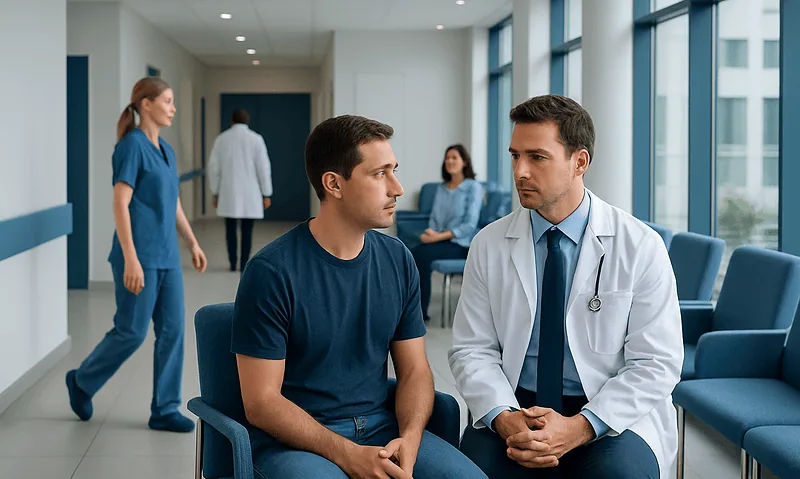
Patients should ask for an itemized written estimate before booking. Useful questions include whether the estimate includes the radiopharmaceutical, the scan itself, the specialist’s report, thyroid-blocking medication when required, and follow-up consultation. If insurance is involved, it is important to confirm both the facility and interpreting physician are covered and to ask about prior authorization, deductibles, co-insurance and possible out-of-network charges.
For people travelling for care, the dat scan price may also involve practical expenses such as transport, accommodation, translation support and follow-up arrangements at home. The best value is not necessarily the lowest initial quote; timely expert interpretation and coordinated neurological assessment are important parts of a meaningful result.
What a DaTscan Is and How It Works
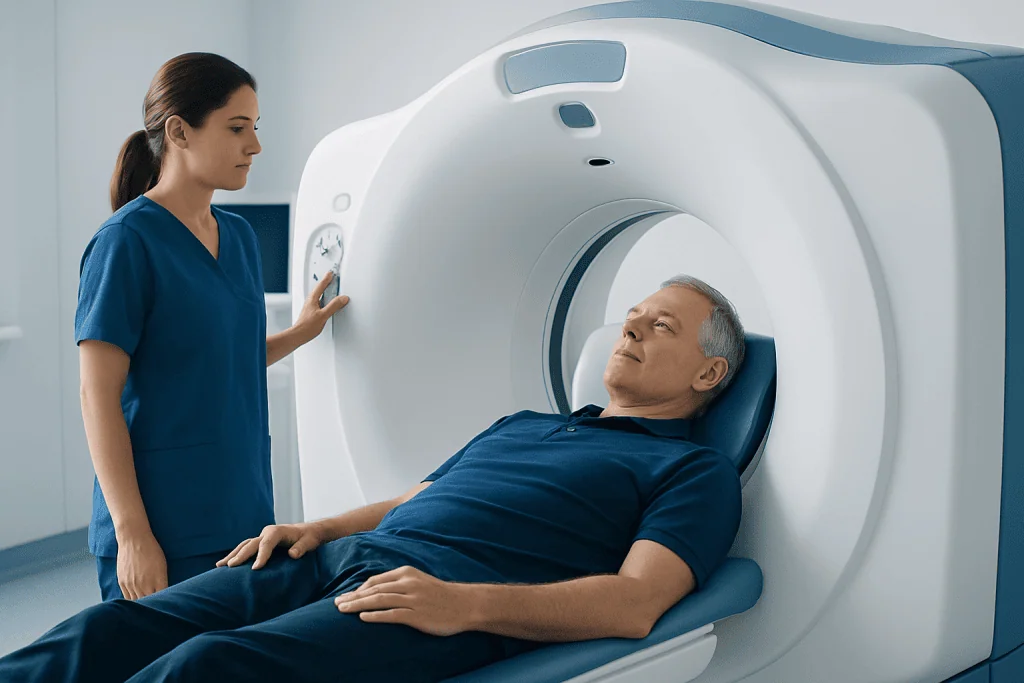
A DaTscan is the common name for dopamine transporter single-photon emission computed tomography, or SPECT, imaging. It uses a small amount of a radioactive tracer, usually administered through a vein, to show dopamine transporter activity in an area of the brain called the striatum. Dopamine-producing nerve cells are involved in movement control.
In conditions known as degenerative parkinsonian syndromes, including Parkinson’s disease, dopamine transporter activity is often reduced. The scan can help a clinician distinguish this pattern from conditions that may cause tremor or slowed movement without loss of dopamine-producing nerve cells, such as essential tremor or some medication-related movement symptoms.
A DaTscan is an additional diagnostic tool, not a stand-alone answer. A neurologist considers the scan alongside the person’s symptoms, medical history, physical and neurological examination, medication list and, when needed, other tests. It does not identify every cause of parkinsonism or predict exactly how symptoms will change over time.
Who May Be a Candidate for a DaTscan?

A neurologist may recommend a DaTscan when a person has symptoms such as tremor, slowness, stiffness, changes in walking or balance difficulties, but the clinical diagnosis remains uncertain. It can be particularly helpful when the key question is whether symptoms are likely related to a loss of dopamine nerve terminals.
Not everyone with suspected Parkinson’s disease needs this scan. In many people, an experienced clinician can make a diagnosis based on the history and examination, then monitor how symptoms develop over time. A scan is usually considered when its result is likely to change diagnosis, treatment planning or the need for further assessment.
Before referral, patients should tell the care team about pregnancy, breastfeeding, kidney problems, allergies, thyroid conditions and all medicines, supplements and recreational substances. Certain medicines can affect tracer binding and may need review before the test. Patients should never stop a prescribed medicine unless the clinician who manages it gives clear instructions.
Movement symptoms may also be evaluated within a broader Parkinson’s disease assessment, particularly if there are changes in mobility, daily function, mood, sleep or thinking.
DaTscan Procedure: What Happens Step by Step?
Preparation begins with a review of the referral, current medicines and relevant health information. Many centers give medication-specific instructions in advance. In some cases, medicine is given before the tracer injection to reduce uptake of radioactive iodine by the thyroid gland. The team will explain whether eating, drinking or other preparations are needed.
During the appointment, a clinician injects the tracer into a vein in the arm or hand. There is then a waiting period, commonly several hours, while the tracer circulates and binds in the brain. Patients may usually sit comfortably, eat, drink and use the restroom during this time, depending on the center’s instructions.
For the scan, the person lies on a padded table while a gamma camera rotates around the head. The head may be supported or gently stabilized to reduce movement. The imaging itself is painless, although staying still can be challenging for people with tremor, pain, claustrophobia or involuntary movements. The healthcare team can discuss ways to improve comfort before the appointment.
After imaging, a nuclear medicine physician or radiologist reviews the images and sends a report to the referring clinician. The scan result is then interpreted in the context of the person’s symptoms and examination, rather than in isolation.
Benefits, Risks and Recovery After a DaTscan
The main potential benefit of a DaTscan is greater diagnostic clarity when clinical findings are uncertain. A result showing reduced dopamine transporter binding can support the presence of a degenerative parkinsonian syndrome. A scan without this pattern can make certain dopamine-related causes less likely and may prompt the clinician to consider other explanations for the symptoms.
The radiation exposure from a DaTscan is limited but not zero. The tracer is designed to leave the body naturally over time, mainly through urine. Mild effects such as headache, dizziness, nausea or dry mouth can occur but are uncommon. As with any injection, there can be brief discomfort, bruising or a rare allergic reaction.
Most people can go home after the test and resume normal activities the same day unless their clinician advises otherwise. Drinking fluids and urinating regularly may help clear the tracer. Centers may advise patients to limit prolonged close contact with infants or pregnant people for a short period; the exact advice should come from the nuclear medicine department because it depends on local protocols.
Recovery does not usually involve physical restrictions, but the emotional impact of awaiting or receiving results can be significant. A planned follow-up conversation with a neurologist can help patients understand what the result does and does not mean and discuss appropriate next steps.
How accurate is a DaTscan for Parkinson's?
A DaTscan can accurately identify whether there is an abnormal pattern of dopamine transporter loss, which supports a diagnosis within the degenerative parkinsonian spectrum. It is most useful when the clinical question is whether symptoms are likely caused by a dopamine-deficient disorder rather than a condition such as essential tremor. However, accuracy depends on the quality of the scan, expert interpretation and the patient’s clinical context.
The test cannot confirm Parkinson’s disease by itself. An abnormal result may also be seen in other disorders that affect dopamine pathways, including multiple system atrophy, progressive supranuclear palsy and dementia with Lewy bodies. It also cannot reliably distinguish Parkinson’s disease from these related conditions.
A normal result does not rule out every neurological cause of movement symptoms. Some people require ongoing observation, repeat clinical assessments or additional investigations. A neurologist should explain how the result fits with the person’s examination, response to treatment and overall health history.
Will Medicare pay for a DaTscan?
In the United States, Medicare may cover a DaTscan when it is medically necessary and performed under applicable coverage requirements. Coverage decisions can depend on the indication, the documentation supporting the referral, the facility, and whether the service is billed through Medicare Part B or a Medicare Advantage plan.
Even when a scan is covered, a patient may have out-of-pocket responsibility related to a deductible, co-insurance or plan-specific rules. Prior authorization may be required by some Medicare Advantage plans or supplemental insurers. The ordering clinician’s office and imaging facility can often help verify benefits, but patients should also contact their plan directly for the most current information.
For those outside the United States, national health services, private insurers and self-pay policies differ. Asking for a pre-treatment financial estimate and confirmation of what is included provides a clearer picture of anticipated dat scan costs.
How long does it take to get results from a DaTscan?
The complete DaTscan visit commonly takes much of a day because there is a waiting period between the tracer injection and image acquisition. The imaging portion itself is shorter, but timing varies by facility, scanner protocol and individual circumstances.
Image review and reporting may take from the same day to several days. The referring neurologist may schedule a separate appointment to discuss the findings, especially when the result needs to be considered alongside an examination or other tests. Patients can ask when and how results will be communicated before leaving the imaging center.
A prompt report is helpful, but a careful explanation is equally important. A clinician should discuss whether the scan supports or argues against dopamine transporter loss, what uncertainty remains, and whether any change to the care plan is appropriate.
Can a DaTscan detect dementia?
A DaTscan does not diagnose dementia in general and cannot determine the cause of every memory or thinking problem. It assesses dopamine transporter activity, not memory, language, attention or the overall structure of the brain. Dementia assessment usually includes a detailed history, cognitive testing, physical examination, medication review and sometimes blood tests or structural brain imaging.
The scan may be useful in selected people when clinicians are considering dementia with Lewy bodies, a condition that can involve cognitive changes alongside fluctuating alertness, visual hallucinations, sleep behavior changes or parkinsonian movement symptoms. An abnormal DaTscan can support that diagnostic consideration, but it must be interpreted with the complete clinical picture.
People experiencing new or worsening memory changes should seek evaluation rather than relying on a single imaging test. A specialist can determine whether symptoms may relate to a neurological condition, mood, sleep, medication effects, metabolic concerns or another treatable factor.
When to Seek Medical Care
Medical assessment is appropriate for a new persistent tremor, slowness of movement, stiffness, repeated falls, changes in handwriting, difficulty walking, unexplained loss of balance, or symptoms that interfere with work, self-care or daily activities. Early evaluation does not mean a serious diagnosis is expected; these symptoms can have a range of causes, and a careful assessment helps identify the right next step.
Urgent medical care is needed for sudden weakness or numbness on one side of the body, sudden difficulty speaking, new severe headache, sudden confusion, fainting, chest pain or abrupt loss of coordination. These symptoms can indicate an emergency and should not wait for an outpatient imaging appointment.
Where DaTscan is clinically appropriate, DaTscan evaluation may be coordinated with neurological consultation and follow-up. Acibadem International’s multidisciplinary specialists and JCI-accredited hospitals diagnose and treat neurological conditions for international patients, with care plans guided by individual clinical needs.
Frequently asked questions
What is included in DaT scan cost?
A DaTscan estimate may include the radiotracer, injection, imaging appointment, technical services and interpretation by a nuclear medicine physician or radiologist. It may not automatically include a neurological consultation, travel costs or follow-up care, so patients should request an itemized estimate.
Is a DaTscan painful?
The scan itself is painless. Patients may feel a brief pinch during the intravenous injection, and they need to remain still while the images are taken. The care team can discuss comfort measures if tremor, pain or anxiety makes this difficult.
Do I need to stop medications before a DaTscan?
Some medicines can influence the test result, while many do not. The referring clinician and nuclear medicine department should review every prescribed medicine, over-the-counter product and supplement before the appointment. Patients should not stop medicines on their own.
Can a DaTscan tell which type of Parkinsonism a person has?
A DaTscan can show whether dopamine transporter activity is reduced, supporting a degenerative parkinsonian condition. It generally cannot reliably distinguish Parkinson’s disease from other degenerative parkinsonian disorders. Clinical assessment and follow-up remain essential.
Can I drive home after a DaTscan?
Most people can return home and resume ordinary activities after the procedure. However, individual instructions may differ if a person has received medication that affects alertness or has other medical needs. The imaging center will provide specific advice.
Why might a doctor order a DaTscan instead of an MRI?
MRI and DaTscan answer different questions. An MRI shows brain structure and can help identify issues such as stroke, tumors or other structural changes, while a DaTscan assesses dopamine transporter activity. A clinician may recommend one or both depending on the symptoms and diagnostic question.
References
- U.S. Food and Drug Administration
- National Institute of Neurological Disorders and Stroke
- Parkinson's Foundation
- Society of Nuclear Medicine and Molecular Imaging
- Centers for Medicare & Medicaid Services
This article is for general information only and is not a substitute for professional medical advice. Please consult a qualified doctor about your individual situation.
Explore treatments in Turkey — costs, top hospitals & a free quote
JCI-accredited · board-certified surgeons · reply within 24h