Understanding Smith Syndrome Disease: A Complete Patient Guide

Smith syndrome disease most commonly refers to Smith-Magenis syndrome, a rare genetic disorder caused by a chromosome 17 deletion or a change in the RAI1 gene. Common features include developmental delay, speech and learning difficulties, sleep problems, and behavioral challenges.
Key Takeaways
- Smith syndrome disease most commonly refers to Smith-Magenis syndrome, a rare genetic disorder caused by a chromosome 17 deletion or a change in the RAI1 gene.
- Common features include developmental delay, speech and learning difficulties, sleep problems, and behavioral challenges.
- Diagnosis often combines a clinical evaluation with genetic testing.
- Treatment focuses on supportive care, including developmental therapies, sleep management, educational support, and treatment of associated medical problems.
- Families benefit from long-term follow-up with pediatric, genetic, neurologic, and behavioral specialists.
- A doctor should assess concerns early if a child has delayed milestones, significant sleep disturbance, or unusual behavioral patterns.
Smith syndrome disease usually refers to Smith-Magenis syndrome, a rare genetic condition that affects development, sleep, behavior, learning, and physical growth. While it cannot be cured, early diagnosis and coordinated medical, developmental, and family support can help improve daily functioning and quality of life.
Overview: What Is Smith Syndrome Disease?
Smith syndrome disease is commonly used to describe Smith-Magenis syndrome, a rare genetic condition that affects multiple parts of a child’s development. It may influence learning, speech, behavior, sleep, growth, and some physical features. Because symptoms can vary from one person to another, the condition may not be recognized right away, especially in infancy.
The syndrome usually results from either a small missing piece of chromosome 17 or a change in a gene called RAI1. These genetic changes affect normal development and the body’s internal regulation of sleep and behavior. The condition is present from birth, but some signs become clearer over time as a child grows and developmental expectations increase.
Parents often first notice delays in sitting, walking, speech, or social development. Others may seek help because of frequent night waking, daytime sleepiness, self-injurious behaviors, or difficulties with attention and emotional regulation. A careful assessment helps doctors distinguish this condition from autism spectrum disorder, attention-deficit/hyperactivity disorder, intellectual disability, or other genetic disorders with overlapping features.
Signs and Symptoms
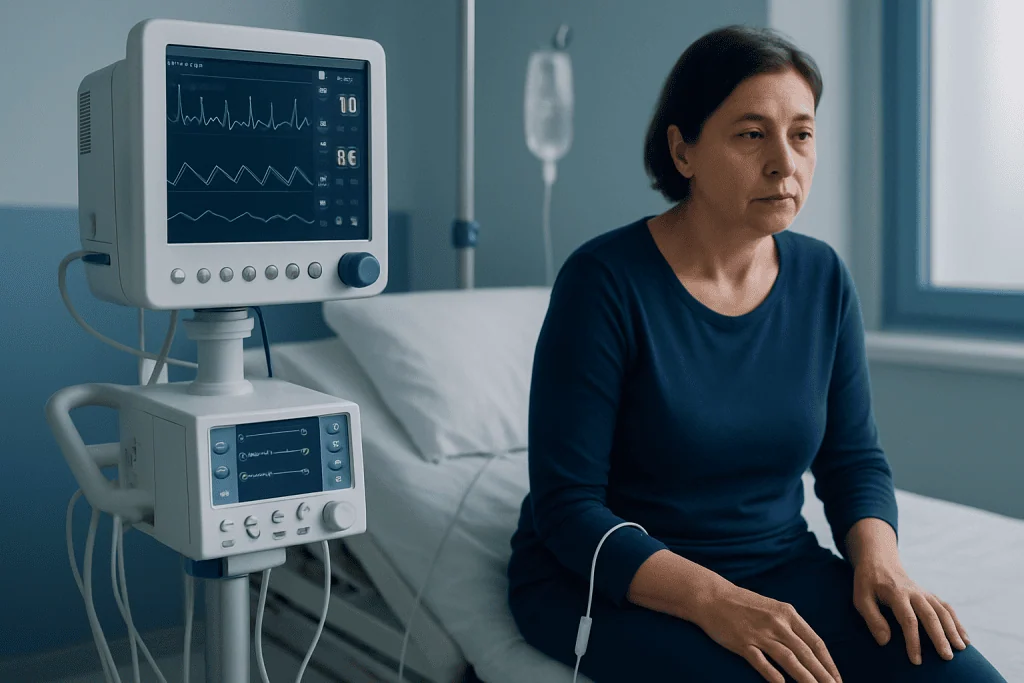
The symptoms of smith syndrome disease can affect physical development, communication, sleep, and behavior. Not every person has every symptom, and severity can range from mild to more complex. In many children, developmental delay is one of the earliest clues, especially delayed speech and language skills.
Sleep disturbance is especially characteristic. Many children have trouble falling asleep, wake frequently during the night, or feel sleepy during the day. Behavioral features may include impulsivity, strong emotional reactions, repetitive behaviors, attention difficulties, and self-hugging or other distinctive mannerisms. Some children may bite themselves, pick at the skin, or bang their head, usually as part of sensory or behavioral dysregulation rather than intentional self-harm in the usual adult sense.
Common possible features include:
- Delayed motor, speech, and cognitive development
- Learning difficulties or intellectual disability
- Sleep problems, including frequent waking and early morning rising
- Behavioral challenges, including impulsivity and emotional outbursts
- Sensory processing differences
- Short stature or slower growth in some children
- Feeding problems in infancy
- Ear infections, hearing concerns, or vision issues
- Distinctive facial features that may become more noticeable with age
Some people also have scoliosis, reduced pain sensitivity, constipation, or heart, kidney, thyroid, or immune-related concerns. Because the syndrome can affect several organ systems, a broad medical review is often helpful after diagnosis.
What Causes It and Who Is at Risk?

Smith syndrome disease is caused by a genetic change, most often a deletion in chromosome 17p11.2 or a pathogenic variant in the RAI1 gene. These changes happen because the genetic instructions involved in development and biological rhythms are missing or altered. In most cases, the change is not caused by anything a parent did before or during pregnancy.
Most cases happen spontaneously, meaning they are new in the child and are not inherited from either parent. Less commonly, a parent may carry a genetic change or chromosomal rearrangement that increases the chance of having an affected child. For this reason, families are often offered genetic counseling after diagnosis to better understand recurrence risk and testing options.
There are no lifestyle factors known to cause this syndrome. It affects boys and girls and can occur in any ethnic or geographic group. Because it is rare and symptoms overlap with other neurodevelopmental conditions, some children may initially receive a different diagnosis before genetic testing clarifies the cause.
How Doctors Diagnose Smith Syndrome Disease
Diagnosis begins with a detailed medical history and physical examination. Doctors look at developmental milestones, sleep patterns, behavior, growth, family history, and any associated medical issues such as hearing loss, feeding difficulties, or recurrent infections. If the child’s pattern of symptoms suggests an underlying syndrome, genetic testing is the next step.
Tests may include chromosomal microarray analysis to look for deletions and targeted gene testing for RAI1. In some cases, broader genomic testing is considered when the diagnosis is uncertain. These tests help confirm whether symptoms fit Smith-Magenis syndrome rather than another developmental condition.
Children may also need assessments from multiple specialists. Hearing and vision testing, developmental evaluations, sleep assessment, and imaging or cardiac studies may be recommended depending on symptoms. When neurological symptoms are present, doctors may involve specialists in neurology evaluation or developmental medicine to better understand the child’s needs and plan care safely.
A confirmed diagnosis can be emotionally difficult for families, but it is also useful. It gives a clearer explanation for the child’s symptoms, helps guide therapy and school planning, and connects families with appropriate support and long-term monitoring.
Treatment and Long-Term Management
There is no cure that reverses the genetic change behind smith syndrome disease, so treatment focuses on supportive and symptom-based care. The aim is to improve sleep, communication, learning, mobility, behavior, and overall health. Because the syndrome affects each person differently, treatment plans are individualized and usually adjusted over time.
Early intervention is often very helpful. Speech and language therapy, occupational therapy, physical therapy, and special education support can improve skills and help a child become more independent. Behavioral support is also important, especially when there are frequent outbursts, self-injury, sensory difficulties, or problems with transitions and routines.
Doctors may also address associated medical issues such as chronic ear infections, constipation, scoliosis, feeding problems, or seizures if present. Sleep problems sometimes require careful behavioral strategies and specialist guidance. Depending on the child’s symptoms, coordinated care may involve pediatric neurology, developmental pediatrics, genetics, psychology, rehabilitation, ENT, orthopedics, or sleep medicine.
Near the end of the diagnostic process or during ongoing follow-up, some families seek care at centers experienced in complex rare disorders. Acibadem International’s multidisciplinary specialists in JCI-accredited hospitals evaluate and treat children and adults with genetic and developmental conditions, including those who may benefit from genetic testing and coordinated specialist review.
Daily Support, Education, and Home Care
Home routines play a major role in quality of life. Many children do best with a predictable daily schedule, clear transitions, visual supports, and calm bedtime routines. Caregivers often find that reducing overstimulation, using simple instructions, and preparing the child in advance for changes can lower frustration and improve cooperation.
School support should match the child’s learning profile rather than relying only on age-based expectations. Some children need speech and occupational support within the classroom, while others benefit from individualized educational plans, sensory accommodations, and behavior strategies that are shared across home and school.
Families should also watch for safety issues. Impulsivity, sleep disruption, reduced awareness of pain, and self-injurious habits can increase everyday risks. Practical steps may include supervising bathing and climbing, securing windows or doors when needed, protecting the skin from repetitive picking, and discussing behavior plans with clinicians.
Caring for a child with a rare syndrome can be demanding, so caregiver support matters too. Parent training, respite options, counseling, and peer support groups may help families manage stress and make informed decisions over the long term.
When to Seek Medical Care
Parents should seek medical advice if a child has significant developmental delays, especially in speech, movement, or social communication. An assessment is also important if there are persistent sleep problems, unusual repetitive behaviors, frequent emotional outbursts, or self-injury. Early evaluation can lead to earlier support, even before a final diagnosis is confirmed.
Prompt medical review is also needed if the child has seizures, breathing problems during sleep, marked feeding difficulty, dehydration, sudden changes in behavior, or injuries related to reduced pain awareness or self-harm behaviors. A doctor should assess hearing loss, recurrent ear infections, scoliosis concerns, or constipation that does not improve with routine care.
Families who already have a diagnosis should keep regular follow-up visits, because needs often change with age. Childhood, adolescence, and adulthood may each bring new educational, behavioral, orthopedic, or mental health challenges that deserve ongoing review by a qualified care team.
Frequently asked questions
Is smith syndrome disease the same as Smith-Magenis syndrome?
In most health information contexts, smith syndrome disease refers to Smith-Magenis syndrome. This is a rare genetic condition linked to changes involving chromosome 17 or the RAI1 gene.
Can Smith syndrome disease be cured?
There is no cure that removes the underlying genetic change. However, many symptoms can be managed with developmental therapies, sleep support, behavioral strategies, and treatment of associated medical problems.
At what age is Smith syndrome disease usually diagnosed?
Some children are diagnosed in early childhood when delays and sleep problems become more noticeable. Others may be diagnosed later if symptoms are mild or overlap with other developmental or behavioral conditions.
Does every child with Smith syndrome disease have the same symptoms?
No, symptoms vary widely from person to person. Some children have more prominent learning and speech delays, while others have greater sleep disturbance, behavioral challenges, or associated medical concerns.
Is smith syndrome disease inherited from parents?
Most cases happen spontaneously and are not inherited. After diagnosis, genetic counseling can help families understand whether any parental testing or future pregnancy planning is recommended.
What specialists may be involved in treatment?
Care often includes a pediatrician, geneticist, neurologist, speech therapist, occupational therapist, physical therapist, and behavioral or educational specialists. Other doctors may be involved if the child has hearing, orthopedic, sleep, or gastrointestinal problems.
References
- National Institute of Neurological Disorders and Stroke
- MedlinePlus Genetics
- National Organization for Rare Disorders
- GeneReviews
- American Academy of Pediatrics
This article is for general information only and is not a substitute for professional medical advice. Please consult a qualified doctor about your individual situation.
Explore treatments in Turkey — costs, top hospitals & a free quote
JCI-accredited · board-certified surgeons · reply within 24h