What Do Period Cramps Feel Like? Here Is What the Evidence Says
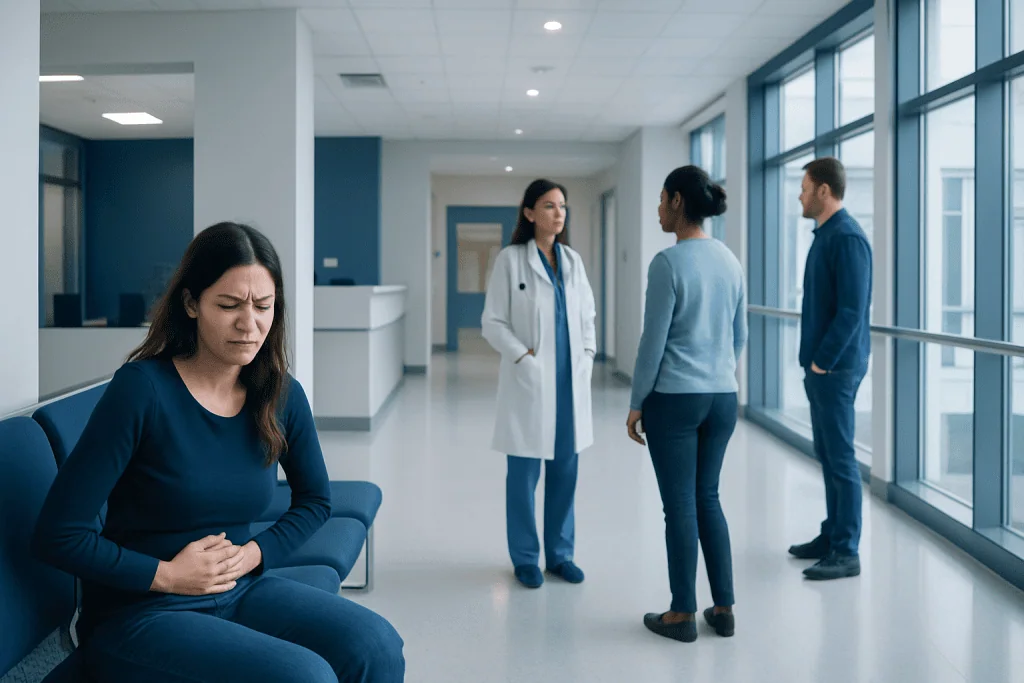
Period cramps usually feel like aching, pressure, or spasms in the lower abdomen, often starting just before or at the beginning of a period. Pain may also be felt in the lower back, hips, or thighs, and some people have nausea, diarrhea, headache, or fatigue too.
Key Takeaways
- Period cramps usually feel like aching, pressure, or spasms in the lower abdomen, often starting just before or at the beginning of a period.
- Pain may also be felt in the lower back, hips, or thighs, and some people have nausea, diarrhea, headache, or fatigue too.
- Most cramps are caused by normal uterine contractions, but severe or worsening pain can be linked to conditions such as endometriosis, fibroids, or pelvic infection.
- Doctors assess period pain by asking about timing, severity, bleeding patterns, and other symptoms, and may use a pelvic exam or ultrasound if needed.
- Medical care is important if cramps are suddenly much worse, do not improve with usual measures, or come with heavy bleeding, fever, fainting, or pain between periods.
What do period cramps feel like? For many people, they feel like a dull, tightening, throbbing, or cramping pain low in the belly that may come in waves and sometimes spread to the lower back or upper thighs. Period cramps are often harmless, but very severe pain, new pain, or pain with other symptoms can sometimes point to an underlying condition and should be checked by a doctor.
Overview: what period cramps usually feel like
For most people, period cramps feel like a dull, squeezing, throbbing, or cramping pain in the lower abdomen. The discomfort may be mild and annoying or strong enough to interrupt normal activities for a day or two. It often begins shortly before bleeding starts or within the first day of a period, then gradually eases.
Many people describe the pain as coming in waves, while others feel a steady ache or a sense of pressure low in the pelvis. The pain can stay centered in the lower belly or spread to the lower back, hips, groin, or upper thighs. Some people also notice bowel changes, nausea, headache, sweating, or tiredness at the same time.
In many cases, this type of pain is harmless and reflects the uterus contracting to shed its lining. Still, not all period pain is the same. If cramps are unusually severe, new, or different from a person’s usual pattern, a doctor may look for conditions such as endometriosis or other gynecologic causes.
How the pain can vary from person to person
There is no single “correct” way period cramps should feel. Some people have a mild pulling or heavy sensation, while others have sharp spasms that come and go. The same person may also notice that cramps change over time depending on age, stress, sleep, activity level, hormonal factors, or whether they have given birth.
Cramps are commonly felt in the lower middle abdomen, but location can vary. Pain may be stronger on one side, seem deeper in the pelvis, or radiate into the back or legs. This can make it hard to tell whether discomfort is coming from the uterus, bowel, bladder, or nearby pelvic structures.
Associated symptoms can also shape how period cramps feel overall. Common accompanying symptoms include:
- Lower back pain
- Aching in the thighs or hips
- Bloating or abdominal pressure
- Nausea or loose stools
- Headache
- Fatigue or feeling generally unwell
Even when these symptoms are present, they do not automatically mean something is seriously wrong. What matters most is the pattern: when the pain starts, how intense it is, how long it lasts, and whether it is changing.
Why period cramps happen
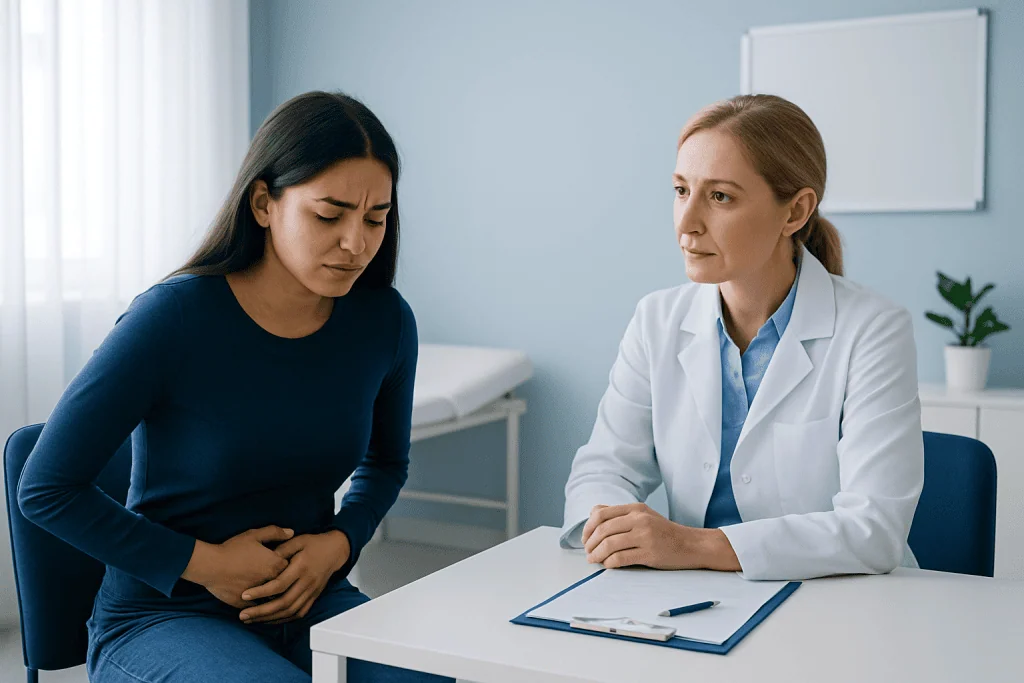
The most common reason period cramps happen is that the uterus contracts during menstruation. These contractions are triggered by hormone-like substances called prostaglandins. Higher prostaglandin levels can lead to stronger uterine contractions, reduced blood flow to the uterine muscle, and more noticeable pain.
This common type of period pain is called primary dysmenorrhea. It is not caused by another disease and often begins in adolescence or early adulthood, usually within a few years after periods start. Pain is often worst on the first one or two days of bleeding and may improve with age for some people.
Secondary dysmenorrhea means period pain related to an underlying condition. Causes can include endometriosis, adenomyosis, uterine fibroids, pelvic inflammatory disease, or less commonly ovarian cysts or structural differences of the uterus. In these cases, pain may start earlier in the cycle, last longer, worsen over time, or occur along with pain during sex, heavy bleeding, or pain between periods.
When cramps seem out of proportion to the amount of bleeding or are affecting school, work, sleep, or daily life, it is reasonable to ask whether something more than routine menstrual pain may be involved.
When cramps may suggest an underlying problem
Period cramps are common, but some features deserve closer attention. A person should be more alert to cramps that are suddenly much more severe than usual, begin for the first time later in adult life, or no longer respond to the measures that used to help. Pain that causes vomiting, fainting, or inability to function is also a reason to seek medical advice.
Doctors are also more concerned when cramps are accompanied by other symptoms, such as very heavy bleeding, bleeding between periods, fever, unusual vaginal discharge, pain during sex, pain with bowel movements, or pelvic pain that continues after the period ends. These symptoms can point toward infection, fibroids, endometriosis, or another pelvic condition rather than uncomplicated menstrual cramping.
Some people worry that severe cramps always mean infertility or a serious disease. That is not true. Severe pain can have several explanations, and many are treatable. The key is not to ignore a clear change in pattern or pain that is disrupting quality of life.
In some cases, evaluation may lead to diagnosis and treatment of conditions such as uterine fibroids. Finding the cause can help guide more effective care than repeated short-term self-management alone.
How doctors evaluate period cramps
If someone seeks care for period cramps, the first step is usually a detailed history. A doctor will ask what the pain feels like, when it starts, how long it lasts, how severe it is, whether it radiates to the back or legs, and what other symptoms are present. They will also ask about the menstrual cycle, bleeding amount, sexual history, contraception, medications, and any past pelvic conditions.
A physical examination may be recommended, especially if the pain is severe, new, or linked with other concerning symptoms. Depending on age, symptoms, and sexual activity, this may include an abdominal exam and sometimes a pelvic exam. The aim is to look for signs of tenderness, masses, infection, or other causes of pain.
Tests are not always needed for typical mild cramps. However, if a doctor suspects a secondary cause, they may order imaging such as pelvic ultrasound to look at the uterus and ovaries. In selected cases, blood tests, pregnancy testing, or other studies may be appropriate.
If symptoms strongly suggest a condition like endometriosis and routine tests do not fully explain the pain, a gynecology specialist may recommend further assessment. In some situations, gynecology care can help determine whether hormonal treatment, additional imaging, or other steps are needed.
Treatment and self-care options
Treatment depends on how severe the cramps are and whether there is an underlying cause. For primary dysmenorrhea, common approaches include rest, gentle movement, a heating pad or warm bath, and over-the-counter pain relief if appropriate for the individual. Many people find that warmth on the lower abdomen or back can lessen muscle tension and improve comfort.
Lifestyle measures may also help. Regular exercise, adequate sleep, stress management, and staying hydrated can make cramps feel more manageable for some people. Keeping a symptom diary may reveal patterns and help a doctor assess whether pain is changing over time.
If an underlying condition is found, treatment is directed at that cause. This may involve hormonal therapies, treatment of infection, or procedures for structural problems such as fibroids. For people with persistent symptoms, specialist evaluation can be useful, and some may benefit from obstetrics and gynecology services to review the full range of options.
Near the end of the care pathway, if more advanced assessment or treatment is needed, Acibadem International’s multidisciplinary specialists and JCI-accredited hospitals diagnose and treat menstrual pain and related gynecologic conditions for international patients.
When to seek medical care
Medical review is important if period cramps are severe enough to stop normal daily activities, wake someone from sleep repeatedly, or do not improve with usual self-care. It is also wise to seek help if cramps suddenly become much worse than usual or begin after years of relatively painless periods.
Prompt medical attention is especially important if cramps occur with any of the following:
- Heavy bleeding or passing large clots
- Fever or chills
- Fainting, severe weakness, or dizziness
- Unusual vaginal discharge
- Pelvic pain between periods
- Pain during sex
- Possible pregnancy or a missed period with pain
These signs do not always mean an emergency, but they do mean the pain should not simply be assumed to be “normal cramps.” A qualified doctor can assess whether the cause is routine menstrual pain or something that needs targeted treatment.
Frequently asked questions
Do period cramps feel sharp or dull?
They can feel either way. Many people describe period cramps as a dull, throbbing, or squeezing pain, while others notice sharper spasms that come in waves. The exact sensation varies from person to person.
Is it normal for period cramps to hurt in the back or legs?
Yes, that can happen. Period cramp pain often starts in the lower abdomen but may spread to the lower back, hips, groin, or upper thighs. This pattern is common and does not necessarily mean there is a serious problem.
How can someone tell the difference between normal cramps and something more serious?
Typical cramps usually happen around the start of a period and improve within a few days. Pain that is much more severe than usual, gets worse over time, happens between periods, or comes with heavy bleeding, fever, or unusual discharge should be medically reviewed.
Can severe period cramps happen even if nothing serious is wrong?
Yes. Some people have very painful primary dysmenorrhea without another underlying disease. Even so, severe pain that interferes with daily life deserves discussion with a doctor, because effective treatment is available and secondary causes may need to be ruled out.
At what age should someone worry about period cramps?
Age alone does not determine whether cramps are concerning. However, cramps that first appear or significantly worsen later in adult life are more likely to prompt a doctor to look for an underlying cause such as fibroids or endometriosis.
Will a doctor always need to do tests for period cramps?
Not always. If the symptoms fit typical menstrual cramps and there are no warning signs, doctors may diagnose based on the history alone. Tests such as ultrasound are more likely if the pain is severe, unusual, or suggests another pelvic condition.
References
- American College of Obstetricians and Gynecologists
- National Institutes of Health
- Office on Women's Health
- Mayo Clinic
- World Health Organization
This article is for general information only and is not a substitute for professional medical advice. Please consult a qualified doctor about your individual situation.
Explore treatments in Turkey — costs, top hospitals & a free quote
JCI-accredited · board-certified surgeons · reply within 24h

More from the Health Library
Related Specialists

Assoc. Prof. Dr. Bülent Tucer
Neurosurgery
Assoc. Prof. Dr. A. Erdem Kilavuz
Ear Nose & Throat
Dr. İsmail Demirel
Intensive Care
Dr. Mutluhan Temizsoy
Aesthetic Plastic & Reconstructive Surgery