What Does Dagga Do to Your Body? Here Is What the Evidence Says

Dagga can affect the brain, heart, lungs, digestion, sleep and mental wellbeing, mainly through THC and other cannabinoids. Short-term effects commonly include altered attention, memory and coordination, dry mouth, red eyes, anxiety or a faster heartbeat.
Key Takeaways
- Dagga can affect the brain, heart, lungs, digestion, sleep and mental wellbeing, mainly through THC and other cannabinoids.
- Short-term effects commonly include altered attention, memory and coordination, dry mouth, red eyes, anxiety or a faster heartbeat.
- Smoking dagga irritates the airways; edibles may cause delayed and sometimes unexpectedly intense effects.
- Frequent use can lead to cannabis use disorder and may affect learning, mood or daily functioning in some people.
- Urgent medical assessment is important for chest pain, severe confusion, fainting, seizures, breathing difficulty or thoughts of self-harm.
Dagga, also called cannabis or marijuana, is often associated with temporary effects such as relaxation, altered perception, slower reaction time and increased appetite. For many people these effects pass without lasting harm, but higher doses, frequent use, smoking, pregnancy, adolescence, certain medicines and some health conditions can increase the chance of unwanted effects.
What Does Dagga Do to Your Body?
Dagga is a common name for cannabis. What dagga does to the body depends on the product, amount of THC, how it is taken, the person’s experience, other substances used and their physical and mental health. Many people have temporary effects that settle as the drug wears off, such as feeling relaxed, sleepy or hungry, along with changes in attention, memory and coordination.
However, dagga can also cause unpleasant effects, including anxiety, panic, dizziness, nausea, a rapid heartbeat, impaired judgment and slower reactions. These effects are more likely with high-THC products, large amounts, edibles, alcohol or other drug use, and in people who are not used to cannabis.
Most short-term symptoms improve with time and a safe, calm environment. Certain warning signs deserve medical review, particularly chest pain, trouble breathing, collapse, severe agitation, hallucinations, persistent vomiting, seizures or confusion that does not improve.
How Cannabis Affects the Brain and Body
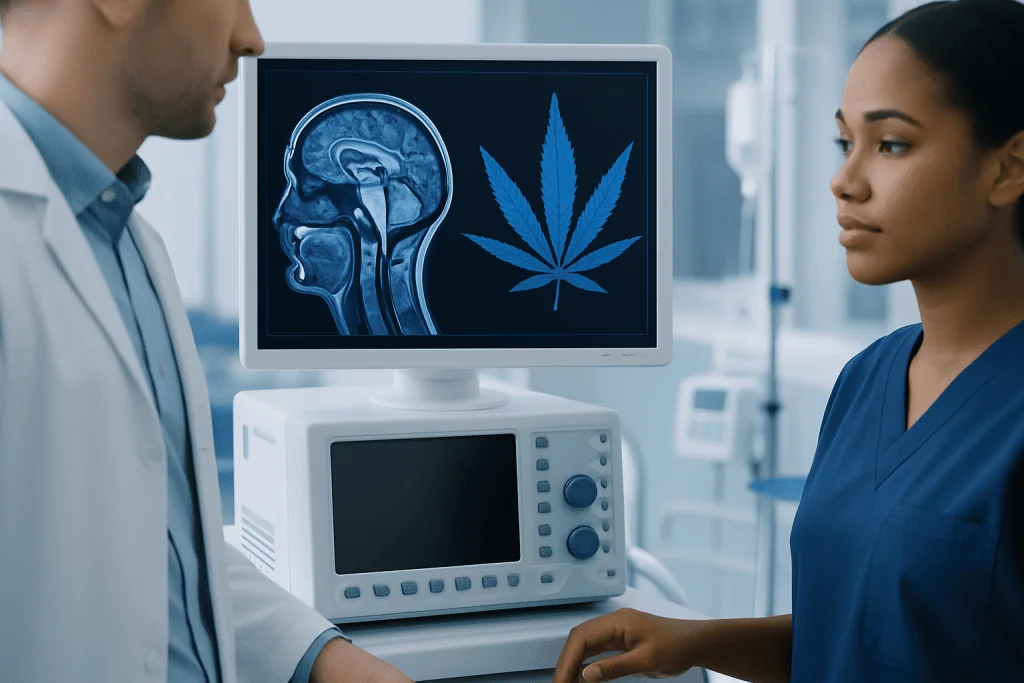
Cannabis contains many compounds called cannabinoids. The best known are tetrahydrocannabinol (THC), which causes intoxication or a “high,” and cannabidiol (CBD), which does not cause the same intoxicating effects. THC acts on the body’s endocannabinoid system, a signalling network involved in mood, memory, appetite, pain, movement and sleep.
In the brain, THC can change perception of time, sensory experiences, concentration, short-term memory and decision-making. Some people feel calm or more sociable, while others feel worried, suspicious or overwhelmed. Coordination and reaction time can also be reduced, making driving, cycling, swimming, operating machinery and other safety-sensitive activities unsafe.
Elsewhere in the body, cannabis may make the heart beat faster and can cause dry mouth, red eyes, increased appetite, dizziness or changes in blood pressure. These are usually temporary, but they may be more significant for older adults and people with heart, blood pressure or balance problems.
Short-Term Effects: What a Person May Notice

Effects can begin within minutes when cannabis is smoked or vaped. With food or drink products, effects may take much longer to appear because the product must pass through the digestive system. This delay can lead a person to take more before the first dose has worked, increasing the risk of excessive intoxication.
Common short-term effects may include:
- Feeling relaxed, sleepy, euphoric or unusually talkative
- Altered perception of time, sounds, colours or sensations
- Reduced concentration, short-term memory and coordination
- Dry mouth, red eyes, increased appetite or nausea
- Faster heart rate, dizziness or light-headedness
- Anxiety, panic, paranoia or confusion, especially after high doses
In some people, particularly those using high-potency THC products, cannabis can trigger severe anxiety, disorientation or temporary psychotic symptoms such as hallucinations or strongly held false beliefs. This does not mean every person will experience these symptoms, but it is a reason to stop using the product and seek medical advice if symptoms are intense or persistent.
Route of Use Matters: Smoking, Vaping and Edibles
How dagga is used changes both its effects and its health risks. Smoking cannabis exposes the airways to smoke and fine particles. This can irritate the throat and lungs and may cause cough, phlegm, wheezing or worsening of respiratory symptoms. Combining cannabis with tobacco adds the well-established harms of tobacco exposure and can increase nicotine dependence.
Vaping may feel less harsh to the throat for some people, but it is not risk-free. The ingredients, strength and safety of vaping products can vary, especially where products are unregulated. Any inhaled substance can irritate the lungs, and severe respiratory symptoms after vaping should be assessed promptly.
Edibles and drinks do not expose the lungs to smoke, but their delayed onset makes dose-related problems more common. Their effects can last longer than inhaled cannabis. Keeping cannabis products securely stored is important because children and pets may be seriously affected after accidental ingestion.
Longer-Term Use and Who May Face Greater Risks
Not everyone who uses cannabis develops long-term problems. Still, frequent or heavy use may affect work, study, relationships, motivation or daily routines. Some people develop cannabis use disorder, meaning they find it difficult to cut down despite negative effects, experience cravings, or continue using even when it is causing problems.
Regular cannabis use may also be associated with sleep difficulties, mood symptoms and reduced memory or attention in some people. Adolescents and young adults may be more vulnerable because the brain continues developing into the mid-20s. People with a personal or family history of psychosis, bipolar disorder, severe anxiety or substance use disorder should discuss cannabis use with a qualified clinician.
Pregnant or breastfeeding people are generally advised to avoid cannabis, including THC-containing and CBD products, unless a clinician specifically advises otherwise. THC can cross the placenta and may reach breast milk, while evidence is not sufficient to establish safety for a developing baby. Cannabis can also interact with prescribed medicines, including sedatives, blood thinners and medicines that affect mood or seizures.
When to Seek Medical Care
Medical care is appropriate if cannabis-related symptoms are worrying, recurrent or interfere with day-to-day life. A clinician can provide nonjudgmental support, review other possible causes and help a person reduce or stop use if they wish. Seeking help early can be especially useful when anxiety, low mood, sleep problems or cravings are becoming difficult to manage.
Urgent assessment is needed for chest pain, marked shortness of breath, fainting, a seizure, severe or continuing vomiting, dangerous agitation, hallucinations, severe confusion, or thoughts of harming oneself or someone else. Emergency services should be contacted if a person is unconscious, difficult to wake, has severe breathing problems or is at immediate risk of harm.
A doctor will usually ask about the product used, timing, amount, route of use, other medicines or substances, symptoms and medical history. They may check pulse, blood pressure, oxygen level, heart rhythm, mental state and hydration. Blood tests, an electrocardiogram or other investigations may be considered when symptoms suggest another medical condition or a complication.
Reducing Harm and Getting Support
The safest option is not to use cannabis, particularly for people who are pregnant, under the legal age in their area, managing a mental health condition, or taking medicines that may interact with it. For adults who choose to use it, avoiding high-THC products, not mixing cannabis with alcohol or other drugs, and using in a safe setting can lower the chance of acute problems.
People should not drive or perform tasks requiring quick reactions and clear judgment while affected by cannabis. Because edible effects can be delayed and prolonged, taking additional amounts too soon can be risky. Products should be kept in child-resistant packaging and stored out of sight and reach of children.
If cutting down feels difficult, practical support can help. A doctor or mental health professional may explore triggers, mental health symptoms, sleep and stress, and offer behavioural strategies or referral to substance-use services when needed. Acibadem International’s multidisciplinary specialists and JCI-accredited hospitals can assess physical and mental health concerns related to cannabis use for international patients.
Frequently asked questions
How long do the effects of dagga last?
When cannabis is smoked or vaped, noticeable effects often begin quickly and may last several hours. Edible products can take longer to begin working and may last considerably longer. Duration varies with THC strength, amount used, metabolism, previous experience and whether alcohol or other drugs were used.
Can dagga cause anxiety or panic?
Yes. Although some people feel relaxed, THC can cause anxiety, panic, paranoia or a sense of losing control, especially at higher doses or in unfamiliar settings. A calm environment, avoiding further use and support from a trusted person may help, but severe, persistent or unsafe symptoms need medical assessment.
Does smoking dagga harm the lungs?
Cannabis smoke can irritate the airways and may lead to cough, throat irritation, mucus production or wheezing. It is especially concerning for people with asthma or other lung conditions. Tobacco mixed with cannabis adds further respiratory and cardiovascular risks.
Can a person become addicted to dagga?
Yes. Some people develop cannabis use disorder, which can involve cravings, difficulty stopping, spending substantial time using or recovering from use, and continued use despite problems. Support from a doctor, counsellor or substance-use service can make reducing or stopping easier.
Is dagga safe during pregnancy or breastfeeding?
Cannabis is not generally recommended during pregnancy or breastfeeding. THC can reach the developing baby during pregnancy and can pass into breast milk. A pregnant or breastfeeding person who is using cannabis should discuss safe, confidential support with their healthcare professional.
When is cannabis use an emergency?
Emergency help is needed for severe breathing difficulty, chest pain, fainting, seizures, unconsciousness, severe confusion, dangerous behaviour or thoughts of self-harm. Children who may have accidentally eaten cannabis products should be assessed urgently. It is important to tell healthcare professionals what was taken, if known, so they can provide appropriate care.
References
- World Health Organization
- Centers for Disease Control and Prevention
- National Institute on Drug Abuse
- American Psychiatric Association
- American College of Obstetricians and Gynecologists
This article is for general information only and is not a substitute for professional medical advice. Please consult a qualified doctor about your individual situation.
Explore treatments in Turkey — costs, top hospitals & a free quote
JCI-accredited · board-certified surgeons · reply within 24h
Check your numbers in seconds
BMI, calories, due date, blood pressure and 30+ more clinical calculators — free, instant, doctor-reviewed ranges.