What Is Vertex? A Doctor-Reviewed Answer

The vertex is the crown or top of the head. Many vertex symptoms, such as mild pressure or scalp tenderness, are caused by tension, posture, or minor scalp conditions.
Key Takeaways
- The vertex is the crown or top of the head.
- Many vertex symptoms, such as mild pressure or scalp tenderness, are caused by tension, posture, or minor scalp conditions.
- A doctor should assess severe, sudden, persistent, or worsening top-of-head pain, especially if it follows an injury or comes with neurological symptoms.
- Diagnosis usually starts with history, scalp and neurological examination, and imaging only when clinically needed.
- Treatment depends on the cause and may range from self-care to specialist evaluation.
The vertex is the topmost part of the head or skull. In everyday health questions, “what is vertex” often comes up when a person notices pain, pressure, tenderness, or a lump at the top of the head, which is commonly harmless but sometimes worth medical assessment.
Overview: What does vertex mean?
The vertex is the highest point of the head. In anatomy, it refers to the crown area of the skull. When people search for “what is vertex,” they are often trying to understand a symptom they feel at the top of the head, such as pain, pressure, tingling, tenderness, or a bump.
In many cases, symptoms in the vertex area are not caused by a serious condition. Muscle tension, prolonged screen time, dehydration, scalp irritation, or a minor headache can all create discomfort around the crown. A harmless skin cyst or temporary sensitivity after tight hairstyles may also affect this area.
Still, location alone does not explain the cause. The top of the head can be involved in several common headache patterns, scalp disorders, and, less often, problems involving nerves, blood vessels, or the skull itself. That is why doctors look at the whole picture: the type of symptom, how long it has lasted, what triggers it, and whether there are any warning signs.
Common symptoms people notice at the top of the head
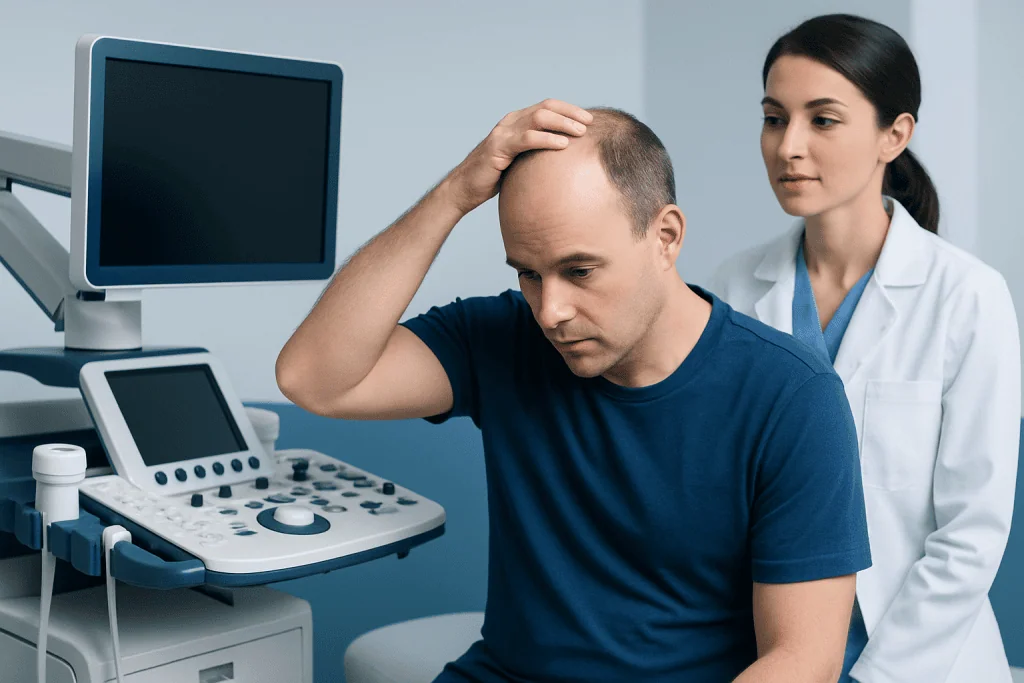
Vertex symptoms can feel different from one person to another. Some notice a dull ache or pressure at the crown, while others describe sharp, stabbing, burning, throbbing, or tingling sensations. There may also be scalp tenderness, itching, a visible lump, or discomfort when brushing the hair.
The timing also matters. Symptoms may come and go, appear after stress, develop during a headache episode, or occur after sleeping in an awkward position. In some people, top-of-head discomfort is part of a broader headache pattern that also affects the temples, forehead, neck, or behind the eyes.
Examples of symptoms a doctor may ask about include:
- dull pressure or tightness at the crown
- throbbing or pulsating pain
- burning, tingling, or electric-shock sensations
- scalp tenderness or pain when touching the area
- a lump, swelling, rash, or skin change
- pain linked to neck stiffness, stress, or poor posture
If the symptom is not pain but a bump on the vertex, doctors often consider scalp cysts, benign growths, inflammation, or trauma. If the main issue is hair thinning at the crown, the concern may be a scalp or hair-loss condition rather than a deeper medical problem.
Possible causes of vertex discomfort or changes

One of the most common causes of discomfort at the top of the head is a tension-type headache. This often causes a band-like pressure and may be linked to stress, fatigue, jaw clenching, or long periods of poor posture. Neck and upper shoulder muscle tightness can also refer pain upward to the crown.
Migraine can sometimes involve the vertex as well, even though many people expect migraine to affect one side of the head. Some migraines cause throbbing pain, sensitivity to light or sound, nausea, or worsened symptoms with movement. For readers comparing headache patterns, migraine and headache disorders may be helpful related topics.
Scalp conditions are another frequent explanation. Folliculitis, dermatitis, psoriasis, sun irritation, or a pilar cyst can all cause tenderness, itching, flaking, or a localized lump. Hair traction from tight braids, ponytails, or hair extensions may make the vertex area sore because this part of the scalp often bears tension.
Less commonly, nerve-related pain, shingles, trauma, sinus-related referred pain, or inflammatory conditions may be involved. Rare but more serious causes can include skull injury, bleeding after head trauma, infections, blood vessel problems, or conditions that affect the brain. These are much less common, but they are the reason sudden or severe symptoms should not be ignored.
Red flags and risk factors doctors pay attention to
Most top-of-head symptoms are benign, but certain features raise concern. A doctor will usually ask whether the pain started suddenly, is the worst headache the person has ever had, or followed a head injury. They also ask about fever, confusion, fainting, weakness, speech trouble, vision changes, seizures, or persistent vomiting.
Other red flags include a new headache pattern after age 50, pain that steadily worsens, symptoms that wake someone from sleep, a tender or pulsating scalp artery, or a painful rash with blisters. A lump that grows quickly, bleeds, drains, or does not heal also deserves medical evaluation.
Risk factors can help narrow the cause. Recent stress, poor sleep, dehydration, heavy screen use, tight hairstyles, or a history of headaches may point toward more common explanations. On the other hand, use of blood thinners, immune suppression, cancer history, recent infection, or significant trauma may make doctors more cautious and lead to faster testing.
How doctors diagnose symptoms at the vertex
Diagnosis begins with a careful history. A clinician will ask where the symptom is felt, what it feels like, how long it lasts, and whether it is getting better or worse. They may also ask about headaches, neck pain, stress, sleep, medications, scalp products, recent injury, and any associated symptoms such as nausea, fever, numbness, or weakness.
The physical examination usually includes checking the scalp, skin, and hair, gently feeling the area for tenderness or a mass, and assessing the neck and jaw. A neurological examination may also be done to evaluate balance, strength, sensation, eye movements, reflexes, and speech. This helps decide whether the symptom is likely superficial, muscular, neurological, or part of a broader headache disorder.
Imaging is not needed for every case. However, if red flags are present, a doctor may recommend tests such as MRI or CT scan to look for structural causes or injury. If the issue appears to involve the scalp or a lump, a clinician may suggest dermatology or surgical assessment. Blood tests may be ordered when inflammation, infection, or another systemic condition is suspected.
This stepwise approach is important because it avoids unnecessary testing while still identifying situations that need urgent attention. For many people, reassurance after a normal exam is part of the diagnosis, especially when symptoms fit a common and self-limited pattern.
Treatment and self-care depend on the cause
Treatment is guided by the underlying reason for the symptom rather than the location alone. If the vertex discomfort is related to tension, posture, or mild headache, doctors often recommend hydration, regular meals, stress reduction, stretching, sleep optimization, and gentle neck or shoulder care. Limiting prolonged screen time and reviewing ergonomics can also help.
If the symptom is part of a recognized headache disorder, management may include lifestyle measures and medicines recommended by a physician. For some patients with persistent or complex symptoms, a specialist may consider neurology evaluation to clarify the headache type and discuss a tailored treatment plan.
Scalp problems are treated differently. Medicated shampoos, anti-inflammatory creams, treatment for infection, or removal of a bothersome cyst may be appropriate, depending on the diagnosis. If there is a visible rash, scaling, hair loss, or a new lump, it is often better to seek an examination rather than self-treat repeatedly.
After injury or if symptoms suggest a structural problem, care may be more urgent and may involve observation, imaging, or referral. In some cases, neurosurgery evaluation is considered if scans or neurological findings suggest a deeper cause. The goal is always to match treatment to the confirmed diagnosis.
When to seek medical care
Medical review is advisable if top-of-head pain is severe, persistent, recurring without a clear reason, or getting worse over time. It is also important to seek care if the symptom follows a fall, blow to the head, or other trauma, even if the discomfort seems limited to the crown area.
Urgent care is needed for sudden intense headache, confusion, fainting, seizure, weakness, numbness, slurred speech, new vision changes, high fever, neck stiffness, or repeated vomiting. These symptoms may signal a condition that needs prompt diagnosis.
If the concern is a lump or scalp change, a doctor should assess it if it is enlarging, painful, infected-looking, bleeding, or not healing. A person should also seek review if scalp tenderness is accompanied by jaw pain, unexplained weight loss, or visual symptoms, especially in later adulthood.
For international patients who need evaluation, Acibadem International’s multidisciplinary specialists and JCI-accredited hospitals diagnose and treat neurological, scalp, and head-related conditions with coordinated care.
Frequently asked questions
Is the vertex just the top of the head?
Yes. In anatomy, the vertex refers to the crown or highest point of the head. In health discussions, it usually describes the area where a person feels pain, pressure, tenderness, or notices a lump.
Is pain at the vertex usually serious?
Often it is not serious. Tension headaches, muscle strain, scalp irritation, dehydration, or posture-related problems are common reasons for discomfort at the top of the head. Still, severe, sudden, or persistent pain should be assessed by a doctor.
Can migraine cause pain at the top of the head?
Yes, migraine can sometimes be felt at the crown, even though many people think of it as one-sided pain. Migraine is more likely if the pain throbs or comes with nausea, light sensitivity, sound sensitivity, or worsening with activity.
What if there is a bump on the vertex?
A bump on the top of the head may come from a cyst, minor injury, inflammation, or another scalp condition. Many scalp lumps are benign, but a doctor should examine any lump that grows, becomes painful, drains, bleeds, or does not improve.
Will I need a scan for vertex pain?
Not always. Many people do not need imaging if the symptoms fit a common headache or scalp condition and the examination is normal. Scans are more likely if there are red flags such as trauma, neurological symptoms, sudden severe pain, or an unclear diagnosis.
When should I go to urgent care or the emergency department?
Urgent evaluation is important for sudden severe headache, head injury, confusion, weakness, numbness, seizure, fainting, speech trouble, vision loss, fever with neck stiffness, or repeated vomiting. These symptoms can point to conditions that need prompt treatment.
References
- Cleveland Clinic
- MedlinePlus
- National Institute of Neurological Disorders and Stroke
- Mayo Clinic
- American Migraine Foundation
This article is for general information only and is not a substitute for professional medical advice. Please consult a qualified doctor about your individual situation.
Hair transplant in Turkey — costs, graft counts & a free assessment
JCI-accredited · board-certified surgeons · reply within 24h

More from the Health Library



Related Specialists

Dr. Mahmut Özyilmaz
Aesthetic Plastic & Reconstructive Surgery
Prof. Dr. Fatih Ata Genç
General Surgery
Assoc. Prof. Dr. Mehmet Sürmeli
Otorhinolaryngology
Prof. Dr. İkbal Esen Aydingöz
Dermatology