When Headaches Affect Memory, Mood, or Attention: The Role of Neuropsychology

Headaches, especially migraines, can affect concentration, memory, processing speed, and emotional well-being. Neuropsychology focuses on how brain function relates to thinking, behavior, and mood.
Key Takeaways
- Headaches, especially migraines, can affect concentration, memory, processing speed, and emotional well-being.
- Neuropsychology focuses on how brain function relates to thinking, behavior, and mood.
- Neuropsychological assessment may be helpful when cognitive or emotional symptoms persist between headache episodes or interfere with daily life.
- Treatment often works best when headache care, mental health support, sleep management, and lifestyle strategies are combined.
- Sudden severe headache or new neurological symptoms need urgent medical evaluation.
Headaches can sometimes do more than cause pain. When they also affect memory, attention, mood, or daily thinking skills, neuropsychology can help clarify what is happening and guide treatment and coping strategies.
Overview
Headaches are common, but their effects are not always limited to head pain. Some people notice that during or after a headache they have trouble focusing, remembering words, organizing tasks, or managing emotions. Others feel mentally slowed down, irritable, anxious, or unusually sensitive to stress. These symptoms can be confusing, especially when standard brain scans are normal.
Neuropsychology is the specialty that looks at how brain function affects attention, memory, language, mood, and everyday problem-solving. In people with recurring headaches, neuropsychology can help describe patterns of cognitive and emotional change, identify contributing factors, and support a practical treatment plan. This is especially relevant for people with migraine, chronic daily headache, post-traumatic headache, or headaches linked with sleep and stress problems.
It is important to remember that cognitive and mood symptoms do not automatically mean there is permanent brain damage. Pain itself can disrupt concentration. So can poor sleep, anxiety, depression, medication side effects, and the effort of coping with frequent symptoms. A careful assessment helps separate these influences and points toward the right next steps.
How headaches can affect memory, mood, and attention
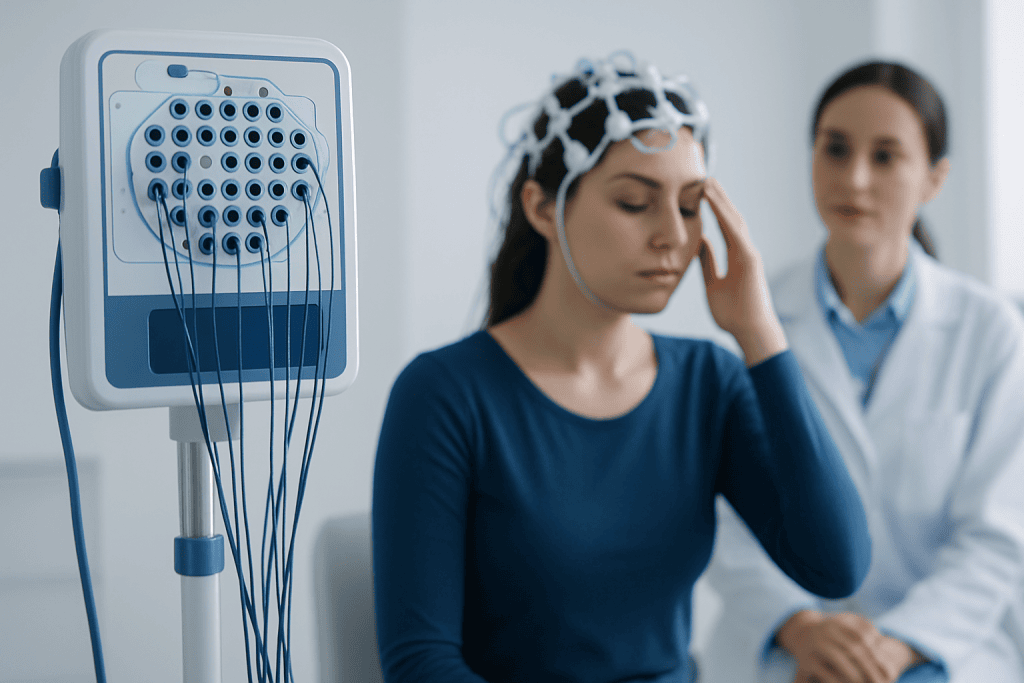
Headaches can influence thinking in several ways. During an attack, the brain may be busy processing pain, light sensitivity, nausea, and other symptoms. This can make it harder to focus on conversations, read, work, or make decisions. After the pain improves, some people experience a lingering “brain fog” with slowed thinking or reduced mental stamina.
Memory complaints are also common. A person may have trouble recalling recent details, finding the right word, or keeping track of appointments. In many cases, the main issue is not true memory loss but reduced attention during learning. If the brain cannot fully focus when information first comes in, it is harder to remember it later.
Mood changes may occur before, during, or between headache episodes. Some people become irritable, low in mood, restless, or emotionally overwhelmed. Others start avoiding social or work activities because they worry about triggering pain. Over time, this cycle can increase stress and reduce quality of life. Neuropsychology helps place these emotional and cognitive changes into context so they can be addressed alongside the headache condition itself.
These effects are especially recognized in people with migraine, but they can also appear with tension-type headache, post-concussion headache, medication-overuse headache, and headaches associated with sleep disorders or chronic pain.
Common causes and contributing factors

There is rarely one single explanation for cognitive or emotional symptoms in a person with headaches. Often, several factors overlap. The headache disorder itself may affect brain networks involved in attention and sensory processing. Repeated pain can also drain mental energy, making it harder to stay organized and efficient.
Sleep is a major factor. People with frequent headaches often have poor sleep quality, insomnia, or unrefreshing sleep, and this alone can worsen memory, focus, and mood. Stress and anxiety can do the same. Depression may reduce motivation, processing speed, and concentration, which can feel like memory failure even when the underlying problem is treatable.
Medications can also play a role. Some pain medicines, preventive headache treatments, or sedating drugs may cause fatigue or slowed thinking in some individuals. Dehydration, skipped meals, alcohol, hormonal changes, and other medical conditions can add to the problem as well.
In some situations, doctors also consider other neurological causes, especially if the pattern is new or rapidly worsening. These may include concussion, seizure disorders, infection, vascular problems, or structural brain conditions. A careful history and examination help determine whether symptoms fit a primary headache disorder or suggest the need for broader investigation.
When neuropsychological assessment may help
Neuropsychological assessment may be considered when headaches are accompanied by ongoing problems with attention, memory, planning, emotional regulation, or school and work performance. It can be useful if symptoms continue between headache attacks, seem worse than expected, or create uncertainty about whether the main issue is pain, mood, sleep, medication effects, or another brain-related condition.
A neuropsychological evaluation usually includes a detailed interview and standardized tests of thinking skills. Areas commonly examined include attention, learning and memory, language, executive function, processing speed, and emotional functioning. The goal is not simply to label problems, but to understand strengths and weaknesses in a way that is meaningful for everyday life.
These assessments can also support children, adolescents, and adults who need accommodations at school or work. For example, the results may help explain why a person needs extra time, reduced sensory triggers, scheduled breaks, or a gradual return to activity after severe headache episodes.
Testing does not replace neurological care, but it can complement it. In people with complex symptoms, neuropsychology may be coordinated with neurology, psychiatry, sleep medicine, rehabilitation, or pain management to build a more complete picture.
How doctors evaluate headache-related cognitive and mood symptoms
Evaluation usually begins with a medical history. Doctors ask when the headaches started, how often they happen, what the pain feels like, and whether symptoms such as light sensitivity, nausea, dizziness, aura, or visual changes occur. They also ask about sleep, stress, mental health, medications, caffeine use, work demands, and any history of head injury.
A neurological examination helps check for signs that point to causes other than a primary headache disorder. Depending on the situation, a doctor may recommend brain imaging, blood tests, vision assessment, or sleep evaluation. These tests are not needed for everyone, but they may be important if there are red flags such as abrupt onset, progressive worsening, confusion, weakness, fever, seizure, or a significant change from a person’s usual headache pattern.
If neuropsychological concerns are present, the clinical team may use questionnaires or formal testing to document how symptoms affect daily life. This can be especially helpful in chronic headache, after concussion, or when mood symptoms are prominent. Some patients also benefit from assessment by specialists in neurology care or brain and nerve check-up programs if symptoms are broad or difficult to sort out.
Assessment is most useful when it looks at the whole person rather than the headache alone. Understanding the interaction between pain, cognition, behavior, sleep, and emotions often leads to more effective care than focusing on any one symptom in isolation.
Treatment options and supportive care
Treatment depends on the type of headache and the pattern of symptoms. For many people, improving headache control is the first step. This may involve acute treatments used during an attack and preventive approaches that reduce frequency over time. When headaches are frequent or disabling, a specialist may recommend a personalized plan through migraine treatment.
Supportive care for cognition and mood is often just as important. Neuropsychologists may suggest practical strategies such as using reminders, simplifying multitasking, pacing mentally demanding tasks, and scheduling difficult work for times of better energy. Cognitive rehabilitation strategies can be helpful for some patients, especially after concussion or in prolonged brain fog.
Mental health treatment may also be part of the plan. Anxiety and depression are common in people with chronic headaches, and treating them can improve both emotional well-being and headache burden. Approaches may include counseling, stress management, relaxation training, and in some cases medication guided by a qualified clinician.
Sleep treatment, hydration, regular meals, exercise within tolerance, and trigger management can all support recovery. If symptoms are linked with trauma or neck injury, doctors may consider physical therapy and rehabilitation as part of a broader program. In selected cases, evaluation for related conditions such as concussion may also be relevant.
Self-care, prevention, and when to see a doctor
Many people find it helpful to keep a headache diary. Tracking the timing of headaches, sleep, stress, menstrual cycles, foods, hydration, medications, and cognitive symptoms can reveal patterns. This information also helps clinicians tailor treatment and distinguish headache-related brain fog from other problems.
Helpful self-care steps often include maintaining regular sleep and wake times, eating balanced meals, drinking enough fluids, limiting alcohol, and using caffeine consistently rather than unpredictably. Reducing sensory overload, taking screen breaks, and pacing tasks may make attention problems more manageable on difficult days.
A doctor should be consulted if headaches are frequent, new, worsening, or interfering with work, school, or relationships. Medical advice is also important when memory, mood, or concentration problems persist between attacks, or when family members notice changes in thinking or behavior. At the end of a comprehensive evaluation, some people may benefit from coordinated specialist care; Acibadem International’s multidisciplinary teams in JCI-accredited hospitals evaluate and treat headache-related neurological and cognitive concerns for international patients.
Urgent medical care is needed for a sudden severe headache, headache after a major injury, headache with fever or stiff neck, or headache accompanied by weakness, fainting, confusion, seizures, difficulty speaking, or new vision loss. These symptoms do not always mean a serious condition, but they should be assessed without delay.
- Keep a record of headaches and cognitive symptoms.
- Protect sleep and hydration.
- Discuss medication side effects with a doctor.
- Seek evaluation if symptoms are persistent or changing.
Frequently asked questions
Can headaches really affect memory and concentration?
Yes. Headaches, especially migraines, can interfere with attention, processing speed, and the ability to take in new information. When attention is reduced, memory can seem worse even if the main problem is difficulty focusing.
What is neuropsychology and how does it help with headaches?
Neuropsychology studies how brain function affects thinking, behavior, and emotions. In people with headaches, it can help explain problems such as brain fog, forgetfulness, slowed thinking, anxiety, or mood changes and guide practical coping strategies.
Does brain fog after a migraine mean permanent damage?
Not usually. Many people feel mentally slowed or tired during and after a migraine attack without having permanent injury. Persistent or worsening symptoms should still be discussed with a doctor so other causes can be ruled out.
Who should consider neuropsychological testing?
Testing may be helpful for people whose headaches are linked with ongoing memory, attention, planning, school, work, or emotional difficulties. It is especially useful when symptoms continue between attacks or when the cause is not clear.
Can stress, sleep problems, or depression make headache-related cognitive symptoms worse?
Yes. Poor sleep, chronic stress, anxiety, and depression can all reduce concentration and mental stamina. These factors often overlap with headache disorders, so treating them can be an important part of recovery.
When should someone seek urgent care for a headache?
Urgent care is needed for a sudden severe headache, a headache with weakness, confusion, seizures, new vision loss, difficulty speaking, or after a significant injury. Headache with fever or a stiff neck also needs prompt medical evaluation.
References
- World Health Organization
- International Headache Society
- American Academy of Neurology
- National Institute of Neurological Disorders and Stroke
- American Psychological Association
This article is for general information only and is not a substitute for professional medical advice. Please consult a qualified doctor about your individual situation.
Neuropsychology in Turkey — costs, top hospitals & a free quote
JCI-accredited · board-certified surgeons · reply within 24h
Add us as a Preferred Source to see more of our trusted health content across Google Search, AI Overviews and Discover.