

At Acibadem: How We Calculate Your Final Treatment Cost

Your final treatment cost at Acibadem is calculated from the care you actually receive: consultations, tests, the procedure itself, hospital stay, medications and consumables. An early quote is an estimate built from your records; the figure is confirmed after in-person assessment. It can rise if extra tests or a longer stay are needed, and fall if a simpler plan proves appropriate.
You received a quote by email. Is that the amount you will actually pay? It is one of the first questions international patients ask, and it deserves a straight answer: usually the quote is an estimate, and the final figure follows the care you actually receive.
This guide explains how that final figure is built at Acibadem: what an estimate is based on, which elements go into the calculation, why the total can move in either direction after your in-person assessment, and how billing updates are communicated during your stay. No figures appear here, because no honest figure exists before your case is reviewed. What you will get instead is the structure, so you can read any quote with confidence.
At a glance
- Best for: International patients who want to understand how a quoted price becomes a final hospital bill
- Main cost factors: Diagnosis, tests and imaging, the confirmed treatment plan, length of hospital stay, specialist involvement, medications and consumables
- What may change the total: Additional imaging or lab work, a revised diagnosis, longer admission, higher monitoring needs, or a treatment scope that changes after assessment
- Which direction: Costs can increase or decrease — a simpler confirmed plan can reduce the total
- Who explains it: Acibadem international patient coordinators, billing staff and interpreters
- When to review: Before travel, after your consultation, and whenever the care plan changes
What your final treatment cost really means
Your final treatment cost is the total linked to the care you actually receive — not a headline price attached to a procedure name. For international patients, the process usually starts with a preliminary estimate built from the medical records you share: reports, scans, pathology, medication lists and a summary of your history. That estimate reflects the treatment your doctors expect you to need based on the information available at a distance.
An estimate made from records has a built-in limit, and it is worth stating plainly: no one can confirm a treatment plan without examining you. Records sent from abroad may be incomplete, imaging may be several months old, and some findings only become clear on fresh tests. Once you are seen in person and your doctors confirm the plan, the estimate becomes more precise — and only then does it become a figure you can rely on.
This is normal in healthcare, and especially normal in medical travel, where the decisive clinical review happens after you arrive. A useful way to think about it: your cost is calculated from the care that is medically appropriate for you, not from a generic package that ignores your individual situation. A quote that never changed regardless of findings would be a warning sign, not a reassurance.
What is usually included in the calculation
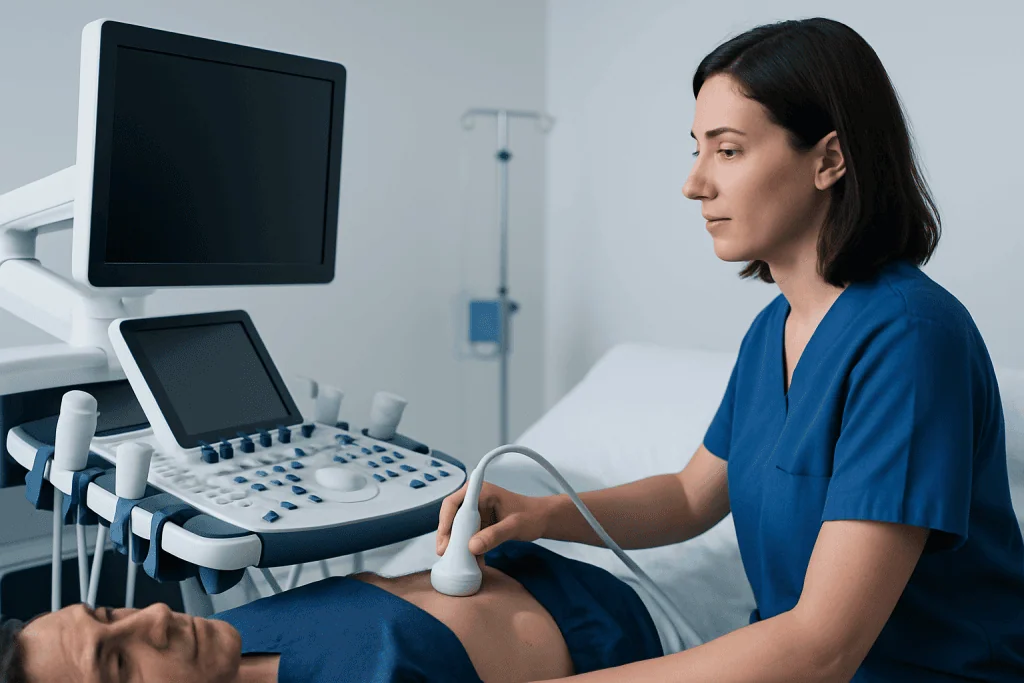
A final treatment cost is built from several medical and practical elements rather than one single charge. Depending on your case, the calculation may include specialist consultations, pre-treatment tests, imaging, laboratory work, anaesthesia, operating theatre use, inpatient room charges, nursing care, medications used during your stay, and routine consumables such as dressings and surgical materials.
If your treatment involves more than one specialty, the total may also reflect input from a multidisciplinary team. In a large hospital group like Acibadem, surgeons, physicians, radiologists, pathologists, anaesthesiologists and rehabilitation teams can all contribute to one care plan when the case calls for it, and that involvement is part of what the calculation covers.
- Doctor and specialist consultation fees
- Tests such as blood work, pathology, imaging or cardiac assessment
- Procedure, theatre or treatment room use
- Anaesthesia and related monitoring, if required
- Hospital room and nursing services
- Medications and standard medical supplies used during care
Some support around your care sits outside the medical bill. International patient services can often help with interpreter support, appointment coordination, airport guidance and accommodation planning, but these arrangements are handled separately in many cases. The only reliable way to know is to check your specific quote: what is named in the document is what it covers, and anything not named should be treated as separate until confirmed otherwise.
Estimate versus final bill: two different documents
Patients sometimes read an estimate as a fixed price and are then unsettled when the final bill differs. It helps to treat them as two distinct documents with two distinct jobs. The estimate exists to help you plan travel, timing and budget before you commit. The final bill records the care that was actually delivered — every consultation, test, hospital day and medication that formed part of your treatment.
The estimate is honest about what it cannot know; the final bill is complete because the care is complete. Between the two sit the checkpoints of your journey: the pre-travel review of your records, the in-person consultation, any additional tests, and the confirmed treatment plan. Each checkpoint narrows the gap between the estimated and final figures. The guide on the difference between a cost estimate and a final bill in Turkey explains this distinction in more depth, and it applies to any hospital, not only to Acibadem.
Why your cost can change after you arrive

Many patients worry when they hear a quote may change, but there is usually a practical clinical reason behind it. A doctor may need updated imaging, repeat blood tests or a second specialist opinion before confirming the safest approach. Sometimes these extra checks prevent unnecessary treatment; sometimes they identify needs that were simply not visible in the records sent from abroad. If this happens to you, it is reasonable to expect the reasoning to be explained — the guide on unexpected tests and how they affect timing and cost covers what this looks like in practice.
The total can also move if your admission runs longer than expected, if a higher level of monitoring is needed, or if medications and supportive treatments have to be adjusted during your stay. For surgical patients, findings during the procedure occasionally lead the team to extend or modify the planned care, always on the basis of clinical judgement and safety rather than convenience.
The opposite happens too, and it deserves equal weight. Some patients arrive expecting an extensive treatment plan, and after review the team recommends a simpler path — fewer tests, a shorter stay, or a less invasive option. That reduces the final amount. The principle in both directions is the same: your bill follows the confirmed medical plan, not the assumptions that were made before your assessment.
How Acibadem explains estimates, updates and billing
Clear communication matters as much as the medical plan itself, particularly when you are coordinating funds from another country. The usual sequence at Acibadem starts with coordinators reviewing the records you have shared and directing your case to the relevant department. Based on that review, you may receive an initial estimate that supports your financial planning before travel to Turkey.
After your in-person consultation and any required tests, the team can confirm whether the original estimate still stands or whether something has changed. If the treatment scope changes, an updated breakdown in plain language is a reasonable thing to expect: what was added, what was removed, and why. This matters most when several departments are involved, because a multi-specialty plan can otherwise be hard to read as a single figure. The related guide on deposits, payment timing and final billing walks through the administrative side of this sequence.
Interpreter support makes a real difference here. If English is not your preferred language, Acibadem’s international services can help you communicate with clinicians and administrative staff, so you can ask detailed questions about the treatment plan, payment steps and expected length of stay without feeling rushed or relying on a companion to translate financial detail.
What to ask so there are fewer surprises
The most useful questions are specific ones. Instead of asking only for the total, ask what the estimate includes, what could reasonably change it, and which items are billed separately. If you are travelling with a companion, ask whether companion meals, extra room arrangements or non-medical services are covered or handled on your own.
Ask, too, about the points in your journey when the cost is reviewed. Typically there is one estimate before travel, a confirmation or revision after consultation, and further updates if the hospital stay changes. Knowing when these checkpoints occur removes much of the anxiety, because a change arriving at an expected moment feels very different from one arriving out of nowhere.
If you have private insurance, embassy support or a company sponsor, ask which documents the hospital can provide for pre-approval or reimbursement — itemised estimates, medical reports, discharge documents. This is far easier to arrange before treatment than after you have returned home.
- Is this an estimate or a confirmed cost?
- What tests, consultations and hospital days are included?
- What could increase or decrease the final amount?
- Are accommodation, transfers or companion costs separate?
- When will I receive updates if the plan changes?
- What payment methods and documents are accepted?
Budgeting beyond the hospital bill
The final treatment cost is one part of your overall travel budget, not the whole of it. You may also need to plan for flights, visas where applicable, local transport, hotel or apartment stays, meals, travel insurance and the possibility of extra days in Turkey. Even when treatment itself goes exactly to plan, practical expenses add up if the stay runs longer than expected — the guide on hidden costs patients often miss when budgeting for Turkey lists the items most commonly forgotten.
A simple discipline helps: separate your planning into medical costs and travel costs, and keep a buffer in the second group for follow-up visits, additional nights near the hospital or a review appointment before flying home. If someone is travelling with you, their expenses deserve their own line — companion costs for meals, transport and extra nights are a frequent blind spot in otherwise careful budgets.
If you are coming to Istanbul, factor in airport distance and traffic time, and be cautious about booking a return flight tightly against your expected discharge date. Hospital teams can help with the logistics around your care, but the travel buffer is yours to build.
How to read your quote with confidence
When a quote arrives, read it like a checklist rather than a total. Confirm you understand the diagnosis or service it relates to, the expected treatment or procedure, the assumed length of admission, and any tests named in the document. Anything important that is missing or ambiguous is worth clarifying before you travel, not after.
Keep all cost communications in one place: emails, each version of the estimate, the passport details used for registration, insurance letters and any prepayment receipts. If an updated estimate arrives, you can then compare it line by line with the earlier one and see exactly what moved. A single folder on your phone or in your email account is enough, and it saves real time at admission and discharge.
Finally, treat a clear explanation as part of good patient support, because it is. Asking the billing or patient services team to walk through the cost structure step by step is not being difficult; it is preparing responsibly for your care, and it is a normal part of how international treatment works.
Step by step
- Start with complete medical records. An estimate is only as accurate as the information behind it. Recent reports, imaging, pathology, medication lists and a short medical summary give the reviewing team a realistic picture of the likely treatment plan.
- Receive an initial estimate. After the relevant department reviews your case, a preliminary quote reflects the expected plan. Use it as a planning tool, understanding that the final figure depends on the in-person assessment.
- Attend consultation and confirm the plan. On arrival, your doctor examines you, reviews the records again and requests any needed tests. This is the point where the treatment plan becomes concrete and the estimate is confirmed or revised.
- Review any updated breakdown. If the diagnosis, treatment scope or expected stay changes, ask for the updated explanation in writing so you can see what was added, removed or revised before deciding how to proceed.
- Complete payment and admission steps. Depending on your case, this may involve prepayment, a deposit, insurance paperwork or sponsor documents. Keep every receipt and note whom to reach for billing questions during your stay.
- Monitor changes during treatment. If the course of care changes after admission, ask for the cost impact to be explained as early as possible — particularly important if you are coordinating funds from abroad.
- Check discharge and final billing documents. Before leaving, make sure you understand the final bill, any outpatient follow-up charges, and which itemised documents you need for insurance or reimbursement claims.
Your checklist
- Prepare complete medical records before requesting a quote
- Ask whether your quote is an estimate or a confirmed cost
- Check which tests, consultations and hospital days are included
- Ask which items are billed separately
- Keep a budget buffer for extra nights or added tests
- Store all estimate versions and payment receipts in one place
- Confirm payment methods and insurance or sponsor requirements
- Ask for interpreter support if you want billing discussed in your own language
Key takeaways
- Your final treatment cost is based on the care you actually receive, not on an early estimate made from records alone.
- Confirmed diagnosis, extra tests, longer stay and changed treatment scope are the common reasons a quote moves — in either direction.
- Read every quote as a checklist: what is named is included, what is not named should be confirmed.
- Plan hospital costs and travel costs as two separate budgets, with a buffer in the second.
- Acibadem coordinators, billing staff and interpreters exist to explain updates in plain language at every checkpoint.
Frequently asked questions
Is the first quote I receive my final treatment cost?
Usually not. The first quote is a preliminary estimate based on the medical information available before you arrive. The final cost is confirmed only after consultation, review of tests and agreement on the actual treatment plan.
What are the most common reasons the cost changes?
Additional tests, a revised diagnosis, a changed treatment scope, or a longer hospital stay than expected. Medication needs, closer monitoring, or the involvement of additional specialists can also affect the total.
Can the final cost be lower than the initial estimate?
Yes. If your doctors determine that you need a simpler treatment plan, fewer tests or a shorter stay than first expected, the final amount can decrease. This is one reason the in-person review matters so much.
Are travel and hotel costs included in the treatment cost?
They are usually separate unless your arrangements specifically state otherwise. Treat flights, accommodation, meals, visas and local transport as separate planning items, and ask exactly which support services your quote covers.
How can I reduce the chance of unexpected charges?
Provide complete records in advance, ask for a written estimate, and request clarity on exclusions and possible changes. Knowing when the cost will be reviewed again — after consultation and before admission — also removes most surprises.
Who can explain the bill if I am not comfortable discussing it in English?
International patient teams and interpreter services help with both medical and administrative information. At Acibadem, this support makes it easier to ask detailed questions about the quote, an updated plan and the discharge billing documents.
Should I ask for itemised documents for insurance or reimbursement?
Yes, especially if you expect to claim from an insurer, employer, embassy or sponsor. Ask early which documents are available — itemised estimates, invoices, medical reports and discharge summaries — so the paperwork is ready when you need it.
Add us as a Preferred Source to see more of our trusted health content across Google Search, AI Overviews and Discover.

Update history
- PublishedJune 22, 2026
- Medical review approvedAugust 31, 2026
- Last content updateAugust 31, 2026
More Patient Guides

Private MRI, CT and Check-Up Costs in Turkey: How Scans Are Priced
How private MRI, CT, PET-CT and full check-up packages are priced in Turkey — modality, region, contrast, reporting — and what a…

Cataract Surgery Cost in Turkey: Per-Eye Prices and Lens Options
Cataract surgery in Turkey is priced per eye and the lens decides the quote. Biometry, both eyes on one trip, and what…

Lip Filler Cost in Turkey: Per-ml Prices Explained
Lip filler in Turkey is priced per millilitre with licensed hyaluronic acid brands and physician injectors. Volume, product, dissolving, safety and what…

Botox Cost in Turkey: Per-Area and Per-Unit Prices
How Botox is priced in Turkey — per area or per unit, brand, physician injectors, medical indications — and what a serious…