

Constipation After Surgery in Turkey: Prevention and Relief

Constipation after surgery is common and usually settles within a few days. It is driven by anaesthesia, opioid pain medicines, reduced movement and changes in food and routine. Fluids, gentle walking and a gradual return to normal meals help most patients. Ask your care team before taking any laxative, and seek urgent help for severe pain, vomiting, a swollen abdomen or inability to pass gas.
Three days after your operation, still nothing? You are not the first patient sitting in a Turkish hotel room wondering whether to worry or wait. Constipation after surgery is one of the most common recovery complaints anywhere in the world, and it usually responds to simple, safe steps: fluids, gentle movement, suitable food and timely advice from your care team.
This guide explains why it happens, how long it typically lasts, what genuinely helps, what the so-called “nurse’s cocktail” actually is, and why promises of relief in thirty minutes deserve caution, especially in the first week after an operation. It also covers the travel side, because flights, time zones and hotel meals add their own complications when you are recovering abroad.
At a glance
- Common timing: Bowel habits often slow for the first few days after anaesthesia, opioid pain medicine or reduced movement
- Main prevention tools: Fluids as advised, short frequent walks, a gradual return to fibre, and an early medicine review
- Travel factor: Flights, dehydration, time-zone shifts and unfamiliar food can all slow your usual routine
- Ask before taking: Check with your care team before using any laxative, suppository, enema or herbal product
- Urgent signs: Severe worsening pain, repeated vomiting, a hard swollen abdomen, fever or inability to pass gas need immediate assessment
Why constipation after surgery in Turkey is so common
Several factors stack up at once. Anaesthetic drugs temporarily slow the bowel. Opioid pain medicines slow it further: this is a well-known side effect, not a sign that something has gone wrong. You fasted before the operation, you may be eating lightly afterwards, and you are almost certainly moving less than usual. Each factor alone is minor; together they are usually enough to interrupt anyone’s rhythm.
If you have travelled for treatment, add the journey itself. Long flights dehydrate you, time-zone changes disrupt the body clock that partly governs bowel habits, and hotel food differs from what your digestion expects. This is why constipation after surgery in Turkey is a question international patients raise so often: the surgical factors and the travel factors arrive at the same time.
The goal is not to force your body but to support it consistently. Your bowels may not move on day one or even day two, and for many patients that is expected. What matters more is the overall picture: whether you are passing gas, whether your abdomen is soft and comfortable, and whether things are gradually improving rather than worsening.
At Acibadem, your recovery plan is built around your specific procedure and medical history. Some operations, particularly abdominal procedures managed by general surgery or bariatric and metabolic surgery teams, come with their own diet and bowel instructions. If constipation is likely because of your medication or the type of operation, your team can explain what is appropriate before you leave the ward, including what to avoid.
How long does post-surgical constipation usually last?
There is no single answer, but a rough pattern is common. Bowel activity often slows for the first two to five days after an operation, then picks up as you eat normally, walk more and reduce strong pain medicine. If you are still taking opioid painkillers, the slowing effect continues for as long as you take them, which is why many teams pair opioids with a bowel plan from the start.
The honest markers to watch are direction and comfort, not the calendar. Passing gas is a reassuring sign that the bowel is working even if stool has not yet followed. Feeling gradually less bloated is reassuring. Feeling progressively more swollen, more nauseated or more uncomfortable is not: that pattern needs a call to your care team, not another day of waiting.
Tell your team what is normal for you. Some people open their bowels twice a day, others every two or three days. Your own baseline is the fair comparison, and it is one of the most useful pieces of information you can give before surgery.
Before surgery: set yourself up for an easier recovery
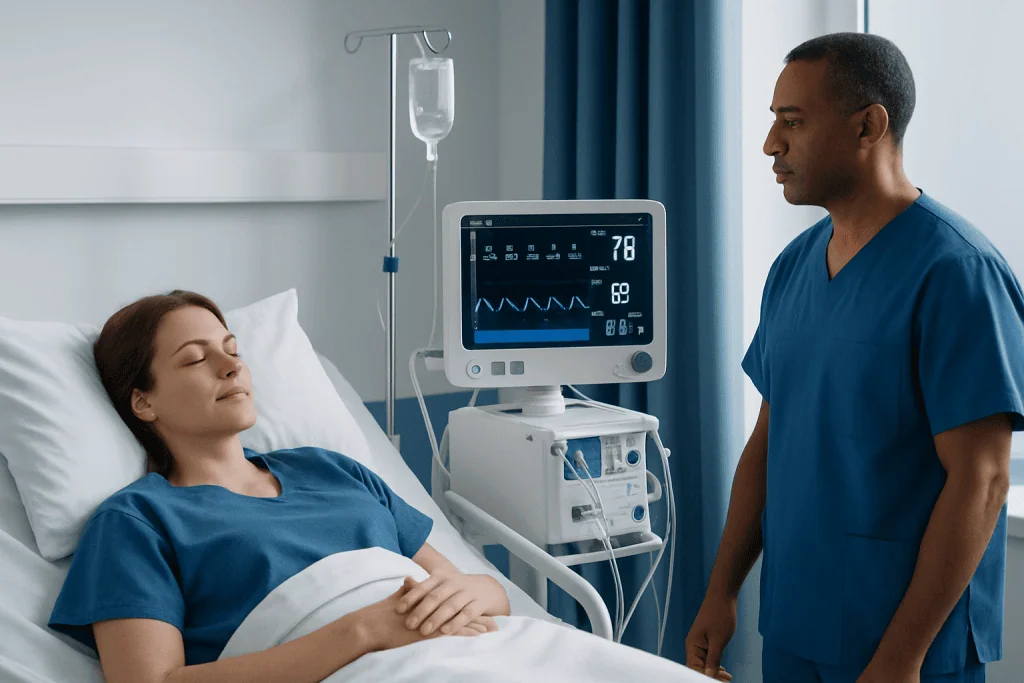
Prevention starts before the operation. Tell your care team if you already tend towards constipation, have irritable bowel symptoms, take iron tablets, use opioid pain medicines, have thyroid problems or regularly rely on laxatives. None of these are embarrassing details; all of them change how your team plans your postoperative instructions.
In the days before surgery, follow the hospital’s fasting and medication instructions exactly. Do not start a new supplement, herbal tea, fibre powder or laxative on your own initiative. Some products affect hydration, electrolytes, bleeding risk or the timing of anaesthesia, and a well-meant “pre-emptive” laxative the night before an operation can cause real problems. If bowel preparation is required for your specific procedure, your team will give you separate written instructions: that is a different thing entirely and should not be improvised.
If you are travelling to Turkey, pack with your routine in mind: comfortable walking shoes, a refillable water bottle, loose clothing that does not press on your abdomen, your regular prescription medicines in original packaging, and a short written note of your usual bowel habits and any bowel medicines you use at home. International patient services can arrange hotel logistics, transfers and interpreter support, which frees you to concentrate on recovery rather than practicalities.
Food and fluids after surgery: simple, practical choices

Hydration is the single most underrated tool here, but your fluid plan must match your medical instructions. After some procedures you will start with small sips or clear liquids before moving to a light diet and then regular meals. If you have heart, kidney or fluid-restriction advice, your doctor’s limits come first, more fluid is not automatically better for every patient.
Once you are cleared to eat normally, choose gentle foods that suit your stomach. Soups, cooked vegetables, oats, whole grains, yoghurt and fruit such as pears or prunes suit many people if tolerated. Increase fibre gradually rather than suddenly: a large dose of fibre without enough fluid tends to make bloating worse, which is the opposite of what you want in the first week.
Turkish hotel breakfasts are generous, which helps, fresh fruit, yoghurt, olives, cooked vegetables and whole-grain bread are all reasonable early choices. Even so, keep things familiar at first. Your first recovery meals are not the moment for very spicy, very rich or entirely unfamiliar dishes. If you are unsure what to order, ask your nurse or coordinator for suggestions that fit your discharge instructions; this is a routine question, not an odd one.
Movement, comfort and bathroom routine
Gentle movement helps wake the bowel and supports circulation and breathing. For most patients this means short, frequent walks, the hospital corridor, your room, the hotel hallway, within whatever limits your surgeon has approved. Intensity is not the point; regularity is. Three or four short walks spread across the day generally serve you better than one long effort.
Respect your procedure-specific restrictions. Limits after abdominal, orthopaedic, cardiac or cosmetic surgery differ considerably, and if you have drains, dressings, a catheter or mobility precautions, ask exactly how to walk safely and whether you need help from a nurse, physiotherapist or companion. If your operation was a day-surgery procedure, the same principle applies at your hotel: move little and often, within your written instructions.
Build a calm bathroom routine. The bowel is most naturally active after meals, so give yourself unhurried time after breakfast or a warm drink. If it is comfortable, rest your feet on a low support so your knees sit slightly above your hips: this position makes passing stool easier for many people. Do not strain. If nothing happens within a reasonable time, step away and try again later. Prolonged sitting and pushing is uncomfortable, rarely productive, and may be actively inadvisable after certain operations, particularly abdominal, pelvic, cardiac or hernia procedures. If you feel pressure but cannot pass stool, that is a question for your team, not a signal to push harder.
Medicines, laxatives and the “nurse’s cocktail”
Opioid-type pain medicines are the biggest single medication cause of postoperative constipation. Iron supplements, some anti-nausea medicines and reduced mobility add to the effect. Do not stop or reduce any prescribed medicine on your own, uncontrolled pain limits walking and deep breathing, which harms recovery in other ways. Instead, tell your team early if you feel blocked or bloated; adjusting the overall plan is their job, and it works best when raised soon. Our guide to pain control after surgery in Turkey explains how these conversations usually go.
Depending on your procedure and symptoms, your doctor may recommend a stool softener, an osmotic laxative or another option. The right choice depends on whether you are eating, passing gas, feeling nauseated, or have abdominal swelling or surgical restrictions, which is exactly why self-prescribing is unwise in the first weeks. Suppositories and enemas are not suitable for everyone, particularly after pelvic, bowel or rectal procedures, so always ask first.
You may have heard of the “nurse’s cocktail”an informal ward remedy, usually a warm mixture based on prune juice, sometimes combined with apple sauce or bran. Versions vary between hospitals and countries, and it is a nursing tradition rather than a standardised medicine. The honest summary: prune juice and warm fluids are reasonable, food-based options for many patients, but after surgery even a food-based remedy should be run past your nurse first, because “gentle” still depends on what operation you have had and what you are currently allowed to eat and drink.
Be equally cautious with herbal remedies, slimming teas and over-the-counter products brought from home. Natural does not mean safe after surgery; some herbal laxatives are harsh, and ingredients can interact with your medicines or worsen dehydration. If you have the packaging or a photo of the label, show it to your nurse, pharmacist or doctor before using anything.
Can you clear constipation in thirty minutes?
Search engines are full of this question, so here is a straight answer. There is no method that reliably and safely clears constipation in thirty minutes, and after an operation you should be sceptical of anything claiming otherwise. The fastest-acting options are rectal treatments, glycerin suppositories and enemas, which can work within minutes to an hour in some people, but these are precisely the products that may be unsuitable or unsafe after certain surgeries and must never be self-administered in the early recovery period.
What you can do quickly is start the right process: drink a warm fluid, take a short walk if cleared, sit on the toilet unhurried after a meal with your feet supported, and message your care team about whether a laxative is appropriate for you today. Early advice usually means simpler treatment. Waiting until you are severely bloated usually means the opposite.
When to call for help during your stay in Turkey
Constipation is usually a comfort problem, not a danger. Occasionally, however, symptoms that feel like constipation signal something more serious, such as a bowel that has stopped working properly or a blockage. If you have severe or worsening abdominal pain together with repeated vomiting, a hard or swollen abdomen, or you cannot pass gas at all, call your local emergency number or go to the nearest emergency department now.
Contact your care team promptly: the same day, not “eventually”, for fever, blood in the stool, dizziness or faintness, constipation that keeps worsening despite following your instructions, or any combination of bloating and nausea that is trending the wrong way. Our guide on when pain, swelling or fever should prompt an urgent call covers the wider warning signs after surgery.
You should also ask for help with the quieter problems: if you are afraid to eat, cannot drink enough, suspect your pain medicine is the cause, or simply do not know whether a laxative is safe for you. When you are recovering far from home, asking early is the sensible move, not the anxious one. Acibadem’s international patient teams can support communication between you, your medical team and your companion, including interpreter assistance when needed. Before discharge, make sure you know exactly who to contact during evenings, weekends and once you are back at your hotel.
One more travel note: if constipation after surgery in Turkey is still troubling you as your departure date approaches, mention it before you fly rather than after. Flights dehydrate you and keep you seated for hours, which rarely helps. Our guide on when it is safe to fly home after surgery covers the broader timing questions.
Step by step
- Tell your team your normal bowel pattern. Before surgery, explain how often you usually open your bowels and whether you use laxatives or fibre products at home. Your own baseline is what makes “unusual” measurable afterwards.
- Follow your post-surgery diet instructions exactly. Start fluids and foods as your care team advises, especially after abdominal or digestive procedures. When regular food is allowed, keep meals simple and increase fibre gradually with enough fluid.
- Walk little and often when cleared. Short, frequent walks support bowel activity and overall recovery. Ask for help if you feel weak, have lines or drains, or are unsure of your movement limits.
- Review pain medicine early. If you need strong pain relief, ask whether constipation prevention is recommended alongside it. Do not reduce or stop pain medicine without guidance, uncontrolled pain limits walking and breathing exercises, which slows everything else.
- Do not strain. Give yourself unhurried time after meals, keep your feet supported, and step away if nothing happens. Straining can be unsafe after certain operations; if you feel pressure but cannot pass stool, ask your team what to do.
- Ask before taking any laxative, including “natural” ones. A product that helped at home may not be appropriate now. Check with your doctor, nurse or pharmacist before using laxatives, suppositories, enemas, herbal products, high-dose fibre or any warm-juice remedy.
- Know your red flags and your contact route. Before leaving the hospital, confirm which symptoms need an urgent call and which number to use from your hotel. Keep this with your discharge papers and share it with your companion.
Your checklist
- Tell your team if you are usually constipated or use bowel medicines at home
- Keep a list of all medicines, supplements and herbal products you take
- Follow fasting, fluid and diet instructions exactly before and after surgery
- Drink fluids as advised and avoid dehydration during flights and recovery
- Walk only within your approved activity limits and ask for assistance if needed
- Choose gentle, familiar foods before returning to heavier meals
- Sit unhurried after meals with your feet supported; do not strain
- Ask before using laxatives, suppositories, enemas or herbal teas
- Keep your discharge contact numbers easy to find at the hotel
- Report severe pain, vomiting, swelling, fever or inability to pass gas promptly
Key takeaways
- Constipation after surgery is common and usually driven by anaesthesia, opioid pain medicine, reduced movement and changes in food, fluids and routine.
- Bowel habits often slow for the first several days; passing gas and gradual improvement are the reassuring signs to watch.
- Fluids, short frequent walks and a gradual return to fibre help most patients, but your specific discharge instructions come first.
- Do not use laxatives, enemas, suppositories or herbal products without confirming they are safe for your operation; there is no trustworthy thirty-minute fix.
- Severe pain with vomiting, a hard swollen abdomen or inability to pass gas needs emergency care, not patience.
Frequently asked questions
How long does post-surgical constipation last?
Many patients notice slower bowels for two to five days after surgery, longer if strong pain medicine continues. What matters more than the exact day count is the direction: passing gas and gradually easing bloating are reassuring, while increasing swelling, pain or nausea means you should contact your care team rather than wait. Your own usual bowel pattern is the fair comparison, so tell your team what is normal for you.
How can I open my bowels faster after surgery?
Start with the safe basics: drink fluids as advised, take short walks if cleared, and sit on the toilet unhurried after a meal with your feet supported rather than straining. If those steps are not enough, ask your team the same day whether a stool softener or laxative is appropriate for your operation. Acting early usually means gentler treatment.
What is the nurse’s cocktail for constipation?
It is an informal ward remedy, typically a warm mixture based on prune juice, sometimes with apple sauce or bran. Recipes vary between hospitals and it is a tradition, not a standardised treatment. Prune juice and warm fluids are food-based options many patients tolerate, but after surgery check with your nurse first, because suitability depends on your operation and your current diet instructions.
Can I clear constipation in 30 minutes?
No method reliably and safely does this, and after surgery you should distrust anything that claims to. The fastest-acting options are suppositories and enemas, which are exactly the products that may be unsafe after certain pelvic, bowel or abdominal procedures and must not be self-administered in early recovery. What you can do in thirty minutes is take a warm drink, a short walk and send your care team a message asking what is appropriate for you.
Can I take the laxative I usually use at home?
Ask your doctor, nurse or pharmacist first, even if the product is familiar. Some laxatives, suppositories and enemas are unsuitable after certain operations, or when you are dehydrated, nauseated or not yet eating normally. Bring the packaging or a photo of the label so your team can check the ingredients quickly.
Can flying make constipation worse after surgery?
Yes, travel often contributes: you drink less, sit for long periods, eat differently and may cross time zones. If your doctor has cleared you to fly, follow their advice on hydration, in-flight movement and medication timing. If constipation is already severe before your return flight, raise it with your care team before travelling rather than hoping it resolves in the air.
When is constipation after surgery an emergency?
If you have severe or worsening abdominal pain with repeated vomiting, a hard or swollen abdomen, or you cannot pass gas at all, call your local emergency number or go to the nearest emergency department now. For fever, blood in the stool, faintness or steadily worsening symptoms, contact your care team the same day using the number in your discharge papers; your hotel or coordinator can help you reach the hospital.
Add us as a Preferred Source to see more of our trusted health content across Google Search, AI Overviews and Discover.

Update history
- PublishedJune 8, 2026
- Medical review approvedSeptember 13, 2026
- Last content updateSeptember 12, 2026
References2
- Constipation: NHS nhs.uk
- Constipation: MedlinePlus medlineplus.gov
More Patient Guides

Septoplasty Recovery: Week by Week
Learn what to expect after deviated septum surgery: a week-by-week septoplasty recovery timeline, when it is usually safe to fly home, and…

Gallbladder Surgery Recovery: Week by Week
Learn what to expect after gallbladder surgery: a week-by-week recovery timeline, pain, diet, wound care, when it is safe to fly home…
Robotic Hysterectomy Recovery: Week by Week
Recovery from robotic hysterectomy week by week: pain, lifting, wounds, driving, flying home safely, warning signs and questions to ask before you…

Breast Reconstruction Recovery: Week by Week
DIEP flap recovery week by week: hospital stay, drains, pain, walking, showering, driving, when it is usually safe to fly home, and…