

Hernia Surgery Recovery: Week by Week

Robotic hernia surgery is usually a same-day procedure or a stay of one to two nights. Most people walk within hours, eat normally within a day or two, and shower once dressings come off, typically within the first week. Flying home is usually cleared around one to two weeks after surgery. Daily activities return in two to four weeks; heavy lifting waits four to six.
Key Takeaways
- Most people go home the same day or after one to two nights, and walk within hours of surgery.
- Daily activities usually return in two to four weeks; heavy lifting waits about four to six weeks.
- Showering is usually allowed once dressings are off, typically within the first week.
- Flying home is usually cleared around one to two weeks after surgery, later for long-haul.
- Fluids and fibre matter: straining on the toilet stresses the repair.
- Report fever, spreading redness, a new bulge, calf pain or breathlessness immediately.
What recovery from this procedure actually involves
Robotic hernia surgery is a minimally invasive operation. The surgeon repairs the hernia through several small incisions using robotic instruments and a magnified three-dimensional camera, usually placing mesh to reinforce the abdominal wall. It is carried out under general anaesthesia and takes roughly one to three hours. It is used for inguinal, ventral, incisional, umbilical and hiatal hernias. Because the incisions are small, many people go home the same day, and most stay no longer than one or two nights. Details of how the operation is planned and performed are on the robotic hernia surgery procedure page.
Recovery has two parts. The first is the healing of the small incisions and the settling of soreness and bruising, which usually takes a few weeks. The second is the internal healing of the repaired abdominal wall around the mesh, which is why heavy lifting and straining are limited for about four to six weeks. Most people return to daily activities within two to four weeks. The timeline below describes what typically happens; it is a guide, not a rule. Your surgeon’s instructions always take precedence over any general timeline.
Recovery timeline
The first 48 hours
- Pain: Soreness at the incisions and a bruised feeling deep in the abdomen are expected. Shoulder-tip discomfort from the gas used during surgery is common and usually fades within a day or two. Pain is controlled with the tablets prescribed at discharge, taken on schedule rather than waiting for pain to build.
- Moving and lifting: You are encouraged to walk short distances soon after surgery, starting on the ward. Short, frequent walks help circulation and lower clot risk. Do not lift anything heavier than a light bag.
- Wound and dressing: Small dressings cover each incision. Keep them clean and dry. Stitches are usually dissolvable or the skin is closed with glue; your team will tell you which.
- Eating and drinking: Start with fluids and light meals as soon as you feel able. Nausea after general anaesthesia is common on the first day. If your repair was for a hiatal hernia, your surgeon may give you a separate eating plan; follow it exactly.
- Washing: Most people are asked to keep dressings dry for the first 24 to 48 hours. A wash at the sink is fine.
- Sleeping: Lying slightly propped up on pillows often feels more comfortable. Bend your knees and roll onto your side to get out of bed.
- Driving: Do not drive. An adult must take you home and stay with you the first night.
Week 1
- Pain: Discomfort usually eases day by day. Many people move from prescription tablets to simple pain relief during this week, as advised by their team. Bruising around the incisions, and in groin repairs sometimes into the scrotum or labia, is common and typically settles over one to two weeks.
- Moving and lifting: Walk several times a day and increase the distance gradually. Avoid lifting, pushing, pulling or straining. Support the abdomen with a hand or a pillow when coughing or sneezing.
- Wound: Dressings are usually removed or fall off within the first week; skin glue flakes away on its own. Look at the incisions daily for redness or discharge.
- Eating and drinking: Return to a normal diet. Drink plenty of fluids and eat fibre to prevent constipation, because straining on the toilet stresses the repair. Ask your team about a stool softener if you are taking opioid pain relief.
- Washing: Showering is usually allowed once dressings are off or your team confirms the incisions are sealed. Pat dry; do not soak in a bath yet.
- Driving: Do not drive while taking prescription pain medication. You should also be able to brake hard without hesitation before driving again.
- Work: People with desk-based jobs sometimes return towards the end of this week, but many need longer.
Week 2
- Pain: Most people need little or no pain medication by now. A pulling or tight sensation at the repair site is normal and does not by itself mean something is wrong.
- Moving and lifting: Daily walking continues. Light household tasks are usually fine. Keep avoiding heavy lifting, vigorous exercise and anything that makes you hold your breath and strain.
- Wound: Incisions are usually closed and dry. Mild firmness under the scars is common.
- Eating and drinking: Normal diet, with continued attention to fluids and fibre.
- Washing: Shower normally. Baths and swimming usually wait until the incisions are fully healed, often two to three weeks after surgery.
- Sleeping: Most people can sleep in their usual position.
- Driving: Usually possible if you are off prescription pain medication and can move freely.
- Work: Many people with sedentary jobs are back at work during weeks two to three.
Weeks 3 to 6
- Pain: Occasional twinges are typical, especially after a long day on your feet. Persistent or worsening pain should be reported.
- Moving and lifting: Daily activities are usually back to normal by about week four. Heavy lifting, contact sport and strenuous training are still avoided until roughly four to six weeks, or as your surgeon advises. Introduce moderate exercise, such as brisk walking or gentle cycling, gradually.
- Wound: Scars are pink and may feel slightly raised; they fade over months.
- Eating and drinking: No restrictions unless you had a hiatal hernia repair and have a specific plan.
- Washing: Normal, including baths and swimming once scars are fully healed.
- Driving: Normal.
- Work and sport: Physically demanding jobs usually restart towards the end of this period, sometimes with lighter duties first. Return to sport should be gradual.
Months 2 to 3
- Pain: Most people are pain-free. Some describe mild numbness or a patch of altered sensation near the incisions, which often improves with time.
- Moving and lifting: Full activity, including heavy lifting and sport, is typically permitted once your surgeon has confirmed the repair has healed.
- Wound: Scars continue to soften and fade.
- Work and sport: Unrestricted for most people.
Months 6 to 12
- Pain: Ongoing pain at this stage is not expected. Chronic pain is a recognised risk of hernia repair, and pain that persists should be discussed with your surgeon rather than tolerated.
- The repair: The mesh is integrated into the abdominal wall. Report any new bulge at or near the repair site, as recurrence is possible.
- Wound: Scars are usually pale and flat.
- Everything else: No restrictions on lifting, work, sport or travel.
When it is safe to fly home
There is no single date that suits everyone. After minimally invasive hernia repair with a stay of up to one or two nights, your team will usually ask you to remain near the hospital for several days, typically until a follow-up appointment has confirmed that the incisions are healing and there is no fluid collection. For most people this means a shorter flight is usually possible around one to two weeks after surgery, and long-haul travel is often planned a little later. Your operating team gives the final clearance and sets your date.
The delay matters for three reasons. First, swelling and bruising are still developing during the first week, and any problem is easier to manage in the city where you were treated. Second, cabin pressure changes can make trapped gas or fluid in the abdomen more uncomfortable. Third, long periods of sitting after surgery increase the risk of a blood clot in the leg, and that risk is higher on flights of several hours.
A fitness-to-fly assessment is part of the discharge process. It usually covers your wound, your pain control, whether you are eating, drinking and passing urine and stool normally, your mobility, your personal risk factors for clots, and whether you need compression stockings or a blood-thinning injection for the journey. It also confirms that your pain medication can travel with you alongside a copy of the prescription.
- Choose an aisle seat so you can stand and walk the cabin roughly every hour.
- Flex your ankles and calves while seated and drink water regularly; limit alcohol.
- Wear compression stockings if they have been recommended.
- Ask for help with luggage; do not lift heavy bags into the overhead locker.
- Wear loose clothing that does not press on the incisions.
In hand luggage carry: your discharge letter and operation note, a list of your medicines with doses, enough pain relief for the journey plus a spare day, spare dressings, the details for your remote follow-up, and your fitness-to-fly letter.
Warning signs: when to contact your care team immediately
- Fever or chills, or feeling generally unwell.
- Redness spreading outwards from an incision, or increasing warmth at the site.
- Pus, cloudy fluid or persistent bleeding from a wound, or an incision that opens.
- A new, growing or firm swelling near the incisions or in the groin, which may be a fluid collection.
- The original bulge reappearing, or a new bulge at the repair site.
- Pain that is getting worse rather than better, or that your medication does not control.
- Persistent vomiting, or being unable to keep fluids down.
- Severe constipation with straining, or abdominal swelling with no bowel movement.
- Pain, swelling, warmth or tenderness in one calf.
- Breathlessness, chest pain, or coughing up blood, which need emergency care wherever you are.
Recovering in Türkiye and then at home
The operation is performed by the General Surgery and Robotic Surgery departments at Acibadem hospitals in İstanbul, Bursa and Kayseri. Before you travel, the international patient team coordinates your prior reports and imaging, arranges appointments and organises the hospital visit. Interpreters can be arranged. Because many people are discharged the same day or after one to two nights, you will usually spend the first part of your recovery in accommodation near the hospital rather than on a ward. Choose somewhere with a lift, a walk-in shower if possible, and easy access to food and pharmacies, and keep a companion with you for at least the first night.
A follow-up appointment before discharge from the city usually checks the incisions, bruising and any swelling, reviews your pain control and bowel function, and confirms your fitness to fly. After you return home, follow-up is done remotely with the operating team, so agree the timing and the method before you leave. Take with you a copy of the operation note including the type of mesh used, the discharge letter, a medicine list, any imaging on disc or by secure link, and written activity limits you can share with your own doctor and, if needed, your employer.
Questions to ask your surgeon before you fly out
- Which type of hernia am I having repaired, and does that change my recovery or eating plan?
- Will mesh be used, and what should I know about it for future medical records?
- Which of my medicines, including blood thinners, need to be paused, and when do I restart them?
- Will I go home the same day or stay overnight, and how many nights should I book nearby?
- How will my pain be managed, and will I be given a prescription to take home?
- When can I shower, and how do I care for the incisions?
- What exactly counts as heavy lifting, and for how long should I avoid it?
- When can I drive, return to my type of work, and exercise?
- What is the earliest date you would expect to clear me to fly, and does my flight length change that?
- How will remote follow-up work, and who do I contact if a warning sign appears after I am home?
Add us as a Preferred Source to see more of our trusted health content across Google Search, AI Overviews and Discover.

Update history
- PublishedSeptember 9, 2026
- Medical review approvedSeptember 10, 2026
- Last content updateSeptember 9, 2026
More Patient Guides

Septoplasty Recovery: Week by Week
Learn what to expect after deviated septum surgery: a week-by-week septoplasty recovery timeline, when it is usually safe to fly home, and…

Gallbladder Surgery Recovery: Week by Week
Learn what to expect after gallbladder surgery: a week-by-week recovery timeline, pain, diet, wound care, when it is safe to fly home…
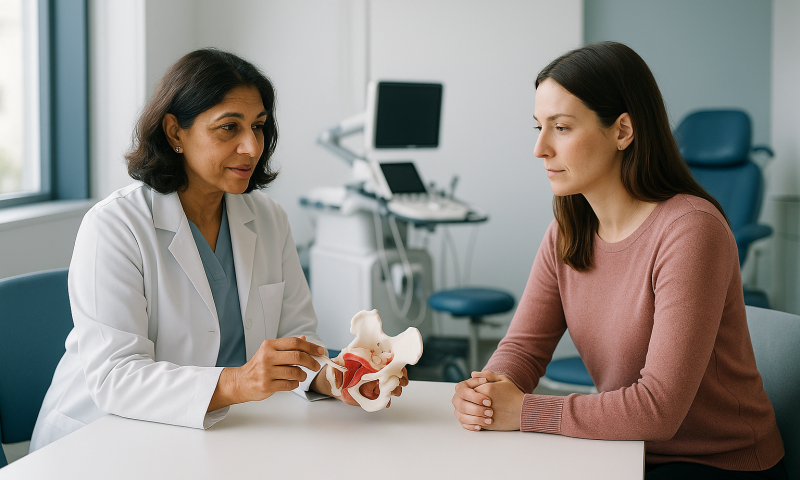
Robotic Hysterectomy Recovery: Week by Week
Recovery from robotic hysterectomy week by week: pain, lifting, wounds, driving, flying home safely, warning signs and questions to ask before you…

Breast Reconstruction Recovery: Week by Week
DIEP flap recovery week by week: hospital stay, drains, pain, walking, showering, driving, when it is usually safe to fly home, and…