

How to Ask for a Treatment Quote in Turkey That Is Accurate the First Time

Treat your quote request as a short medical briefing, not a price enquiry. Send recent reports, imaging, a medication list, relevant history and your travel window in one organised message. Then ask what the estimate includes, what it excludes, how long it is valid and what could change it after in-person assessment. Complete information at the start is what makes a first quote realistic.
You have a diagnosis, a rough budget in mind, and one question: what will treatment in Turkey actually involve and cost? So you send a short email — and back comes a wide range that tells you almost nothing. That is rarely evasion. It usually means the hospital does not yet have enough information to work with.
If you want to ask for a treatment quote in Turkey that is accurate the first time, the single most important thing you control is what you send. A hospital can only quote against the picture you give it. A one-line message with a diagnosis produces a broad estimate. A well-organised file with recent reports, imaging, a medication list and clear travel dates produces something you can actually plan around.
This guide explains what to include in a quote request, how to describe your case so a clinical team can assess it quickly, what to ask back so the estimate is genuinely useful, and how to read a quote once it arrives. It also explains — honestly — why no first quote can ever be treated as a final bill, and what typically causes the difference between the two.
At a glance
- Best first step: Prepare one clear file with your diagnosis, recent test results, medication list and your main questions.
- What improves accuracy: Recent reports, imaging files where relevant, health history and a realistic travel window.
- What often changes quotes later: Extra tests on arrival, findings that differ from the records sent, longer admission or added specialist reviews.
- What to ask back: What is included, what is excluded, how long the quote is valid and what could change it.
- Who coordinates: International patient teams gather records, arrange interpreters and clarify what an estimate covers.
Why first quotes come back vague — and how to fix it
A treatment quote in Turkey is built from the information available before you travel. If your records are incomplete, out of date or unclear, the hospital may only be able to offer a broad estimate rather than a precise one. That is not a sales tactic. It is the clinical team declining to be specific about a case it cannot yet see properly.
The difficulty with short enquiries is that two people with the same diagnosis can need very different care. Test findings, previous treatments, general health, urgency and recovery needs all shape the plan, and the plan shapes the price. Even practical details matter: whether you travel alone, whether you need an interpreter, how long you can stay. None of that fits into a one-line message, which is why one-line messages get one-line answers.
The way to ask for a treatment quote in Turkey that is accurate the first time is to treat the request as a mini medical briefing rather than a price enquiry. The more organised and specific you are, the easier it is for the hospital to match your case to the right specialist and to tell you three distinct things: what is likely, what is optional, and what can only be confirmed after an in-person evaluation. A quote that separates those three categories is worth far more than one that quotes a single confident number and explains nothing.
It also helps to be honest with yourself about what a quote can be. It is a planning tool, not a contract for a fixed outcome. The most useful first estimates come from teams that review your records carefully, ask follow-up questions and state their uncertainty plainly — and from patients who give them the material to do that with.
What to send with your quote request
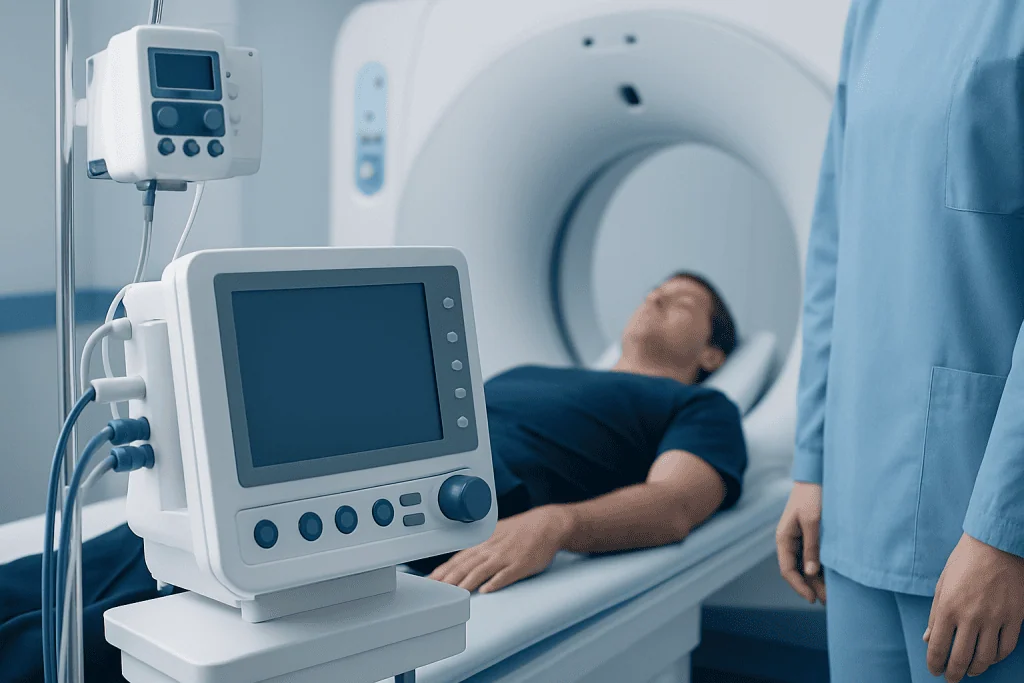
Start with the basics: your full name, age, nationality, contact details and the treatment or condition you are asking about. Then the clinical core — your diagnosis if you have one, your main symptoms and how long you have had them, and what your local doctor has already recommended. If you are asking about surgery or a procedure, say clearly whether this would be a first treatment, a revision of earlier work, or a request for another opinion. Revisions in particular are quoted differently, because the surgeon must plan around what was done before, and the estimate reflects that extra complexity.
Attach your most recent medical documents in English if available, or in the original language if not. The most useful records are usually consultation notes, discharge summaries, blood test results, pathology reports and radiology reports. If you hold CDs or digital links for MRI, CT, X-ray or ultrasound images, mention that the actual image files exist — reports describe scans, but in many cases doctors want to see the images themselves before committing to a plan.
Include a medication list, known allergies, previous operations and any major medical conditions. Chronic issues such as diabetes, high blood pressure or heart disease can change the pre-treatment evaluation you need, the type of anaesthesia review involved and sometimes the length of stay — all of which affect the scope of a quote. Leaving these out does not make the estimate lower; it makes it wrong.
- Recent reports, ideally from the last 3–6 months where relevant
- Imaging reports and, where possible, the actual image files
- Pathology or biopsy reports if applicable
- Current medications and allergies
- Past operations and significant medical history
- Your preferred travel window and how long you can stay
For a fuller breakdown of which records carry the most weight for different types of treatment, see which records help you get a more accurate price when requesting a quote from abroad.
How to describe your case clearly

Keep the message itself simple and structured. State why you are writing, then summarise your diagnosis or main symptoms, what your local doctor has advised, and what you want to know. Good questions to build into the request: whether you appear to be a candidate for a specific treatment based on the records provided, what tests are likely to be needed on arrival, how long you may need to stay, and whether the estimate covers both hospital fees and doctor fees.
Avoid sending scattered messages over several days with a missing detail in each one. A single, well-organised email or form submission is easier for an international patient coordinator and a clinical team to review, and it reduces the chance of something important being overlooked. If your records span several attachments, label them by date and type — “MRI report May 2026”, “blood tests June 2026” — so nobody has to open ten files to find the one that matters.
If something in your history is uncertain, say so directly. If one doctor recommended surgery and another suggested monitoring, mention both opinions; contradictions in your file are useful information, not a weakness in your case. Hospital groups such as Acibadem that regularly treat international patients often coordinate reviews across more than one specialty, and that works best when the team can see the full context at once. If you are genuinely undecided between treatment paths, say that too — it changes what gets quoted and how.
Questions to ask so the quote is actually useful
A quote is only as good as your understanding of what sits inside it. Ask whether the estimate includes consultations, pre-operative tests, imaging, surgeon fees, anaesthesia, the hospital stay, medications during admission and routine follow-up before you fly home. If any of these sit outside the figure, ask for them to be listed separately in writing so you can budget realistically rather than optimistically.
Then ask what could cause the quote to change. Common, legitimate reasons include additional tests after arrival, findings that differ from the records you sent, the involvement of another specialist, a longer admission than planned, intensive care needs, special implants or extra pathology work. A good hospital team will explain which parts of the estimate are firm and which depend on in-person assessment. A team that insists everything is fixed before anyone has examined you is not being more accurate — it is being less honest.
Practical questions matter too. Ask whether airport transfer, interpreter support, accommodation arrangements or companion assistance are available, and whether these sit inside the quote or are handled separately. At Acibadem, patient services teams help coordinate these logistics, which makes the overall plan easier to understand even while travel details are still moving. Two companion guides go deeper here: questions to ask before accepting a treatment quote in Turkey and how to spot hidden costs in medical travel quotes.
What to expect from hospitals in Turkey
Hospitals in Turkey that regularly care for international patients usually run a defined process: an international patient coordinator receives your enquiry, gathers and organises your documents, and passes them to the relevant department for a specialist opinion. The estimate that comes back may reflect input from more than one team, particularly if your case crosses specialties.
This is one reason response times vary, and why speed alone is a poor way to judge a provider. A very fast estimate may simply mean nobody looked closely. A slower, more considered one may mean doctors reviewed your imaging or previous treatment history before committing to a figure. When comparing providers, notice not only how quickly they reply but how clearly they explain what they need from you, what the estimate covers, and what remains open until you are examined in person.
Expect follow-up questions, and treat them as a good sign. A team that asks about your medications, previous operations or scan availability is trying to quote your case rather than a generic one. Structured communication of this kind is what separates a working estimate from a marketing number.
How travel plans affect your quote
Your travel timing shapes what is practical. If treatment is urgent, the hospital may prioritise speed and arrange assessments soon after arrival, which can mean some details are only confirmed once you are there. If your case is less urgent, offering a wider travel window gives the team flexibility to sequence consultations, tests and treatment efficiently — which usually makes the estimate more reliable, not less.
Length of stay is the detail most often forgotten. Many patients ask for the treatment price and never ask how many days they may need to remain in Istanbul or elsewhere in Turkey for tests, recovery, wound checks or early follow-up. Doctors sometimes advise staying a few days longer than originally planned, and flights booked too tightly turn that clinical advice into avoidable stress and rebooking costs.
If a companion is coming, say so early. Accommodation, transport support and interpreter services for a second person are not medical costs, but they are real costs, and they belong in the same planning conversation as the treatment estimate. The medical travel budget checklist lists the non-clinical items that most often surprise first-time medical travellers.
How to compare quotes safely and fairly
It is sensible to compare estimates from different hospitals — but compare like with like. One figure may look lower simply because it excludes imaging, pathology, anaesthesia, implants, the overnight stay or follow-up review. Another may sit higher because it covers a broader scope, or because your records were reviewed in more detail before the estimate was issued. Scope, not size, is the first thing to check.
Look for clarity rather than the lowest number. A useful quote states what treatment is being quoted, which department is involved, the likely timeline, what is included, what may be additional, and how long the figure remains valid. If any of that is missing, ask for a revised written breakdown before you weigh it against anything else. If you are also weighing treatment at home against treatment abroad, how to compare surgery quotes from Turkey and your home country sets out a fair method for that comparison.
Finally, keep the quote in its proper place. It is not a final bill, and it is not a promise about your medical result — no honest provider will present it as either. Its job is to let you make an informed travel and budgeting decision. In the end, the way to ask for a treatment quote in Turkey that is accurate the first time is simple to state: complete records, one organised request, and direct questions about scope, exclusions and validity.
Step by step
- Collect your current medical records. Gather your latest reports, imaging results, pathology if relevant, medication list and a short health history. If you hold many documents, lead with the most recent and the most important for your condition.
- Write a one-page case summary. Set out your diagnosis or symptoms, what has been suggested locally, and what you want to know from the hospital. Keep it chronological so a coordinator and doctor can absorb it quickly.
- Send one organised request. Use a single email or form submission rather than fragmented messages, with attachments labelled by date and type so review is not delayed.
- Ask for included and excluded items in writing. Consultations, tests, anaesthesia, hospital stay, medications during admission and follow-up should each be visibly inside or outside the figure.
- Share your travel and companion plans. State when you hope to travel, how long you can stay and whether someone is coming with you, so the schedule behind the estimate is realistic.
- Clarify what could change the quote. Ask which situations commonly add cost — extra tests, different findings on arrival, a longer stay — and build a contingency margin into your own planning so a legitimate addition never derails the trip.
- Confirm the next step before booking flights. Ask whether your records are sufficient for preliminary planning or whether an in-person examination must come first. This one check can save real time, money and stress.
Your checklist
- Passport details and contact information ready
- Recent diagnosis or doctor referral note included
- Latest imaging reports and image files prepared
- Medication list and allergy information added
- Previous operations and major conditions summarised
- Questions about inclusions, exclusions and validity written down
- Travel dates and expected length of stay shared
- Companion, interpreter or accommodation needs mentioned
- All files labelled clearly by date and document type
Key takeaways
- An accurate first quote depends on complete, recent and organised medical records — the hospital can only quote what it can see.
- Always ask what is included, what is excluded, how long the figure is valid and what could change after in-person assessment.
- Travel timing, companion plans and length of stay shape the usefulness of any estimate.
- Compare quotes by scope and clarity, never by the lowest number alone.
- A quote is a planning tool, not a final bill — the best providers say so openly.
Frequently asked questions
Can I get an exact treatment quote in Turkey before I travel?
Sometimes you can get a very close estimate, but an exact final cost is not always possible before an in-person review. Accuracy depends on how complete your records are and whether extra tests or different findings emerge after arrival. A trustworthy quote separates what is firm from what depends on examination.
What documents matter most for a medical quote?
Recent specialist notes, imaging reports, pathology results if relevant, blood tests, a medication list and your past medical history. Where doctors need to review scans directly, the actual image files — not just the written reports — make the biggest difference.
Why do hospitals ask so many follow-up questions before quoting?
They are matching your case to the correct specialist, treatment pathway and likely hospital needs. Follow-up questions are a sign your records are being read, and they generally make the resulting estimate more realistic, not slower for its own sake.
Should I choose the lowest quote?
Not automatically. A lower figure may simply exclude items such as tests, anaesthesia, the hospital stay, implants or follow-up. Compare what each estimate actually covers, in writing, before comparing the numbers themselves.
Do I need to translate my records into English first?
English versions help, but not every document needs formal translation before a preliminary review. Send what you have and ask which records need certified translation for a full assessment — this usually saves weeks.
How long does a treatment quote stay valid?
Validity periods vary between hospitals, which is why the validity date should appear in the written quote itself. If your travel plans slip beyond that date, ask for the estimate to be reconfirmed before you book anything.
What happens after I accept a quote?
Typically the hospital confirms the preliminary plan, proposes appointment dates and explains the practical arrangements around arrival and admission. The guide on your next planning steps after accepting a treatment quote walks through this stage in order.
Does an accurate quote mean the final bill will match it exactly?
No. Even a well-prepared quote can shift if in-person findings differ from the records sent, or if additional tests or a longer stay become clinically necessary. The purpose of a good first quote is to make those possibilities visible in advance, so any change is explained rather than sprung on you.
Add us as a Preferred Source to see more of our trusted health content across Google Search, AI Overviews and Discover.

Update history
- PublishedJuly 8, 2026
- Medical review approvedSeptember 1, 2026
- Last content updateSeptember 1, 2026
References2
- Medical Tourism — CDC Travelers' Health — wwwnc.cdc.gov
- Going abroad for medical treatment — NHS — nhs.uk
More Patient Guides

Private MRI, CT and Check-Up Costs in Turkey: How Scans Are Priced
How private MRI, CT, PET-CT and full check-up packages are priced in Turkey — modality, region, contrast, reporting — and what a…

Cataract Surgery Cost in Turkey: Per-Eye Prices and Lens Options
Cataract surgery in Turkey is priced per eye and the lens decides the quote. Biometry, both eyes on one trip, and what…

Lip Filler Cost in Turkey: Per-ml Prices Explained
Lip filler in Turkey is priced per millilitre with licensed hyaluronic acid brands and physician injectors. Volume, product, dissolving, safety and what…

Botox Cost in Turkey: Per-Area and Per-Unit Prices
How Botox is priced in Turkey — per area or per unit, brand, physician injectors, medical indications — and what a serious…