

After You Accept a Treatment Quote: Your Next Planning Steps for Turkey

After accepting your treatment quote, plan your Turkey trip with visa, travel, records, payment and arrival steps for a smoother care journey.
Once you accept a treatment quote, your planning moves from decision-making to practical preparation. This guide helps you organise your medical records, travel, accommodation, payment arrangements and support needs before you travel to Turkey.
At a glance
- First priority: Confirm your treatment dates and care plan in writing
- Travel documents: Check passport validity, visa requirements and insurance needs early
- Before flying: Send requested medical records and disclose health changes
- Arrival planning: Arrange airport transfer, accommodation and a reachable contact number
- Bring with you: Original documents, medication list, prescriptions and payment records
Confirm what happens after your quote is accepted
Accepting a treatment quote is an important step, but it is not the end of your preparation. Your international patient coordinator should confirm the next actions with you, including the proposed treatment dates, expected length of stay, required consultations or tests, and any documents still needed before your visit.
Read the quote and treatment plan carefully before making non-refundable travel bookings. Check what is included, what may be charged separately, whether the plan depends on an in-person assessment, and whether additional tests could be recommended after your specialist sees you. A quote is usually based on the clinical information available at the time, so your team may need to revise the plan if new findings arise.
If anything is unclear, ask for an explanation in writing. It can be helpful to keep all confirmations, emails, invoices and medical correspondence in one folder that you and your companion can access during the trip.
Share complete medical information before you travel
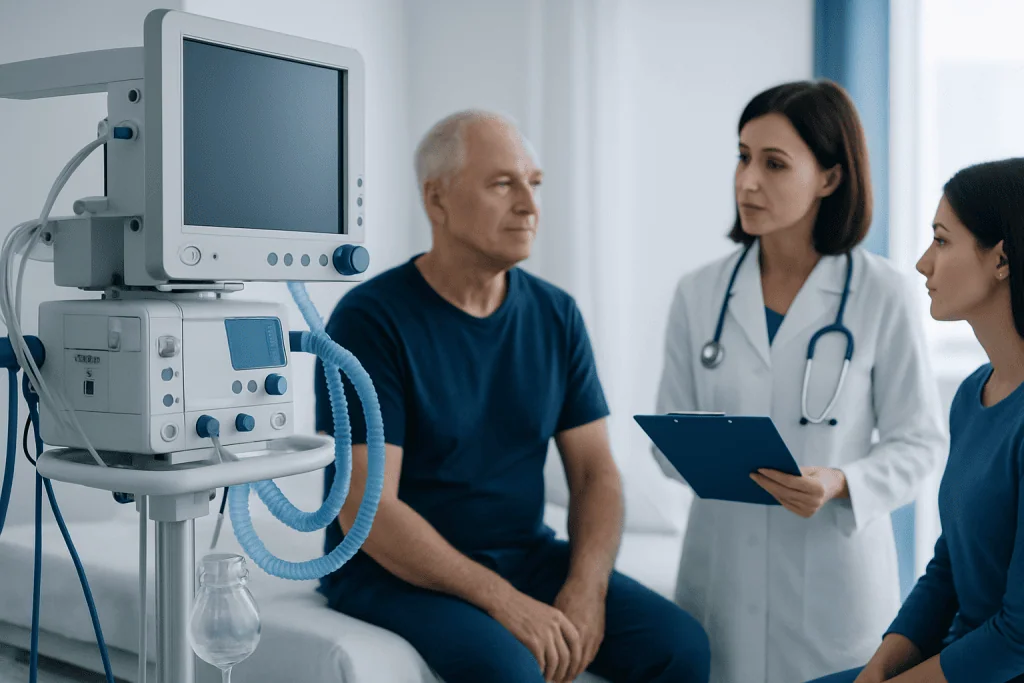
Your care team needs an accurate, current picture of your health to plan safely. Send the reports, images and laboratory results requested by your coordinator, ideally in the original language as well as English translations where available. Include recent consultation notes, pathology reports, imaging files, discharge summaries and a clear list of current medicines.
Tell the team about allergies, previous operations, chronic conditions, implanted devices, pregnancy or the possibility of pregnancy, and any history of reactions to anaesthesia or contrast materials. You should also report changes in your health after accepting the quote, such as a new infection, hospital admission, change in medication or worsening symptoms.
Do not stop prescribed medication, start supplements, or make changes to your routine solely for travel without advice from your usual doctor or the treating team. If your case requires several specialties, Acibadem International can help coordinate communication between relevant multidisciplinary teams before your arrival.
- Keep digital copies of all reports on a secure device or cloud folder.
- Carry paper copies of essential reports in your hand luggage.
- Ask whether scans should be shared through a secure link or brought on a disc.
Set your travel dates around your care schedule

Plan your flights only after your expected appointment, test and treatment schedule has been confirmed. International treatment journeys often involve more than one visit: an initial assessment, pre-treatment testing, the treatment itself and follow-up review. Your coordinator can explain the anticipated timeline, but final timing may depend on your clinical assessment and recovery needs.
Build flexibility into your itinerary. Avoid booking a return flight too close to a planned procedure or treatment date, as your clinician may recommend that you stay longer for monitoring, recovery or a follow-up appointment. This is especially important if you are travelling for surgery, complex treatment, sedation or care that may affect your ability to fly.
Check passport validity and entry requirements for your nationality directly through official Turkish government or embassy sources. Visa rules can change, and responsibility for valid travel documents remains with you. If you need a visa support letter or appointment confirmation, ask your international patient coordinator well in advance.
Arrange accommodation, transfers and practical support
Choose accommodation that matches your expected mobility, comfort and follow-up needs. Consider how far it is from the hospital, whether it has lift access, a quiet room, suitable bathroom facilities, refrigeration if needed for medicines, and space for a companion. For longer stays, access to simple meals, laundry and a nearby pharmacy may also make daily life easier.
Ask about airport transfer arrangements before departure and save the pickup instructions, driver contact process and hospital address. Acibadem International patient services can assist eligible international patients with practical arrangements such as transfers, interpreter coordination and accommodation guidance, depending on your care plan and needs.
Share your arrival flight number, local contact details and accommodation address with your coordinator once confirmed. Keep a small amount of accessible local currency or a payment card for incidental expenses, and make sure your phone can receive calls and messages in Turkey through roaming, an eSIM or a local SIM card.
Prepare for payments, insurance and personal expenses
Before you travel, confirm the payment schedule, accepted payment methods and any deposit requirements. Ask your coordinator which services are included in your quote and which items may be separate, such as additional tests, unplanned medical needs, extra nights, medicines after discharge, companion costs or transport outside agreed arrangements.
If you have private medical or travel insurance, contact your insurer before treatment. Ask specifically whether planned treatment abroad is covered, whether pre-authorisation is required, what documents they need and how reimbursement works. Do not assume that a policy covers elective or pre-planned medical care simply because it includes emergency healthcare abroad.
Keep receipts, invoices and written payment confirmations. It is also sensible to budget separately for flights, accommodation, meals, local travel, communication, companion expenses and flexibility if your stay needs to be extended on medical advice.
Pack safely and prepare for your first hospital visit
Pack your essential medical documents, passport, visa documentation if applicable, quote and appointment confirmations in your hand luggage. Bring medicines in their original labelled containers, along with prescriptions and a medication list that shows generic names, doses and the reason each medicine is taken. Carry enough medication for the trip plus extra for reasonable delays, unless your care team gives different instructions.
Wear comfortable clothing and bring items that support your practical needs, such as glasses, hearing aids and chargers, mobility aids, a small notebook, and contact details for your family doctor. If you use a medical device or need particular supplies, discuss this with your coordinator before travelling rather than assuming they will be available immediately on arrival.
At your first appointment, arrive early and be ready to review your health history, consent discussions and treatment plan. An interpreter can help you understand important conversations, but you should still ask questions until you feel clear about the next step. Never feel pressured to proceed if you do not understand the information or need time to consider it.
Step by step
- 1. Receive your written confirmation. Ask your coordinator to confirm the proposed dates, expected stay, planned appointments and outstanding requirements. Review the accepted quote alongside the treatment plan, and raise questions before committing to travel bookings.
- 2. Send updated medical records. Provide the reports, scan files, test results and medicine list requested by the care team. Notify them promptly of any health changes, new diagnosis, infection, pregnancy or medication change before travel.
- 3. Confirm entry and travel arrangements. Check your passport validity and visa requirements through official sources. Once dates are confirmed, arrange flights with change flexibility where possible and share your arrival details with your coordinator.
- 4. Plan your stay in Istanbul or another treatment city. Book accommodation suitable for your recovery and practical needs, ideally with easy access to the hospital. Confirm airport transfer instructions, communication arrangements and whether a companion will travel with you.
- 5. Clarify payment and insurance details. Confirm how and when payments are made, what documentation you will receive and which possible extras are not included. Contact your insurer directly if you intend to make a claim or seek pre-authorisation.
- 6. Pack documents and essential medicines. Keep your passport, confirmations, medical records, prescriptions and medicines in hand luggage. Bring original medicine packaging and enough supply for the journey, unless your treating team gives other instructions.
- 7. Attend your pre-treatment assessment. Your final care plan may be reviewed after the specialist examines you or after further tests. Use this appointment to confirm your schedule, recovery guidance, travel restrictions and follow-up arrangements.
Your checklist
- Written confirmation of your proposed appointments and treatment timeline
- Passport valid for your full journey and any required Turkish visa or entry documentation
- Recent medical reports, imaging, pathology results and discharge summaries
- Current medication list, prescriptions and medicines in original packaging
- Travel insurance and, if relevant, insurer pre-authorisation documents
- Flight details, accommodation address and airport transfer instructions
- Payment method, quote, invoices and contact details for your coordinator
- A flexible return plan in case your clinician recommends a longer stay
- Companion arrangements, including their travel documents and practical role
- A working phone plan, chargers and emergency contact information
Key takeaways
- Confirm your schedule and included services in writing before finalising travel.
- Send complete, updated health information and report any changes before you fly.
- Allow extra time in Turkey for assessments, recovery and possible schedule changes.
- Plan practical details early: visa, flights, accommodation, transfers, payment and communication.
- Bring essential documents and medicines in your hand luggage, and ask questions whenever you need clarity.
Frequently asked questions
Can I book my flights as soon as I accept the treatment quote?
It is best to wait until your coordinator confirms the expected appointment and treatment dates. Choose flights that can be changed if possible, because additional assessment, testing or recovery time may affect your final schedule. Your clinician will advise when you may be fit to fly after treatment.
Does accepting a quote mean my treatment plan cannot change?
Not necessarily. The quote and proposed plan are based on the information available before your visit, and your specialist may need to adjust recommendations after examination, testing or review of updated records. Ask your coordinator to explain how potential changes, additional services or revised costs would be communicated.
What medical documents should I bring to Turkey?
Bring recent specialist letters, test results, imaging reports and files, pathology reports where relevant, a medication list and information about allergies or previous procedures. Carry core documents in hand luggage and keep digital backup copies available. Your coordinator can tell you which records are particularly important for your treatment.
Can Acibadem International help with travel logistics?
International patient services can help coordinate practical aspects of your visit, such as appointment communication, interpreters and guidance on transfer or accommodation arrangements. The exact support available may depend on your location, treatment plan and individual needs. Confirm arrangements directly with your coordinator before you travel.
Should I travel with a companion?
A companion can be helpful for navigation, communication, emotional support and assistance after some treatments. Whether one is necessary depends on your health, treatment type, mobility and recovery expectations. Ask your treating team what level of support they recommend for your particular situation.
How should I bring my regular medication?
Keep medication in original labelled containers and carry it in hand luggage with prescriptions or a doctor's letter when appropriate. Bring a current list showing generic names, doses and the reason for each medicine. Ask your airline and care team about any medication-specific storage, security or travel considerations.
What if I become unwell before my trip?
Contact your coordinator and your local doctor promptly if you develop new symptoms, an infection, fever, a significant change in health or a new medication requirement. Do not assume it is safe to continue with the original plan. The treating team may need to review your records and advise whether dates should change.
Add us as a Preferred Source to see more of our trusted health content across Google Search, AI Overviews and Discover.
More Patient Guides

Flexible Return Flights After Treatment in Turkey: How to Book Safely
Flexible return flights after treatment in Turkey are safest when you book changeable fares, confirm fit-to-fly timing, and keep airline-ready medical documents.
9 min read
How to Choose Recovery-Friendly Accommodation in Turkey After Treatment
Recovery-friendly accommodation in Turkey means a quiet, accessible, well-located stay with support for transport, meals, and follow-up visits in Istanbul or beyond.
9 min read
How to Prepare a Carry-On Bag for Treatment Travel to Turkey
Carry-on bag for treatment travel to Turkey: pack medicines, documents, comfort items, chargers, and one change of clothes for a smoother trip.
9 min read